robotics
41 posts tagged with “robotics”
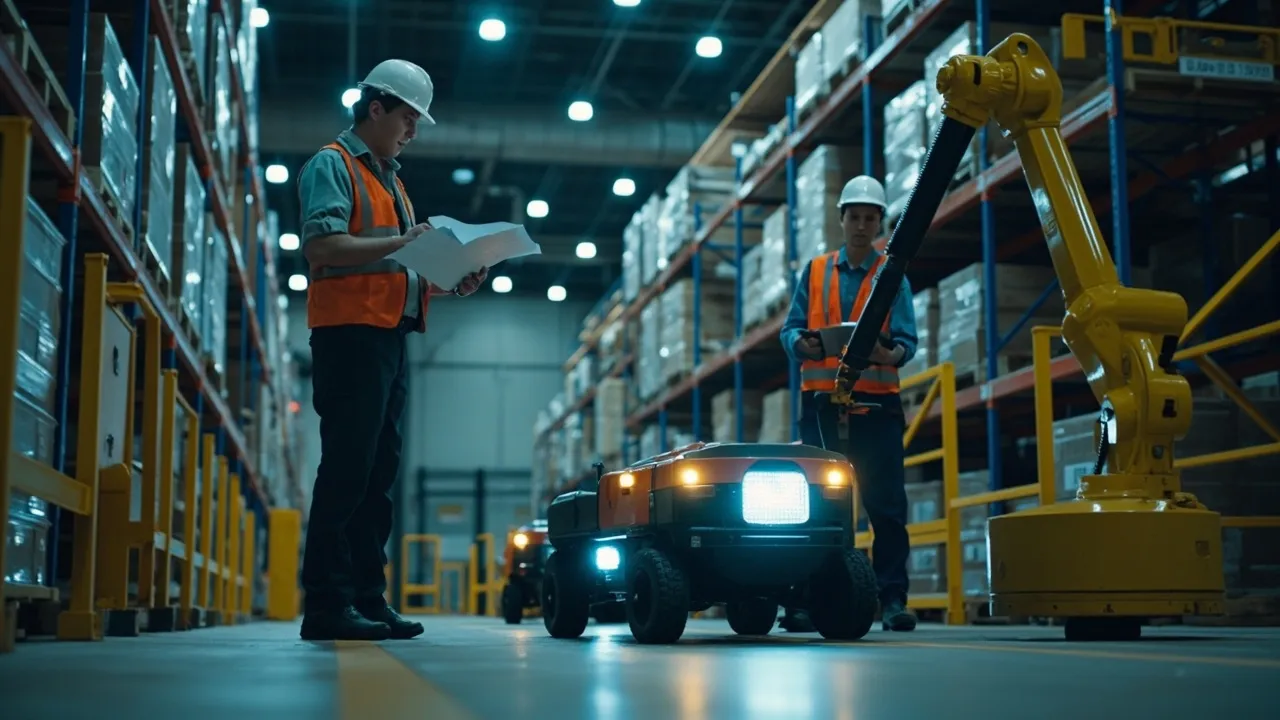
Material-Handling Robotics Training Needs a Verified Skills Matrix
Warehouse robotics readiness depends on verified role-based skills, equipment authorization, shift coverage, and escalation procedures—not a completed training roster.
 CXTMS InsightsSeptember 14, 2026 · 6 min read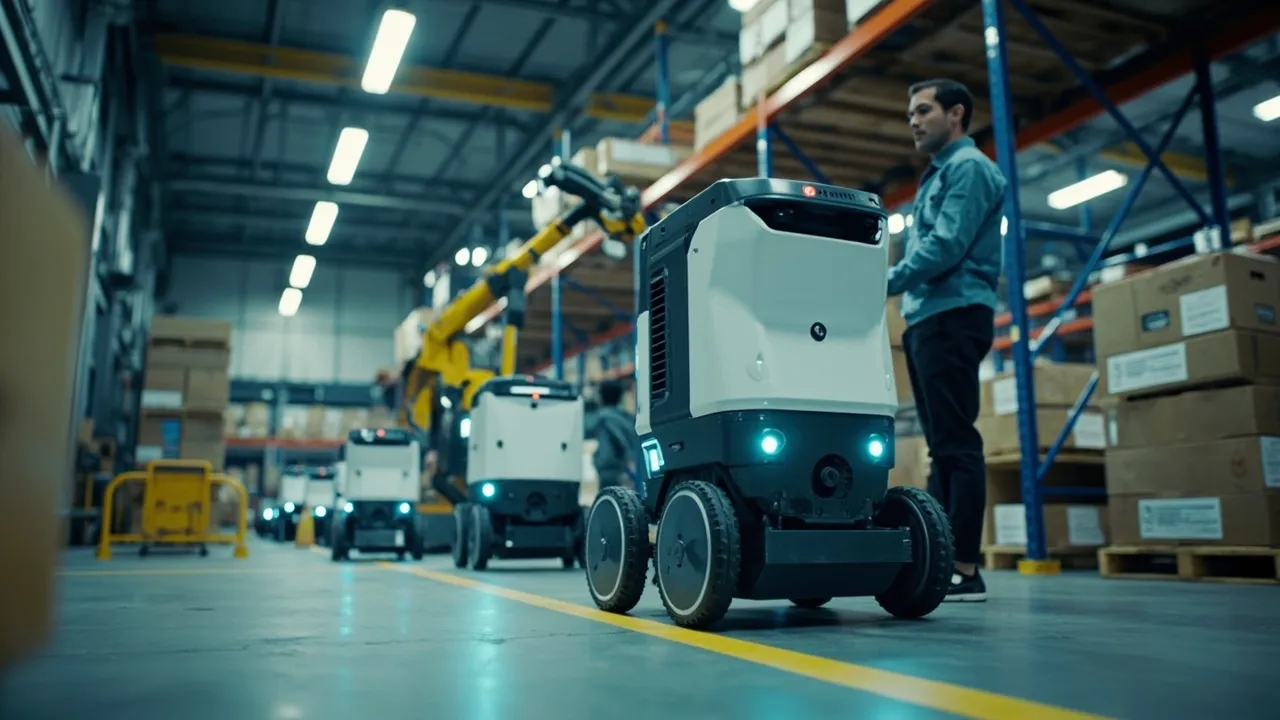
Robot Fleet Readiness Gap: Why 70% Expect Automation but Only 40% Have a Strategy
Most manufacturers expect to manage robot fleets within five years, but far fewer have a formal strategy. Close the gap with a staged operational readiness plan.
CXTMS InsightsSeptember 1, 2026 · 6 min read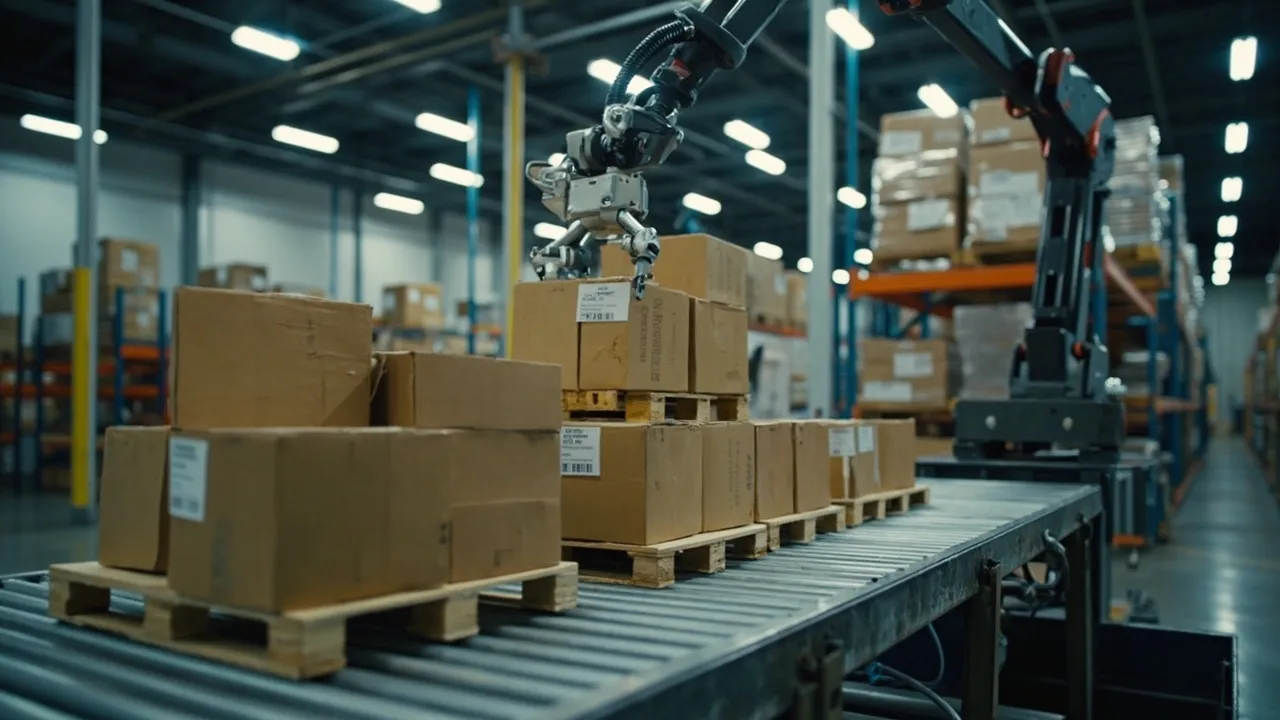
Robotic Picking Will Nearly Triple by 2030: Why Depalletizing Is the First Capacity Test
Robotic picking is forecast to reach $4.6 billion by 2030. Learn why depalletizing is the practical first test for warehouse automation capacity.
CXTMS InsightsAugust 26, 2026 · 6 min read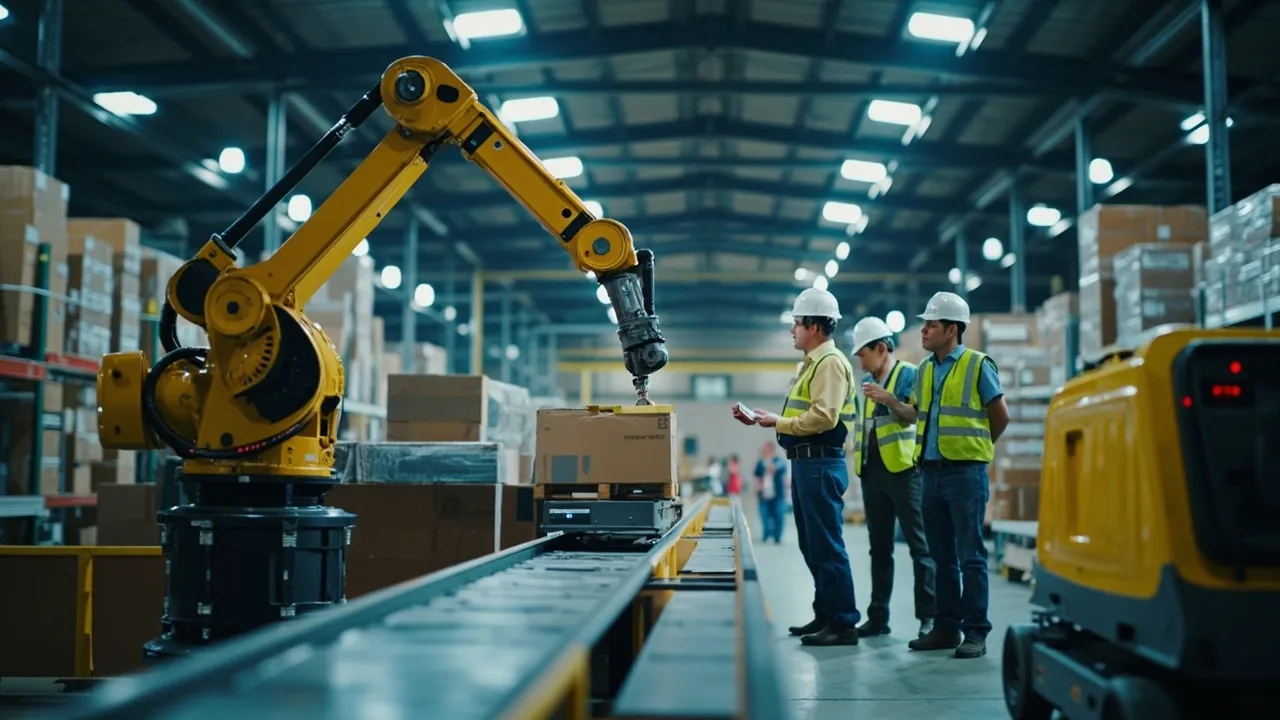
North American Robot Orders Rose 4.3%: Segment the Automation Queue by Application Risk
Turn rising robot demand into a disciplined automation portfolio by ranking warehouse projects for application risk, integration load, and fallback readiness.
CXTMS InsightsAugust 18, 2026 · 6 min read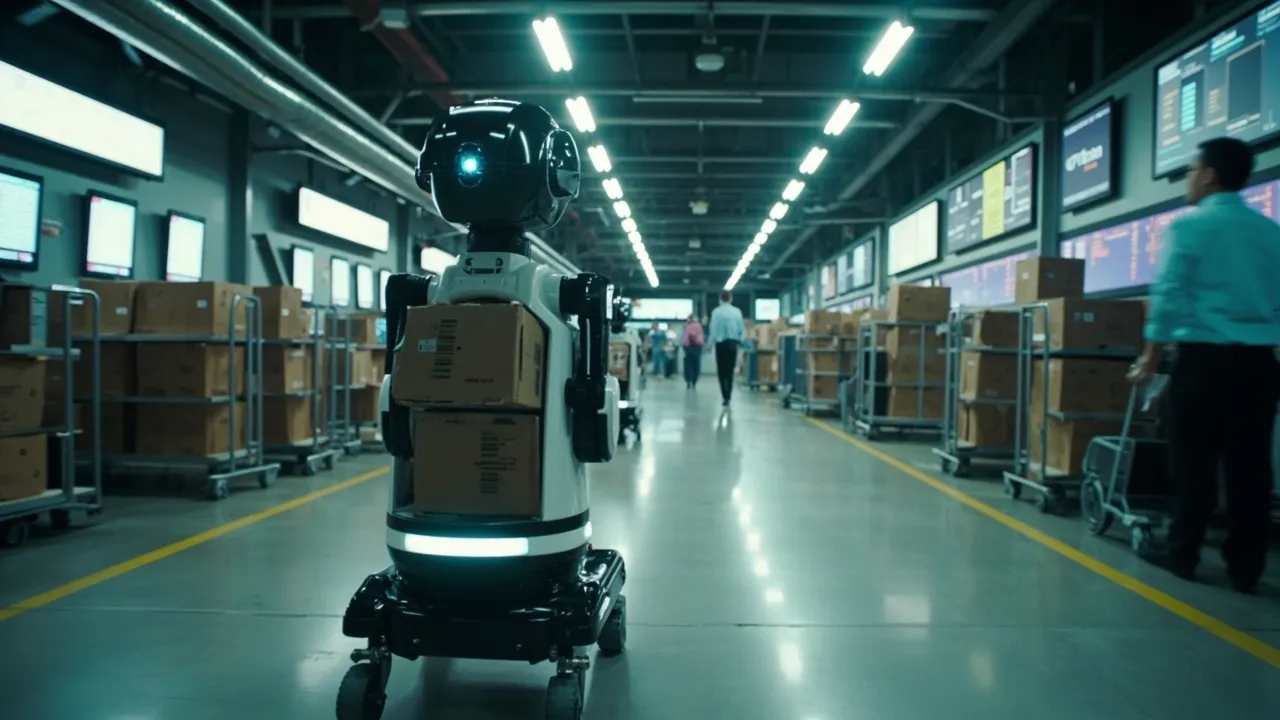
JD.com's 700,000-Robot Claim Makes Delivery Labor a Network Design Variable
JD.com's automation claim shows why delivery robotics is becoming a network design question, not just a labor-cost question.
CXTMS InsightsJune 30, 2026 · 7 min read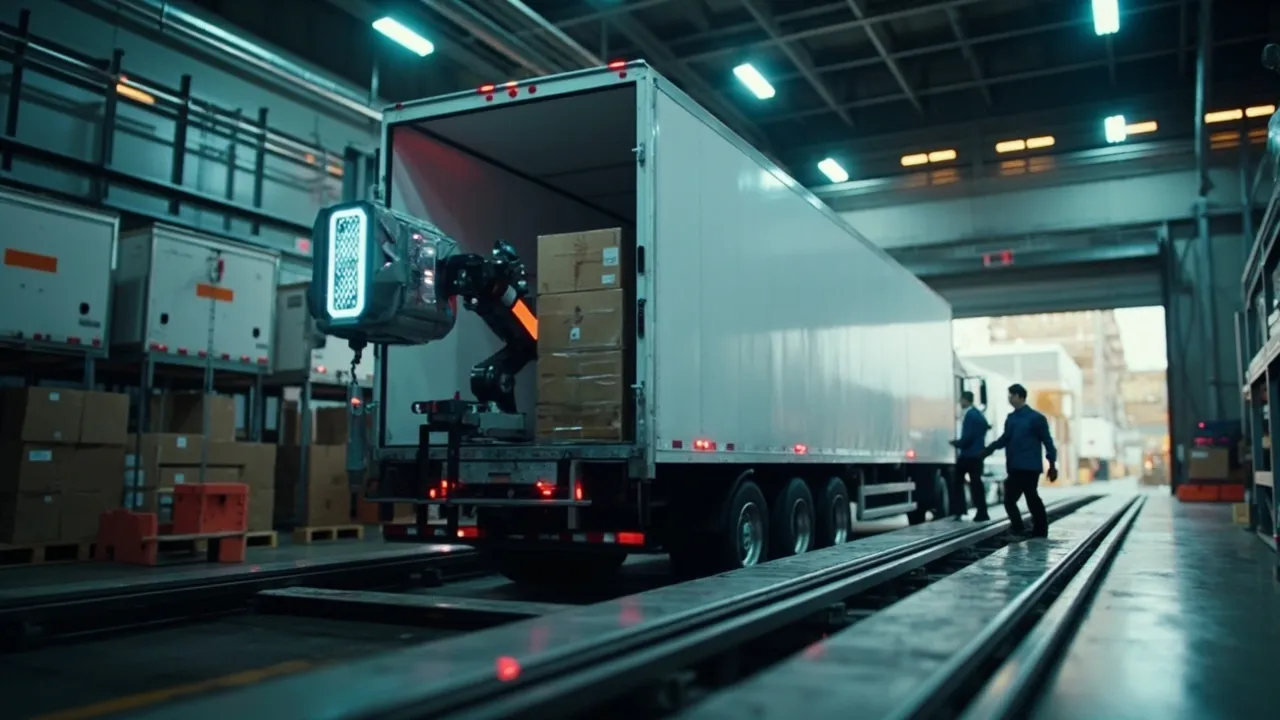
Parcel Trailer Unloading Robots Are Moving Automation to the Inbound Bottleneck
FedEx's trailer unloading robot plans show why parcel automation is moving upstream to the dock-door bottleneck where inbound flow begins.
CXTMS InsightsJune 26, 2026 · 6 min read
Automate 2026 Will Test Whether Humanoid Robotics Is Ready for Warehouse Reality
Automate 2026 will put humanoid robotics in front of warehouse buyers. The real test is not spectacle—it is safety, integration, dexterity, and ROI.
CXTMS InsightsJune 20, 2026 · 6 min read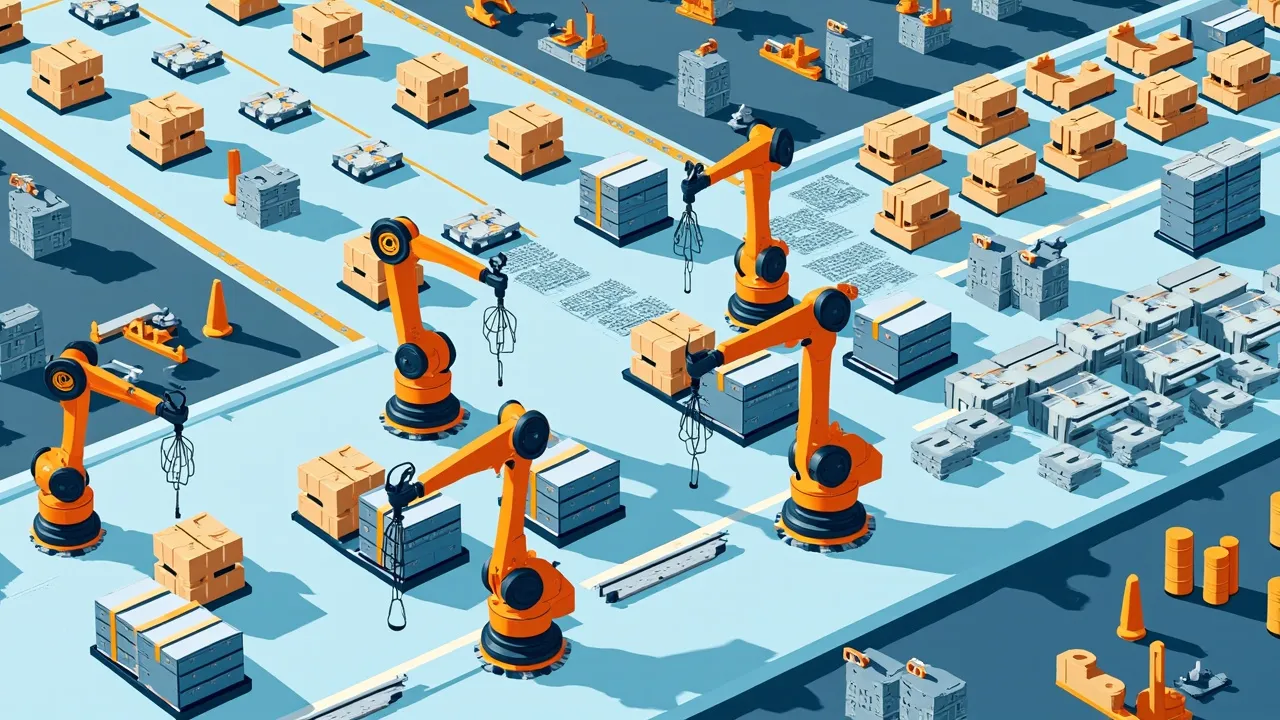
Industrial Robots Are Rebounding Because AI Factories Need Physical Flow
After two years of headwinds, the industrial robot market is growing again—driven by AI chip fabs and easier-to-deploy software. Here's what that means for the manufacturers, parts suppliers, and logistics teams caught in the wake of faster production cycles.
CXTMS InsightsJune 17, 2026 · 5 min read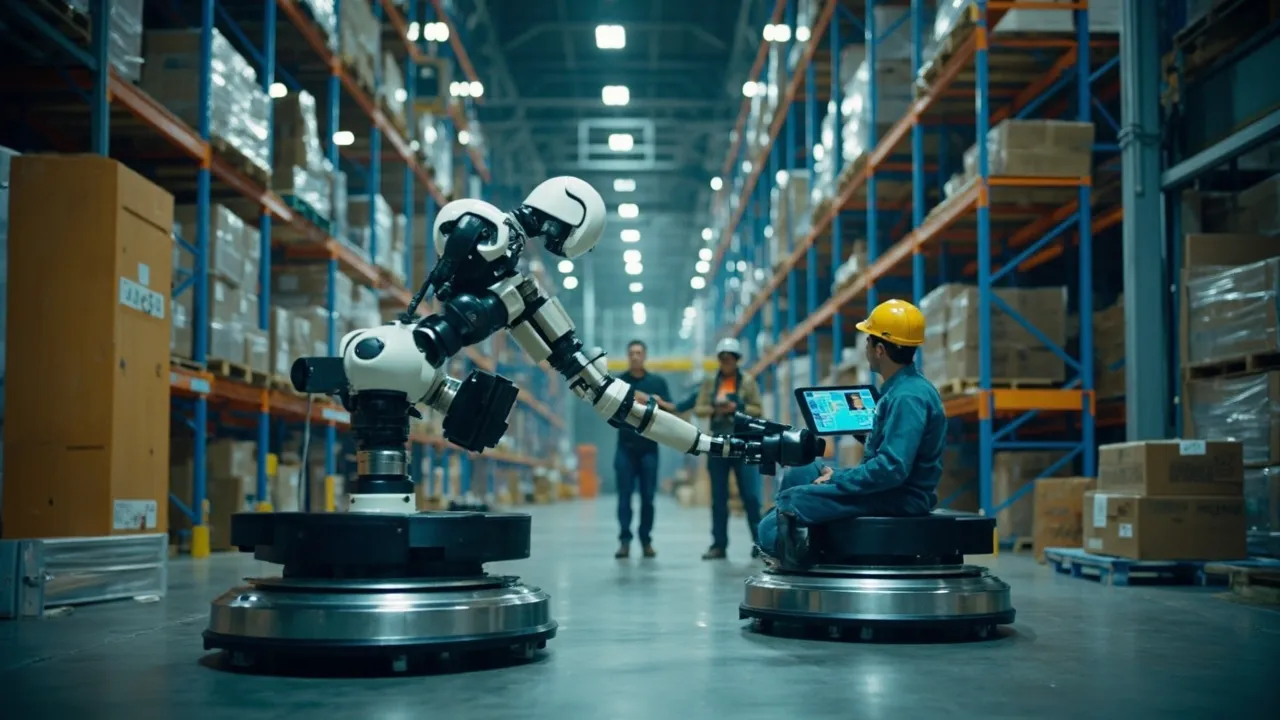
Robotics Adoption Has Crossed the Warehouse Mainstream Line
Warehouse robotics adoption has moved past pilots. Logistics leaders now need orchestration, maintenance discipline, and integration that turns robot fleets into execution performance.
CXTMS InsightsJune 4, 2026 · 6 min read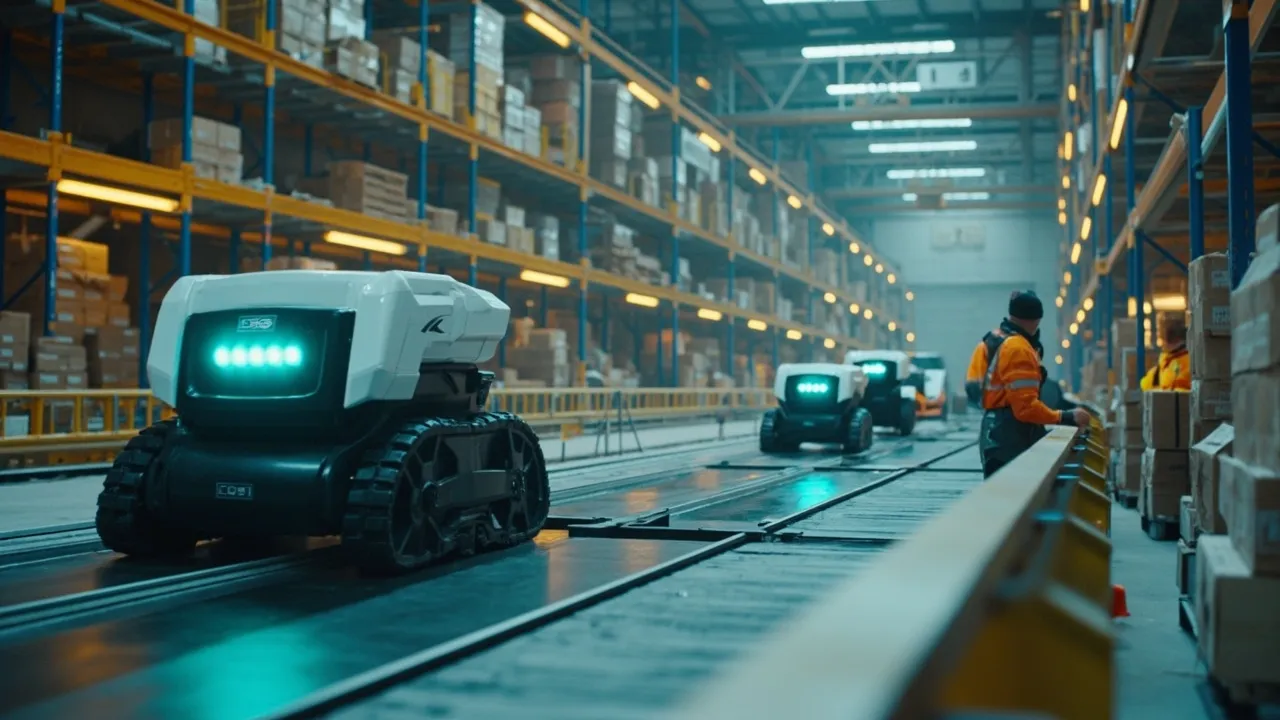
Supplier Diversification Now Applies to Robots: The Hidden Vendor Risk in Warehouse Automation
Warehouse automation is becoming a supplier risk issue as robots, orchestration software, spare parts, and proprietary integrations turn single vendors into operational choke points.
CXTMS InsightsMay 27, 2026 · 7 min read