Japan Airlines’ Humanoid Ground-Handling Trial Points to the Next Air Cargo Labor Frontier

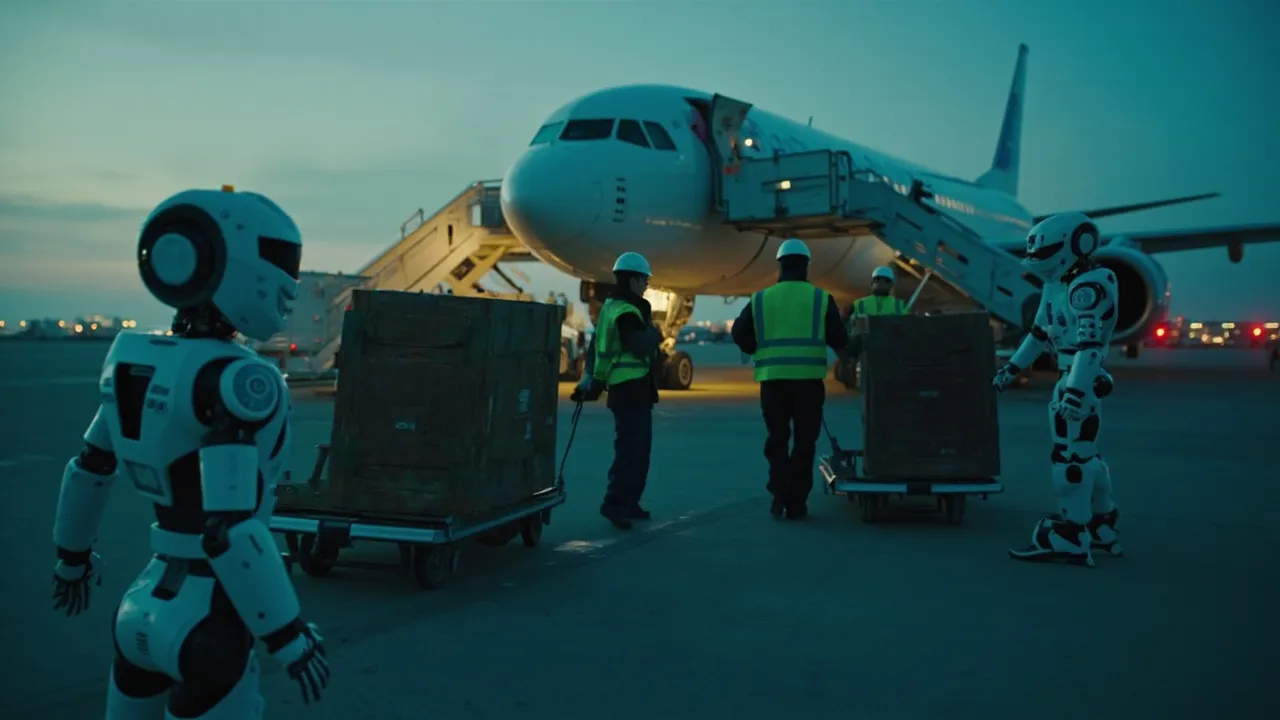
Air cargo automation has spent years moving through warehouses, sortation hubs, and fulfillment centers. Now the frontier is creeping closer to the aircraft.
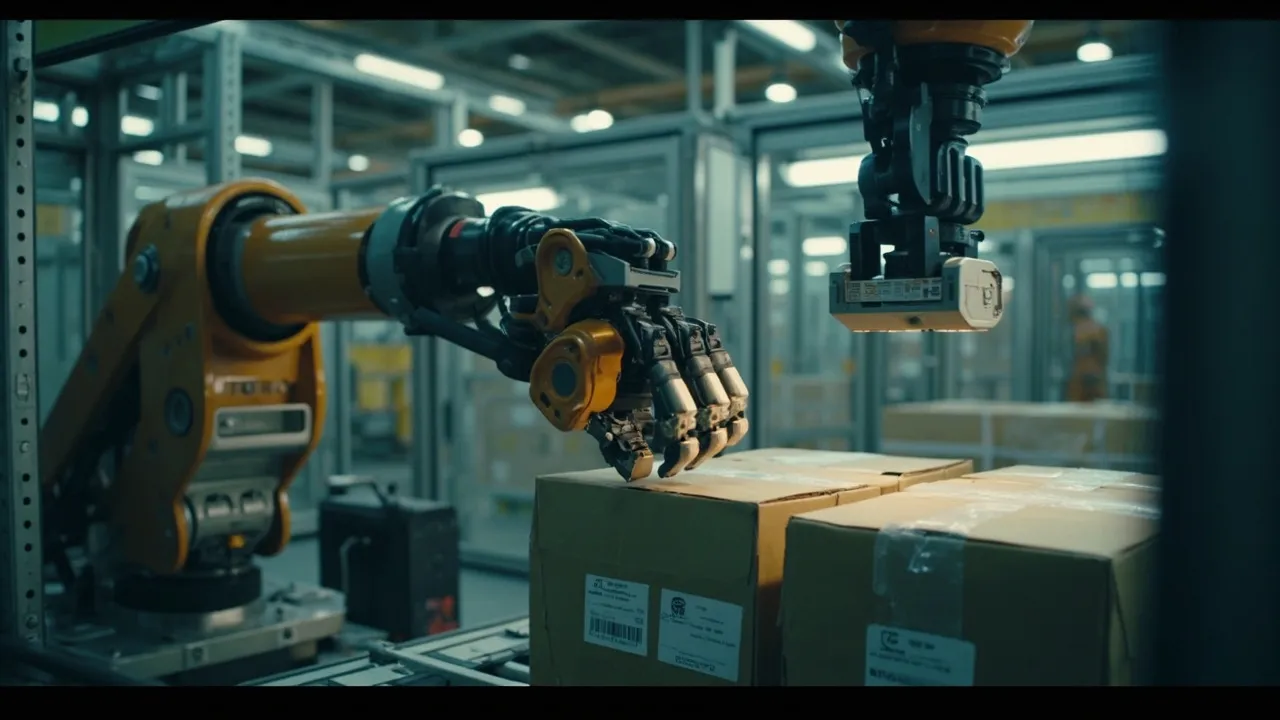
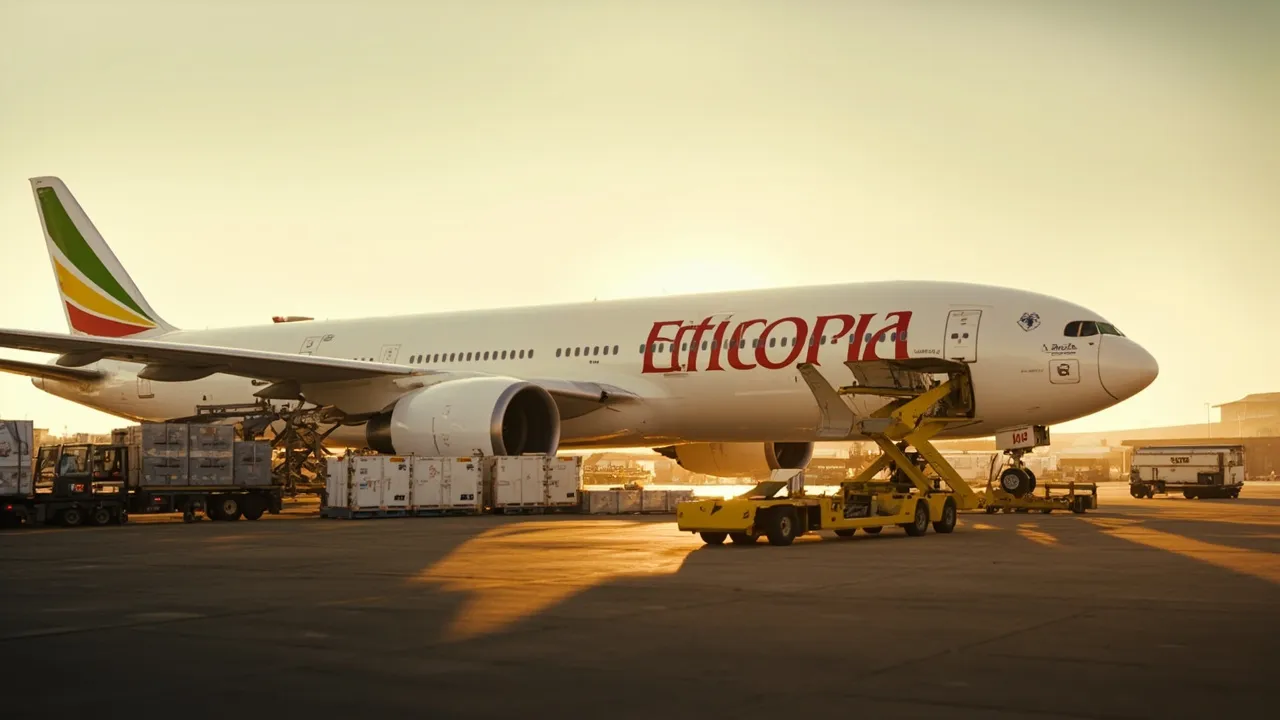
Japan Airlines is preparing a two-year humanoid robot trial for ground handling at Tokyo Haneda Airport, with the first phase focused on loading and unloading cargo containers. According to Supply Chain Brain, the trial is scheduled to begin in May and run through 2028. JAL has also said it hopes to test future uses such as cabin cleaning and operating ground support equipment, while keeping safety management responsibilities with human workers.
That detail matters. This is not a clean-room warehouse robotics story. Airside operations are constrained by aircraft turnaround windows, equipment lanes, weather, ramp safety rules, union agreements, and the simple fact that a late ground-handling task can ripple into missed connections, cargo delays, and aircraft utilization problems. If humanoid robots can reduce strain on workers in that environment, even in limited roles, the implications extend well beyond one airport.
Why Japan Is Testing This Now
The labor pressure behind the trial is not theoretical. Supply Chain Brain reports that Japan could face an 11 million-worker shortage by 2040 if current demographic trends continue. Airports feel that pressure acutely because ground handling is physically demanding, time-sensitive, and difficult to staff consistently.
Inbound tourism adds another layer. More passengers mean more bags, more aircraft movements, more catering and cleaning tasks, and more belly cargo moving through tight ground windows. Ground handling still depends heavily on people lifting, positioning, checking, and coordinating work around aircraft. When staffing gets thin, the whole operating model becomes brittle.
Humanoid robots are attractive because airports were designed around human movement. A robot with arms, legs, cameras, and grasping ability can theoretically work around containers, dollies, cargo doors, and service vehicles without every process being rebuilt from scratch. That is the promise. The reality will be messier, because airports do not reward novelty. They reward predictable, safe execution.
Airside Robotics Is Not Warehouse Robotics With a Runway
Warehouse robotics has a controlled-environment advantage. Floors are mapped. Travel paths are constrained. Lighting is predictable. Human-robot interaction can be engineered inside fixed zones. Even then, deployments take months of integration and change management.
The airside environment is less forgiving. A ground-handling robot has to operate near moving aircraft, belt loaders, cargo loaders, tugs, dollies, service trucks, and workers performing multiple tasks at once. It must also fit into aircraft turnaround timing, where minutes matter and exception handling is constant.
That is why JAL’s decision to focus first on loading and unloading cargo containers is sensible. It gives the robots a defined operational problem: move cargo-related units in a repetitive, labor-intensive workflow. It also creates a measurable test bed for productivity, safety incidents, human workload reduction, task completion time, and recovery from exceptions.
The broader robotics market suggests this kind of testing is not isolated. Modern Materials Handling reported that North American companies ordered 9,055 robots valued at $543 million in the first quarter of 2026. Collaborative robot orders rose 55.6% year over year to 1,637 units, with revenue up 78.2% to $69.8 million. The same report noted that automation demand is becoming more diverse across industries and deployment models.
Air cargo is exactly the kind of specialized, labor-constrained environment where that diversification should be watched carefully.
What Air Cargo Operators Should Learn From the Trial
The immediate lesson is not “buy humanoids.” Full autonomy around aircraft-adjacent operations is still years away for most operators. The better lesson is that ground-handling automation will require a readiness layer long before robots arrive.
Start with process mapping. Which tasks are repetitive, physically difficult, and consistently documented? Which tasks require human judgment, safety authority, or direct coordination with pilots and ramp control? Robots belong in the first category before they can safely assist with the second.
Then look at data quality. If a facility cannot accurately timestamp cargo availability, equipment arrival, dock assignment, handoff completion, delay reason, and exception resolution, it will struggle to measure whether automation helps. Robotics vendors can provide machine telemetry, but they cannot fix missing operational discipline.
Finally, examine system integration. Ground-handling automation will need to communicate with cargo systems, workforce planning tools, yard or ramp dispatch, maintenance systems, and customer visibility platforms. A robot that completes a task but does not update the shipment record still leaves a human chasing status.
A Practical Readiness Checklist
For airports, handlers, forwarders, and cargo operators watching JAL’s trial, the useful question is not whether humanoid robots are ready for every ramp. It is whether your operation is ready to evaluate them intelligently.
A practical checklist should include:
- Task selection: Identify labor-intensive workflows with repeatable movements, limited judgment requirements, and measurable cycle times.
- Safety zoning: Define where robots could operate without interfering with aircraft movement, ground support equipment, or emergency procedures.
- Exception rules: Document what happens when cargo is damaged, documentation is missing, equipment is unavailable, or a worker overrides the robot.
- Labor alignment: Involve ground crews and labor representatives early. Robotics fails fast when workers see it as surveillance or replacement rather than workload relief.
- Maintenance ownership: Decide who handles robot charging, inspections, software updates, mechanical failures, and incident reporting.
- Systems integration: Connect automation events to shipment status, dock activity, labor planning, and customer visibility.
- Performance metrics: Track turnaround impact, missed task rates, injury reduction, overtime reduction, utilization, and exception recovery time.
That checklist is boring. Good. Boring is what keeps airport operations safe.
The Real Frontier Is Coordination
The most important change may not be the humanoid form factor itself. It may be the coordination layer that grows around it.
As robotics moves from warehouses toward ramps and cargo terminals, logistics teams will need cleaner event data, tighter exception workflows, and better visibility across air, ground, and facility operations. The winners will not be the companies with the flashiest robot demo. They will be the operators that can plug automation into daily execution without losing control of service commitments.
JAL’s trial is worth watching because it puts robotics into one of logistics’ hardest labor environments: time-compressed, safety-sensitive, and unforgiving of weak coordination. If humanoid robots can prove useful there, air cargo leaders will need to rethink how they plan labor, document work, and expose operational status to customers.
Ready to connect transportation execution, exception management, and operational visibility before automation adds another data stream? Request a CXTMS demo and see how modern logistics teams keep shipments, handoffs, and service commitments moving from one control layer.