food logistics
60 posts tagged with “food logistics”

Food Brand Acquisitions Create a Supply Chain Integration Debt Ledger
A practical integration debt ledger helps food and beverage companies consolidate acquired supply chains without sacrificing service, traceability, or margin.
 CXTMS InsightsSeptember 26, 2026 · 6 min read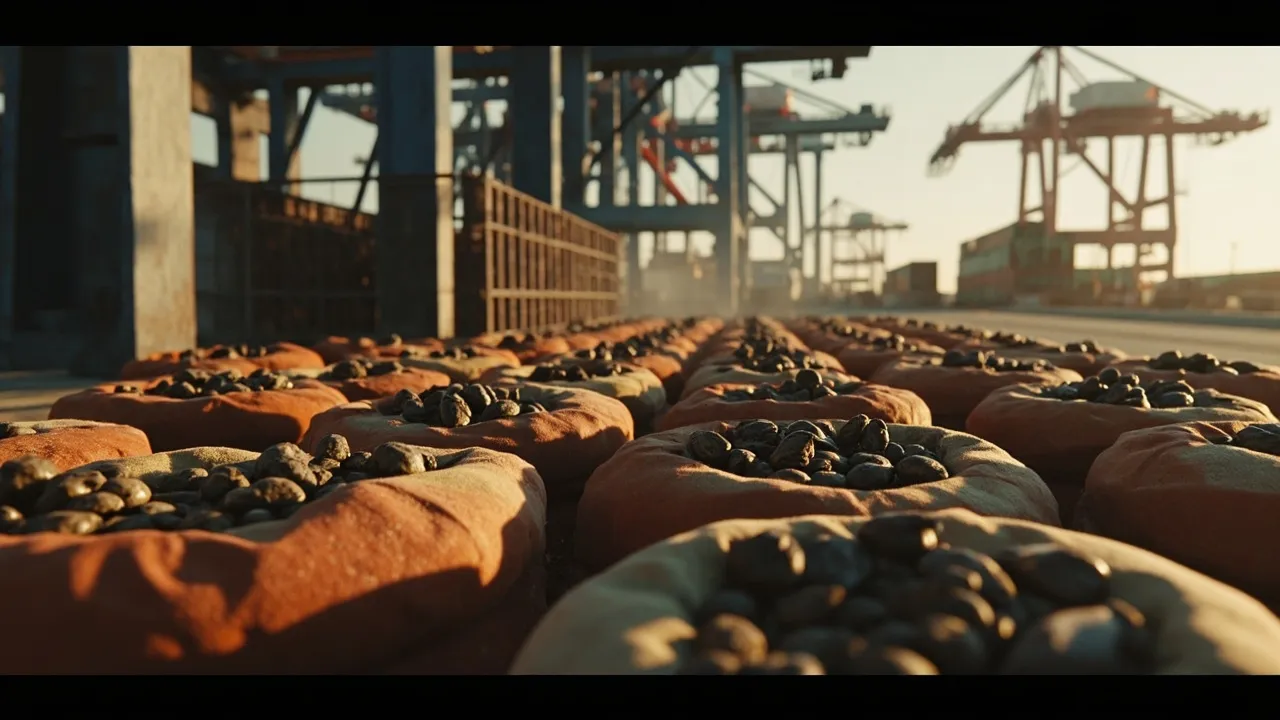
Cocoa Volatility Is a Purchase-Order Risk: Link Commodity Exposure to Freight Decisions
Turn cocoa price and supply volatility into purchase-order controls that coordinate procurement, inventory, and freight decisions.
CXTMS InsightsSeptember 25, 2026 · 5 min read
Ocean Spray's New Supply Chain Chief: The First 90-Day Operating Baseline
A practical 30/60/90-day operating baseline for a new food supply chain chief, covering forecast bias, plant attainment, inventory age, dwell, and fill rate.
CXTMS InsightsSeptember 24, 2026 · 6 min read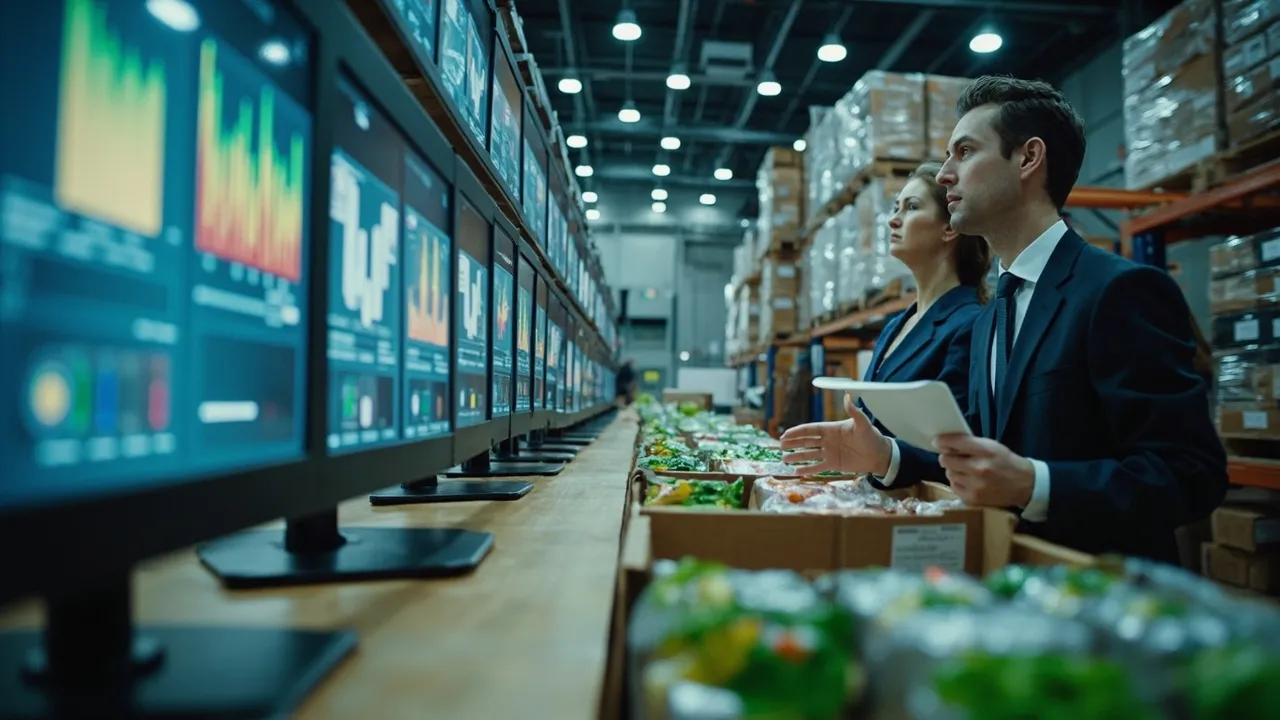
GLP-1 Drugs Could Remove 2 Million Food Truckloads: Reforecast Demand at the SKU Level
GLP-1 adoption is changing food demand unevenly. Learn how SKU-level forecasts can translate consumption shifts into production, warehousing, and freight decisions.
CXTMS InsightsSeptember 19, 2026 · 6 min read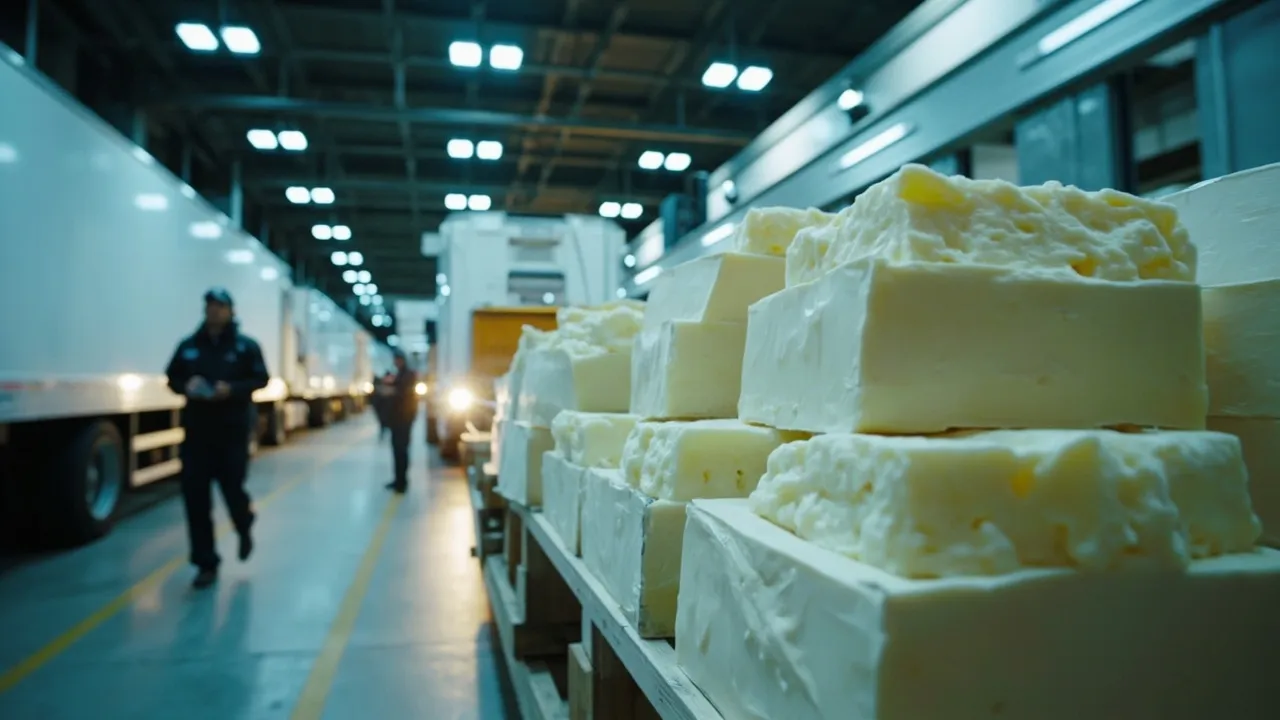
Good Culture's Scale-Up: Build a Speed-to-Shelf Control Tower for Refrigerated Foods
How refrigerated-food brands can connect lots, appointments, temperature, and remaining shelf life in a speed-to-shelf control tower.
CXTMS InsightsSeptember 17, 2026 · 6 min read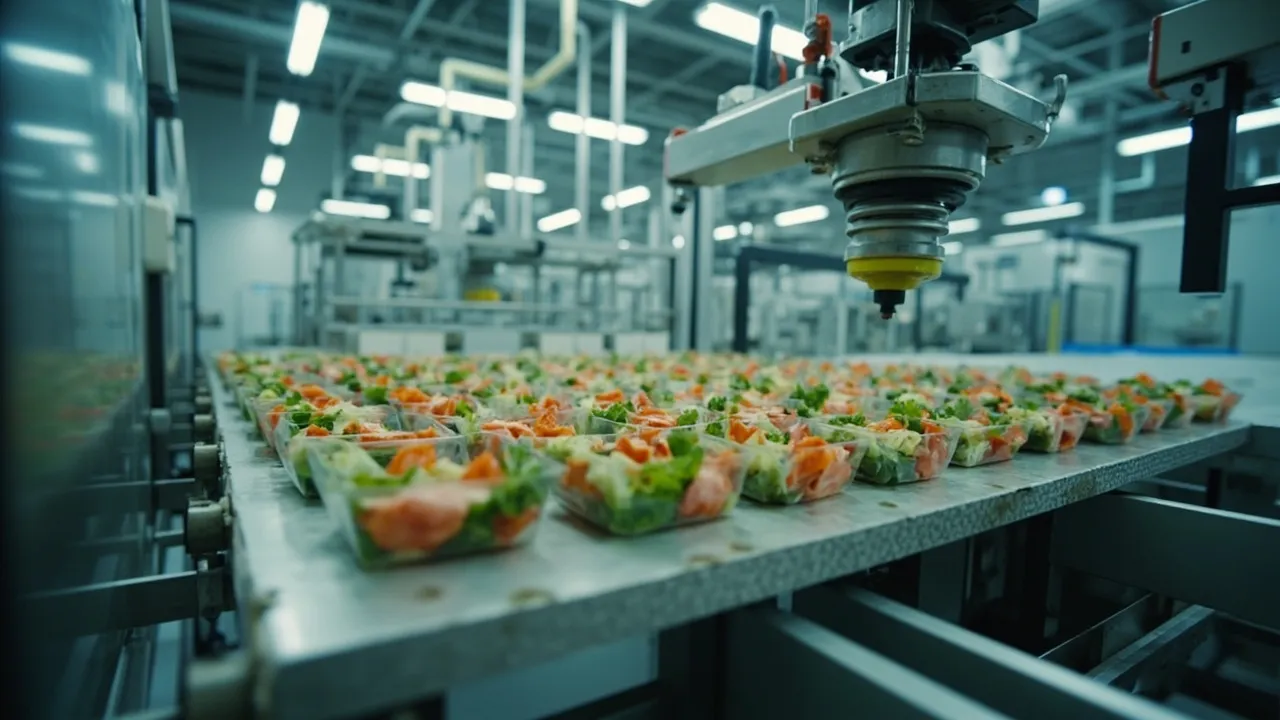
Mrs. Gerry's Packaging Automation: A Throughput Model for Prepared-Food Plants
A practical model for measuring prepared-food packaging automation across labor, changeovers, quality, shelf life, and refrigerated dispatch.
CXTMS InsightsSeptember 15, 2026 · 6 min read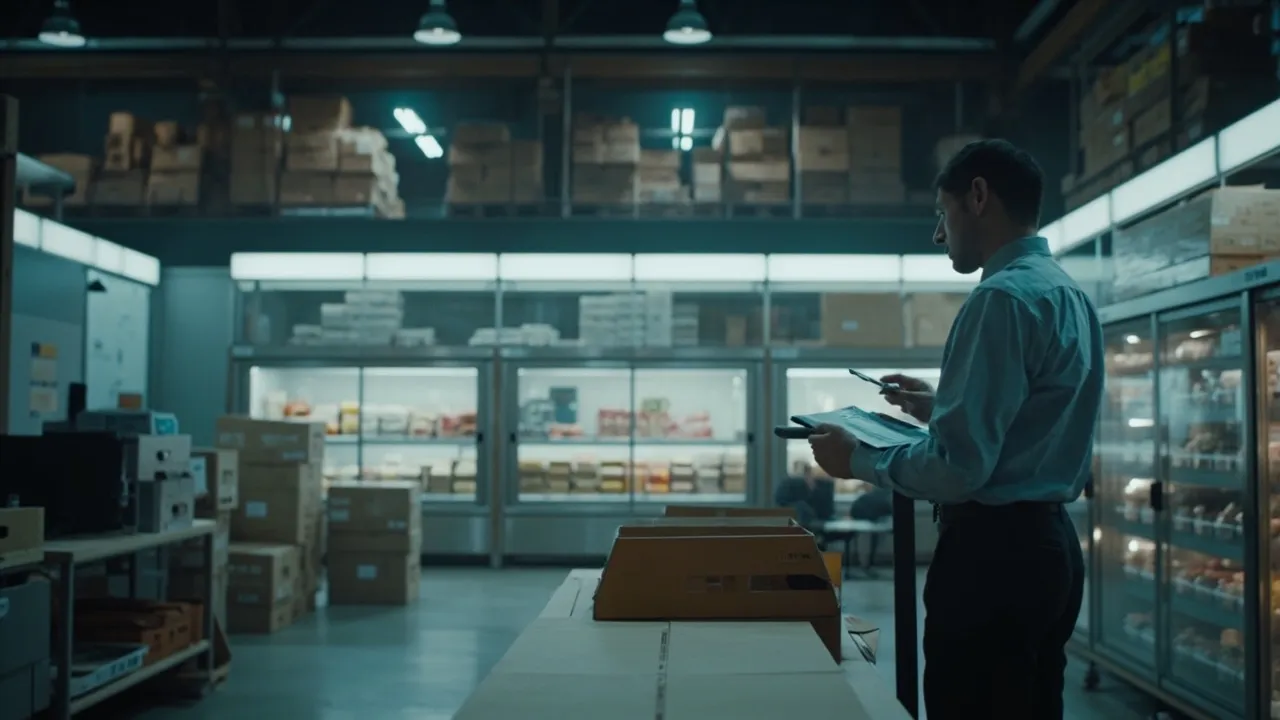
Direct Franchising Turns Restaurant Supply Chains Into a Replenishment-Control Problem
Direct franchising gives restaurant brands more supply chain control, but success depends on shared data, replenishment guardrails, and disciplined exception management.
CXTMS InsightsSeptember 14, 2026 · 6 min read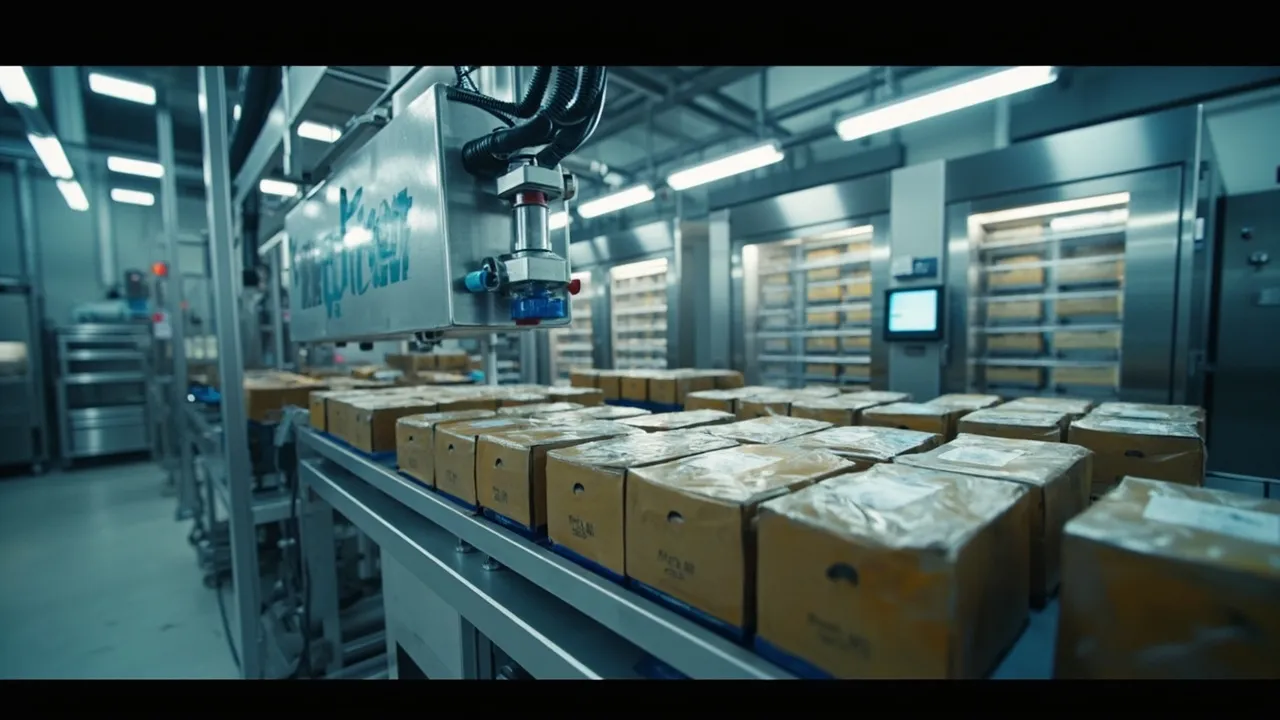
Packaging Automation for Prepared Foods: Protect Throughput Without Hiding Quality Holds
A practical operating model for automating prepared-food packaging while preserving lot traceability, quality holds, cold-chain control, and carrier coordination.
CXTMS InsightsSeptember 6, 2026 · 6 min read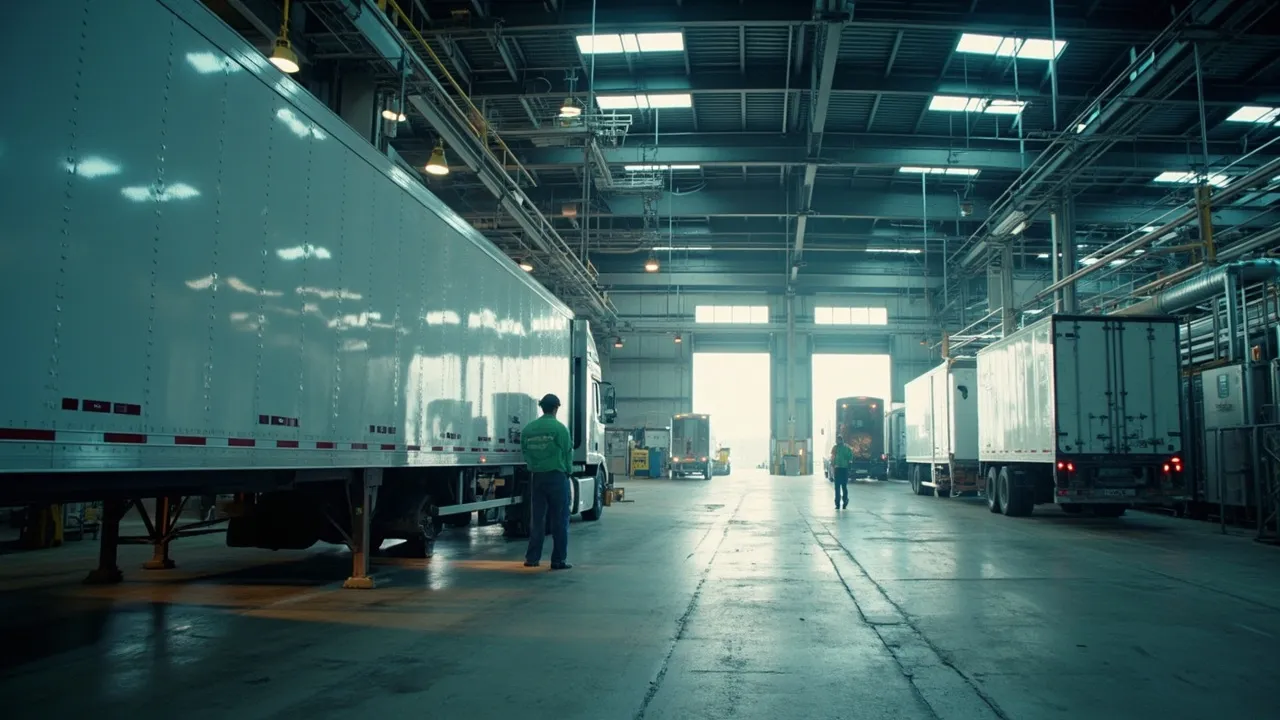
Chobani's $1.2 Billion Pennsylvania Plant Needs a Production-to-Distribution Ramp Plan
A staged production-to-distribution ramp plan for Chobani's Pennsylvania plant, aligning suppliers, cold storage, carriers, and commissioning gates.
CXTMS InsightsSeptember 5, 2026 · 6 min read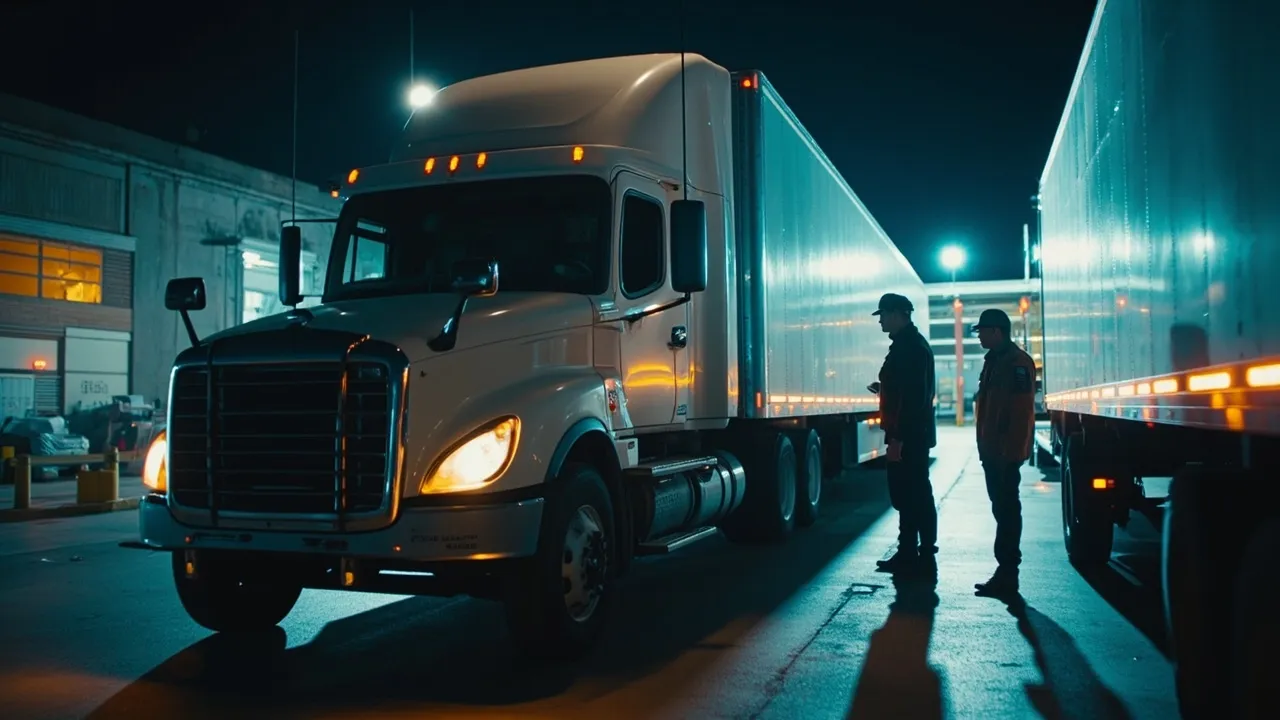
Pabst’s 40,000-Pound Beer Theft: Securing High-Volume Food and Beverage Loads
A 40,000-pound beer theft shows how food and beverage shippers can strengthen pickup verification, trailer security, geofencing, and incident response.
CXTMS InsightsSeptember 1, 2026 · 6 min read