Conagra’s $125 Million Resilience Plan Needs Operational Gates, Not One Big Capex Number

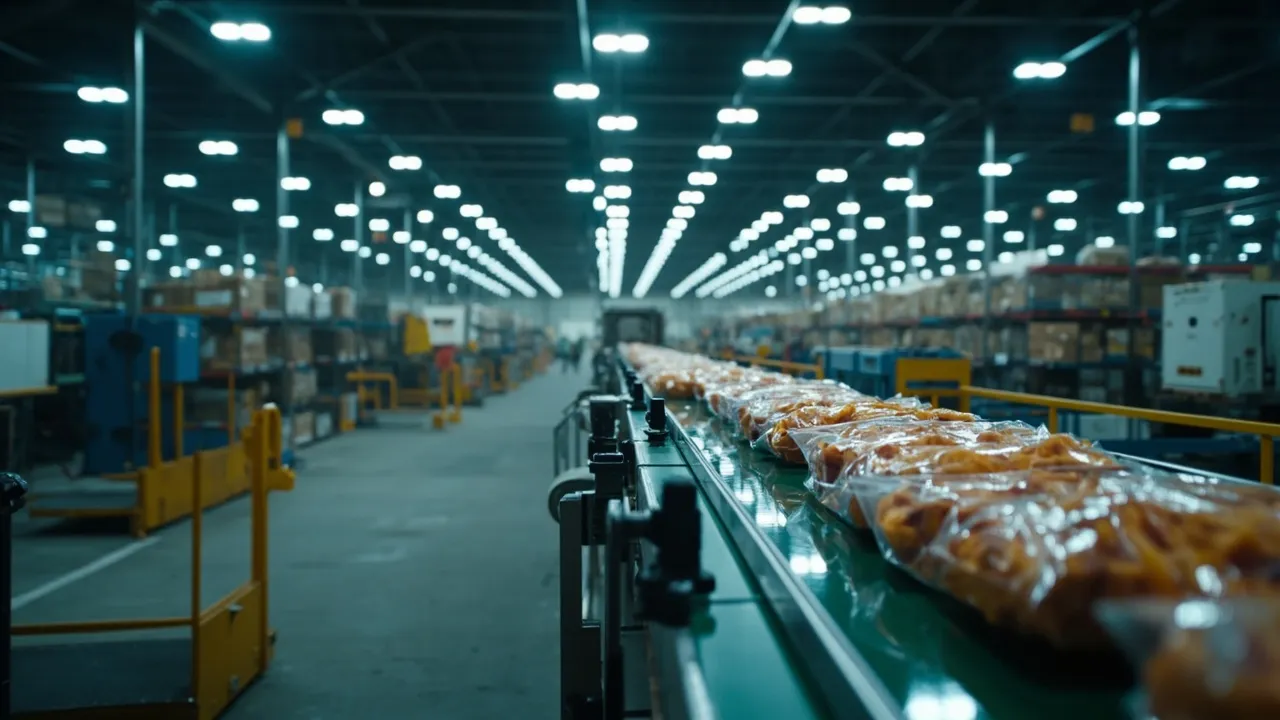
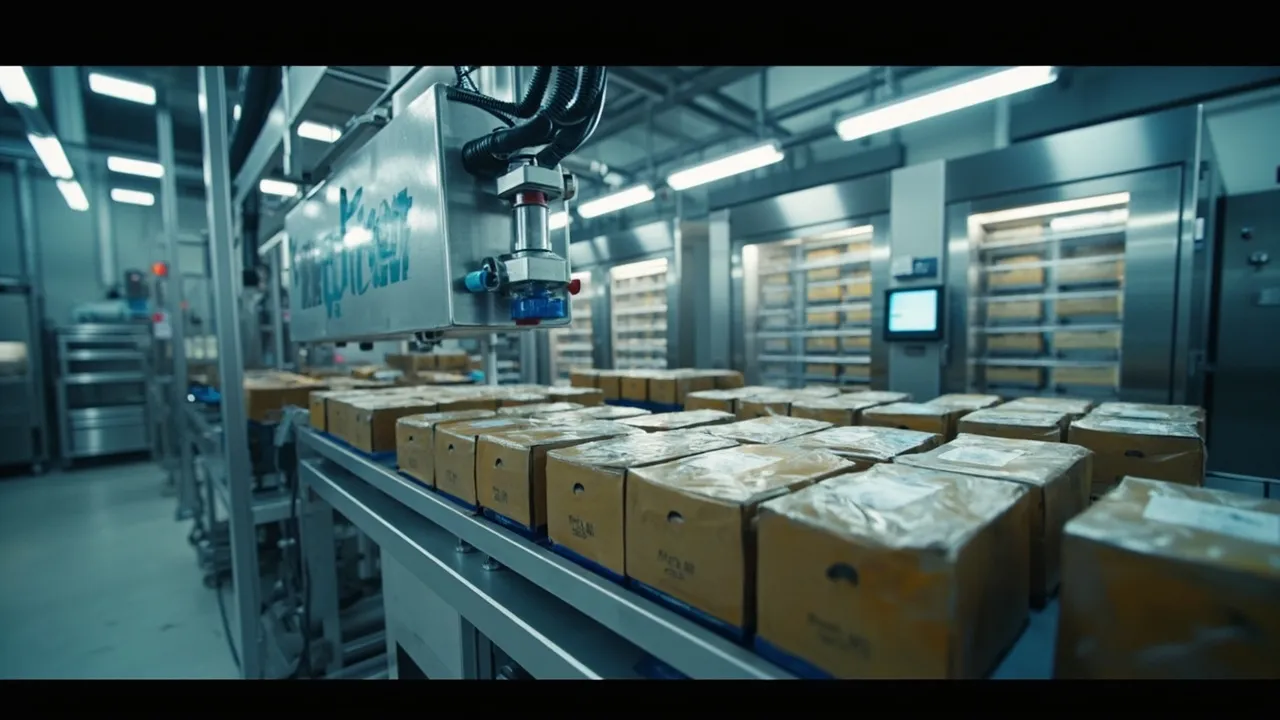
Conagra Brands plans to invest an incremental $125 million in its supply chain during fiscal 2027. That is a meaningful commitment, but the number alone does not make the network more resilient. Resilience comes from specific operating capabilities: dependable production, recoverable capacity, controlled inventory, and transportation plans that preserve customer service when conditions change.
The strongest way to govern a program of this size is not as one capital allocation. It is as a portfolio of projects that must pass operational gates before more money is released.
Translate capital into four operating outcomes
Supply Chain Dive reports that Conagra intends to use the additional capital to strengthen resilience, reduce costs by bringing more production in-house, maintain high service levels, and lower inventory and days of inventory. The company is also evaluating roughly 5,500 SKUs and expects capital expenditures to equal 4% to 5% of net sales.
Those goals establish four practical investment categories:
- Capacity: Can the network produce enough of the right items at the right locations?
- Reliability: Can plants sustain planned output and recover quickly from failures?
- Inventory: Can the company reduce working capital without creating shortages?
- Service: Can orders still ship complete and on time through the transition?
Every project should identify which category it improves, its baseline, the target result, and the time required to prove the change. A new line justified as “resilience” should not pass review without a measurable constraint it removes. An automation project should not advance based solely on theoretical labor savings if it introduces longer repair times or dependence on scarce technical support.
Gate 1: Prove the constraint before approving design
The first gate is diagnostic. Teams should demonstrate that a proposed project addresses a real network constraint rather than a local preference.
For capacity, the evidence may include sustained utilization above a defined threshold, lost sales caused by constrained output, or excessive changeover time on priority products. For reliability, it could be unplanned downtime, schedule attainment, mean time to repair, or recurring quality holds. Inventory projects should begin with item-location data showing excess stock, shortage exposure, and forecast error.
This gate also needs a clear “do nothing” baseline. If demand changes, SKU simplification, maintenance improvements, or revised scheduling can solve the problem at lower risk, heavy capital may not be the best first move. Conagra’s review of 5,500 SKUs matters here: removing low-value complexity can free capacity before new equipment is installed.
Gate 2: Validate the operating model in a controlled pilot
Once the constraint is verified, the second gate tests whether the proposed solution works in live operations. The pilot should be large enough to reveal process, labor, quality, and system problems but contained enough to correct them without putting the whole network at risk.
The scorecard should include more than equipment speed. Useful measures include:
- Good units per scheduled hour
- Overall equipment effectiveness and unplanned downtime
- First-pass yield and scrap
- Changeover duration
- Labor hours per case
- Maintenance response and spare-parts availability
- Schedule attainment
The project passes only when performance is repeatable across shifts and product families. One demonstration run under ideal conditions is not evidence of resilience.
Gate 3: Test inventory and transportation together
Production changes propagate into logistics. Bringing production in-house may alter origin points, shipment frequencies, lane volumes, appointment patterns, and warehouse space requirements. A plant project can hit its unit-cost target while increasing total delivered cost or degrading service.
Before a broader rollout, the team should model and then test the transportation consequences. That includes confirming carrier capacity on new or expanded lanes, updating routing guides, validating pallet and load configurations, and checking whether distribution centers can absorb different inbound rhythms.
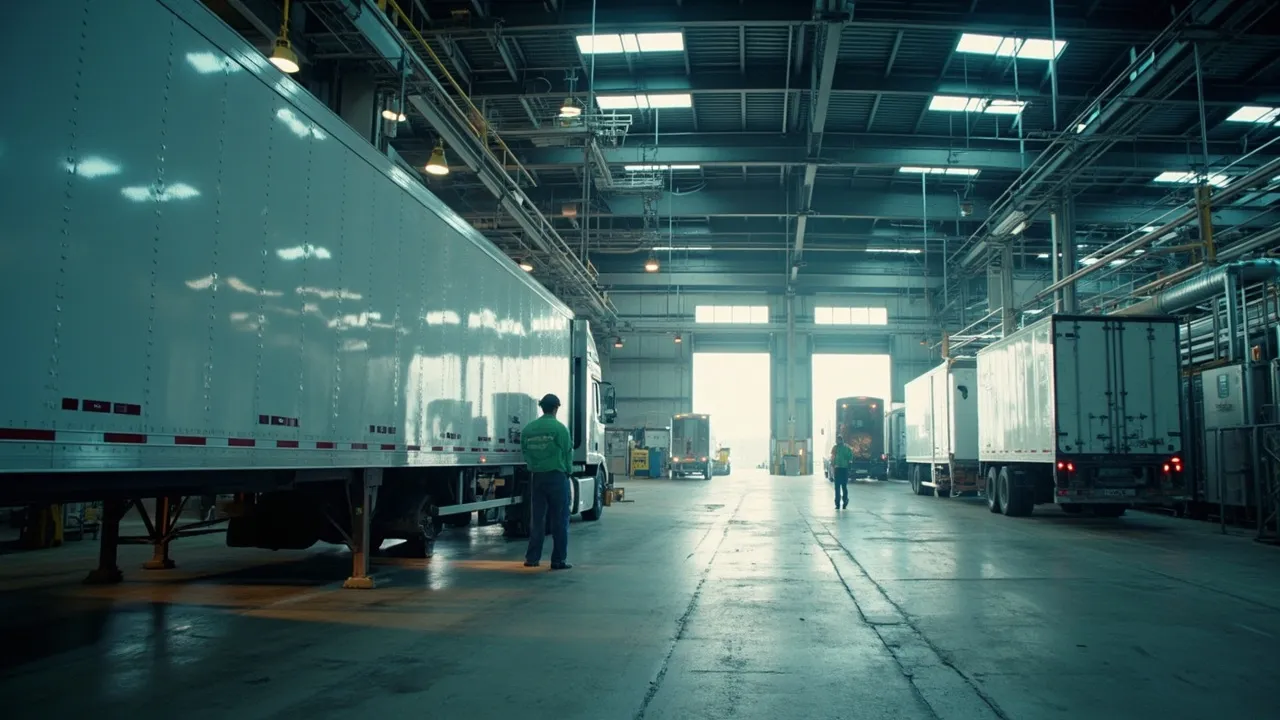
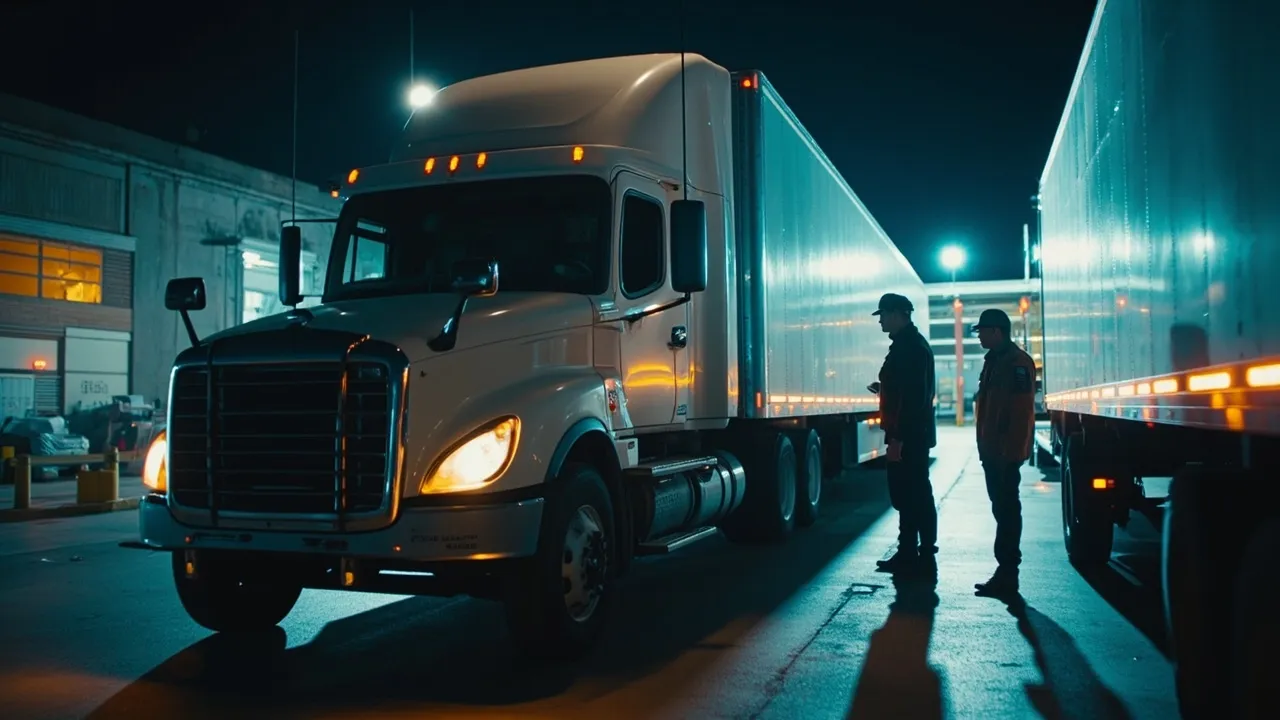
This is especially important in a volatile market. A separate Supply Chain Dive analysis highlights tightening capacity, cargo theft, fuel pressure, geopolitical conflict, and regulatory changes as continuing transportation risks in 2026. It also notes that the typical June-to-October peak shipping season remains active. Production launch dates therefore need to be sequenced against freight availability, not only construction and commissioning calendars.
Gate 3 should require a successful end-to-end trial: make the product, release it to inventory, tender the freight, deliver it, and reconcile the order. Measure on-time, in-full performance, tender acceptance, dwell, premium freight, damage, and inventory accuracy. That reveals costs and failure points that a plant-only review misses.
Gate 4: Release rollout capital against recovery performance
The final gate should ask whether the new capability performs under stress. A resilient operation is not one that never fails; it is one that detects a failure, contains the impact, and restores service within a defined time.
Teams can run structured scenarios such as a critical-machine outage, labor shortfall, supplier delay, refrigeration failure, carrier rejection, or sudden demand spike. Each project should have a recovery-time objective and a recovery-point objective: how quickly service returns and how much production or data can be lost without harming customers.
Rollout capital should be released only when contingency procedures have named owners, alternative capacity has been validated, system master data is correct, and operations can demonstrate recovery. For high-risk launches, a parallel run or temporary inventory buffer may be justified. The buffer should have an expiration rule so temporary protection does not become permanent excess.
A practical resilience stage-gate scorecard
Executives can govern the portfolio with a short, consistent scorecard:
| Gate | Required proof | Release decision |
|---|---|---|
| Constraint | Baseline loss, root cause, alternatives assessed | Fund design |
| Pilot | Repeatable throughput, quality, labor, and uptime | Fund integration |
| Network | Inventory, warehouse, transportation, and service trial | Fund rollout |
| Recovery | Stress test, contingency ownership, recovery targets met | Scale and close |
Each gate should also report forecast versus actual capital, expected annual benefit, risk remaining, and the next irreversible commitment. This keeps leaders focused on evidence before sunk costs make a weak project politically difficult to stop.
The $125 million headline communicates intent. Operational gates turn that intent into reliable production and customer service. By linking plant investments to inventory, transportation, and recovery metrics, Conagra can build a supply chain that is not merely more automated or internally controlled, but demonstrably more resilient.
Ready to connect capital planning with transportation execution? Request a CXTMS demo to see how centralized shipment planning, carrier management, and operational visibility can protect service during network change.