Packaging Automation for Prepared Foods: Protect Throughput Without Hiding Quality Holds

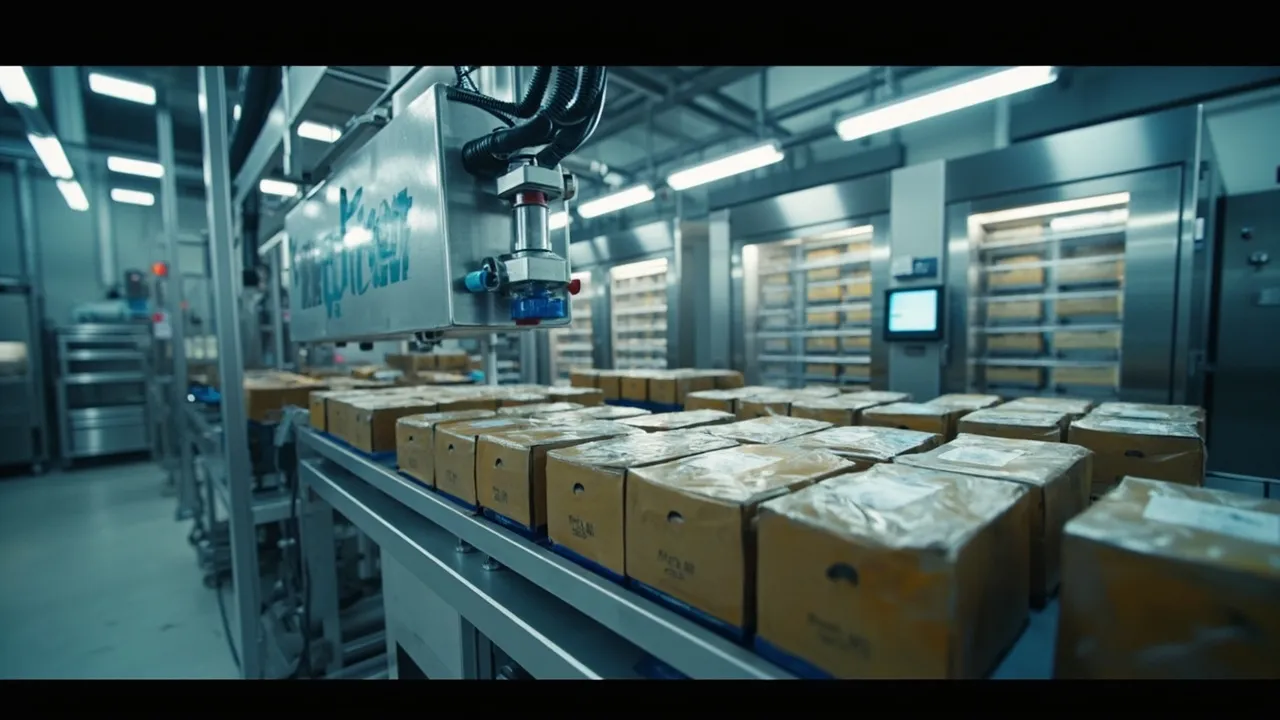
Prepared-food manufacturers often discover the same constraint as demand grows: cooking and chilling can keep pace, but manual case packing and palletizing cannot. Automating that final stretch can release substantial capacity. It can also move incorrectly labeled, temperature-exposed, or unreleased product faster than people can contain it.
The goal is therefore not maximum machine speed. It is maximum released throughput: finished goods that have passed the required checks, carry the correct identity, remain within cold-chain limits, and are ready for the warehouse and carrier.
A recent prepared-food project shows the scale of the opportunity. Modern Materials Handling reports that Minnesota-based Mrs. Gerry's replaced a hand-packed process requiring as many as 12 employees with an automated line requiring two or three. The system supports approximately 36 million pounds of refrigerated salads and side dishes annually and reached full production within 10 days of installation.
Those are compelling results. But replicating them requires treating packaging, food safety, warehousing, and transportation as one controlled flow.
Measure the whole constraint, not the robot
An automated line may orient bags, erect cases, pack, seal, label, and palletize continuously. Its advertised rate is only one term in the real capacity equation. Available output also depends on upstream product arrival, planned changeovers, sanitation windows, inspection time, operator coverage, cold-room space, and warehouse evacuation capacity.
Build a shift-level capacity model around five variables:
- Sustained rate: good cases per minute under normal product mix, not short test-run speed.
- Changeover loss: minutes from the last conforming unit of one SKU to the first conforming unit of the next.
- Sanitation loss: planned cleaning plus verification and release time.
- Quality loss: cases isolated for weight, seal, label, allergen, temperature, or foreign-material exceptions.
- Downstream constraint: pallet positions, staging space, lift-truck or conveyor capacity, and scheduled trailer availability.
This matters for prepared foods because variety is often the business model. Mrs. Gerry's can switch between two-pound and five-pound bags, and the source notes that several product changes may occur in a day. A high-speed line that needs long, fragile changeovers could produce less saleable output than a slower but flexible configuration.
Measure cases per scheduled hour alongside first-pass yield, changeover duration, sanitation-release duration, and blocked-time minutes. If the palletizer stops because refrigerated staging is full, the packaging machine is not the constraint—the warehouse or pickup plan is.
Make every case inherit its production identity
Automation should strengthen traceability, not create a data gap between the production line and warehouse. At the point of packing, every case should inherit the SKU, lot or batch, production timestamp, use-by date, packaging specification, and allergen profile from the active production order.
The label verifier should compare printed data with that order, not merely confirm that a barcode can be read. A readable label can still contain the wrong SKU, date, or lot. Record the label template version and verification result with each case or controlled case range.
Pallet aggregation is equally important. When cases are assigned to a pallet, the system should preserve the case-to-pallet relationship and prevent incompatible lots or statuses from being combined unless a documented rule allows it. That hierarchy makes a later recall or investigation precise: operators can locate affected pallets and shipments without freezing every unit made during a broad time window.
Treat a quality hold as a hard status
Fast equipment needs an equally fast containment mechanism. Define hold triggers before commissioning: failed seal inspection, checkweigher deviation, metal-detector rejection, incorrect label, incomplete sanitation verification, temperature excursion, or a pending laboratory result.
Each trigger should create a digital event containing the time, line, SKU, lot, reason code, affected quantity, physical location, and responsible reviewer. The event must change inventory status immediately. Held product may occupy a warehouse location, but it is not available-to-promise, allocatable, pickable, or loadable.
Use physical controls as well as software. Divert suspect cases to a secured lane, apply a conspicuous hold identifier, and require an authorized disposition before they rejoin normal flow. The disposition should be explicit—release, rework, relabel, destroy, or investigate further—and retain the reviewer and evidence.
This distinction is critical because production count is not inventory availability. Reporting 1,000 cases packed when 120 remain on hold creates false confidence for sales and transportation teams. Dashboards should show packed, inspected, released, held, and scrapped quantities separately.
Keep cold-chain evidence attached to the flow
Prepared foods can remain visually perfect while temperature exposure reduces shelf life or creates a safety risk. Capture temperature observations at meaningful handoffs: exit from the chiller, packaging entry, pallet completion, cold-storage receipt, staging, and trailer loading.
Food Logistics notes that continuous temperature monitoring can improve quality and food safety, while automation moves people away from cold, repetitive work. The operational value comes from connecting those readings to lots, pallets, locations, and elapsed time—not from collecting an isolated stream of sensor data.
Configure excursion rules by product rather than applying one universal threshold. When a reading violates a rule, automatically place the relevant inventory scope on hold and route the event for review. Do not wait for a nightly interface or a manual spreadsheet reconciliation.
Release inventory into the transportation plan
Packaging completion should update the logistics plan in stages. A pallet-complete event can reserve cold-storage capacity, but only a quality-release event should make it available for allocation. That release should then update order readiness, dock workload, and the carrier pickup forecast.
Use projected released quantity—not scheduled production—to confirm appointments. If a quality hold threatens an order, the transportation team needs the affected quantity, required ship time, alternate released inventory, and next review time. It can then delay a pickup, split an order, substitute an approved lot, or protect scarce refrigerated capacity before a driver arrives.
Track the handoff with four measures: percentage of pallets released before the loading cutoff, carrier dwell caused by product readiness, temperature compliance at load, and shipments changed after carrier confirmation. These metrics expose whether added packaging speed is creating value across the network or merely shifting congestion downstream.
Automate the control loop, not just the motion
The strongest packaging projects connect equipment signals with production orders, quality decisions, warehouse status, and transportation commitments. Operators still make judgment calls, but they do so from a shared record and with clear authority.
CXTMS connects released inventory, shipment milestones, carrier appointments, and exceptions so logistics teams can respond when packaging output or quality status changes. That turns automation speed into dependable customer service without allowing held product to disappear inside an aggregate inventory number.
Request a CXTMS demo to connect prepared-food production releases with warehouse and transportation execution.