Warehouse Automation
72 posts tagged with “Warehouse Automation”
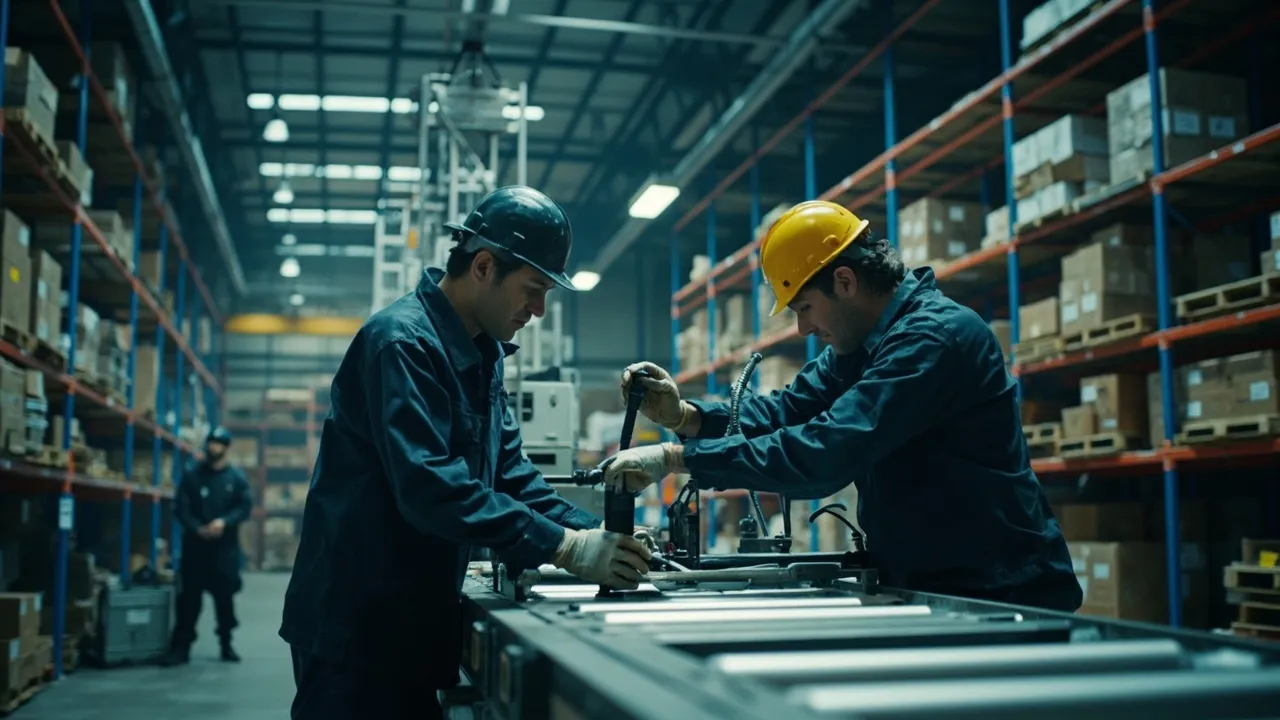
Warehouse Automation Is Ticking Up: Budget the Service Capacity Before the Equipment
Warehouse automation delivers value only when service capacity keeps it running. Learn how to budget technicians, spares, software support, and recovery plans.
 CXTMS InsightsSeptember 21, 2026 · 6 min read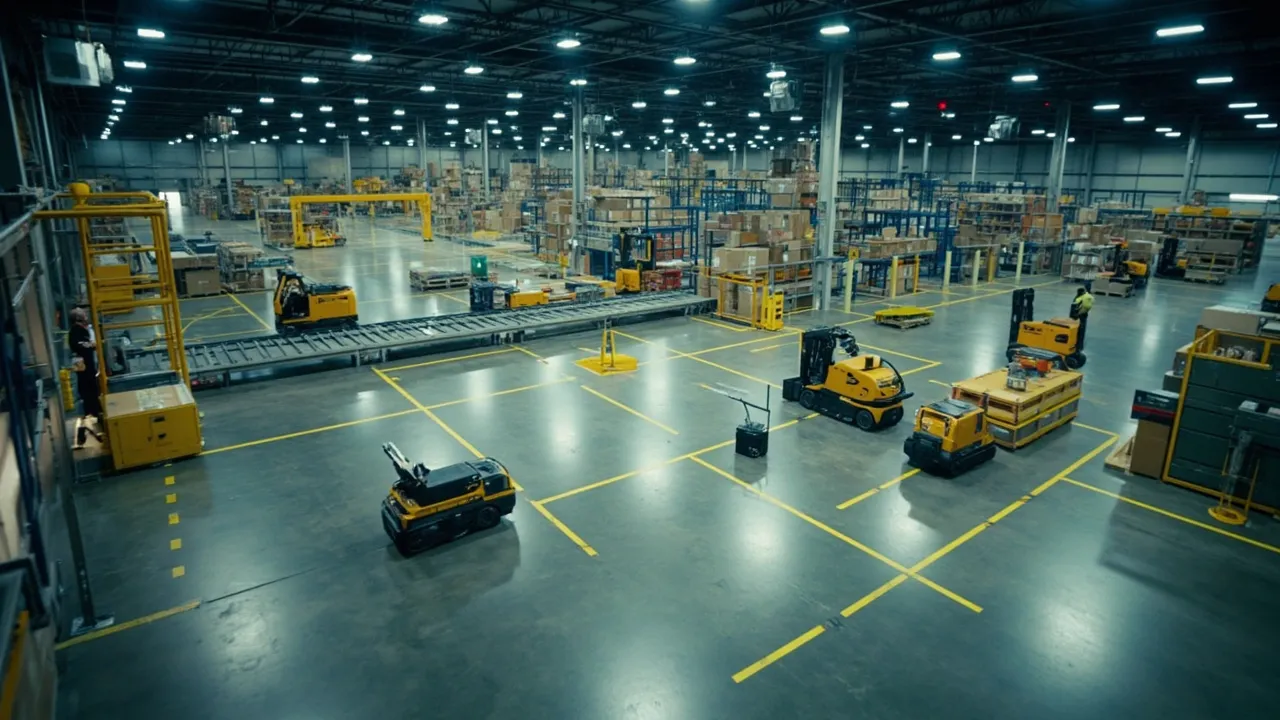
Physical AI in Warehouses Needs a Shared Safety State Across Robots, Conveyors, and People
Learn how a shared safety state coordinates warehouse robots, conveyors, lift trucks, and people without sacrificing throughput or recovery speed.
CXTMS InsightsSeptember 20, 2026 · 5 min read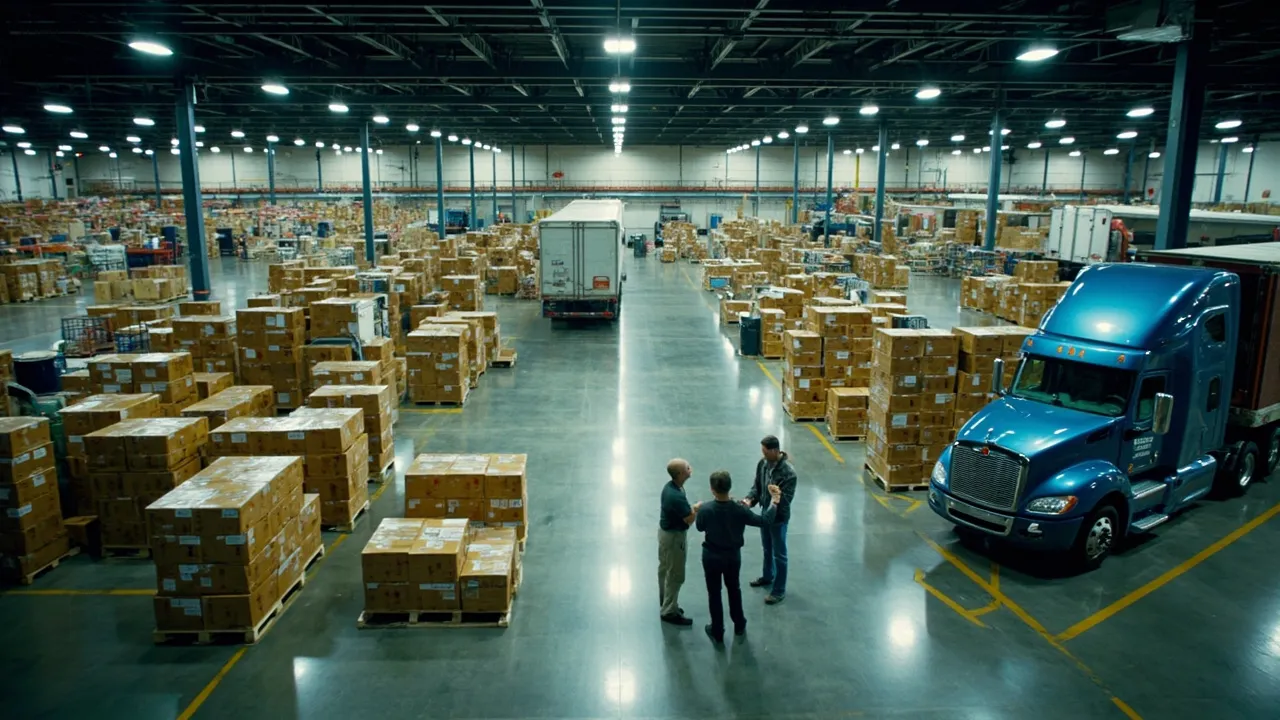
UNFI Consolidates Midwest Distribution: Sequence the Warehouse Cutover Before Automation
Use gated inventory, customer, transportation, and automation waves to protect service during a distribution center consolidation.
CXTMS InsightsSeptember 18, 2026 · 6 min read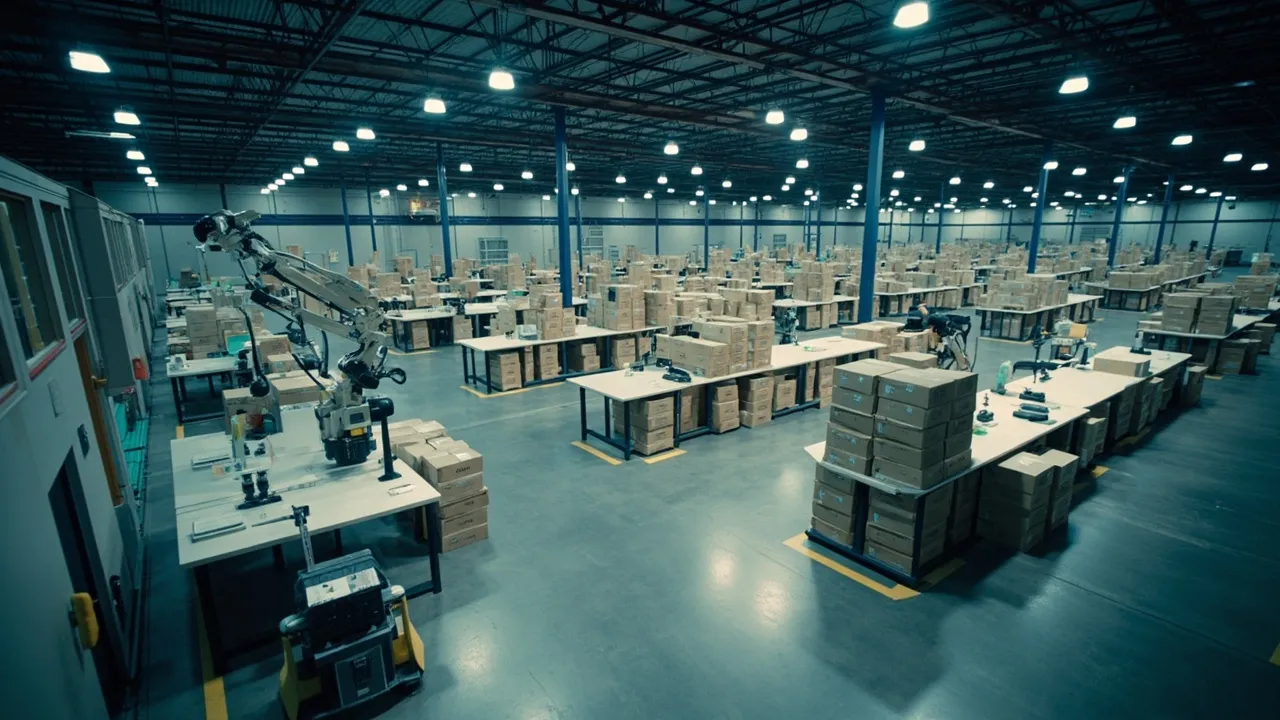
Shein's 737,000-Square-Foot Indiana Distribution Center: A Goods-to-Person Launch Scorecard
A practical launch scorecard for Shein's new Indiana distribution center, covering throughput, inventory accuracy, downtime, order cycles, inbound flow, and parcel capacity.
CXTMS InsightsSeptember 15, 2026 · 6 min read
Warehouse Automation Vendors Can Fail Too: Add Financial Continuity to Project Governance
A practical governance framework for protecting warehouse automation projects from integrator restructuring, insolvency, and service disruption.
CXTMS InsightsAugust 30, 2026 · 5 min read
Robotic Picking Will Nearly Triple by 2030: Why Depalletizing Is the First Capacity Test
Robotic picking is forecast to reach $4.6 billion by 2030. Learn why depalletizing is the practical first test for warehouse automation capacity.
CXTMS InsightsAugust 26, 2026 · 6 min read
North American Robot Orders Rose 4.3%: Segment the Automation Queue by Application Risk
Turn rising robot demand into a disciplined automation portfolio by ranking warehouse projects for application risk, integration load, and fallback readiness.
CXTMS InsightsAugust 18, 2026 · 6 min read
Four-Way Shuttle Warehouses Need an Interface Capacity Budget
Learn how to budget WMS, WCS, conveyor, lift, and exception-handling capacity so four-way shuttle warehouses deliver end-to-end throughput.
CXTMS InsightsAugust 17, 2026 · 6 min read
Packout Is the Forgotten Automation Bottleneck at the End of the Warehouse Line
Warehouse automation can accelerate picking while leaving packout overwhelmed. Learn how to measure and redesign the end of the line around shipped orders.
CXTMS InsightsAugust 14, 2026 · 6 min read
When Automated Frozen Warehouses Get Canceled: A Cold-Chain Automation Exit Plan
A practical exit plan for automated frozen warehouses covering inventory transfer, customer service, labor, equipment, and temperature-controlled transport.
CXTMS InsightsAugust 12, 2026 · 6 min read