A U.S. Ban on Foreign Humanoid Robots Creates a Warehouse Automation Country-of-Origin File

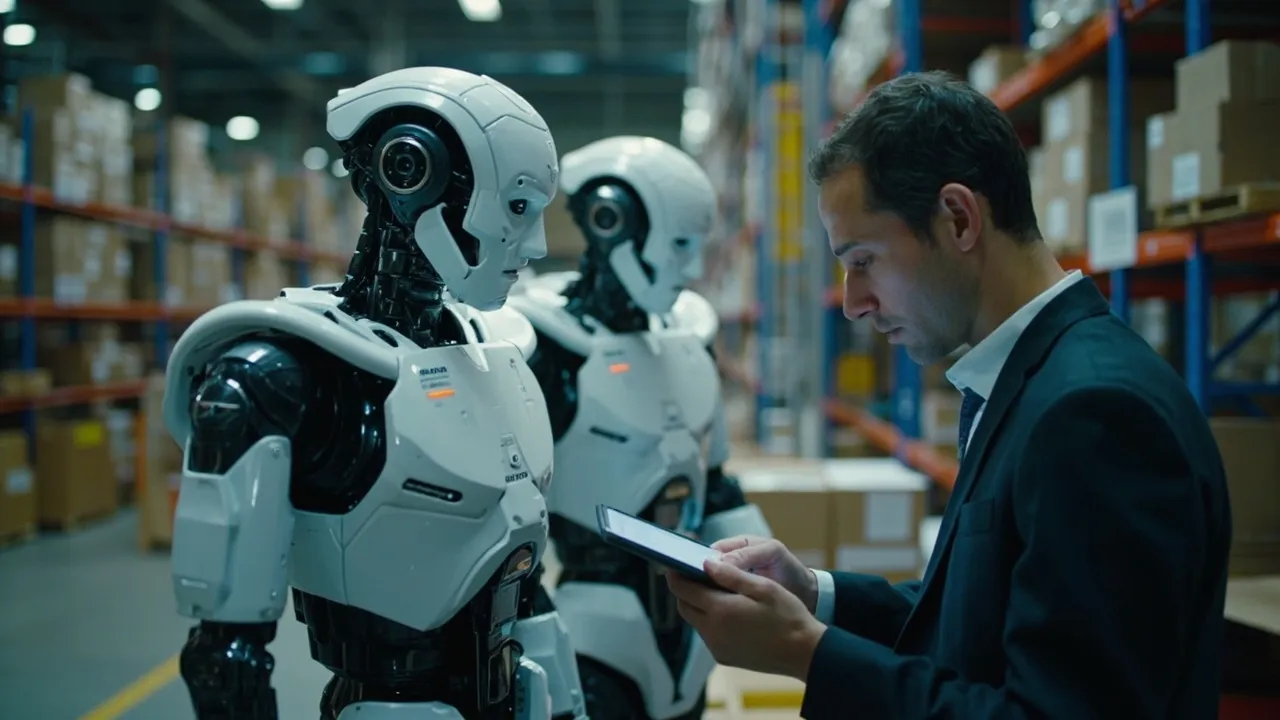
Warehouse automation buyers can no longer treat a robot's country of origin as a single field copied from an invoice. A reported U.S. ban on new foreign-made humanoid robot imports turns origin into an operating question: where were the robot, controller, battery, sensors, software, and critical replacement parts actually made, and what happens if any one of them cannot cross the border?
SupplyChainBrain reports that the United States announced the ban on July 28, citing “unacceptable risks” to national security. A subsequent SupplyChainBrain report says China denounced the action and threatened retaliation. Whatever the precise implementation details become, warehouse operators should respond with evidence and contingencies rather than assumptions.
The exposure is not theoretical. Reuters reported in April 2026 that China accounted for more than 80% of the 16,000 humanoid robots installed worldwide in 2025. The market is still small compared with conventional industrial automation, but its supplier concentration makes restrictions consequential for pilots, expansion programs, and service inventories.
One robot can contain several origin decisions
A purchase order may identify one manufacturer and one country, yet a humanoid robot is an assembly of independently sourced systems. The frame and actuators may come from one country, the vision sensors and processor from another, and the battery cells from a third. The controller could be assembled elsewhere again. Software may be developed, hosted, updated, or remotely supported across multiple jurisdictions.
For every automation asset, procurement and compliance teams should build a component-level country-of-origin file containing:
- manufacturer, supplier, model, serial number, and harmonized tariff classification;
- country of manufacture and country of final assembly;
- origin of controllers, batteries, actuators, cameras, lidar, processors, and communications modules;
- software publisher, hosting region, update path, remote-access privileges, and license dependencies;
- importer of record, entry number, commercial invoice, certification, and customs ruling where applicable;
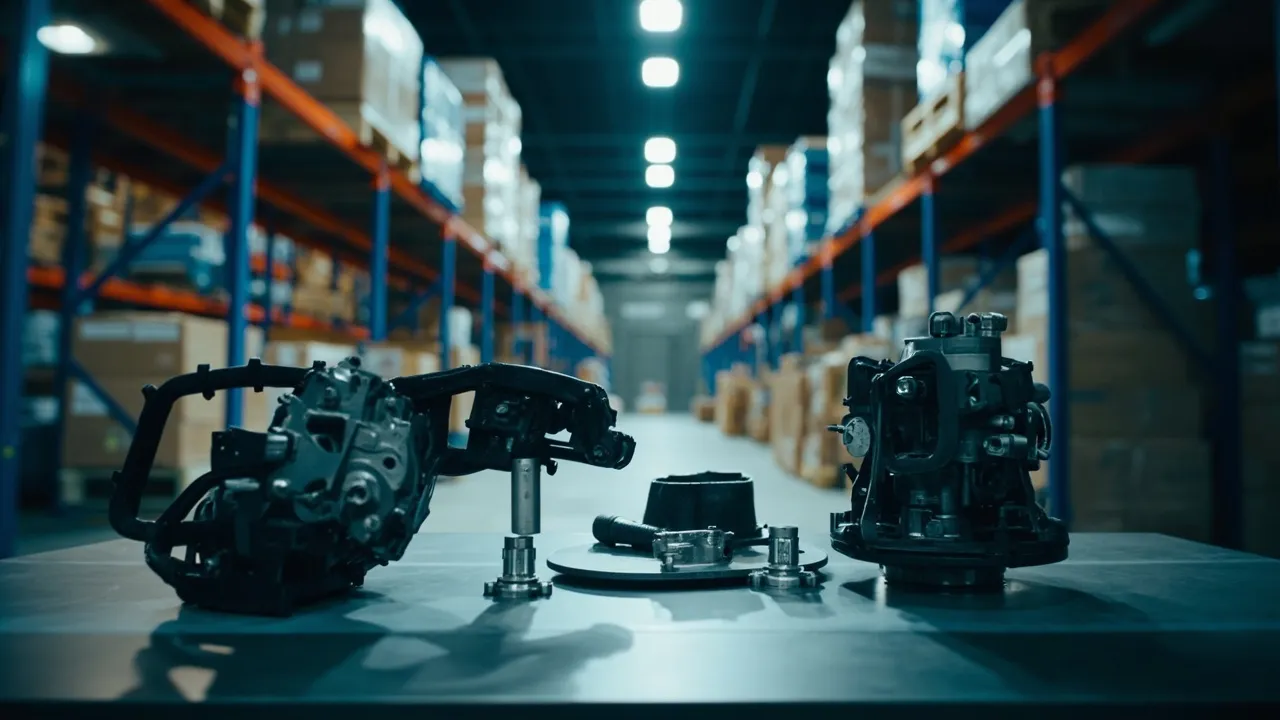
- warranty provider, authorized service locations, approved substitutes, and stocked spare parts.
This is not paperwork for paperwork's sake. A customs hold on a complete robot is visible. A delayed replacement controller is harder to anticipate and can immobilize an installed asset just as effectively.
Separate installed equipment from future supply
Operators should divide exposure into at least four buckets: installed units, ordered but not imported units, planned purchases, and service parts. Each bucket has a different response.
Installed equipment requires a legal and cybersecurity review, but the immediate operational issue is continuity. Confirm whether the supplier can still provide remote support, security patches, cloud services, batteries, and repairs. Identify parts whose failure would stop the unit and compare their lead times with on-site inventory.
Robots already ordered require a shipment-level review. Record the purchase date, production status, current location, expected port of entry, importer of record, and contractual responsibility if entry is denied. Avoid treating a vendor's assurance as a substitute for the governing order or customs guidance.
Planned purchases need alternative-source scenarios. Compare domestic and permitted foreign suppliers against task capability, safety certification, integration effort, service coverage, data governance, and total landed cost. A substitute robot that cannot interface with the warehouse management system or safely execute the intended workflow is not a genuine substitute.
Service parts deserve their own bill of materials. A policy covering “new robots” may not affect every component in the same way, but classifications and scope can change. Mapping parts before a failure is far cheaper than discovering dependencies during an outage.
Build contingencies around operational consequences
A useful contingency plan starts with the warehouse process, not the supplier catalog. For each robot, document the tasks performed, throughput contribution, downstream dependencies, and maximum tolerable downtime. Then define a fallback: manual labor, conventional automation, another robot class, or rerouting volume to another facility.
Set triggers for action. A customs examination, canceled firmware service, supplier notice, component lead-time increase, or retaliatory trade measure should automatically prompt review. Assign an owner for compliance interpretation and another for operational recovery. Their responsibilities overlap, but they are not identical.
Contracts should address denied entry, regulatory change, parts availability, data access, source-code escrow where appropriate, and the right to use qualified third-party service. Procurement teams should also price the working capital needed for strategic spares. The cheapest unit price can become expensive when a proprietary component has no accessible replacement.
Treat software and data as supply-chain dependencies
Humanoid robots combine physical movement with cameras, microphones, connectivity, and AI models. Origin analysis therefore cannot stop at hardware. Warehouses should know where operational data travels, who can access it, how remote commands are authenticated, and whether the robot remains usable if a foreign cloud service becomes unavailable.
Reuters described China's ambition to move humanoid robots toward mass production and reported that 123 million people worked in Chinese manufacturing in 2023. That scale helps explain why governments see humanoid robotics as strategic industrial capacity, not merely material-handling equipment. It also means future restrictions may focus on chips, models, data, or communications components rather than only finished machines.
Maintain a software bill of materials, update history, access log, and documented offline operating mode. Test the offline mode; a checkbox in a specification is not proof that a shift can continue without the vendor's cloud.
Connect the asset file to logistics execution
Country-of-origin records are most useful when they connect directly to purchasing, inbound shipments, customs documents, receiving, asset location, warranty dates, and spare-parts inventory. A disconnected compliance spreadsheet becomes stale as soon as a component is replaced.
CXTMS can provide the shipment and document backbone for that control. Teams can associate automation purchases and service parts with suppliers, origin evidence, inbound milestones, customs references, facility destinations, and exception workflows. When a controller is delayed or a substitute battery ships, the operational record stays connected to the asset and its continuity plan.
The practical goal is simple: know which warehouse processes depend on which equipment, which components keep that equipment running, and which borders and suppliers stand between the facility and a replacement. Policy uncertainty is unavoidable. An untraceable automation supply chain is not.
Ready to connect automation procurement, inbound visibility, and compliance evidence in one workflow? Request a CXTMS demo and build a country-of-origin record that can support both customs review and warehouse continuity.