Trade Compliance
61 posts tagged with “Trade Compliance”

Canada–U.S. Tariff Volatility Needs a Customs Scenario Version
A versioned customs scenario keeps tariff dates, HS codes, origin rules, exemptions, and landed-cost assumptions synchronized across cross-border operations.
 CXTMS InsightsOctober 14, 2026 · 6 min read
IEEPA Tariff Class Action: Build the Entry-Level Evidence File Before Refund Claims Open
A new IEEPA tariff class-action ruling raises the stakes for importers. Build an entry-level evidence file that can support refund review and reconciliation.
CXTMS InsightsOctober 10, 2026 · 6 min read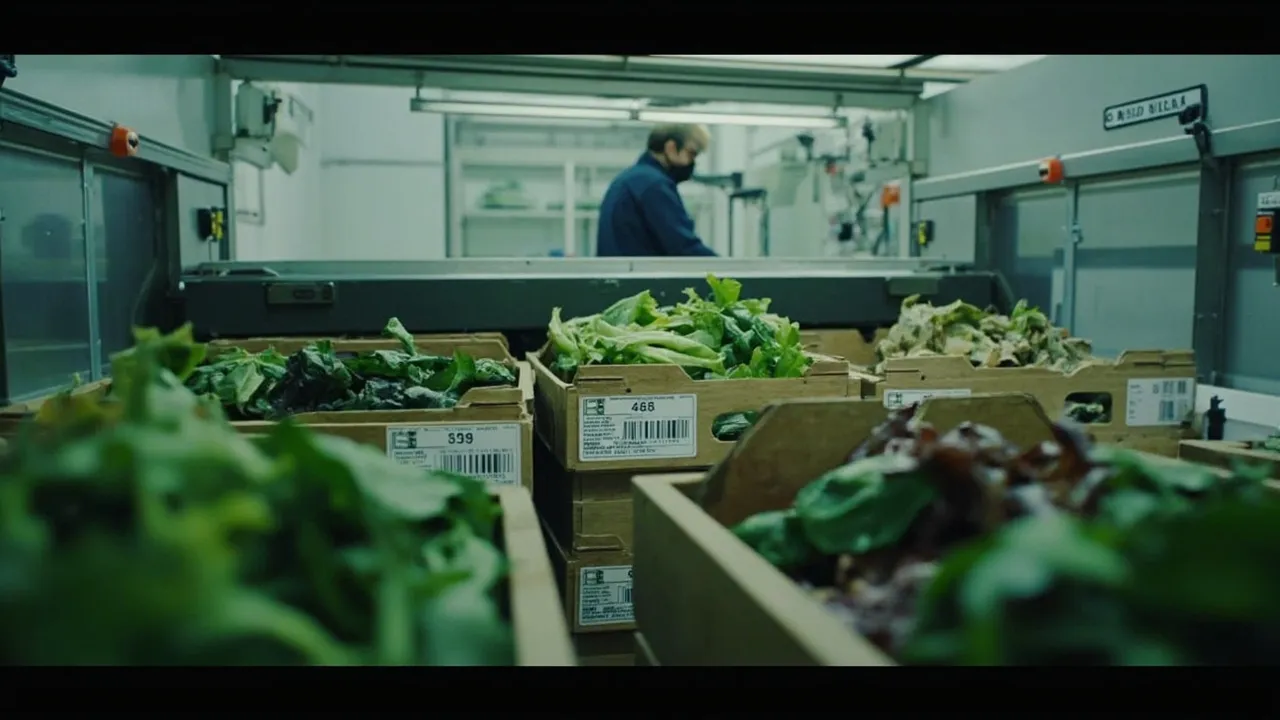
Fresh Produce Trade Compliance: Make Every Vegetable Shipment Lot-Auditable
A practical guide to linking phytosanitary documents, temperature records, inspections, holds, and partial releases to every imported produce lot.
CXTMS InsightsOctober 5, 2026 · 6 min read
The U.S.–China Trade Truce Runs to January: Build a Purchase-Order Expiry Clock
Turn the January 10 U.S.–China trade-truce deadline into a purchase-order clock that exposes tariff risk before production, booking, and customs milestones slip.
CXTMS InsightsSeptember 26, 2026 · 6 min read
Plastics Tariffs Are Creating a Resin-to-Packaging Landed-Cost Blind Spot
Learn how to trace plastics tariffs from resin through converted packaging and validate supplier price increases with a part-level landed-cost model.
CXTMS InsightsSeptember 24, 2026 · 6 min read
CBP Expands IEEPA Tariff Processing in October: Build an Entry-Level Readiness Check
Prepare import entries for CBP's October CAPE expansion with controls for classification, origin, value, liquidation status, and refund evidence.
CXTMS InsightsSeptember 18, 2026 · 6 min read
Canada–EU Strategic Supply Chains Need a Corridor-Level Customs and Capacity Map
A practical guide to mapping customs, origin, security, port, rail, air, and project-cargo constraints across emerging Canada–EU strategic supply chains.
CXTMS InsightsSeptember 14, 2026 · 6 min read
France’s Fast-Fashion Fees: Recalculating Cross-Border E-Commerce Landed Cost
France’s new ultra-fast-fashion levies make item classification, fee versioning, and auditable landed-cost calculations essential for cross-border sellers.
CXTMS InsightsSeptember 2, 2026 · 6 min read
Trade Compliance Specialists Need Shipment Data, Not Another Spreadsheet
Give trade compliance specialists versioned shipment data, structured exception queues, and audit-ready evidence instead of disconnected spreadsheets.
CXTMS InsightsAugust 30, 2026 · 6 min read
U.S.-Canada Trade War: Build a Commodity-Level Sourcing Exposure Map
A commodity-level sourcing exposure map helps logistics teams quantify U.S.-Canada tariff costs, secondary constraints, and alternate-sourcing triggers.
CXTMS InsightsAugust 29, 2026 · 5 min read