Ocean Freight
111 posts tagged with “Ocean Freight”

Port of Oakland Volume Fell 10%: Rebuild the Gateway Forecast From Vessel Calls Up
A practical framework for turning Oakland vessel calls, container mix, and inland capacity signals into a more reliable gateway forecast.
 CXTMS InsightsSeptember 26, 2026 · 6 min read
China’s Busiest Port Week: Separate Export Surges From Sustainable Capacity Demand
A weekly signal framework for distinguishing tariff-driven export pulses from durable ocean capacity demand at China’s ports.
CXTMS InsightsSeptember 25, 2026 · 6 min read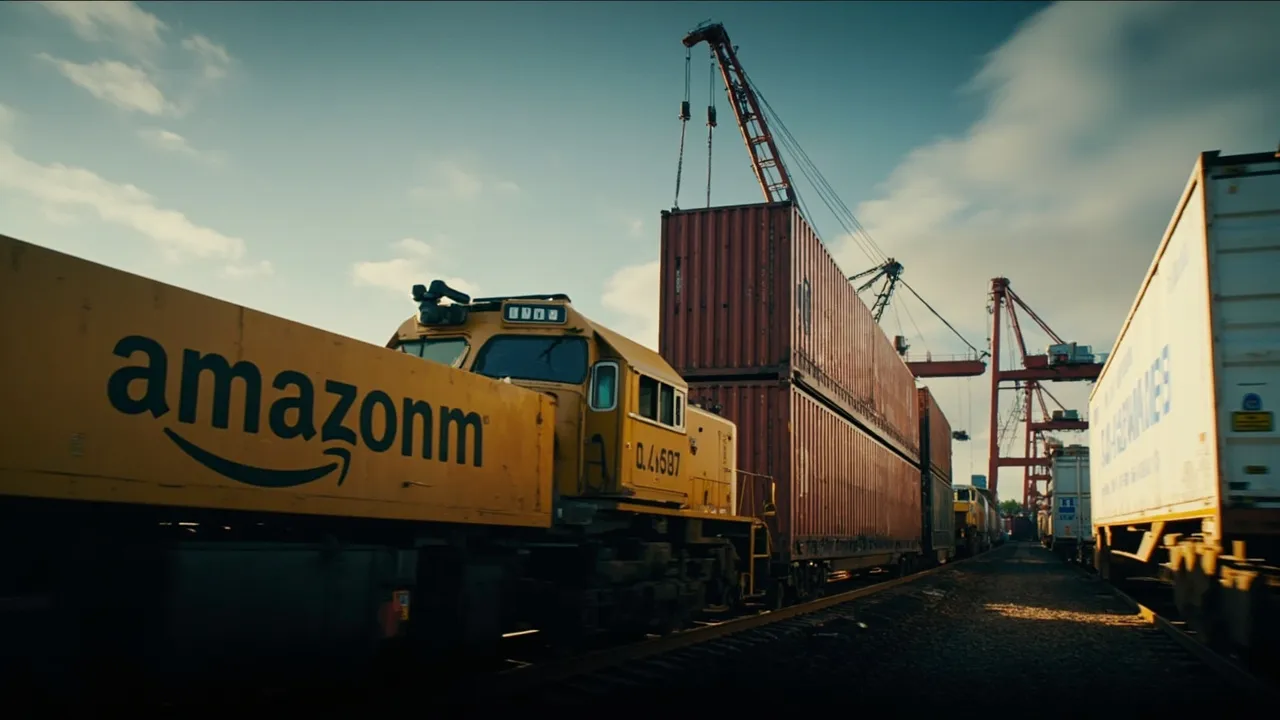
Amazon Standard Ocean Express: How to Qualify the Direct Port-to-Rail Service
Amazon Standard Ocean Express links Los Angeles imports to East Coast fulfillment centers by rail. Here is how shippers should qualify the service before shifting volume.
CXTMS InsightsSeptember 24, 2026 · 6 min read
Maersk Orders 26 Container Ships: What the 18,600-TEU Pipeline Means for Bids
Maersk's 26-ship order adds a large future capacity signal, not immediate space. Build base, oversupply, and disruption scenarios into multi-year ocean bids.
CXTMS InsightsSeptember 24, 2026 · 6 min read
Only One-Third of Container Shipping Is On Time: Replace ETA Dates With Confidence Bands
When container schedules fail, a single ETA creates false certainty. Learn how lane-level confidence bands improve inventory, customer promises, and recovery decisions.
CXTMS InsightsSeptember 23, 2026 · 6 min read
Arctic Maritime Pact: Build a Route-Readiness Gate Before Asia–Europe Shipping Moves North
The proposed U.S.–Japan–South Korea Arctic memorandum adds geopolitical weight to northern routing, but shippers still need a route-readiness gate before committing Asia–Europe cargo to the ice.
CXTMS InsightsSeptember 22, 2026 · 7 min read
A $4,500 Container Index Is Not Your Lane Rate: Build a Contract-to-Spot Variance Ledger
Turn ocean freight index headlines into lane-level decisions with a contract-to-spot variance ledger that separates market movement from booking costs.
CXTMS InsightsSeptember 21, 2026 · 6 min read
September Imports Reach 2.31 Million TEUs: Build a Peak-Season Cargo Release Curve
Turn September's 2.31 million TEU import forecast into a practical cargo release curve for terminals, drayage, rail, warehouses, and labor.
CXTMS InsightsSeptember 20, 2026 · 6 min read
Suez Services Resume: Rebaseline Transit Times Before Restoring Old Routes
A phased operating model for validating Suez Canal service recovery before changing ocean routes, customer ETAs, and inventory buffers.
CXTMS InsightsSeptember 17, 2026 · 6 min read
Import Inventories Are Stable at 52.8—Here’s the Replenishment Trigger That Matters
Import inventory expansion held within a narrow 52.8–60.5 range in 2026. Learn how to turn bookings, supply, orders, and lead-time variance into an actionable freight trigger.
CXTMS InsightsSeptember 13, 2026 · 6 min read