Warehouse Robotics Compress Pick Time, So the Constraint Moves to the Dock

Warehouse robotics is no longer a side experiment in fulfillment. It is becoming a throughput reset.
FreightWaves reported that Exotec raised $335 million in a Series D round that valued the warehouse robotics company at $2 billion. The same report said Exotec had doubled revenue and tripled its customer base since its prior $90 million round in 2020. The operating story behind that funding is simple: warehouses want more units out the door without adding the same amount of labor, space, or walking time.
But the interesting logistics problem starts after the picking gain. If a goods-to-person system makes operators faster, the constraint does not disappear. It moves.
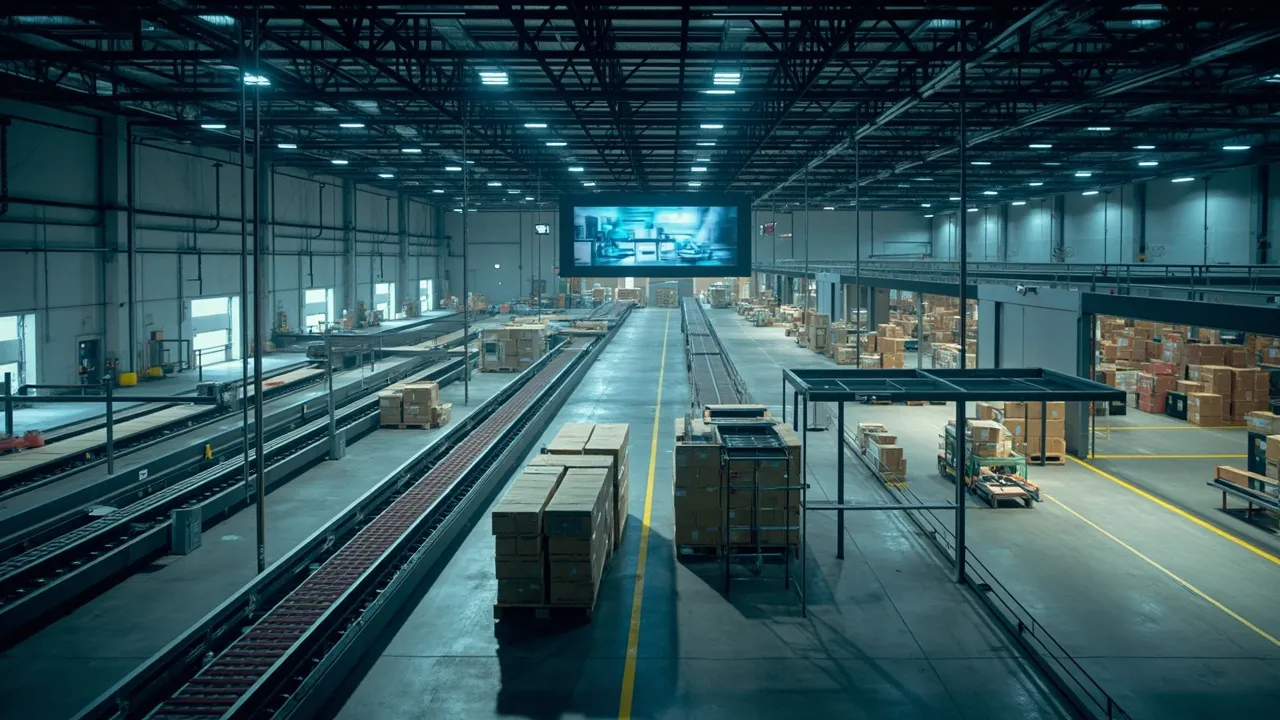
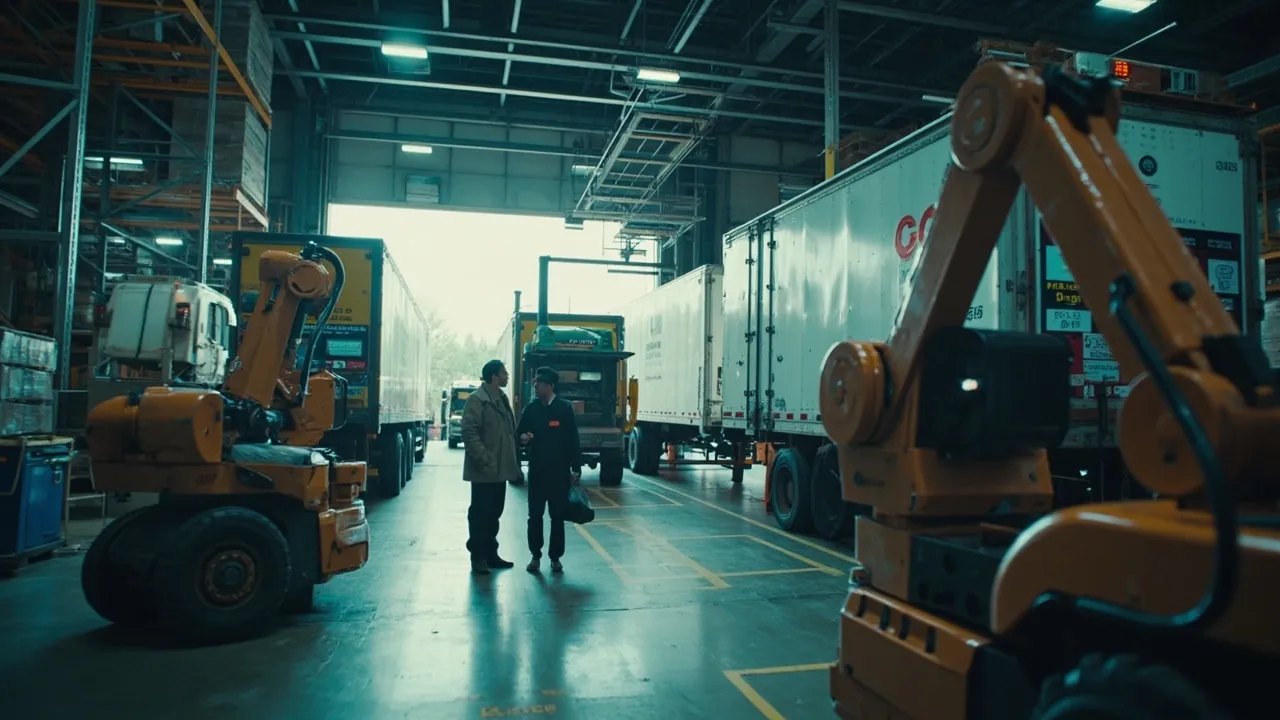
For many distribution centers, the next constraint is the outbound dock: door availability, trailer pools, staging space, carrier cutoffs, appointment reliability, and the timing between order release and transportation execution. Robotics can make the pick face faster than the freight plan that was built around it.
Faster Picking Changes The Shape Of The Day
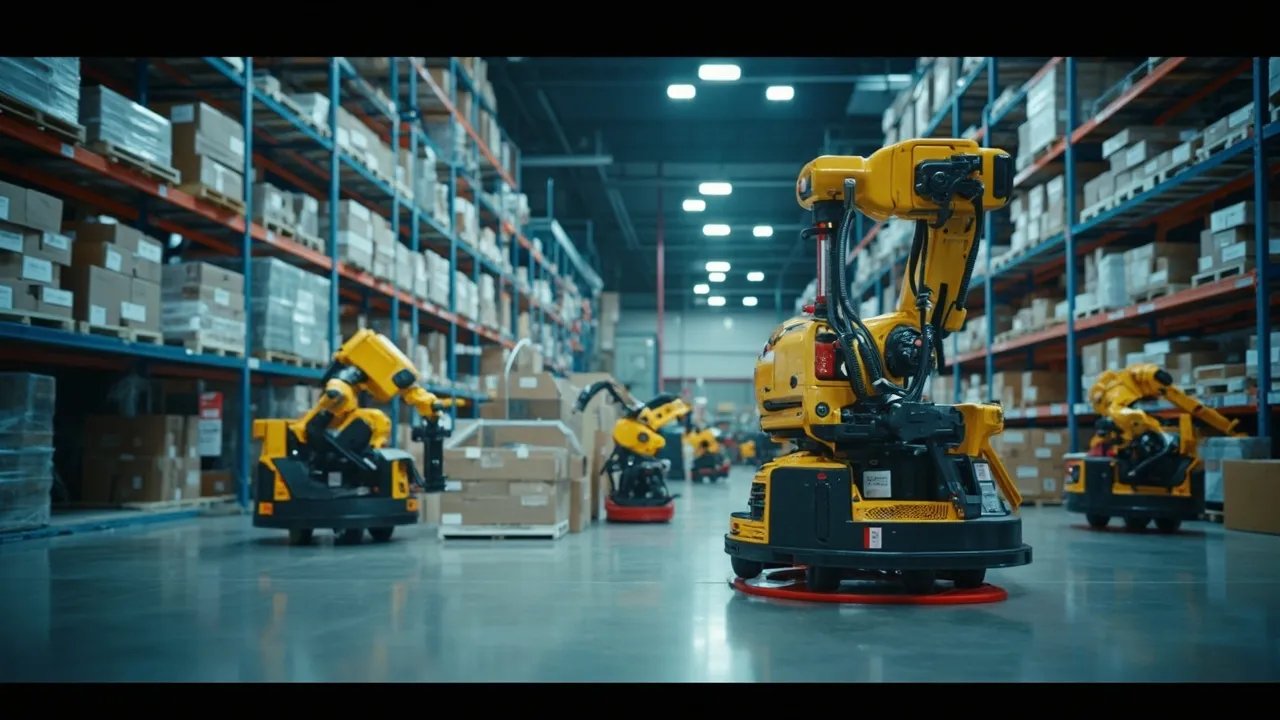
The Exotec example shows the magnitude. FreightWaves described Skypod as a goods-to-person robot that can move horizontally and vertically on racks as high as 36 feet, increasing storage capacity by up to five times, according to the company. Rudi Lueg, Exotec's managing director of North America, told the publication that a robot can speed the picking process by about fivefold and returns by as much as 10 times.
Those numbers are not only warehouse productivity numbers. They are transportation planning numbers.
If a wave that used to finish at 3 p.m. now finishes at noon, the outbound team has a new problem. Does the carrier arrive earlier? Is a trailer already in the yard? Are dock doors free? Is staging space available, or will finished orders block replenishment aisles? Does the customer accept earlier delivery? Does the order miss the parcel or LTL cutoff because the shipment was not tendered when the pick wave accelerated?
The more automation compresses work into shorter windows, the more the dock becomes a synchronization point. A fast pick engine connected to a slow appointment process creates a queue. A fast returns process connected to a static replenishment schedule creates inventory that is technically available but physically stuck. A fast goods-to-person system connected to a weak trailer plan creates clean picks and dirty execution.
Adoption Is Reaching Real Retail Networks
This is not theoretical. In a separate report, FreightWaves noted that Ariat and Decathlon were deploying Exotec's Skypod system. Decathlon planned 55 Skypods across 30 locations, including its Montreal fulfillment center, with the robots expected to handle 8 million items per year. The same article again cited the fivefold picking-speed improvement and up to tenfold speed increase for returns.
Modern Materials Handling reported that Advanced Handling Systems was contracted to design and integrate an Exotec Skypod system for Gap Inc.'s returns picking process. The article described Skypods as 3D mobile robots that move bins from mass storage to picking operators, carrying bins of up to 30 kg from 10-meter-tall racking.
These details matter because returns and omnichannel fulfillment are messy. They do not move in neat pallet quantities at predictable times. Returned goods need inspection, restocking, availability updates, repick logic, repackaging, and outbound capacity. When automation speeds one part of that loop, the rest of the network must absorb the change.
Retailers may buy robotics to reduce walking time. Logistics teams need to model what happens when the walk time disappears.
Build The Automation-Aware Outbound Model
The first field is the pick completion curve. Do not treat daily volume as one number. Track when picks actually become shippable by hour, wave, zone, channel, and automation system. The relevant question is not whether the warehouse can pick 40,000 units today. It is whether 18,000 of them will hit outbound staging between 11 a.m. and 1 p.m.
The second field is order release cadence. Automation makes it tempting to release more work earlier, but transportation execution may need controlled pacing. If every priority order is released at once, the system can create downstream congestion even while each robot performs well.
The third field is dock slot capacity. Doors, labor, yard moves, staging lanes, and carrier appointment windows need to be represented as finite resources. A dock can become the new pick face if faster automation simply shifts waiting time from operators to trailers.
Fourth is the trailer pool. A goods-to-person system can finish work early, but that does not help if there is no empty trailer available, the drop pool is undersized, or live-load appointments are fixed to the old completion schedule.
Fifth is the carrier cutoff. Parcel, LTL, truckload, store replenishment, and pool distribution all have different deadline logic. A faster pick wave should trigger tender timing, label readiness, manifesting, and appointment confirmation earlier in the day.
Finally, the model needs a fallback when a wave finishes early. That fallback might be pulling forward a pickup, reassigning a dock door, converting live load to drop trailer, releasing a secondary wave, consolidating LTL orders, or holding freight to protect a customer delivery window. The key is deciding before the system creates a pile of completed orders with nowhere to go.
The TMS Cannot Treat Robotics As A Black Box
Warehouse automation teams often measure success inside the four walls: pick rate, storage density, labor productivity, return-to-stock speed, and system uptime. Those are necessary metrics, but they are not enough.
Once robotics changes the timing of outbound availability, the transportation management system has to see it. Carrier selection, tender timing, dock scheduling, yard visibility, trailer assignment, and customer delivery commitments all depend on when freight becomes physically ready. If that signal stays trapped inside the WMS or robotics dashboard, transportation teams will keep planning against yesterday's warehouse rhythm.
CXTMS helps logistics teams connect fulfillment throughput to shipment execution. Instead of treating dock scheduling and transportation planning as separate workstreams, teams can use CXTMS to align order-release timing, carrier cutoffs, trailer availability, appointment windows, and exception escalation around the actual flow of completed orders.
That is the practical lesson from the robotics wave. Faster picking is valuable, but only if the outbound network is ready for the speed. The next advantage will belong to operators that make warehouse throughput an input to freight planning, not an after-the-fact surprise at the dock.
If your fulfillment automation is moving faster than your dock and carrier plan, request a CXTMS demo. CXTMS helps logistics teams turn warehouse throughput into executable transportation workflows before the bottleneck moves downstream.