AI
114 posts tagged with “AI”

Gartner’s Logistics AI Warning: Use Cases Are Real, but Timelines Still Matter
Gartner’s latest supply chain AI research shows real logistics use cases, but also a warning: clean data, workflows, and operating-model maturity still set the pace.
 CXTMS InsightsMay 15, 2026 · 6 min read
Penske’s Supply Chain Insight Shows Visibility Is Turning Into an AI Execution Layer
Penske Logistics' Supply Chain Insight platform shows why supply chain visibility is shifting from dashboards toward AI-assisted execution across freight, warehousing, inventory, and partner networks.
CXTMS InsightsMay 15, 2026 · 6 min read
Self-Funding Supply Chains: How AI Savings Are Becoming the Transformation Budget
AI supply chain projects cannot live on pilot budgets forever. The practical play is to turn early freight, planning, procurement, and fulfillment savings into the next wave of transformation funding.
CXTMS InsightsMay 15, 2026 · 7 min read
Gartner Says AI Hiring Freezes Could Backfire by 2030. Logistics Teams Should Not Ignore the Talent Math.
AI may change logistics work, but blanket entry-level hiring freezes can create costly talent gaps in planning, carrier management, warehousing, and exception control.
CXTMS InsightsMay 11, 2026 · 7 min read
AI Is Not Transforming Supply Chain Operating Models Yet. Gartner’s Survey Explains Why.
Gartner’s 2026 survey shows most supply chain AI programs are still incremental. Logistics teams need governance, clean data, and bounded workflows before orchestration can scale.
CXTMS InsightsMay 11, 2026 · 7 min read
Amazon Connect Decisions: Why Agentic Supply Chain Planning Is Moving From Dashboards to “AI Teammates”
Amazon Connect Decisions shows how agentic AI is pushing supply chain planning beyond dashboards toward AI teammates, faster exception handling, and connected logistics execution.
CXTMS InsightsMay 9, 2026 · 6 min read
Supply Chain AI Has a Budget Problem: Why Gartner Says Leaders Are Running Two Timelines at Once
Gartner says supply chain leaders are funding AI while still running today’s operations. Here is a governance model for turning AI budgets into measurable logistics value.
CXTMS InsightsMay 9, 2026 · 7 min read
Sustainability Is Becoming an Operations Problem — and That Is Good News for Logistics Teams
Sustainability is moving from annual ESG reports into shipment-level decisions on routing, inventory, mode selection, and waste.
CXTMS InsightsMay 9, 2026 · 7 min read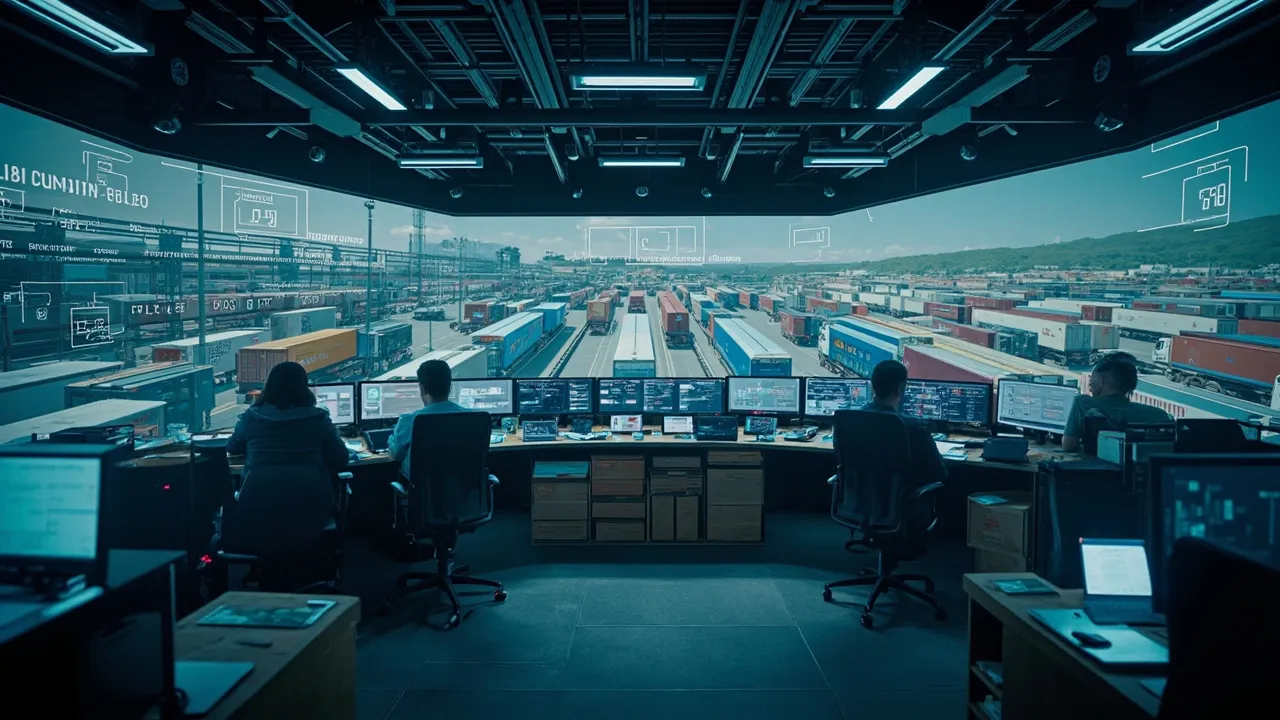
Supply Chain Tech Has Moved Past Visibility: Why Execution Speed Is the 2026 Differentiator
Supply chain technology is moving from dashboards to execution speed. In 2026, the winners will turn visibility, AI, orchestration, and automation into governed action.
CXTMS InsightsMay 8, 2026 · 7 min read
Quantum Computing Enters Supply Chain Planning: Which Logistics Operators Are Already Running Trials
Quantum computing is no longer a theoretical exercise for supply chain leaders. DHL, IBM, and Volkswagen are already running live trials. Here's what logistics operators need to know about where the technology stands — and what to do while quantum solvers mature.
CXTMS InsightsMay 3, 2026 · 6 min read