Insights
Industry insights, integration guides, and product updates from the CXTMS team.
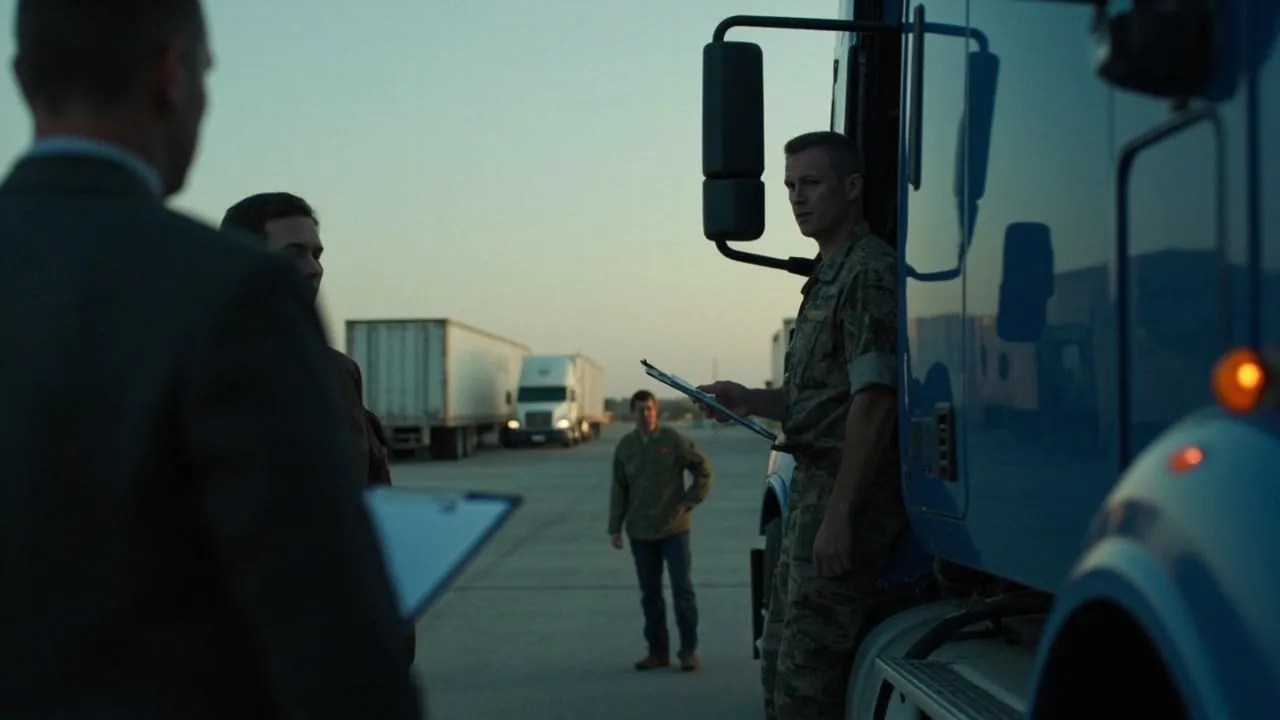
Freedom Haulers Turns Veteran Recruitment Into a Freight Credential-Mapping Challenge
Freedom Haulers can widen the veteran-to-trucking pipeline, but carriers still need disciplined credential mapping, compliant onboarding, and retention metrics.
 CXTMS InsightsJuly 31, 20266 min read
Honeywell’s Intelligrated Sale Makes Automation Installed-Base Continuity a Contract Issue
The Intelligrated and Transnorm ownership change shows why warehouses need contract protections for controls, software, spares, service, and cybersecurity continuity.
CXTMS InsightsJuly 31, 2026 · 6 min read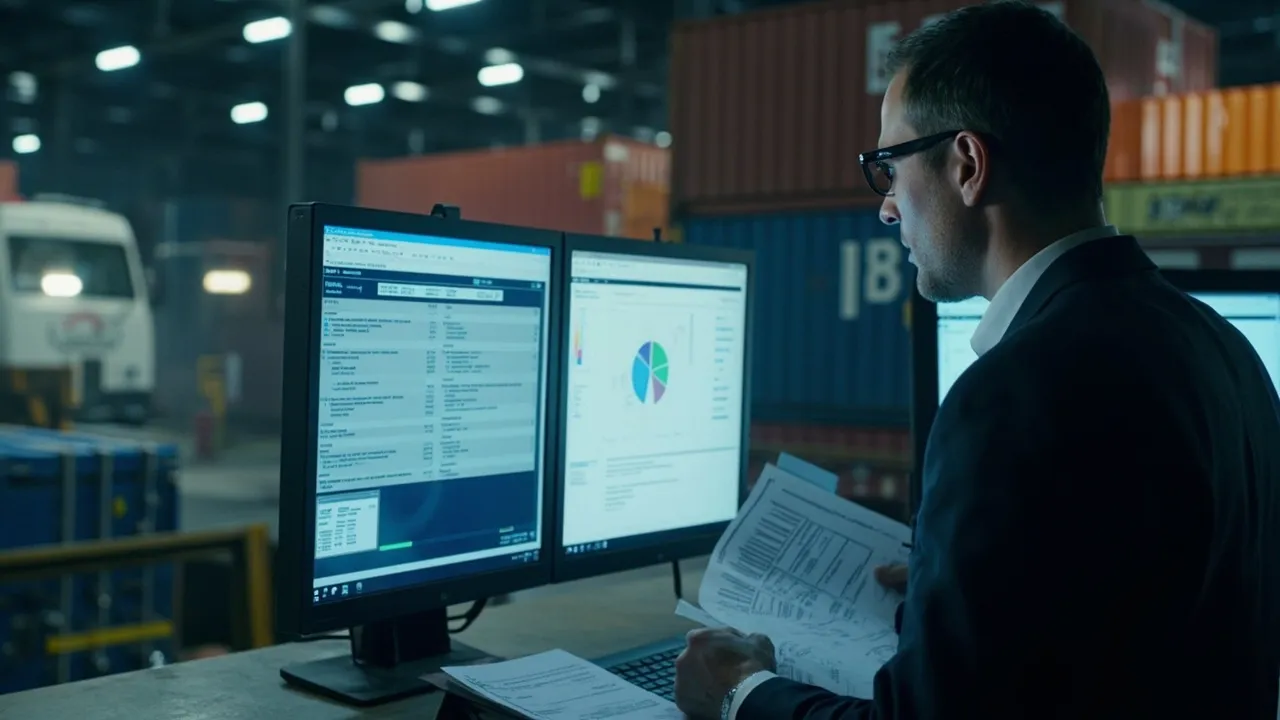
Private AI in Customs Brokerage Needs an Evidence Boundary for Every Classification Answer
Private AI can accelerate customs research, but every classification and duty recommendation needs traceable evidence, human approval, and version control.
CXTMS InsightsJuly 31, 2026 · 5 min read
Supply Chain AI Needs a Value Ledger Before the Pilot Becomes Permanent
A practical value-ledger framework for measuring supply chain AI costs, operational gains, human review, exception leakage, and scale decisions.
CXTMS InsightsJuly 31, 2026 · 6 min read
TFI’s 24.1% Truckload Margin and 18% LTL Margin Reveal a Mode-Portfolio Blind Spot
TFI’s contrasting truckload and LTL margins show why shippers must evaluate carrier financial strength, network economics, and service risk by mode.
CXTMS InsightsJuly 31, 2026 · 6 min read
The $12.8 Billion AGV Market Forecast Needs a Throughput Reality Check
The AGV market may reach $12.8 billion by 2035, but warehouse buyers need a throughput baseline, exception testing, and a defensible ROI model before scaling.
CXTMS InsightsJuly 30, 2026 · 6 min read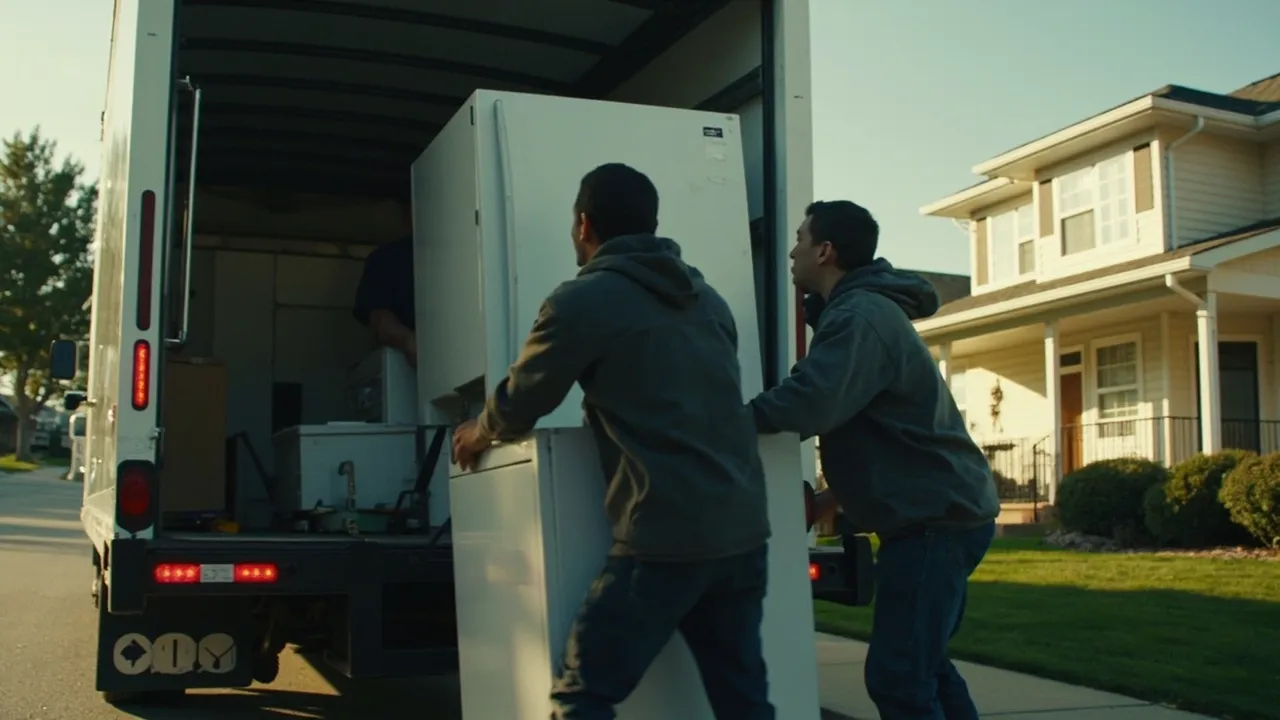
Big-and-Bulky Last-Mile Delivery Is Slowing: How to Reprice Capacity When Housing Demand Falls
Big-and-bulky delivery growth has slowed as housing turnover falls. Learn how to reset capacity, minimum charges, and lane coverage without sacrificing service.
CXTMS InsightsJuly 30, 2026 · 5 min read
Caraway Home’s 3PL Playbook: Connect Rate Shopping and Returns Before Omnichannel Growth
Caraway Home’s 3PL model shows why live parcel rate shopping, reverse logistics, and shared inventory data must operate as one omnichannel system.
CXTMS InsightsJuly 30, 2026 · 6 min read
CMA CGM’s 42% Shipping Profit Jump: Read Earnings as a Capacity-Risk Signal
CMA CGM’s Q2 shipping profit grew far faster than volume. Learn how procurement teams can turn carrier earnings into early capacity and contract signals.
CXTMS InsightsJuly 30, 2026 · 6 min read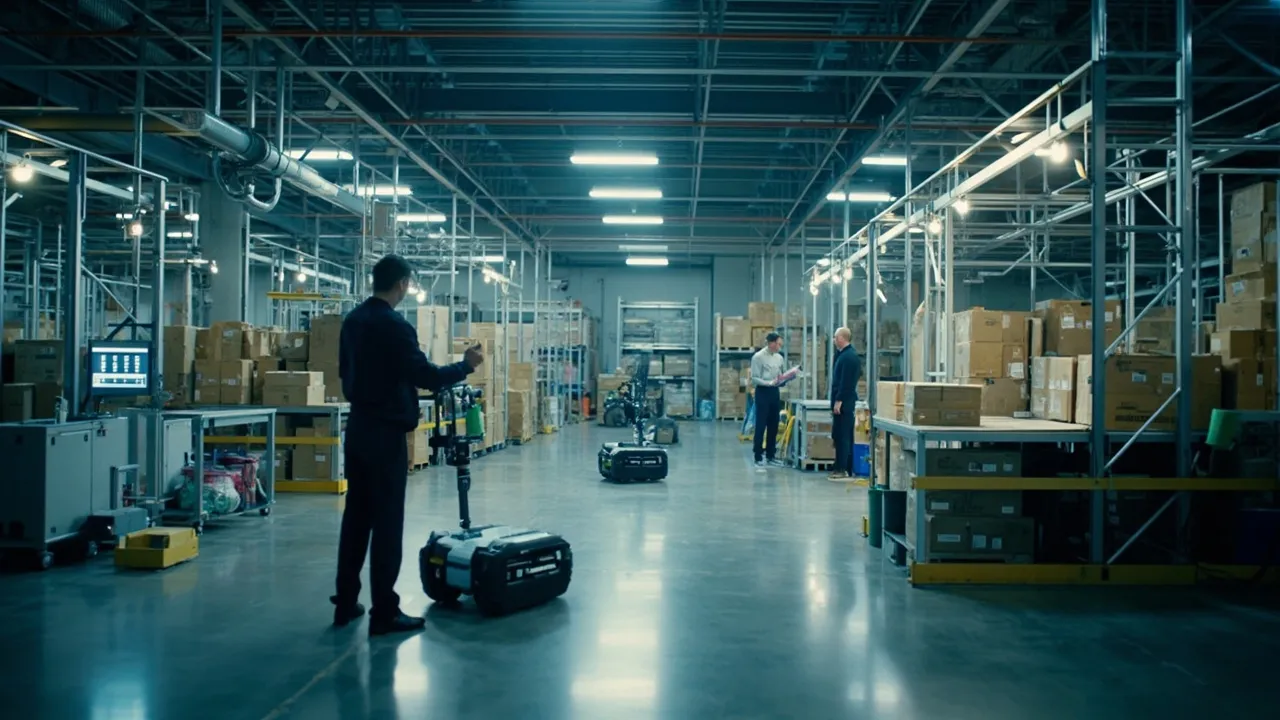
Dematic’s $50 Million Solutions Center Makes Warehouse Acceptance Testing a Buying Requirement
Dematic’s integrated Solutions Center shows why warehouse automation buyers should require acceptance tests for throughput, recovery, exceptions, and software handoffs.
CXTMS InsightsJuly 30, 2026 · 6 min read