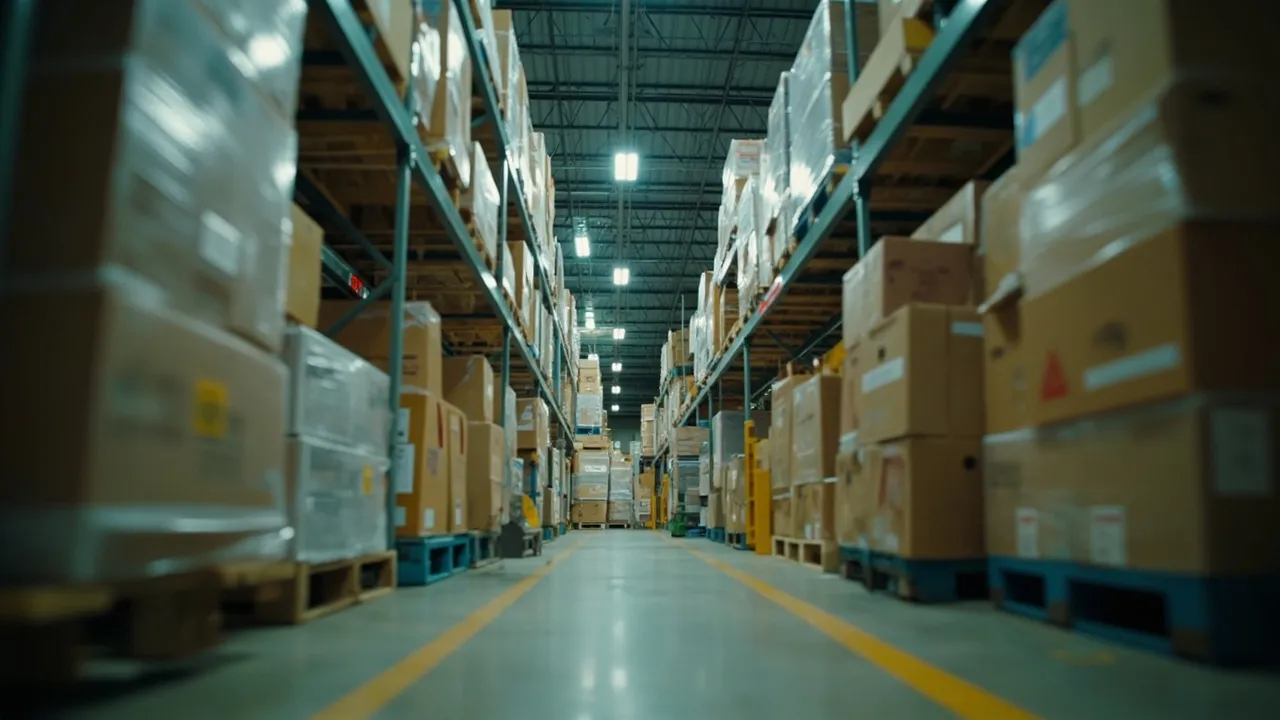
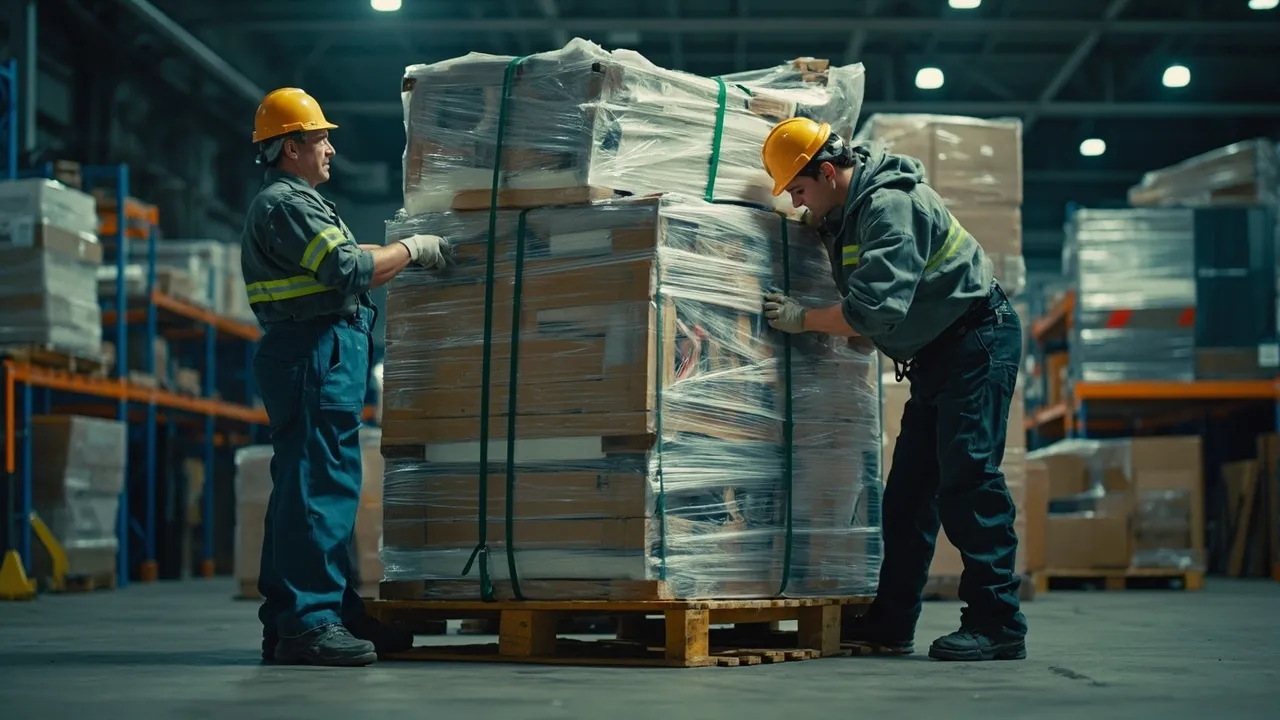
Half Pallets Are a Small Format Fix for a Big Direct-to-Store Delivery Problem

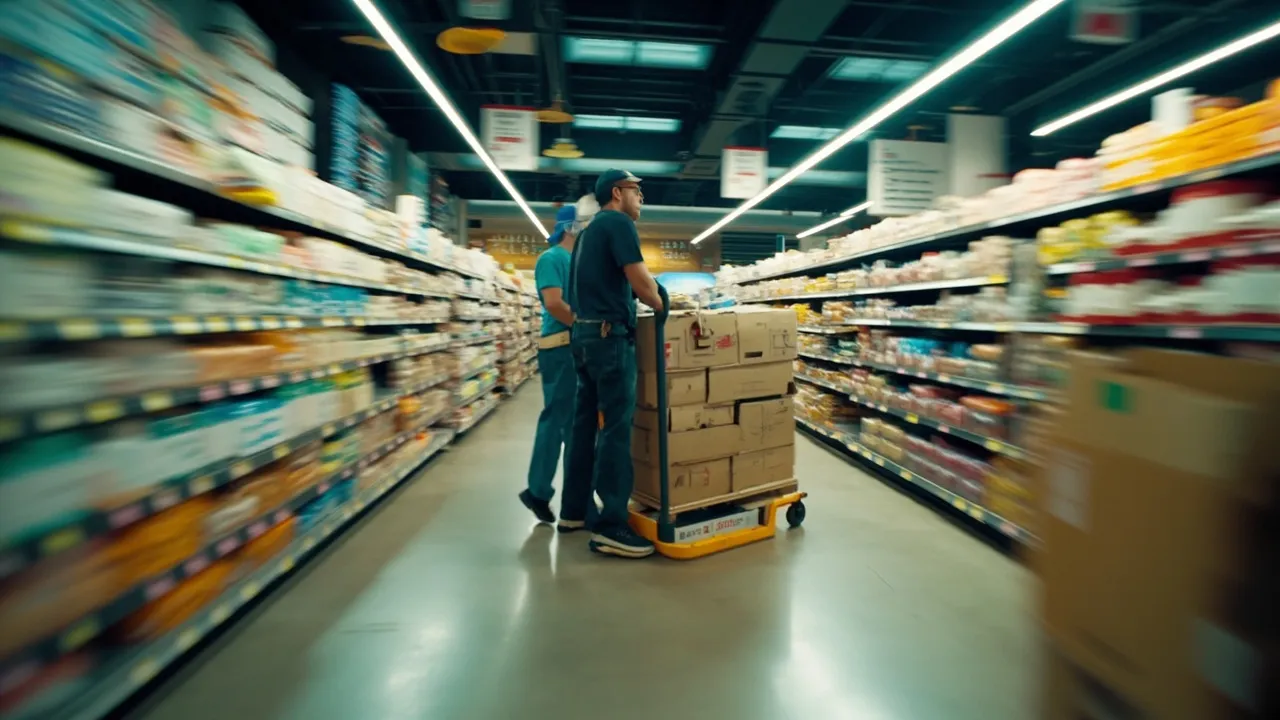
Half pallets sound like a packaging detail. They are not.
In direct-to-store delivery, pallet format can decide whether a route runs cleanly or turns into a slow-motion mess of extra touches, blocked aisles, and avoidable labor burn. That is why half pallets are getting more attention in 2026. They solve a boring physical problem that keeps showing up in retail logistics: stores are not miniature warehouses, and full pallets often behave badly inside them.
Modern Materials Handling put it plainly in its recent equipment report on half pallets for direct-to-store delivery. The core advantage is physical fit. Smaller pallets move more easily through front doors, ramps, tight turns, and narrow aisles, which matters because many store deliveries happen through customer-facing entrances rather than dock doors. That reduces friction at the exact point where retail replenishment becomes most awkward. Source: Equipment Report: Half pallets streamline direct-to-store delivery.
That sounds simple. It is also strategically important.
Retailers are still planning for growth. According to Logistics Management coverage of the National Retail Federation forecast, U.S. retail sales are expected to increase 4.4% in 2026 to $5.6 trillion, above the 10-year average growth rate of 3.6%. More sales do not just mean more inventory. They mean more replenishment moves, more store touches, and more pressure to get product from trailer to shelf without wasting time. Source: NRF issues positive 2026 retail sales forecast.
When that volume hits store networks that were never designed for elegant freight handling, pallet decisions stop being cosmetic.
Why half pallets work better in stores
Direct-to-store delivery is constrained by geometry and labor.
A full pallet may be efficient in the DC, inside trailer loading plans, or sitting in racking. Inside a store, it can be overkill. Drivers and merchandisers often need to move product through a single entrance, around displays, across customer walkways, and into shelf-adjacent spaces without creating chaos.
That is where half pallets earn their keep.
MMH’s reporting highlights several practical benefits:
- easier maneuvering in narrow aisles and small turning radii
- faster movement through front-door delivery environments
- fewer manual touches when product can be packed out directly from the pallet
- safer handling because the reduced footprint and weight are easier to control
- better support for mixed product loads, especially in food and beverage delivery
That last point matters a lot. Retail stores want the right assortment, not just a big block of identical cases. Smaller pallet formats make it easier to build mixed loads that match actual store demand. In other words, half pallets are not just easier to move, they are better aligned with how store replenishment really works.
The economics are better than they look
The obvious benefit is labor savings at the stop.
If a driver can bring product closer to its final shelf position and avoid hand-stacking down onto a cart, the route gets faster. Drivers spend less time breaking down freight inside the store. Merchandisers spend less time repacking or relocating product. Those minutes stack up fast across multi-stop delivery networks.
But the more interesting economics show up upstream.
MMH notes that smaller pallets can increase trailer positions on outbound shipments and support more agile unloading methods. They also improve empty-pallet storage density. One example in the report described a California operation that could store 1,100 half pallets in the footprint previously needed for 500 regular pallets. That is a serious space-utilization improvement, not a rounding error.
The same article also cited a merchandising use case where Wonderful Pistachios switched to a smaller molded wood pallet design and was able to ship 4,200 pallets per truckload versus 1,000 recycled wood pallets because the units nested far more efficiently when empty. That kind of closed-loop density changes the cost equation around reusable pallet programs.
So yes, half pallets can reduce labor at the shelf. They can also improve trailer cube, cut reverse-logistics waste, and make closed-loop returns more efficient. That is why treating them like a packaging footnote misses the point.
Smaller load units fit modern retail reality
Retail logistics is becoming more fragmented, not less.
Stores carry broader assortments, promotion calendars change constantly, and shelf replenishment increasingly rewards precision over brute force. At the same time, store labor is tight, delivery windows are narrow, and nobody wants a driver blocking the entrance with an oversized pallet while customers walk around it.
Half pallets fit that reality because they narrow the gap between warehouse efficiency and store practicality.
There is also a network design angle here. MMH’s coverage of multi-store pallet picking points to AI-driven batching approaches that can reduce picker travel by 15% to 30% when work is grouped more intelligently across stores. Source: How to Optimize Multi-Store Pallet Picking Without Disruption. Pair that kind of smarter upstream orchestration with smaller downstream delivery units and you get a more coherent retail flow: better picking, better trailer loading, better in-store execution.
That is the real story. Half pallets are most valuable when they are part of a broader operating model, not a standalone equipment choice.
When retail teams should make the switch
Not every network needs half pallets everywhere. Full pallets still make perfect sense for high-volume, backroom-friendly, dock-based delivery environments.
But the case for half pallets gets strong when four conditions show up together.
First, stores receive product through front doors or constrained side entrances.
Second, deliveries require mixed-SKU loads rather than single-SKU bulk drops.
Third, labor at the store or on the route is too limited to tolerate extra handling.
Fourth, the network can support reusable or standardized small-format pallet flows without creating a returns headache.
If those boxes are checked, smaller load units can improve both service and cost.
A small-format decision with system-level impact
Half pallets are winning attention for the best possible reason: they make the job easier in the real world.
In a year when retail sales are forecast to rise 4.4% to $5.6 trillion, and operators are looking for cleaner ways to move more product through labor-constrained store networks, that matters. A pallet that fits the store, supports mixed loads, improves storage density, and cuts touches is not a minor packaging tweak. It is an execution tool.
Retail logistics teams should treat it that way.
If your operation is trying to connect store replenishment, trailer utilization, and delivery execution into one smarter workflow, book a CXTMS demo and see how CXTMS helps logistics teams turn messy retail movement into coordinated execution.