The U.S. Gulf Coast Tanker Squeeze Is a Reminder That Energy Logistics Can Tighten Fast

Energy logistics has a nasty habit of looking stable right before it gets weird.
That is the real lesson from the latest U.S. Gulf Coast tanker squeeze. When geopolitical disruption reroutes crude and fuel demand, vessel availability can dry up quickly, freight rates can go vertical, and the cost shock does not stay neatly inside the energy sector. It leaks into chemicals, manufacturing, transportation, and eventually consumer prices.
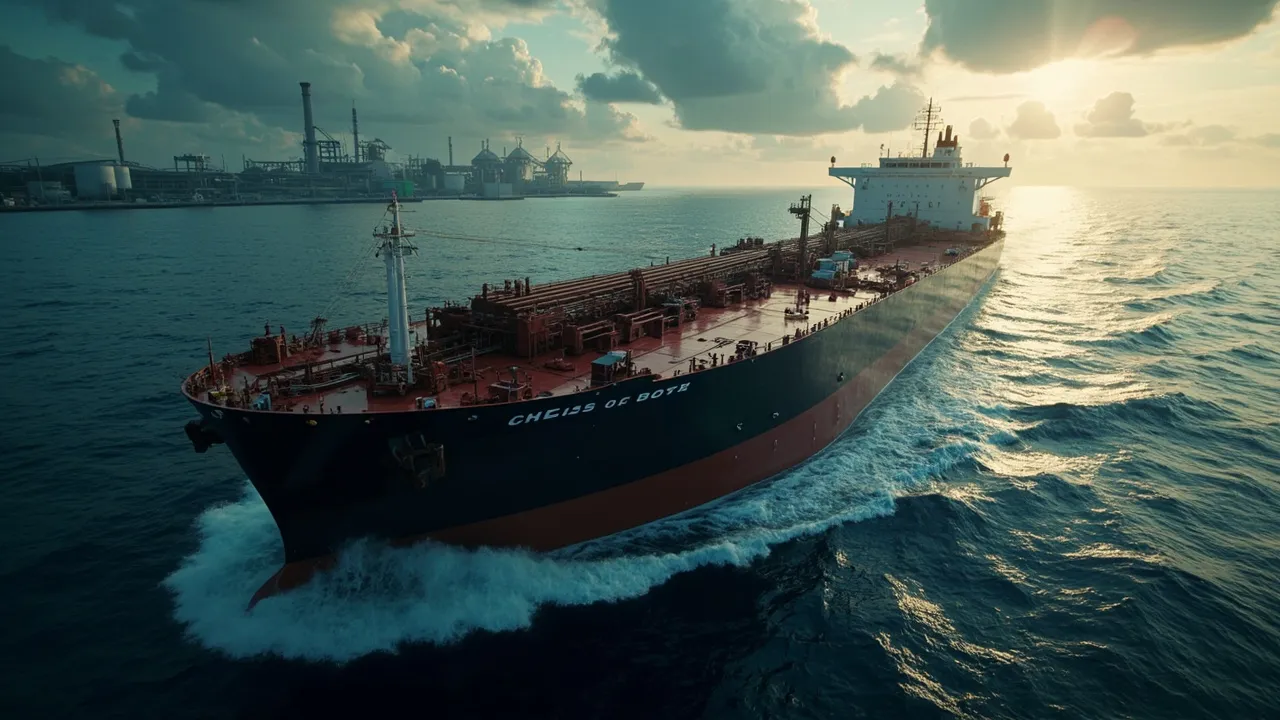
Reuters laid out the immediate trigger in its April 1 report on the U.S. Gulf Coast tanker market tightening. As the Iran war disrupted flows through the Strait of Hormuz, refiners in Asia and Europe moved to replace constrained Middle Eastern supply with barrels from the United States, Brazil, and West Africa. That scramble pulled more tankers toward west-to-east trade lanes and drained available vessel capacity from the Gulf.
The numbers are not subtle. Reuters reported that net vessel availability along the U.S. Gulf Coast fell 41% over the prior month, according to The Signal Group. Availability of VLCCs, which carry roughly 2 million barrels of crude, dropped from 20 vessels on March 1 to 10 as of the prior week. Reuters also cited The Signal Group saying Suezmax availability declined roughly 40% to 45% since late January, while Aframax supply fell about 70% from a mid-February peak.
That is what a logistics squeeze looks like when it starts with energy cargo and ends up distorting freight economics across multiple vessel classes.
Why Asia’s replacement buying matters far beyond oil
It is tempting to see this as a narrow oil-market story. That would be a mistake.
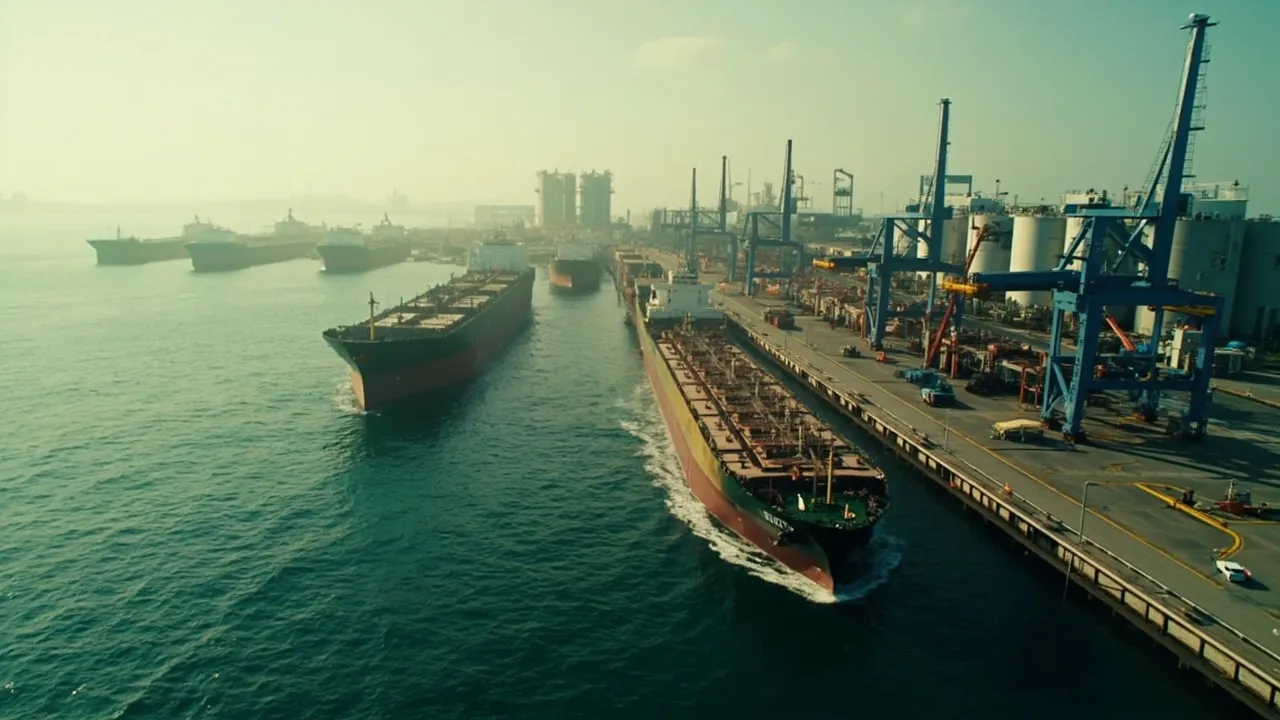
When Asia loses confidence in Middle Eastern supply continuity, replacement buying shifts fast toward export regions with reliable barrels and lift capacity. In this case, the U.S. Gulf Coast became one of the obvious answers. Reuters reported that at least 10 vessels were fixed over seven days to move oil or fuel from the U.S. Gulf Coast to Asian markets, mainly Pakistan, Korea, and South China.
That matters because tanker shipping is not infinitely flexible. Once enough cargo moves toward longer-haul routes, available capacity in local markets tightens and chartering costs spike. Reuters quoted Okeanis ECO Tankers CEO Aristidis Alafouzos saying Suezmax and Aframax earnings surged to more than $300,000 per day, versus an average of $60,000 over the prior five months.
That is not a rounding error. That is a freight-rate detonation.
For exporters, traders, and charterers, the implication is brutal. A shipment that looked economically sound under normal freight assumptions can become far less attractive once tanker costs explode. The cargo still moves, but margin gets chewed up. And when margins get chewed up in energy markets, downstream sectors start feeling it.
The Gulf Coast is a logistics hinge, not just an oil region
The Gulf Coast matters because it is not simply a producing region. It is one of the most important logistics interfaces in the global energy system, tying together crude exports, refined products, petrochemicals, storage, port operations, and inland industrial supply.
When tanker availability tightens there, the disruption can ripple well beyond crude.
Industrial manufacturers depend on fuel inputs, chemical feedstocks, packaging resins, and stable transportation energy costs. A tanker crunch can alter export timing, strain terminal planning, increase demurrage risk, and make inventory positions more fragile. It can also create awkward competition for capacity between crude, clean products, and other bulk energy-linked movements.
Logistics leaders outside oil and gas should pay attention for one simple reason: energy shipping volatility often shows up in their world as cost inflation, lead-time uncertainty, or planning whiplash.
This fits the broader 2026 risk picture
The tanker squeeze is dramatic, but it is not isolated. It sits inside a broader pattern of global trade instability.
Logistics Management’s 2026 global logistics outlook argues that supply chains are operating in an era of sustained pressure, shaped by trade restrictions, geopolitical conflict, infrastructure exposure, and rising operating complexity. The article, Global Logistics 2026: Times of tension and transition, makes the larger point well: disruption is no longer episodic. It is structural.
That framing lines up with SupplyChainBrain’s coverage of Everstream Analytics’ risk outlook in Trade Turmoil Tops List of Supply Chain Risks in 2026. SupplyChainBrain reported that geopolitical fragmentation ranked as the highest threat level among supply chain risks this year. The same piece noted that cyberattacks on carriers, 3PLs, and logistics providers surged 61% between 2024 and 2025, while infrastructure strain and extreme weather remain major hazards.
Put those signals together and the tanker story becomes more useful.
It is not just about oil. It is about what happens when a fragile global network gets hit by a geopolitical shock and suddenly has to rewire itself in real time.
What charterers and shippers should do differently
The smart move is not panic. It is better preparation.
For charterers and exporters tied to energy or petrochemical flows, the first priority is to watch vessel availability and route economics much earlier. If freight assumptions are only reviewed after rates spike, the team is already behind.
For manufacturers and logistics managers outside the energy sector, the practical lesson is to treat energy shipping as a leading indicator. When tanker markets tighten fast, the second-order effects can include higher transport costs, tighter fuel economics, pressure on industrial inputs, and renewed volatility in landed-cost models.
A few habits help:
- Track energy corridor disruptions alongside your normal freight indicators.
- Stress-test procurement plans against sudden freight-rate inflation.
- Review supplier exposure to Gulf Coast export timing and chemical feedstock volatility.
- Build more flexibility into inventory and replenishment assumptions for energy-sensitive categories.
- Avoid single-path planning in markets where geopolitical rerouting can change freight behavior overnight.
None of this is glamorous. It is just grown-up logistics.
Energy logistics deserves a seat in mainstream supply chain planning
Too many non-energy supply chains still treat tanker markets as someone else’s problem.
That is lazy thinking.
If your business depends on transportation fuel, chemical inputs, industrial production, or global freight stability, tanker availability matters to you. Maybe not every day, and maybe not directly, but definitely when the market gets squeezed this hard.
The U.S. Gulf Coast tanker crunch is a reminder that logistics conditions can tighten with shocking speed once trade flows get rerouted. Capacity disappears, rates jump, and the downstream consequences spread faster than most planning cycles can handle.
The companies that handle this best will not be the ones with the cleverest hot take after the fact. They will be the ones that already monitor energy shipping as part of core supply chain risk management.
If your team wants better visibility, stronger planning discipline, and a cleaner way to manage logistics volatility before it gets expensive, book a CXTMS demo and see how modern freight execution should work.