Insights
Industry insights, integration guides, and product updates from the CXTMS team.

Fortescue's 5% Shipment Drop Is a Warning Against Annualized Bulk-Freight Plans
Fortescue's quarterly shipment decline shows why bulk logistics teams need constraint-based quarterly scenarios instead of annual-volume averages.
 CXTMS InsightsAugust 1, 20266 min read
Gruyère Production Cuts Turn Tariffs Into a Cold-Chain Allocation Problem
How Gruyère producers can translate tariffs and production cuts into landed-margin rules for scarce cold-chain export capacity.
CXTMS InsightsAugust 1, 2026 · 6 min read
Johnson & Johnson’s 2029 Supply Chain Restructuring Needs a Logistics Benefits Ledger
Johnson & Johnson’s multi-year restructuring shows why logistics teams need a benefits ledger that separates true savings from volume and product-mix changes.
CXTMS InsightsAugust 1, 2026 · 6 min read
A $1 Million Truck-Theft Recovery Exposes the Missing Asset Identity Layer
A million-dollar truck recovery shows why shippers must verify tractors, trailers, plates, VINs, seals, and telematics at every handoff.
CXTMS InsightsAugust 1, 2026 · 6 min read
Russia’s Morocco Gasoline Cargo Shows Why Fuel Trades Need Route Provenance
An audit-ready route-provenance framework for gasoline and bulk-liquid shipments where seller, origin, load port, vessel, and consignee tell different stories.
CXTMS InsightsAugust 1, 2026 · 6 min read
Schneider’s Pricing Push Shows Why Truckload Bids Need a Capacity-Cause Code
Schneider’s pricing push shows why shippers need capacity-cause codes to distinguish demand growth from carrier exits, regulation, fuel, and service constraints.
CXTMS InsightsAugust 1, 2026 · 6 min read
Coca-Cola HBC's AI Yard Project Shows Gate Sequencing Is a Production-Control Problem
Coca-Cola HBC Austria's AI yard project shows why gate sequencing must connect truck arrivals with production readiness, dock capability, and material priorities.
CXTMS InsightsJuly 31, 2026 · 6 min read
Confectionery Logistics Needs Campaign Capacity, Not Monthly Averages
Confectionery logistics must reserve transportation capacity around launches, gifting events, and delivery deadlines instead of relying on misleading monthly averages.
CXTMS InsightsJuly 31, 2026 · 6 min read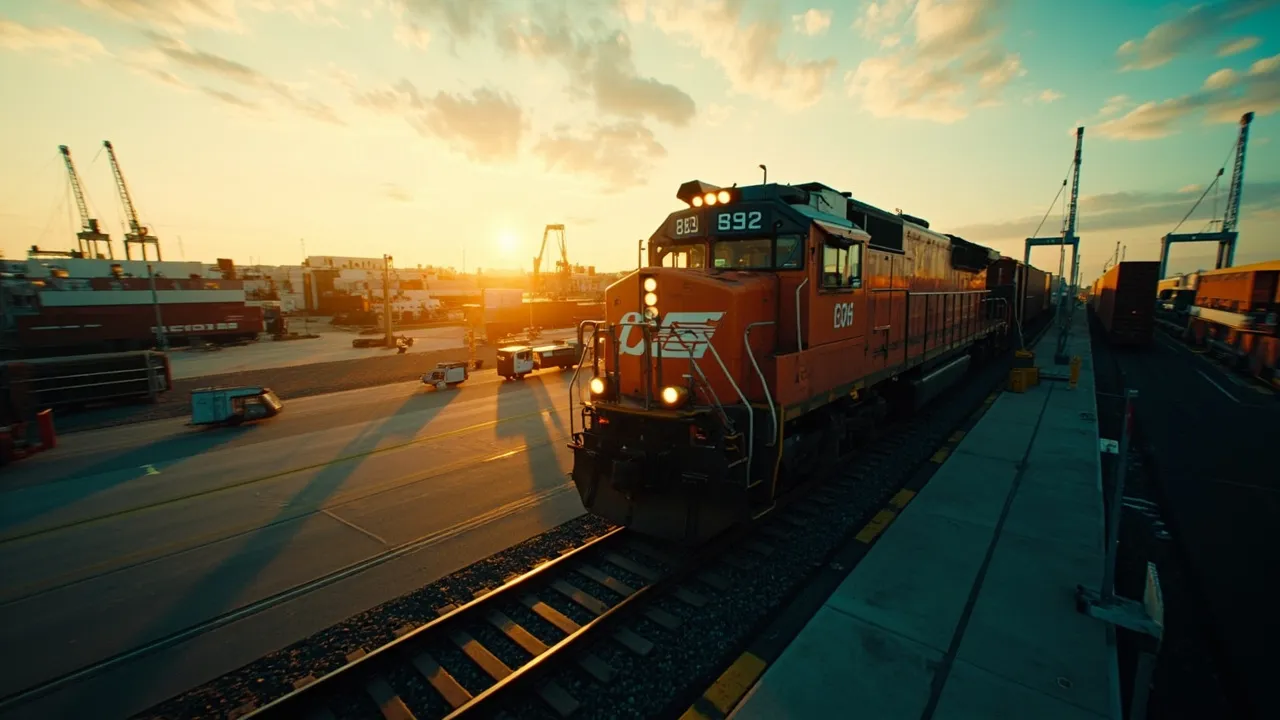
CPKC’s Record Q2 Needs a Cross-Border Train-Level Service Ledger
CPKC's record quarter and growing SMX service show why shippers need train-level milestones to measure cross-border intermodal reliability.
CXTMS InsightsJuly 31, 2026 · 5 min read
FORMOVA's Rebrand Shows Why Automation Assets Need Vendor-Identity Master Data
The JBT Automated Systems rebrand to FORMOVA shows why warehouses need vendor-identity crosswalks for parts, warranties, service, and lifecycle costs.
CXTMS InsightsJuly 31, 2026 · 6 min read