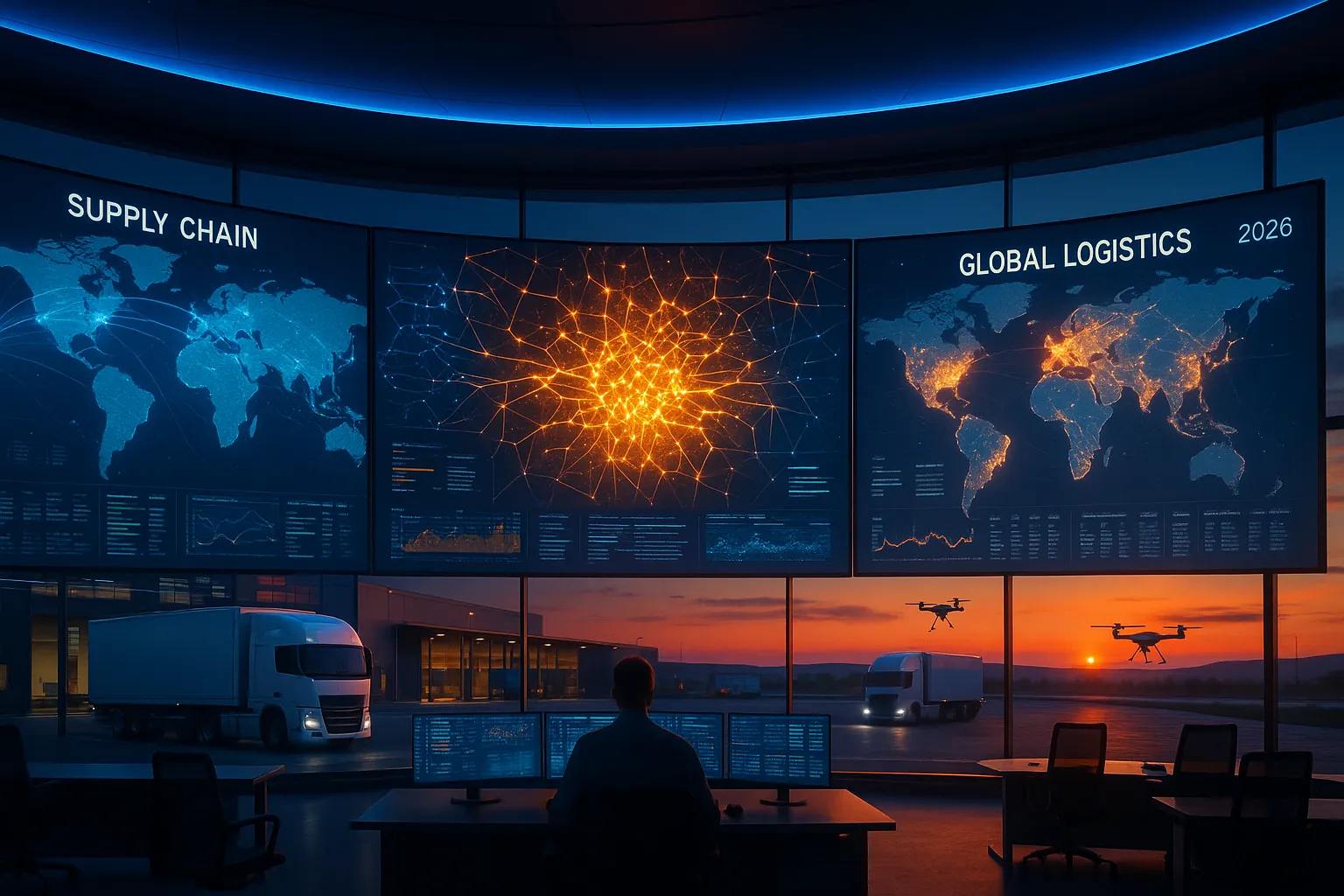
AI Is Finally Moving Into Packaging Operations, and That Matters More Than It Sounds

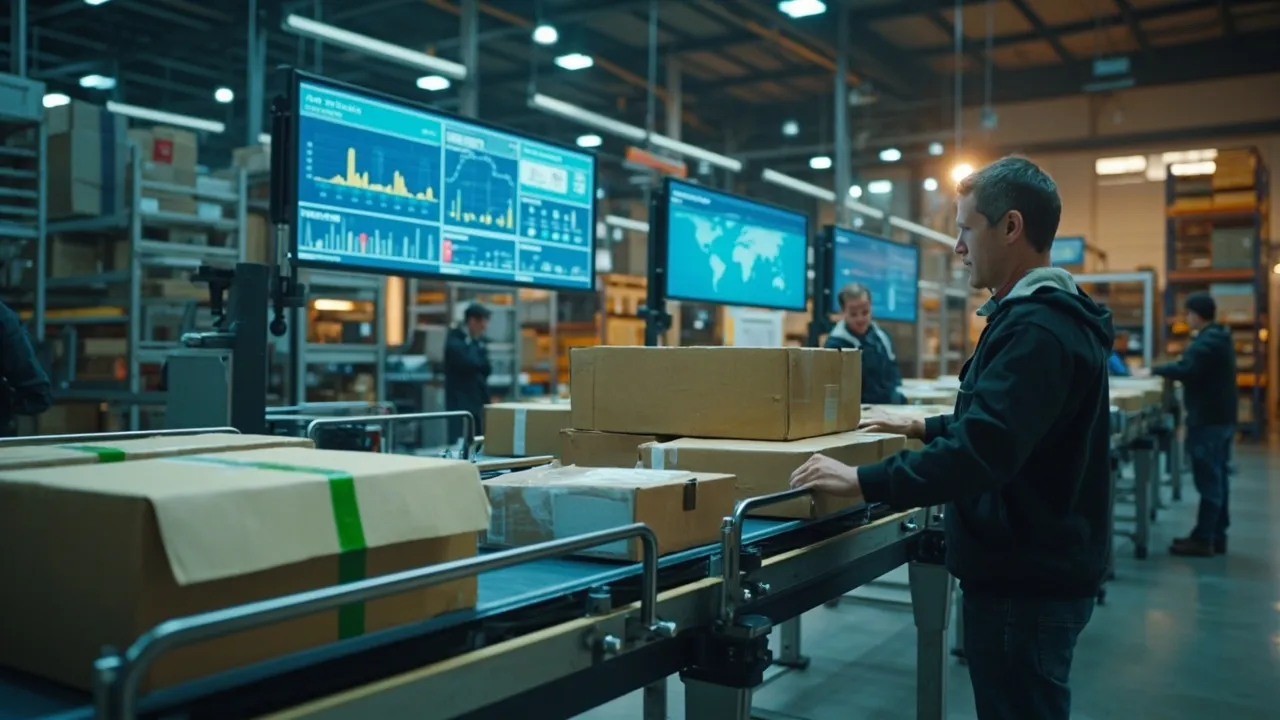
Packaging used to be treated like the last boring step before a shipment left the building.
That was a mistake.
In 2026, packaging is turning into a real operations layer, and AI is one reason why. What looks like a box-selection problem is now tied to labor productivity, machine uptime, carton cube, dimensional-weight charges, damage rates, and how quickly a warehouse can clear orders without choking the line.
The most useful signal comes from PMMI's February 2026 report, covered by Modern Materials Handling. The report says AI adoption is expanding across consumer packaged goods companies and OEMs as costs fall and functionality improves. More important, PMMI says packaging companies are moving beyond pilots into broader deployment, with the strongest momentum in knowledge transfer and machine vision, followed by predictive maintenance, regulation and compliance, and data transparency.
That is not hype. That is operations.
Packaging is becoming a control point, not a cleanup task
PMMI's framing matters because it shows where AI is actually useful on the plant floor. Knowledge transfer helps teams capture operator know-how instead of losing it when experienced workers leave. Machine vision helps identify defects, verify pack quality, and reduce manual checks. Predictive maintenance helps avoid the kind of packaging-line downtime that quietly wrecks throughput.
PMMI also described a shift toward "smarter, more connected production environments" where AI helps address workforce gaps and operational efficiency. That should catch the attention of warehouse and transportation leaders, because packaging decisions do not stay inside packaging.
They spill directly into freight economics.
If the carton is oversized, you waste corrugate, increase void fill, consume more trailer and parcel cube, and invite dimensional-weight penalties. If the box is wrong for the product, damage claims rise. If pack stations bottleneck, pick productivity upstream stops mattering because orders still miss the dock on time.
This is why packaging is no longer a back-end line function. It is becoming a network optimization layer.
Right-sizing is where the logistics payoff gets obvious
The best proof is not a futurist keynote. It is what automated right-sizing is already doing inside fulfillment operations.
In another Modern Materials Handling report, Helly Hansen described results from an automated right-sizing setup that included a box erector and a machine that trims cartons to match the fill height. The company reported tripled throughput, reduced labor costs, better data visibility, and improved loss prevention.
That article also included harder packaging economics from Packsize. According to senior director Cameron Stout, customer "before and after" parcel snapshots often show about $1.10 per order in total impact. He also said Packsize has measured corrugated use falling to about one-third of what would otherwise be needed, while damage can drop by about 12%.
Those numbers matter because packaging optimization compounds:
- Less corrugate cuts material spend.
- Less void fill lowers consumables and packing time.
- Smaller boxes reduce parcel dimensional charges.
- Better fit reduces damage and reshipment costs.
- Faster pack-out improves dock flow and labor productivity.
That is a much bigger story than sustainability messaging, even if sustainability is part of the benefit.
Parcel pressure is forcing packaging to get smarter
Inbound Logistics recently argued that automation is one of the top supply chain trends for 2026 and said packaging automation will likely gain popularity as parcel shipping becomes more expensive and shipment size gets more scrutiny. That is exactly the pressure point operators should focus on.
Parcel carriers do not care that an oversized box was convenient for the packing team. They care about cube, dimensions, and network efficiency. When packaging operations rely on generic carton libraries and weak order data, companies end up paying transportation premiums for air.
Inbound Logistics also noted that true three-dimensional right-sizing changes facility design and work flow. That is important. Smarter packaging is not just a machine purchase. It changes how orders are picked, how empty cartons are fed to stations, how buffers are built, and how warehouse software needs to orchestrate the line.
In other words, once packaging gets intelligent, the rest of the warehouse has to stop acting dumb.
AI gives packaging teams something they have historically lacked: usable decisions
Packaging has always generated data, but most operations have been terrible at turning it into decisions. AI is starting to close that gap.
Machine vision can catch pack errors and quality issues before they become claims. Data transparency can show which SKUs and order profiles drive excessive corrugate use or dimensional-weight leakage. Predictive maintenance can flag equipment behavior before a line stoppage creates a downstream shipping crunch. Knowledge-transfer tools can shorten training time when pack processes are complex or labor turns over fast.
PMMI's report also flagged a real caution sign: companies still worry about hallucinations, accountability, cybersecurity, latency, and ROI. Fair enough. Nobody should hand core packaging decisions to sloppy models and hope for the best.
But the smarter takeaway is not "wait." It is "use AI where the process is measurable."
Packaging is ideal for that because the inputs and outputs are concrete. Carton dimensions, item dimensions, machine uptime, damage rates, throughput, fill rates, and parcel spend are all trackable. This is not vague strategy theater. It is one of the few places where AI can be tied to physical operating metrics fast.
Why logistics leaders should care now
A lot of transportation teams still treat packaging as someone else's department. That habit is getting expensive.
Packaging quality now affects trailer utilization, parcel cost, claim rates, labor planning, sustainability reporting, and customer experience all at once. If your network is trying to squeeze more throughput out of the same labor base while parcel and fulfillment costs stay ugly, packaging is one of the cleanest levers available.
The companies winning here are not treating packaging as an isolated engineering project. They are connecting packaging data to warehouse execution, transportation planning, and cost analytics.
That is the real shift. AI is not making packaging flashy. It is making packaging visible.
Where CXTMS fits
CXTMS helps operators connect warehouse and transportation decisions before waste becomes freight cost. When packaging outputs change carton cube, shipment profiles, routing economics, and exception patterns, that information should not disappear between systems.
Better packaging data means better transportation planning, cleaner cost visibility, and faster response when inefficient packaging starts inflating parcel spend or creating damage-driven exceptions.
Packaging used to sit at the edge of logistics strategy. In 2026, it is moving closer to the center.
That sounds small until you remember how many freight dollars fit inside a bad box.
Want to connect packaging outcomes with transportation cost, visibility, and execution? Book a CXTMS demo and see how smarter shipment data helps teams cut waste before it hits the network.
If your team wants fewer surprises and tighter execution across freight, warehousing, and customer commitments, see how CXTMS helps logistics operators turn visibility into action.