Diesel Above $5 Changes the Freight Math Again, Especially for Mid-Sized Carriers

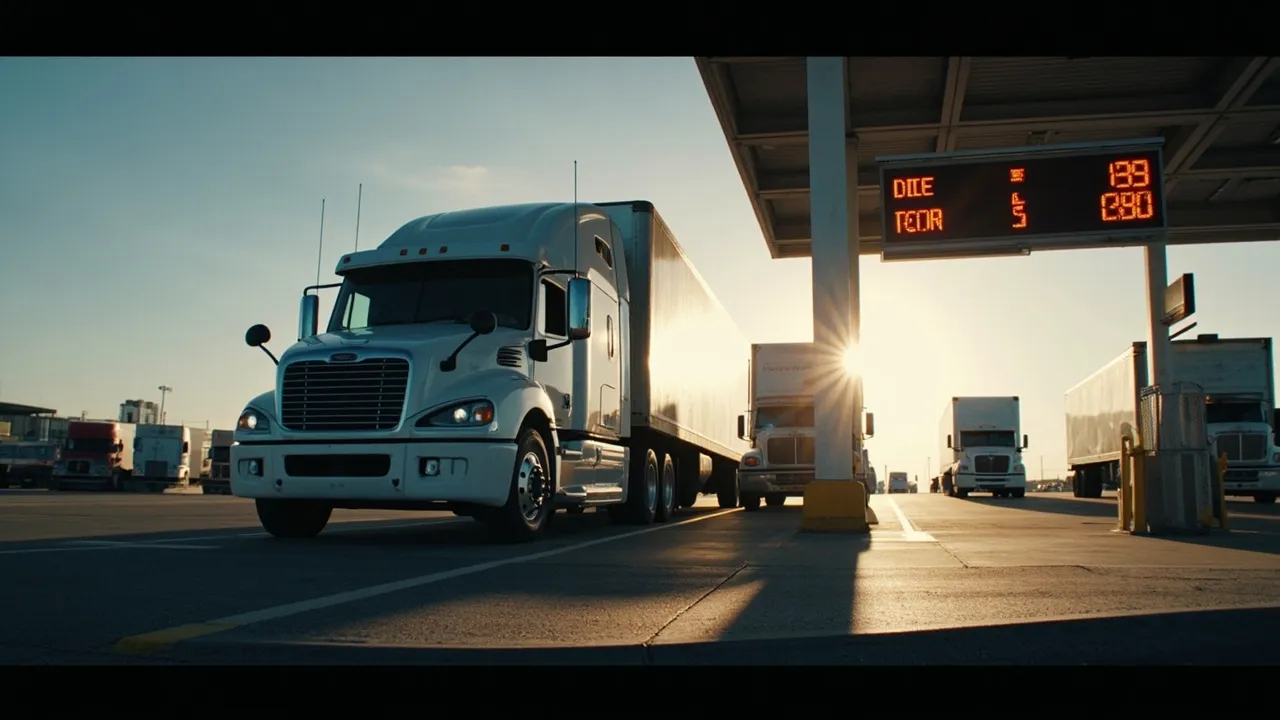
Diesel above $5 a gallon does not just make headlines. It changes behavior.
That matters because fuel is still one of the fastest ways to wreck freight economics, especially when prices move faster than contracts, surcharge tables, and customer conversations. In 2026, that problem is back with a vengeance. For mid-sized carriers, the pain is immediate. For shippers, the risk is pretending this is only the carrier's problem.
It is not.
When diesel spikes, routing decisions change, carrier capacity gets pickier, and the margin assumptions built into bids start looking flimsy. The fleets caught in the middle are often the ones without the scale advantages of the megacarriers and without the flexibility of single-truck owner-operators. Mid-sized carriers have enough overhead to feel the squeeze hard, but not always enough leverage to pass it through cleanly.
The market just handed fleets a nasty fuel bill
The most concrete signal came from the U.S. Energy Information Administration data cited by Logistics Management. For the week of March 30, the national average diesel price reached $5.401 per gallon, up 2.6 cents week over week and $1.809 year over year. It was the 13th consecutive weekly increase.
That is not background noise. That is a direct hit to operating cost.
Reuters reported the problem looks even uglier at the fleet level. Using data from Samsara covering more than 5,500 fleets and nearly 1 billion gallons of fuel purchases, Reuters said U.S. fleets were spending an average of $5.52 per gallon on diesel as of Monday, above the previous all-time high of $5.50 set in June 2022. The same report noted diesel prices had jumped $1.89, or 50%, since the Iran war began disrupting energy flows through the Strait of Hormuz. That is not a mild market adjustment. That is freight math getting reset in real time.
Inbound Logistics framed the operational consequence clearly: diesel prices have topped $5 per gallon for the first time since 2022, pushing transportation costs higher across trucking, freight, and supply chains. Its reporting also noted that 44% of respondents in an Inbound Logistics LinkedIn poll expected freight rate increases to be the biggest supply-chain impact from the Middle East conflict.
If your freight budget still assumes a calm fuel environment, it is already wrong.
Why mid-sized carriers feel this first
Large fleets have buffers. They usually negotiate better bulk fuel discounts, have more disciplined surcharge programs, and can spread network inefficiencies across a broader base. Tiny owner-operators are brutally exposed too, but many can park trucks, reject bad freight, or change lanes faster.
Mid-sized carriers get boxed in.
They often run enough trucks to carry meaningful fixed costs but not enough scale to dictate terms. They may have customer contracts pegged to fuel schedules that assume a lower baseline price. They may also be running mixed portfolios, some contracted freight, some spot, some regional, some irregular, which makes fuel recovery messy rather than automatic.
That lag is the killer. Fuel surcharges do help, but they rarely move in perfect sync with the pump. Logistics Management quoted DAT's Ken Adamo saying many shipper contracts are still locked around six-and-a-half miles per gallon, while large fleets may operate closer to nine miles per gallon. Once diesel climbs hard enough, carriers are effectively stuffing an extra $0.10 to $0.15 per mile into the cost structure. Somebody eats that. At first, it is usually the carrier.
Reuters gave the small-firm side of the story in uglier detail. A March DAT poll found 18% of more than 540 surveyed trucking firms had halted operations because of the fuel spike. About 44% were becoming more selective about load weights, and about 45% were driving fewer miles. That matters even for shippers working with mid-sized carriers because it shows what happens when fuel pain spills into operating decisions: networks tighten, acceptance behavior changes, and service flexibility starts disappearing.
Fuel volatility is now a mode and routing problem
Shippers love to talk about mode optimization when rates are calm. When diesel rips higher, mode choice becomes less theoretical.
A carrier that was happy to absorb awkward appointment windows, extra stop complexity, or low-density freight a month ago may now hate that freight. A lane that looked fine in a bid event can suddenly need repricing. Dense multi-stop regional routes may still work. Long irregular hauls with dwell, backtracking, or weak reload opportunities get ugly fast.
This is where fuel pressure starts reshaping freight design:
- Truckload becomes less forgiving of empty miles and appointment slop.
- LTL and consolidation options become more attractive for some lower-density freight.
- Regional routing gains value because shorter, tighter loops reduce exposure.
- Network decisions around inventory placement matter more because each avoidable mile now costs more.
The pain does not stop at trucking. Reuters noted transportation can represent more than 20% of the total cost of staples like milk. That is the bigger warning. When diesel runs hot long enough, it stops being a carrier margin story and becomes an end-to-end pricing story.
What shippers should do now
The dumb move is waiting for carriers to complain louder. The smart move is assuming the complaints are right.
1. Recheck surcharge logic against current fuel reality
If your contracts still reflect fuel tables built for a sub-$4 environment, review them now. Do not wait for disputes. Make sure surcharge mechanisms, trigger points, and update cadence reflect actual market conditions.
2. Audit lanes for fuel sensitivity, not just base rate
Some freight can absorb diesel inflation better than other freight. Long-haul, low-margin, time-sensitive moves with weak backhaul options are the obvious danger zone. Rank lanes by fuel exposure and service criticality before the next bid round, not after margin leaks show up.
3. Tighten routing discipline
This is the wrong quarter for lazy miles. Consolidate where possible, reduce empty repositioning, eliminate unnecessary touches, and clean up appointment windows that force drivers into wasteful dwell and idling.
4. Expect carrier selectivity to rise
If a mid-sized carrier starts rejecting low-quality freight more often, that is not irrational behavior. It is survival. Protect relationships with the carriers that matter by making freight easier to handle: better lead times, cleaner facilities, faster turns, fewer surprises.
5. Treat fuel as a contract review trigger
Fuel above $5 should automatically prompt a contract review for high-volume lanes, key dedicated relationships, and any account where service quality is slipping. If you wait until an RFP cycle, you are already behind.
Where CXTMS helps
Fuel volatility exposes every lazy assumption in a transportation network. CXTMS gives shippers a cleaner way to respond, with better visibility into lane performance, cost exceptions, routing choices, and carrier behavior when market conditions shift.
That matters because diesel shocks are not really fuel stories. They are execution stories. The winners are the teams that can see cost changes early, model routing alternatives fast, and adjust before margin damage spreads.
Mid-sized carriers are feeling the squeeze first, but they will not be the last. Once diesel clears $5 and stays there, the whole market starts repricing its tolerance for inefficient freight.
Want a better handle on fuel-sensitive routing, carrier performance, and freight cost visibility? Book a CXTMS demo and see how the platform helps teams react faster when the freight math turns against them.
If your team wants fewer surprises and tighter execution across freight, warehousing, and customer commitments, see how CXTMS helps logistics operators turn visibility into action.