digital-transformation
30 posts tagged with “digital-transformation”

Huawei's Five Smart Transportation Solutions at MWC 2026: What Digital Intelligence Means for Global Logistics Infrastructure
Huawei unveiled five intelligent transportation solutions at MWC Barcelona 2026. Here's what telecom-grade digital infrastructure means for ports, rail, customs, and global logistics networks.
 CXTMS InsightsMarch 13, 2026 · 7 min read
The Data Center Supercycle Is Starving Warehouse Development: How $3 Trillion in Competing Construction Demand Is Reshaping Logistics Real Estate
A $3 trillion data center investment supercycle is diverting construction labor, materials, and capital away from warehouse development — reshaping logistics real estate economics for every shipper.
CXTMS InsightsMarch 12, 2026 · 6 min read
Software-Defined Automation Arrives at Automation World 2026: Why the Hardware-to-Software Shift Is the Next Warehouse Revolution
Automation World 2026 in Seoul showcased Software-Defined Automation as the next paradigm shift in warehousing—where hardware-agnostic software orchestration layers replace rigid, equipment-specific programming to deliver flexible, AI-driven operations.
CXTMS InsightsMarch 12, 2026 · 7 min read
5G Private Networks Enter the Warehouse: How MWC 2026 Signals a Connectivity Revolution for Real-Time Logistics Operations
MWC Barcelona 2026 unveiled five new logistics-focused solutions built on 5G private networks. Here's why this connectivity shift matters for warehouse operators, fleet managers, and shippers managing real-time operations.
CXTMS InsightsMarch 11, 2026 · 6 min read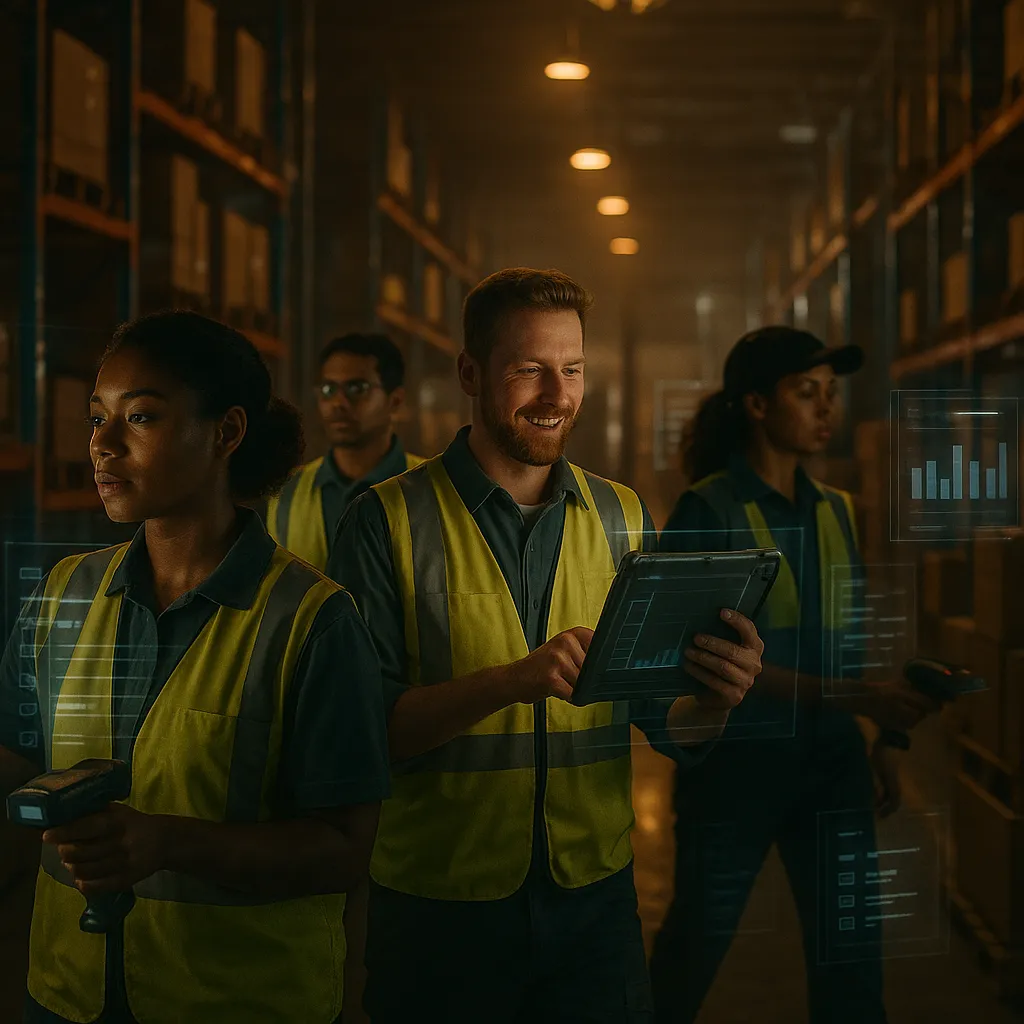
The $20 Billion Connected Worker Revolution: How IIoT Platforms Are Empowering Logistics Frontline Teams Beyond Wearables
The connected worker market is exploding from $8.62B to $20.18B by 2030. Learn how IIoT platforms, AI-powered devices, and pocket automation are transforming logistics frontline teams beyond simple wearables.
CXTMS InsightsMarch 5, 2026 · 6 min read
Short-Haul Freight Transport Goes Digital: Why Regional Delivery Is the Fastest-Growing Segment in Logistics
The U.S. short-haul freight market is projected to grow from $163 billion in 2025 to $196 billion by 2030. Discover how nearshoring, micro-fulfillment, and digital dispatch are transforming regional freight into the fastest-growing logistics segment.
CXTMS InsightsMarch 5, 2026 · 7 min read
GCC Logistics Goes Digital: How the Gulf States Are Building the World's Next Great Supply Chain Hub
The GCC freight and logistics market is projected to reach $86 billion in 2026. Discover how the Gulf states are combining massive infrastructure investment with digital transformation to become a global supply chain superpower.
CXTMS InsightsMarch 4, 2026 · 6 min read
The Cognitive Industrial Revolution: Why Redesigning Workflows Matters More Than Deploying AI in Supply Chain Operations
The Cognitive Industrial Revolution demands workflow redesign before AI deployment. Learn why 88% of companies fail at AI—and how workflow-first logistics transformation delivers real results.
CXTMS InsightsFebruary 28, 2026 · 6 min read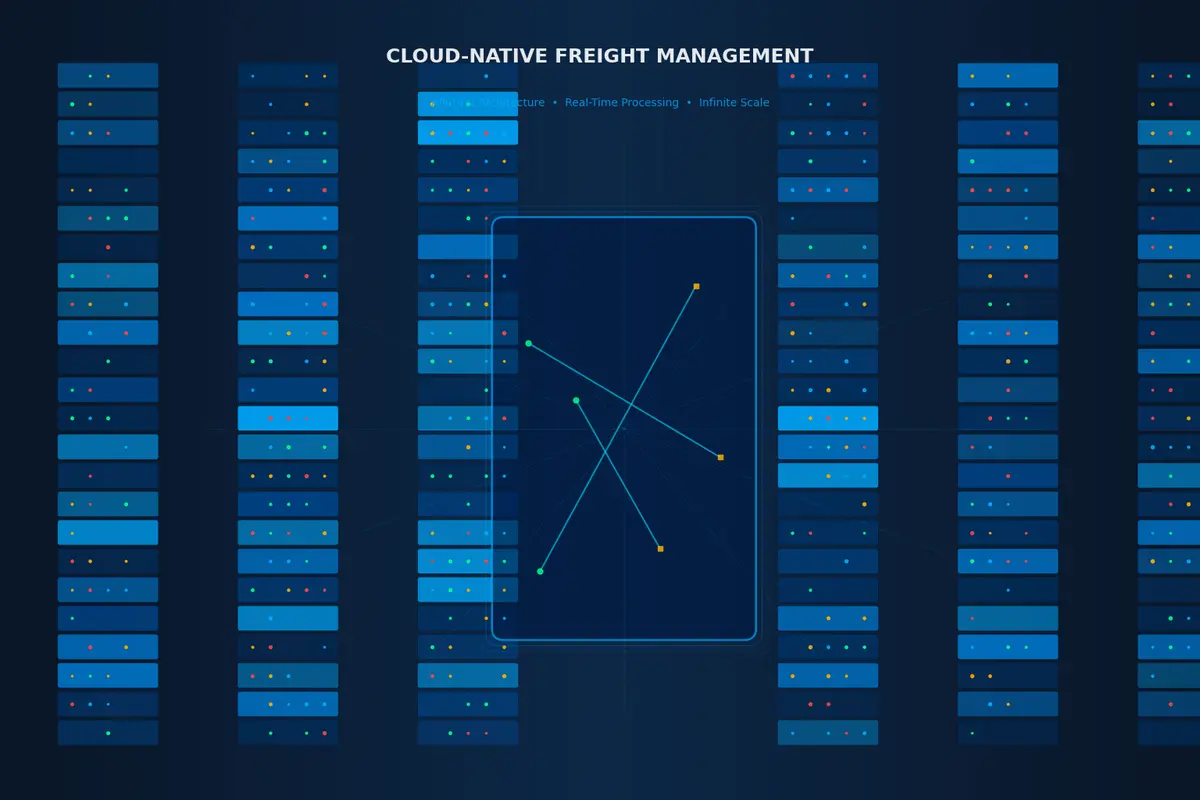
Cloud-Native Freight Management Systems: Why Shippers Are Abandoning On-Prem TMS for API-First Platforms in 2026
Discover why shippers are migrating from on-premise TMS to cloud-native, API-first freight management platforms in 2026—and how microservices architecture delivers 15-25% cost savings.
CXTMS InsightsFebruary 26, 2026 · 6 min read
The Logistics SaaS Pricing Revolution: How Usage-Based Models Are Replacing Per-User Licenses and Changing TMS Economics
Usage-based pricing is overtaking per-seat licenses in logistics software. Learn how per-shipment and consumption-based TMS models cut costs and align spending with actual business volume.
CXTMS InsightsFebruary 26, 2026 · 6 min read