Insights
Industry insights, integration guides, and product updates from the CXTMS team.
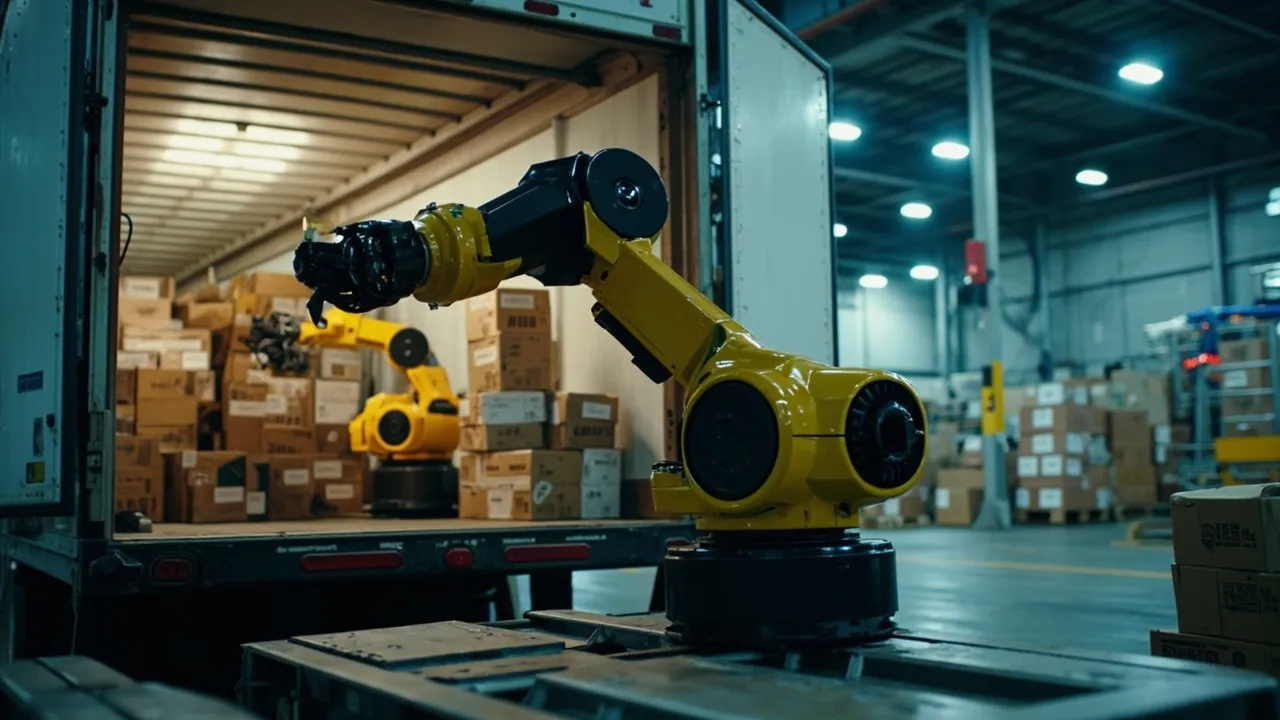
FedEx and Dexterity Move Autonomous Trailer Loading From Demo to Acceptance Test
FedEx's expanded autonomous trailer-loading deployment shows why robotics programs need acceptance gates for throughput, cube, damage, safety, and recovery.
 CXTMS InsightsAugust 5, 20266 min read
A U.S. Ban on Foreign Humanoid Robots Creates a Warehouse Automation Country-of-Origin File
A reported U.S. ban on new foreign-made humanoid robots makes component origin, service continuity, and spare-parts records essential warehouse controls.
CXTMS InsightsAugust 5, 2026 · 6 min read
India's Contract-Manufacturing Tax Break Would Shift Apple's Landed-Cost Math
India's proposed contract-manufacturing tax extension could change electronics landed costs, but logistics teams need scenario models and verified milestones before shifting volume.
CXTMS InsightsAugust 5, 2026 · 6 min read
A Missing Cargo Aircraft Exposes the Five Records Every Airfreight Contingency Plan Needs
A cargo-aircraft loss shows why airfreight teams need five immediately accessible records, firm escalation clocks, and controlled alternate-routing workflows.
CXTMS InsightsAugust 5, 2026 · 6 min read
Twenty-Five States Challenge Section 301 Forced-Labor Tariffs: Keep Duty Scenarios Reversible
A 25-state lawsuit challenges new Section 301 tariffs. Importers should preserve evidence and model reversible duty scenarios while the case proceeds.
CXTMS InsightsAugust 5, 2026 · 6 min read
Walmart's FY2026 ESG Results Need a Supplier-and-Carrier Evidence Ledger
Walmart's FY2026 ESG results show why logistics teams need shipment-level evidence for supplier initiatives, freight consolidation, renewable power, and emissions claims.
CXTMS InsightsAugust 5, 2026 · 6 min read
Chilean Produce's New East Coast Cold-Chain Route Makes Fumigation a Transportation Milestone
A new Chile-to-Wilmington produce route shows why fumigation, temperature control, and regulatory release must be planned as transportation milestones.
CXTMS InsightsAugust 4, 2026 · 6 min read
Cup Noodles' AI Planning Test Should Be Measured in Fill Rate and Expedite Avoidance
Nissin Foods' AI planning initiative will matter only if better forecasts improve fill rates, reduce expedites, and produce better shipment decisions.
CXTMS InsightsAugust 4, 2026 · 6 min read
Freight Damage Costs More Than the Claim: Build a Total-Loss Ledger by Shipment
A shipment-level total-loss ledger reveals the replacement freight, labor, penalties, lost sales, and customer costs hidden behind cargo damage claims.
CXTMS InsightsAugust 4, 2026 · 6 min read
GE Aerospace Cut Lead Times 60% by Redesigning Flow, Not Buying More Freight
GE Aerospace's 60% production lead-time reduction shows why better factory flow creates more reliable shipment-ready dates than premium freight.
CXTMS InsightsAugust 4, 2026 · 6 min read