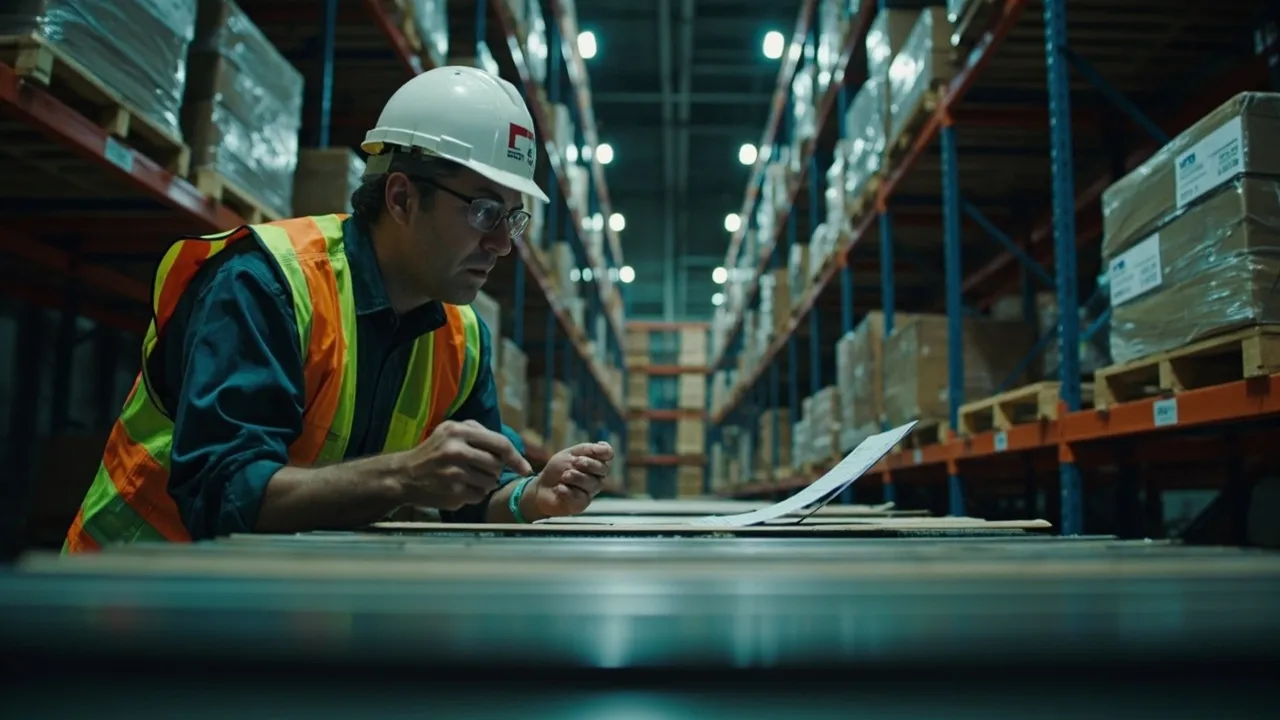
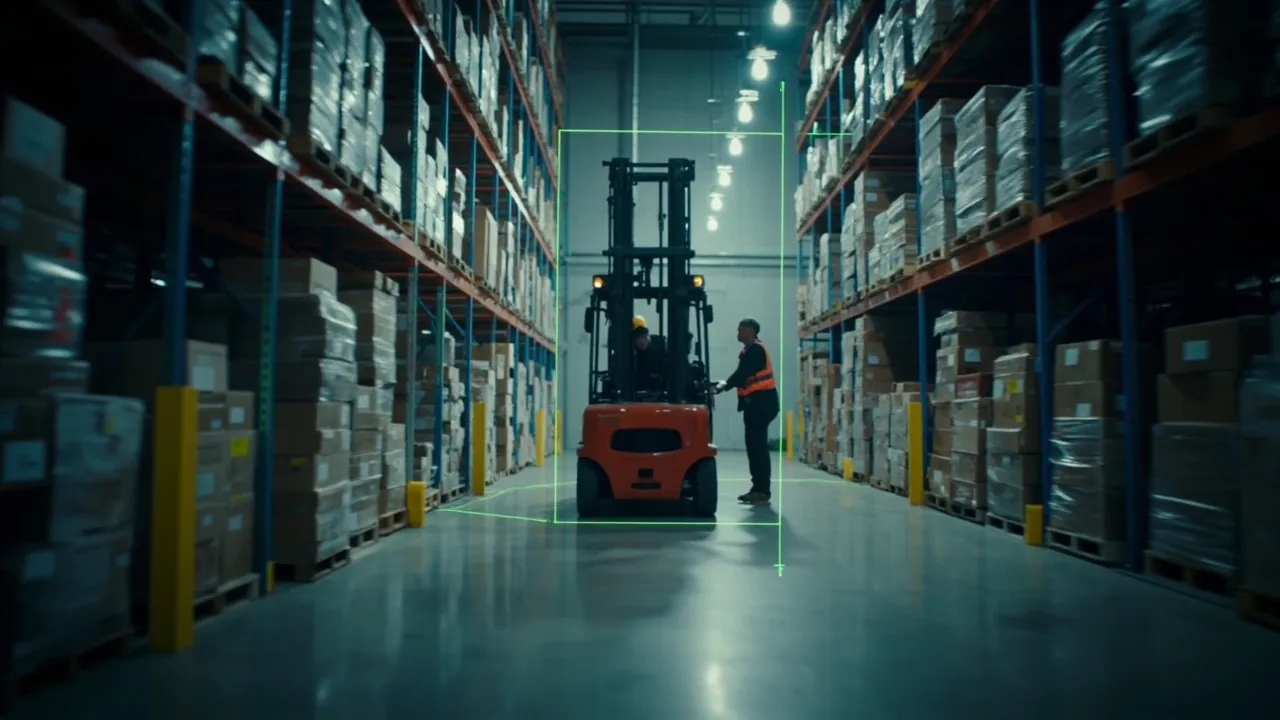
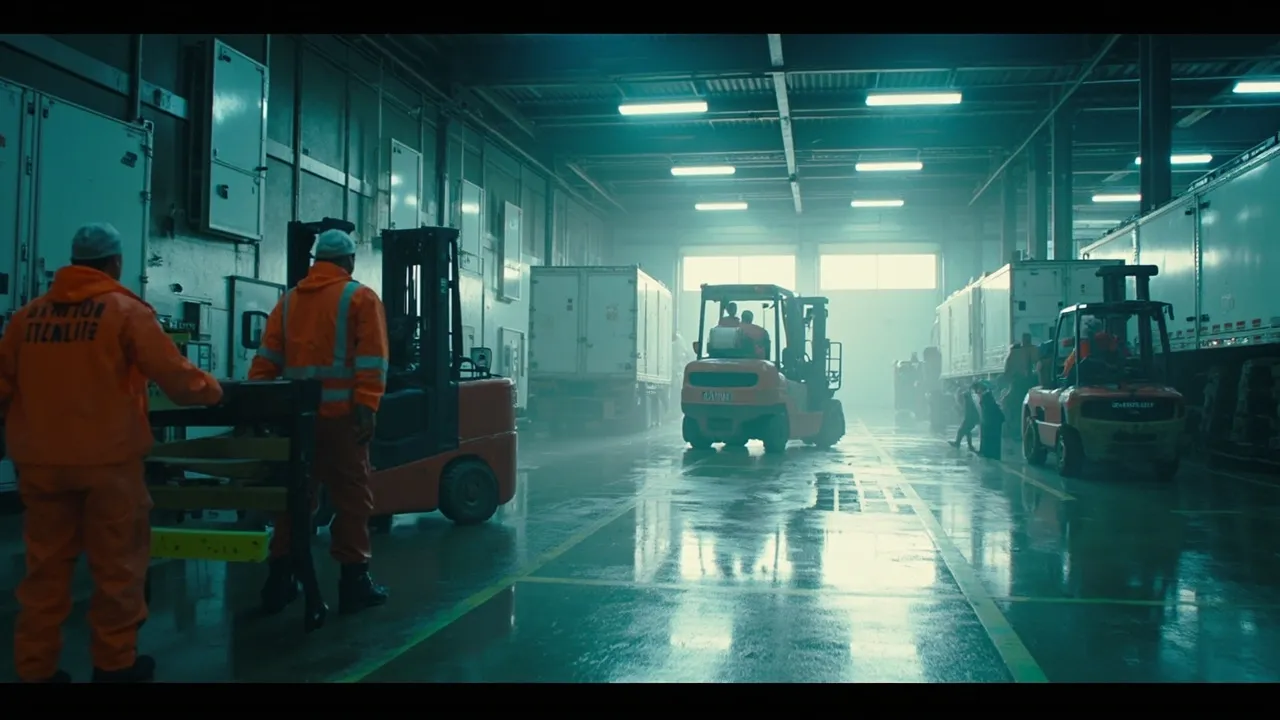
Industrial Ergonomics Just Moved Up the Supply Chain Agenda, and EASE 101 Explains Why

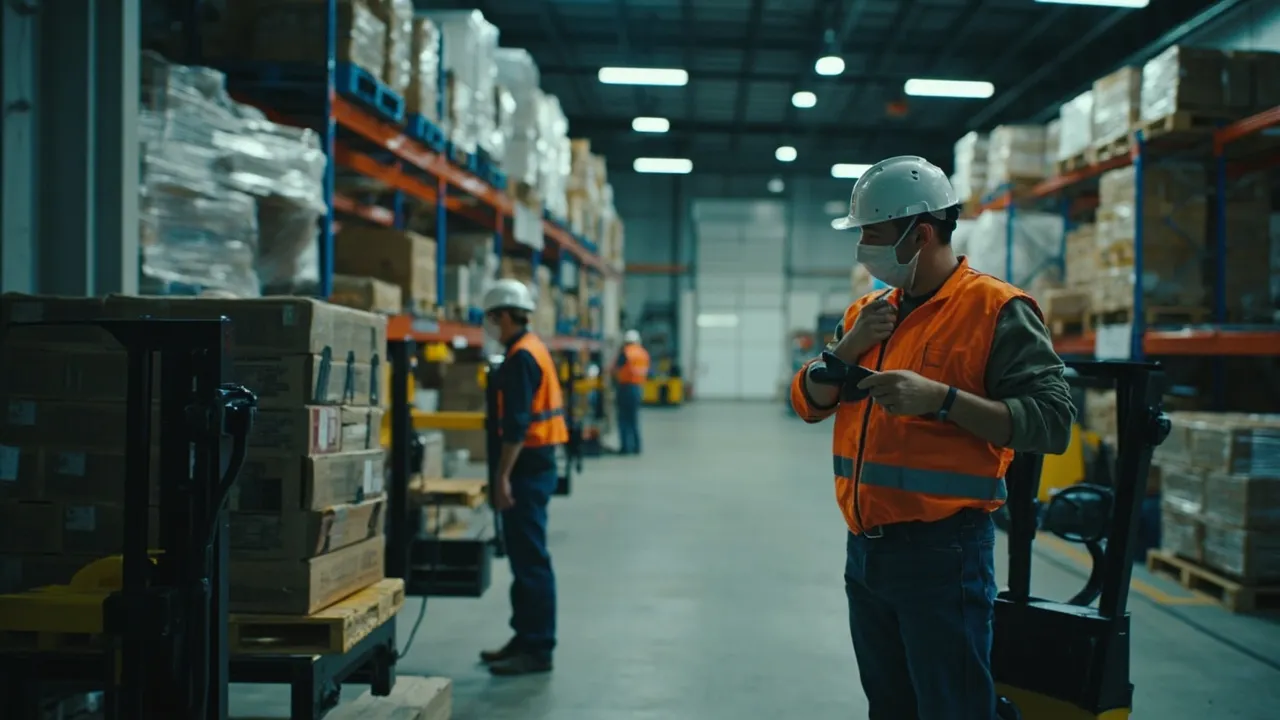
Industrial ergonomics has a branding problem. Too many operators still hear the word and think stretching posters, anti-fatigue mats, and a safety committee presentation nobody wanted to sit through.
That framing is obsolete.
The release of the EASE 101 Document from the EASE Industry Group of MHI is a useful reminder that ergonomics belongs much higher in the supply chain decision stack. The document lays out the basics clearly: ergonomics in industrial settings is about fitting work to real human capabilities, reducing exposure to force, awkward posture, and repetition, and cutting the fatigue, injuries, and operational inefficiencies that follow when jobs are poorly designed.
That matters more in 2026 than it did a few years ago because warehouses and freight operations are trying to do three hard things at once: move faster, automate selectively, and retain labor in an environment where job scope keeps expanding.
Ergonomics is now a labor strategy
One of the clearest signals comes from Logistics Management’s 2026 salary survey. The publication found that 76% of supply chain and logistics professionals say the number of functions they perform has increased over the last two to three years, up from 67% a year earlier. At the same time, 57% reported their salary increased, with the average raise at 7%, and the average annual salary rose to $126,400 from $120,600 in 2025.
Those numbers are not just compensation trivia. They describe a labor market where companies are asking more from fewer people and paying to keep capable operators, managers, and specialists in place. In that environment, ergonomic design stops being a “nice to have” and becomes part of the retention equation.
If dockworkers, pickers, packers, forklift operators, and line supervisors are working longer, handling more variation, and covering more processes, the physical design of the work matters more. Repetitive reaches, poor lift zones, awkward twist motions, bad cart design, and badly positioned scanners or screens all create drag. Some of that drag shows up as injury risk. Some of it shows up as slower picks, rework, fatigue-driven errors, and churn.
Either way, it costs money.
The automation wave makes ergonomics more important, not less
A lot of executives still assume ergonomics becomes less important as automation investment rises. That is backwards.
According to Modern Materials Handling’s coverage of the 2026 MHI and Deloitte annual industry report, 48% of surveyed supply chain leaders rate AI’s impact as significant or greater, up 25 percentage points from 2025. Robotics and automation rank second, at 39%, up 16 points year over year.
That means more operations are redesigning workflows right now. And every redesign creates an ergonomics decision, whether leaders acknowledge it or not.
Where do workers hand off to automation? How high are presentation points? How often does an operator need to bend, reach, scan, confirm, or intervene? Does a goods-to-person station actually reduce strain, or does it just concentrate different repetitive motions into a smaller footprint? Does a dock or packing line save labor on paper while creating fatigue spikes by hour six?
Bad automation design does not eliminate ergonomic risk. It can simply move that risk to exception handling, replenishment, maintenance interaction, or packaging steps.
That is why the EASE 101 release matters. It gives supply chain teams a plain-language entry point to ergonomics at the exact moment they are making capital decisions that will lock in workflow design for years.
The biggest gains are usually in boring places
Ergonomics tends to deliver the best returns in places that are operationally unglamorous.
Start with dock operations. Trailer loading, unloading, pallet breaking, and staging all involve force, repetition, and rushed movement under time pressure. A change in lift-assist equipment, cart design, workstation height, or product presentation can improve throughput and reduce fatigue at the same time.
Then look at picking and packing. These areas often contain thousands of micro-movements per shift. Small reductions in reach distance, better slotting logic, improved tote presentation, or better scan-and-confirm positioning compound fast. When teams say they want more productivity from labor, this is where the adult answer lives.
Returns handling is another overlooked candidate. Reverse logistics work is messy by default, with variable SKU sizes, uncertain product condition, and lots of inspection touches. Poor ergonomic design here drives inconsistency and fatigue almost immediately.
The point is simple: ergonomics is not some special program sitting beside operations. It is operations.
A practical framework for logistics leaders
If you run a warehouse, distribution network, or freight-heavy operation, do not overcomplicate this.
First, identify the tasks with the highest repetition, highest force, or worst posture exposure. You probably already know where they are because those processes also tend to generate the most complaints, training friction, and quality misses.
Second, pair safety review with productivity review. If a process creates strain, ask what it is doing to cycle time, error rates, absenteeism, and retention. The same bad design usually hurts more than one metric.
Third, force ergonomics into automation and facility design discussions earlier. Do not wait until after go-live to notice that a shiny new workflow still makes people twist, overreach, or handle exceptions in dumb ways.
Fourth, treat ergonomic improvements like operational investments. Measure them against labor stability, output consistency, and disruption reduction, not just incident counts.
That last point matters because injury reduction is only part of the payoff. Better ergonomics also means fewer slowdowns, fewer workarounds, and more sustainable performance across a full shift.
Why this belongs on the executive agenda now
The strongest argument for ergonomics in 2026 is not moral, though it is obviously good to avoid beating up your workforce. The strongest argument is operational.
Supply chains are under pressure to deliver more adaptable performance with less tolerance for labor volatility. At the same time, leaders are putting real money into AI, robotics, and workflow redesign. That combination makes ergonomics a boardroom issue, whether anyone calls it that or not.
EASE 101 does not solve the whole problem. But it does make one thing harder to ignore: better-designed work leads to safer teams and stronger performance. In logistics, that is not soft stuff. That is strategy.
If your team is rethinking how warehouse and transportation workflows fit together, book a CXTMS demo to see how CXTMS helps logistics operators build cleaner, more resilient execution across the network.