Amazon’s China Distribution Center for U.S.-Bound Seller Inventory Could Rewire Cross-Border Fulfillment in 2026

Amazon just made a very smart bet on where cross-border fulfillment is heading next: upstream inventory staging, not just faster last-mile execution.
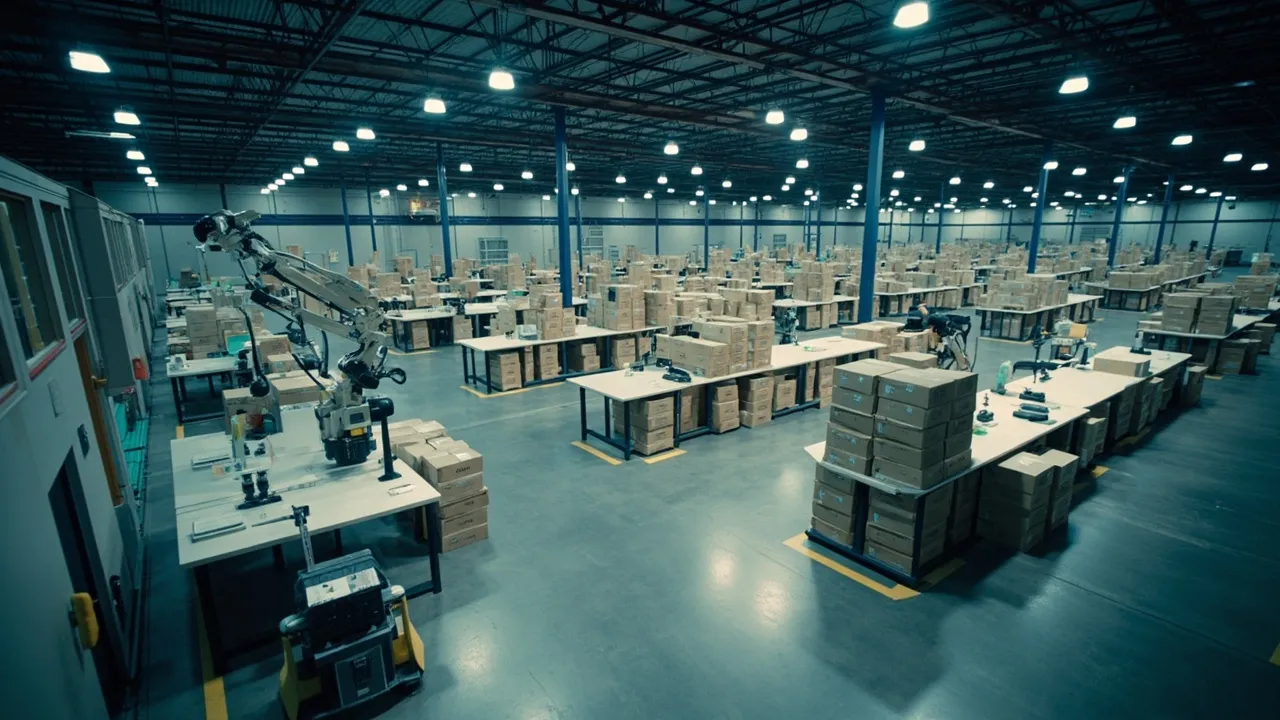
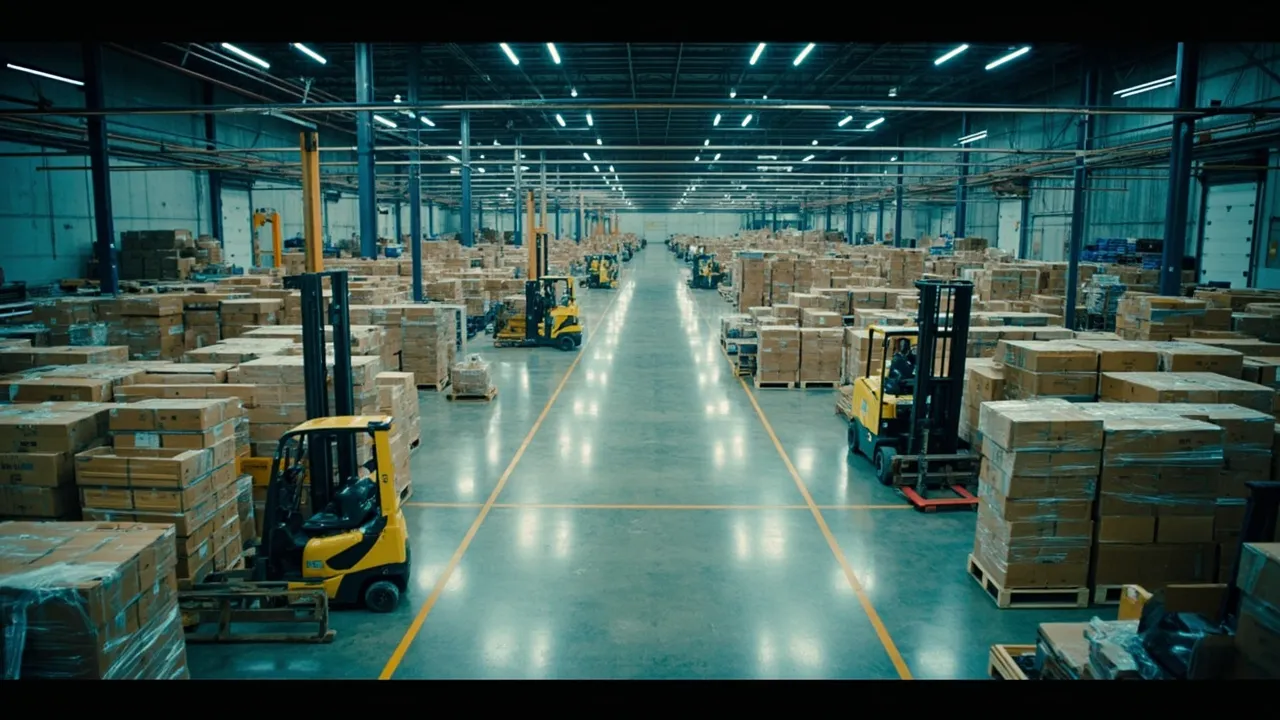
Its new Shenzhen distribution center lets sellers store U.S.-bound inventory in bulk near manufacturing origin, then replenish Amazon’s U.S. fulfillment network when demand actually materializes. According to Supply Chain Dive, Amazon says this model can cut storage costs by up to 45% versus its U.S.-based bulk storage services and move inventory into U.S. fulfillment centers up to seven days faster when paired with Amazon Global Logistics.
That combination matters because 2026 is not a normal replenishment year. Import demand is softer, tariff policy is still volatile, and brands are trying to protect cash without getting caught flat-footed on inventory. In that environment, a China-based staging node is not just a convenience feature. It is a network design move.
Why upstream staging changes the math
Traditional direct-export fulfillment forces sellers into a blunt choice. Either ship larger volumes into the U.S. early and carry more domestic inventory, or wait too long and risk stockouts once demand moves. Neither option is great when demand signals are uneven.
Amazon’s Shenzhen model creates a middle layer. Inventory can sit closer to factories, suppliers, and consolidation points, while sellers delay the final cross-border move until replenishment is justified. That improves three things at once:
- Cash flow, because inventory is not committed to U.S. storage as early
- Flexibility, because sellers can react to actual order velocity instead of forecasts alone
- Port and inland resilience, because replenishment can be timed more deliberately
For marketplace sellers, that is a meaningful shift. Cross-border fulfillment has usually penalized smaller brands that lack the balance sheet to hold deep U.S. stock. A lower-cost origin storage option reduces that penalty.
The macro backdrop makes the timing even more interesting
The broader import market helps explain why this launch lands now.
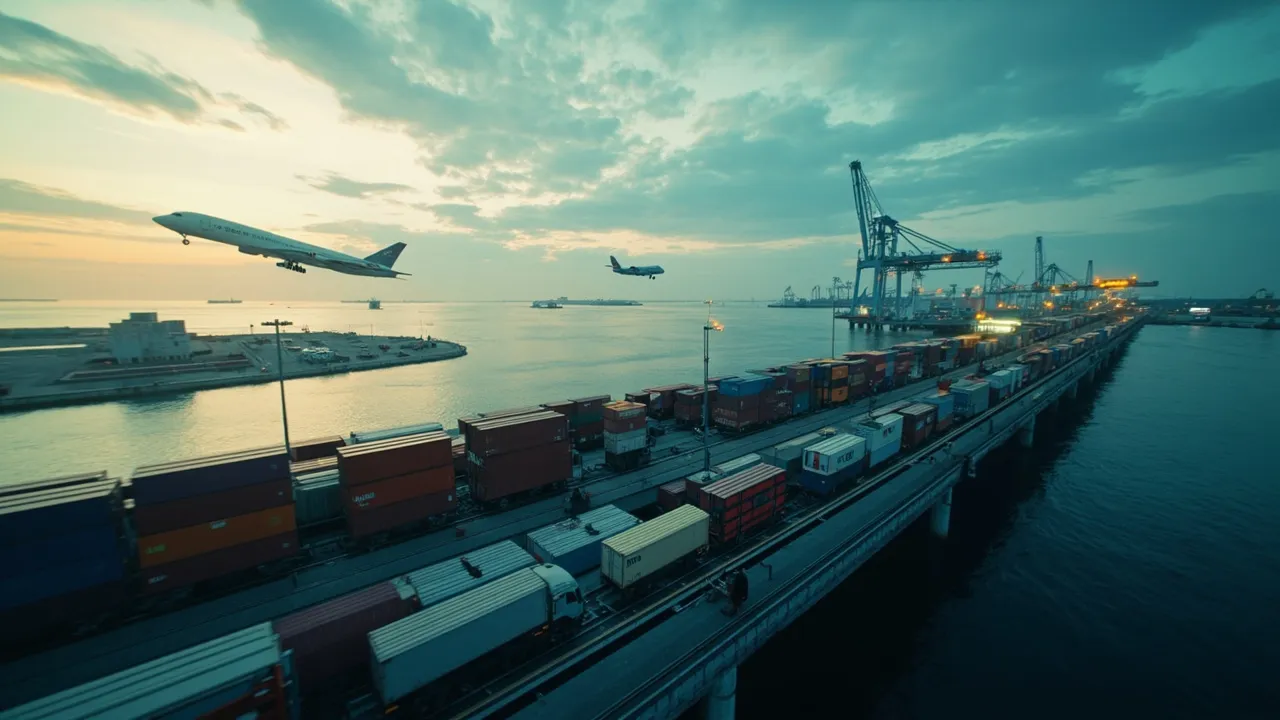
According to Logistics Management, U.S.-bound containerized imports totaled 2.46 million TEU in March, down 0.5% year over year and marking the seventh consecutive month of annual declines. Year to date through March, imports reached 7.35 million TEU, down 3.8% annually.
That does not mean trade is collapsing. It means importers are being more selective. S&P Global Market Intelligence also told Logistics Management that average tariff rates on U.S. imports fell to 9.0% in February, down from 11.2% in January, but warned that the outlook remains volatile. The firm is now calling for inbound U.S. import volumes to decline 12.9% in 2026 before recovering in 2027.
That is exactly the kind of market where upstream inventory pooling starts to look attractive. If volumes are normalizing and policy risk is still bouncing around, sellers want optionality more than they want brute-force inventory depth.
What this means for customs handoff and replenishment speed
The most important operational change here is not just storage location. It is the handoff between bulk origin inventory and demand-triggered U.S. replenishment.
Under a traditional model, brands often export directly from factory or forwarder-controlled storage into the U.S., then push inventory through domestic warehousing. That approach works, but it creates friction:
- inventory is committed earlier,
- customs planning happens in larger, more rigid cycles,
- and replenishment is tied to longer lead-time assumptions.
With Amazon controlling both the upstream storage point and the downstream fulfillment network connection, sellers get a more synchronized flow. Bulk inventory sits in Shenzhen until it is needed, then Amazon Global Logistics can move it into the U.S. network with less coordination drag.
That does not eliminate customs complexity, but it can make customs handoff more predictable because the inventory is entering a more integrated transport and fulfillment pipeline instead of bouncing across multiple disconnected providers.
For brands selling seasonal, promotional, or trend-sensitive products, that speed matters more than ever. A seven-day replenishment improvement is not cosmetic. In e-commerce, a week can be the difference between riding demand and missing it.
How it compares with traditional direct-export fulfillment
Direct-export fulfillment still has a place, especially for sellers with stable demand, limited SKU counts, or enough volume to justify steady U.S. stock positioning. But it has become less forgiving.
If demand weakens, U.S.-stored inventory ties up working capital. If demand spikes, replenishment cycles can still lag. And if trade policy changes, inventory already committed downstream becomes harder to reposition intelligently.
Amazon’s Shenzhen model is better understood as a hybrid between origin warehousing and destination fulfillment. It gives sellers some of the responsiveness of domestic replenishment without forcing them to place every unit domestically from day one.
That is especially relevant for sellers testing new products or entering the U.S. market with uncertain velocity. They can carry depth closer to production while delaying the most expensive commitment points.
What importers and marketplace brands should watch next
First, watch whether Amazon expands this model beyond Shenzhen into other Chinese manufacturing clusters. Supply Chain Dive reported that the company has signaled more locations in China are coming. If that happens, the strategy stops being a one-off facility launch and becomes a serious cross-border network layer.
Second, monitor how much seller adoption concentrates around specific product categories. Bulky goods, replenishable consumer products, and SKUs with volatile demand profiles are obvious fits. Commodity-like products with predictable turns may benefit less.
Third, pay attention to what happens at the port and drayage level if more inventory decisions get pushed later in the cycle. A more flexible replenishment model can improve inventory efficiency, but it can also compress decision windows. That shifts more pressure onto transport visibility and execution discipline.
Finally, importers should not mistake cheaper upstream storage for a full strategy. If your team cannot see inventory by node, track lead-time variability, or model replenishment timing against demand swings, then a better storage option only gives you a nicer place to make the same mistakes.
The CXTMS angle
Amazon’s Shenzhen move is a reminder that cross-border execution is becoming a timing problem as much as a transportation problem. The winners will be the teams that can stage inventory intelligently, trigger replenishment with confidence, and react before delays become stockouts.
CXTMS helps logistics teams do exactly that with better shipment visibility, inventory-aware planning, and faster exception response across cross-border networks. If your team is rethinking origin storage, U.S. replenishment, or marketplace fulfillment strategy, book a CXTMS demo and see how smarter transportation orchestration turns optionality into an operating advantage.