Customs
44 posts tagged with “Customs”
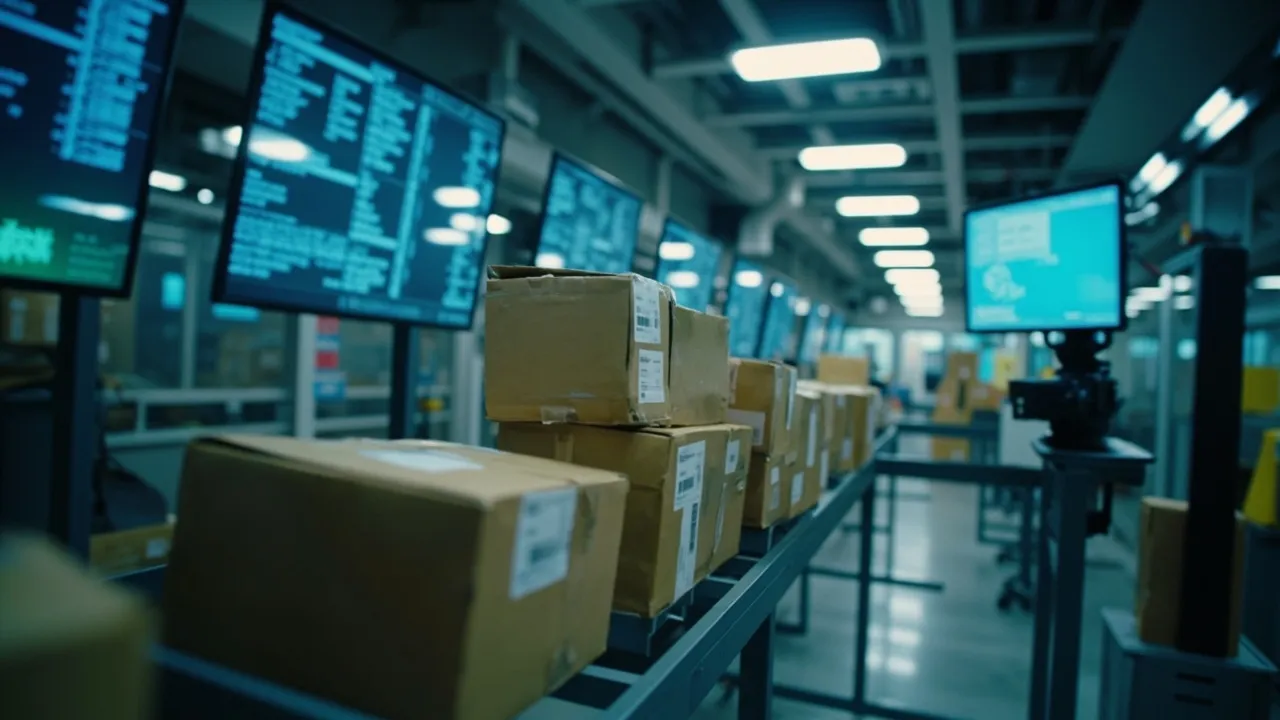
Cross-Border E-Commerce Growth Is Shifting the Fight From Delivery Speed to Data Quality
Cross-border e-commerce growth is making customs data, landed-cost visibility, parcel handoffs, and return-path control as important as delivery speed.
 CXTMS InsightsJuly 16, 2026 · 7 min read
Canada's Forced-Labor Watchdog Shift Raises the Bar for Import Compliance Data
Canada's forced-labor enforcement shift shows why importers need supplier evidence, origin data, product classification, and customs documentation ready before enforcement changes land.
CXTMS InsightsJune 18, 2026 · 6 min read
China Cross-Border E-Commerce Logistics Is Becoming a Paperwork-Speed Race
China’s cross-border e-commerce logistics market is growing fast, but customs data, overseas warehouses, parcel consolidation, and returns are making paperwork speed a real service differentiator.
CXTMS InsightsJune 12, 2026 · 7 min read
Saudi Bonded-Zone Logistics Is Turning Customs Speed Into a Parcel Advantage
Saudi Arabia's bonded-zone logistics buildout is compressing customs lead times and raising the bar for parcel execution, returns visibility, and next-day delivery promises.
CXTMS InsightsJune 12, 2026 · 6 min read
Customs Brokerage Is Turning Into a Capacity Constraint for Nearshoring
Nearshoring is pushing customs brokerage from back-office service to operational capacity constraint as border freight, tariff complexity, and forced-labor scrutiny rise.
CXTMS InsightsJune 11, 2026 · 6 min read
Smart Container Tracking Is Becoming a Pre-Clearance Tool, Not Just a Visibility Feature
Smart container tracking is moving beyond passive visibility into customs preparation, inland booking, and port-to-door execution control.
CXTMS InsightsJune 11, 2026 · 6 min read
U.S.-China Tariff Cut Comments Are a Customs Data Test, Not Just a Trade Policy Headline
Possible U.S.-China tariff cuts would create a customs data test for importers, forcing SKU-level scenario planning, landed-cost modeling, and faster freight execution decisions.
CXTMS InsightsJune 9, 2026 · 7 min read
Forced-Labor Tariffs Are Turning Origin Proof Into a Daily Logistics Control
Proposed forced-labor tariffs across 60 economies show why origin proof, labor-risk documentation, and customs exception workflows now belong inside daily logistics execution.
CXTMS InsightsJune 4, 2026 · 6 min read
Taiwan’s 15% Tariff Cap Turns Auto and Aircraft Parts Into a Classification Test
The finalized 15% Taiwan Section 232 tariff cap creates refund, entry-correction, and classification work for auto parts, wood products, and aircraft components.
CXTMS InsightsMay 31, 2026 · 6 min read
De Minimis Refund Limits Put Cross-Border Parcel Finance Under the Microscope
The U.S. position on de minimis tariff refunds shows why cross-border parcel importers need cleaner entry data, refund logic, and landed-cost reconciliation.
CXTMS InsightsMay 28, 2026 · 7 min read