Insights
Industry insights, integration guides, and product updates from the CXTMS team.

Miami Cargo Runway Closures: Build an Airport Diversion Clock Before Freight Backs Up
Miami runway closures show why airfreight teams need timed diversion triggers, alternate-airport capacity checks, and complete rerouting records.
 CXTMS InsightsSeptember 8, 20266 min read
Cargo Theft Risk Rises When Terminals Slow: Create a Dwell-Time Security Trigger
Turn terminal delays and shipment dwell into a practical cargo-theft risk score that triggers secure parking, escorts, and accelerated pickup.
CXTMS InsightsSeptember 8, 2026 · 6 min read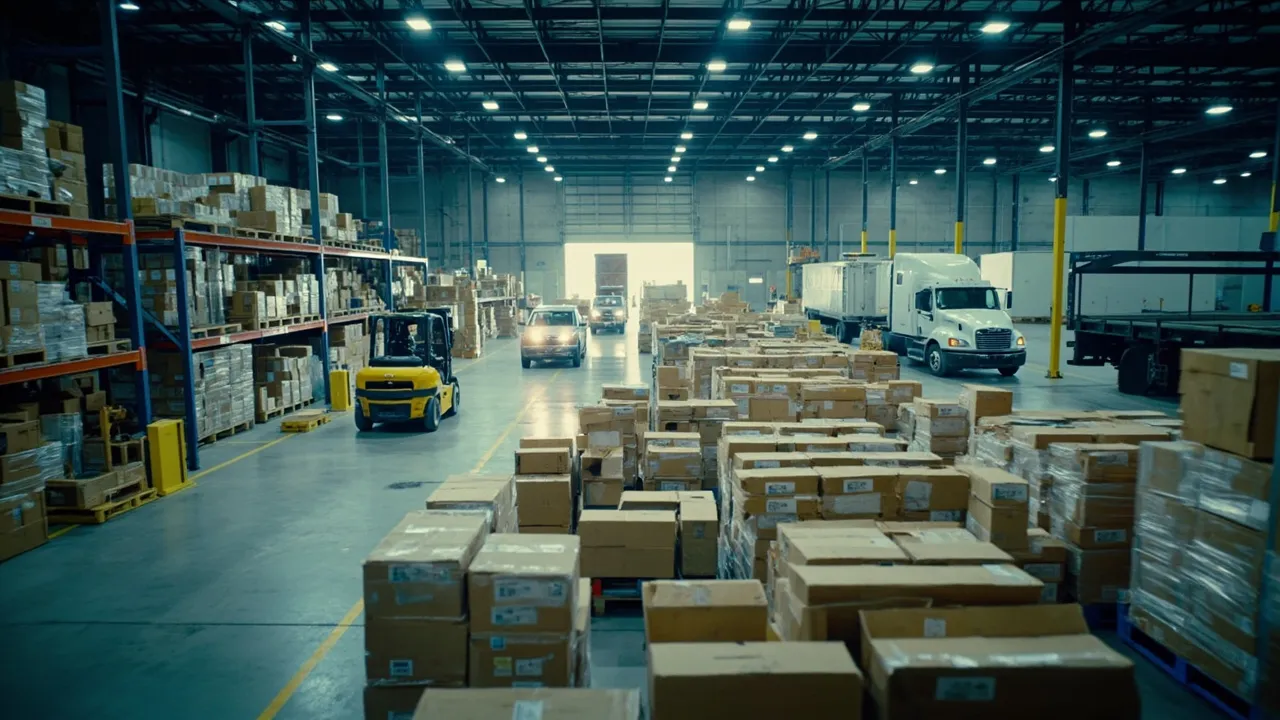
U.S. Factory Inventories Hit $966.9 Billion: Turn Stock Growth Into Freight Release Rules
U.S. factory inventories have reached $966.9 billion. Learn how manufacturers can distinguish strategic buffers from aging stock and create practical freight release rules.
CXTMS InsightsSeptember 8, 2026 · 6 min read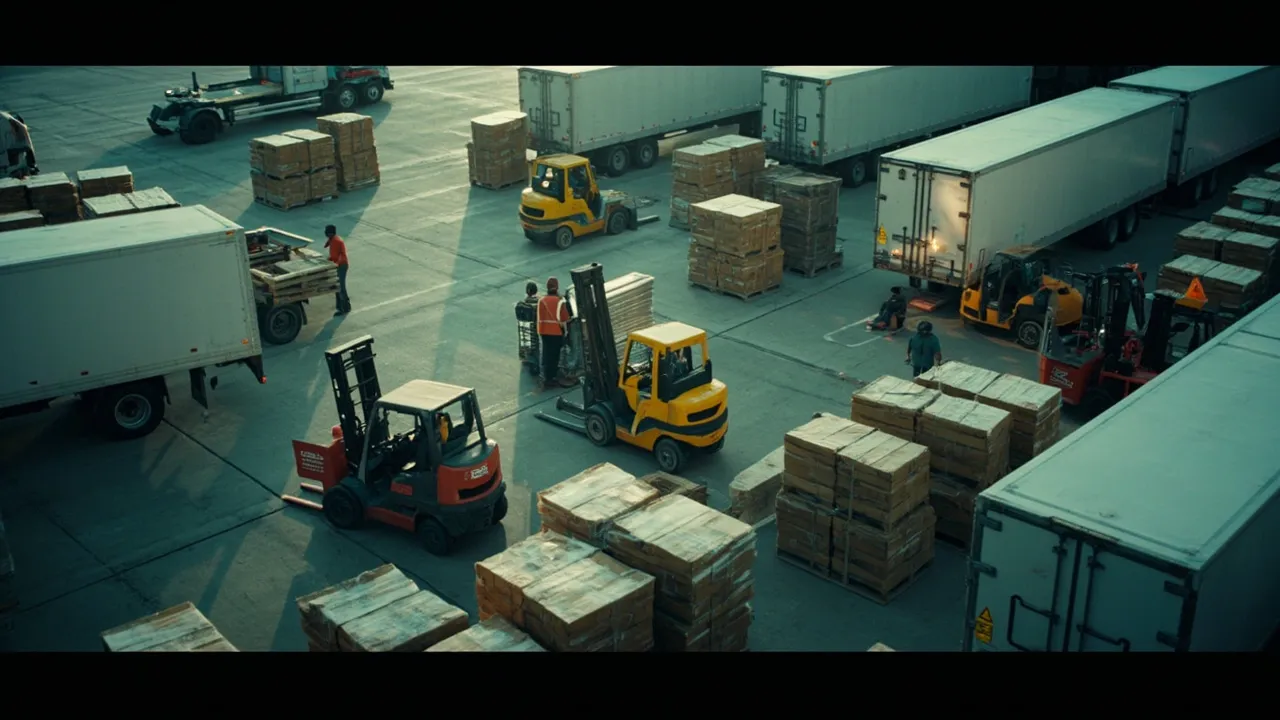
XPO's 5.7% Shipment Growth and Lighter Loads Change the LTL Cost Equation
XPO's August LTL metrics show why shippers must measure shipment count, weight, cube, density, and handling—not tonnage alone.
CXTMS InsightsSeptember 8, 2026 · 6 min read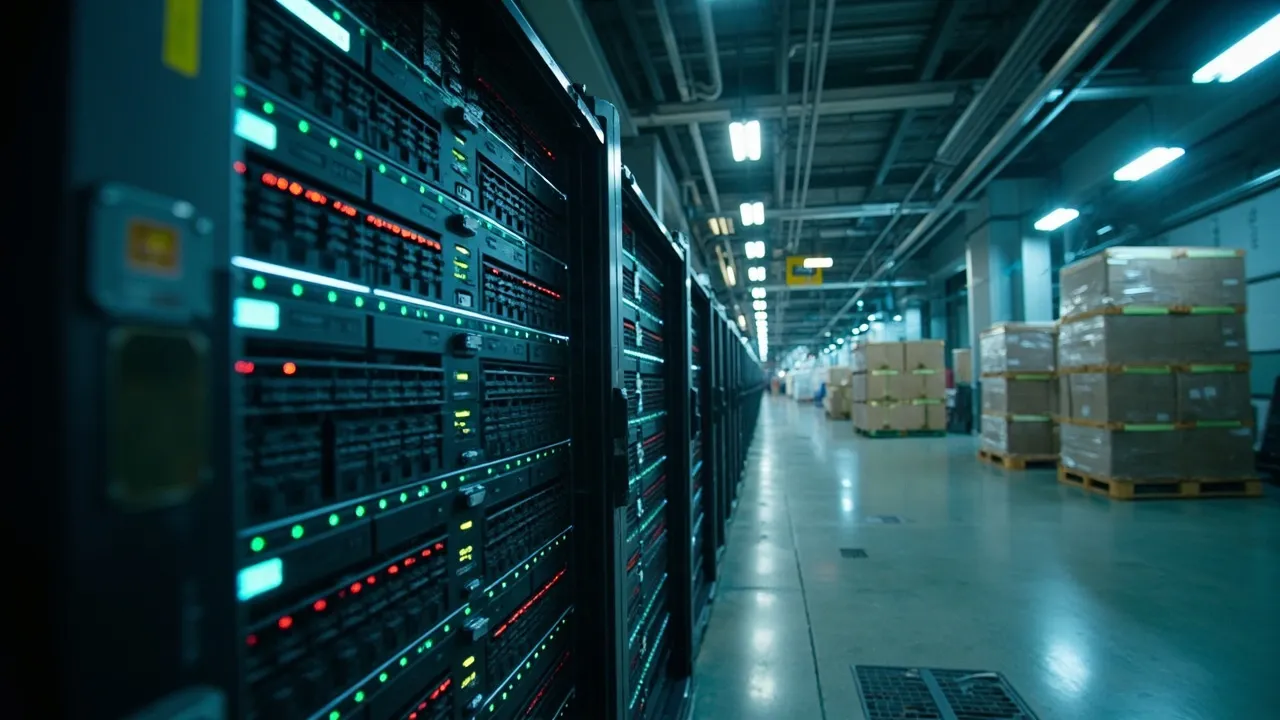
AI-Related Cargo Is Reshaping the Trans-Pacific Mix: Plan for Density, Value, and Urgency
AI servers, chips, cooling systems, and power equipment are creating a high-value Trans-Pacific freight segment that requires shipment-level planning.
CXTMS InsightsSeptember 7, 2026 · 5 min read
Arrive Logistics' New Investment Puts Brokerage Growth Controls Under the Microscope
Freight brokerage growth needs disciplined carrier onboarding, fraud prevention, service controls, and lane-level margin governance—not volume alone.
CXTMS InsightsSeptember 7, 2026 · 6 min read
August Manufacturing PMI at 54.6: Separate Freight Demand From Supply Constraint Noise
August's 54.6 manufacturing PMI still signals expansion, but freight planners need subindex-level rules to separate demand from supply constraints.
CXTMS InsightsSeptember 7, 2026 · 5 min read
The EU Forced-Labour Ban Turns Supplier Audits Into Product-Level Release Decisions
The EU forced-labour product ban requires importers to connect supplier, worker, lot, and shipment evidence before releasing goods into the market.
CXTMS InsightsSeptember 7, 2026 · 6 min read
European Energy Costs Hit 42% of Companies: Put Margin Risk Into the Logistics Network Model
European energy volatility is now a logistics network risk. Learn how to model site exposure, relocation tradeoffs, and margin-protection triggers.
CXTMS InsightsSeptember 7, 2026 · 6 min read
Fashion Supply Chains Are Keeping Geographic Diversity—Now They Need Allocation Rules
Fashion brands need order-level allocation rules that turn geographic supplier diversity into usable capacity, faster transfers, and compliance-ready sourcing.
CXTMS InsightsSeptember 7, 2026 · 6 min read