Logistics Firms Are Expanding Facilities Before the Freight Recovery Fully Arrives

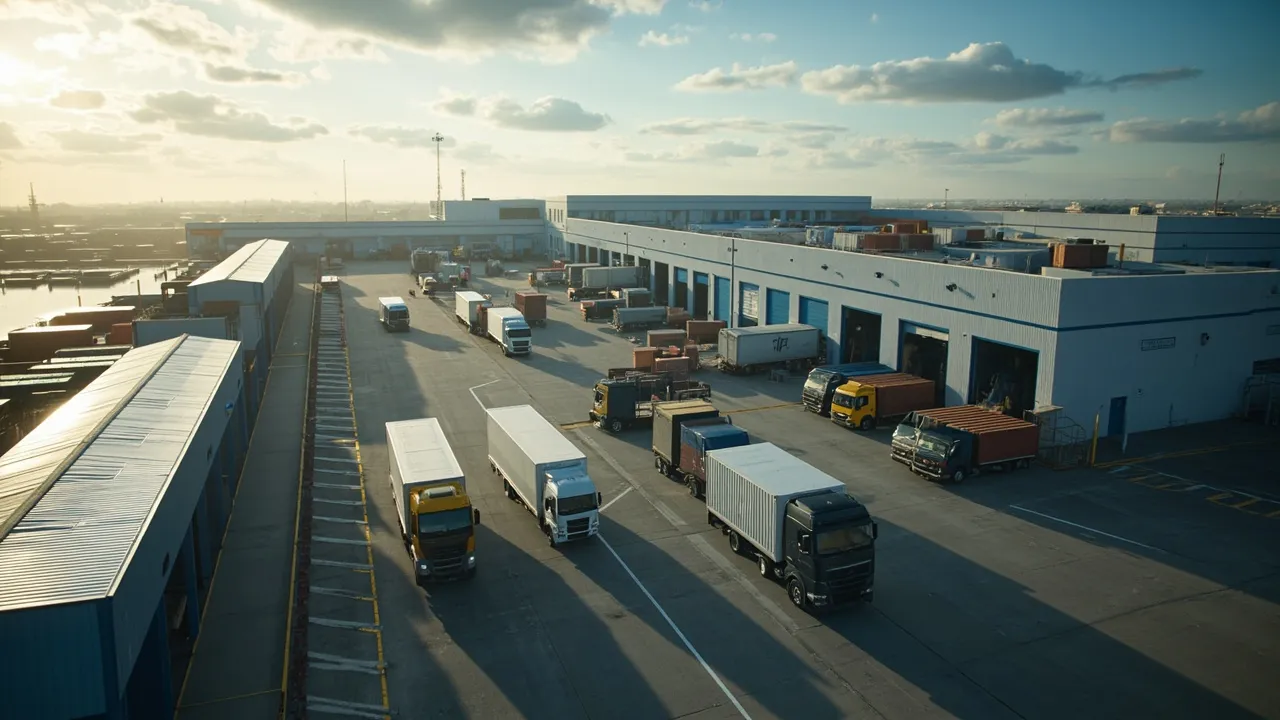
The freight recovery still feels uneven on the ground. Volumes are improving in some lanes, rates are firmer in others, and many shippers remain cautious after two years of weak demand and excess capacity.
Yet logistics firms are not waiting before building.
FreightWaves reported a wave of U.S. facility expansion announcements across trucking, warehousing, refrigerated logistics, port infrastructure, grain exports, and regional freight networks. The pattern matters because these are not all speculative warehouse bets. Many are targeted investments in cross-dock density, export handling, cold chain consolidation, labor pipelines, and regional freight positioning.
That distinction matters. A new building is not just real estate. It is a capacity signal.
Operators are investing through uncertainty
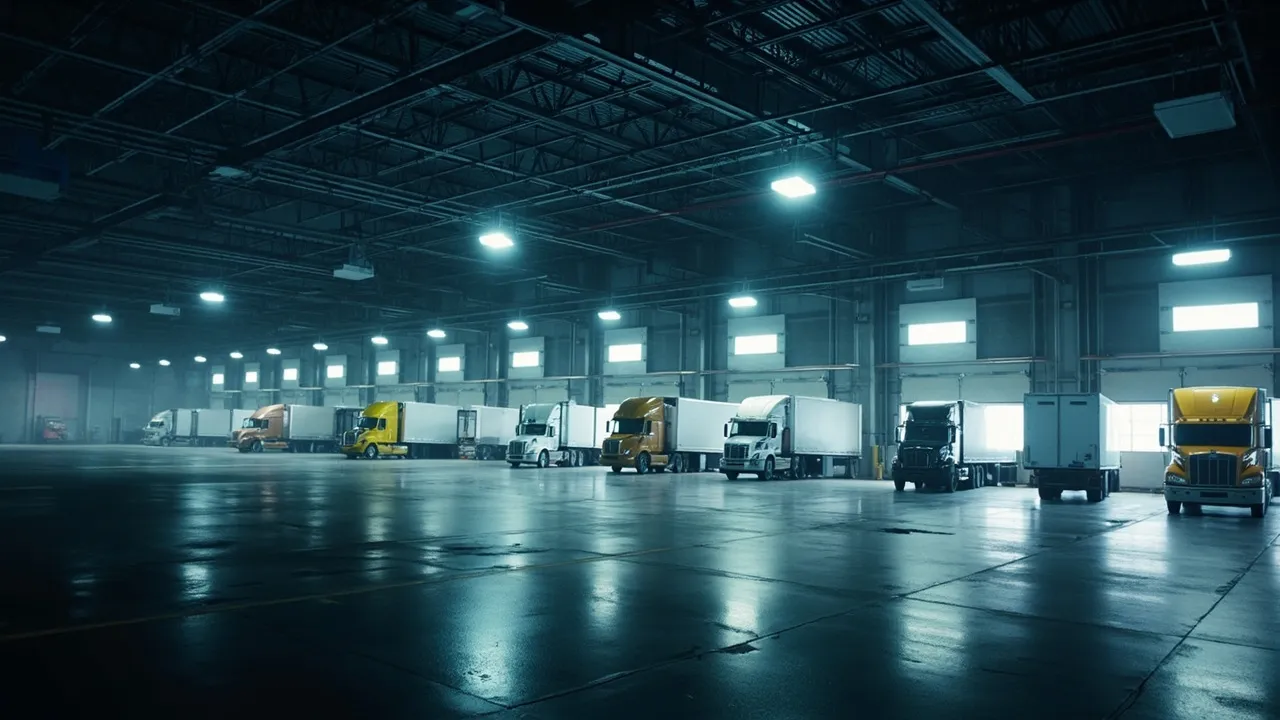
The headline projects show how broad the expansion cycle has become. FreightWaves reported that Averitt plans a Louisville regional campus with a 50,000-square-foot cross-dock terminal expandable to 160 doors, more than 286,000 square feet of warehouse space, parking for more than 300 trailers, and 64 new jobs over four years. The same report said Averitt's planned Charlotte-area campus will sit on 100 acres, include a 150-door cross-dock expandable to 200 doors, add more than 500,000 square feet of warehouse space, provide parking for over 400 trailers, and add 211 associates over four years.
Those are long-lead investments. With construction expected in 2028, the decision is less about today's tender volume than what the network will need when freight normalizes.
Other projects are smaller but equally revealing. Averitt added 8,500 square feet of enclosed dock warehousing in Ocala, Florida, bringing dock and warehousing capacity there to more than 36,000 square feet. Page Trucking announced a $514,000 Kentucky facility investment tied to diesel technician apprenticeship capacity and 10 new jobs. Echo Global Logistics expanded its refrigerated LTL network with a Sacramento cooler operating at 34 degrees Fahrenheit for West Coast and Mountain West consolidation.
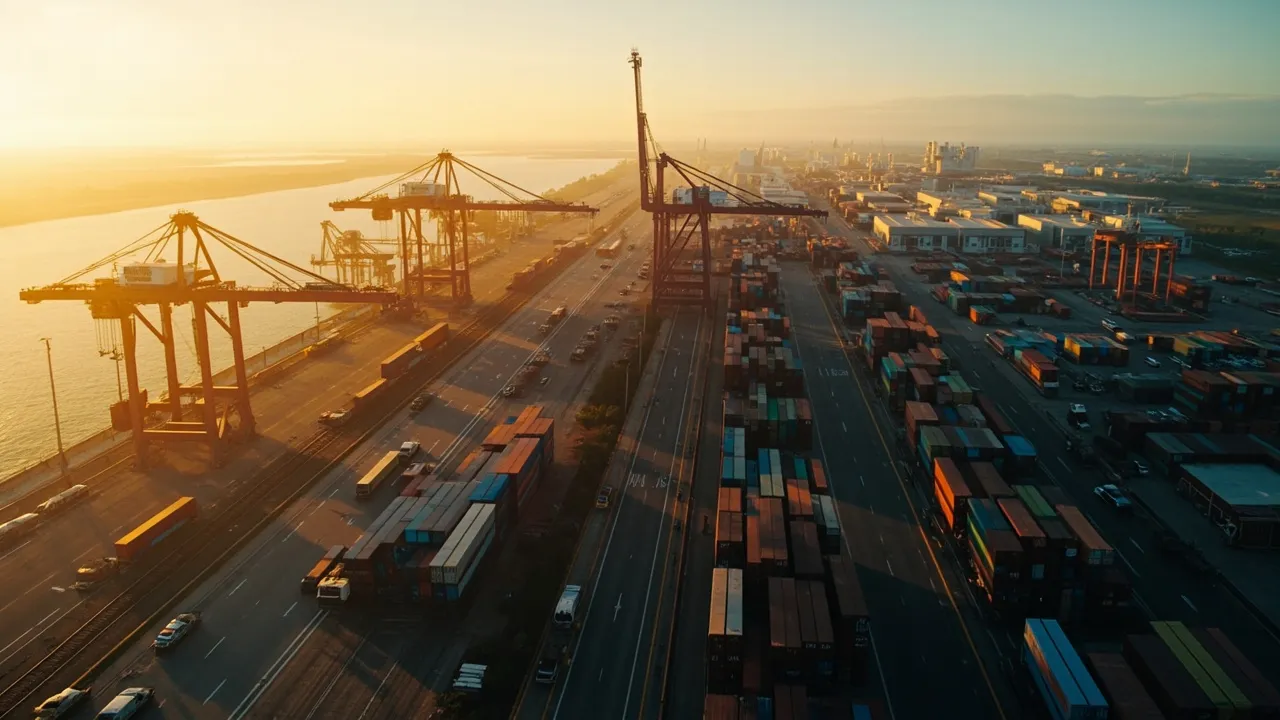
Port and export infrastructure are also moving. Consolidated Grain and Barge broke ground on a $47 million expansion at Ports of Indiana-Mount Vernon that will triple grain handling capacity, add 4.25 million bushels of storage, and increase truck unloading capacity by 200%. Baltimore's Seagirt Marine Terminal is adding a four-acre grain transloading facility with three silos totaling 60,000 bushels and capacity to load more than 200 containers per week once operational.
Those are several different capacity signals arriving at once.
Not every expansion means the same thing
Shippers should be careful not to treat every logistics building as a broad freight recovery forecast. A speculative warehouse, a refrigerated consolidation point, a cross-dock campus, and a port grain facility all point to different operational expectations.
A cross-dock expansion suggests confidence in regional freight density. More doors, more trailer parking, and bigger campuses help carriers reduce dwell, improve route sequencing, and support more frequent service. That matters most for shippers with time-sensitive regional distribution, LTL growth, or high appointment pressure.
A warehousing expansion can mean inventory is rebuilding, but it can also mean operators need flexible overflow space closer to consumption markets.
Cold chain expansion is more specialized. A 34-degree cooler in Sacramento does not just add square footage; it adds a regional consolidation node for refrigerated LTL. For food, beverage, life sciences, and temperature-sensitive consumer goods, that can change minimum shipment sizes, service options, and cost-to-serve calculations.
Port grain infrastructure points somewhere else again. Additional storage, unloading capacity, and containerized export capability affect agricultural exporters, drayage demand, inland barge connections, and container availability. Those benefits may not show up in a shipper's domestic truckload dashboard, but they can reshape regional congestion and equipment cycles.
The market backdrop supports selective capacity bets
The broader logistics data explains why operators are willing to build before the recovery feels obvious.
Logistics Management reported that the April Logistics Managers' Index reached 69.9, up 4.2% from March's 65.7, its fastest expansion rate since March 2022. The article noted that transportation prices rose 5.6% to 95.0, the second-fastest expansion rate for any LMI metric in the index's nearly 10-year history, while transportation capacity fell to 28.4, down 10.9% from March.
The same report said inventory costs stood at 74.7 and warehousing prices rose 5.3% to 72.7, both above the 70 threshold associated with significant expansion. The market can feel messy and still become more expensive, tighter, and more capacity-sensitive.
That is exactly when well-placed facilities matter. When transportation capacity tightens, a carrier with more dock doors in the right market can turn freight faster. When warehouse prices rise, access to flexible space becomes a negotiation advantage. When inventories rebuild unevenly, regional nodes can absorb volatility without forcing every exception into premium transportation.
Inbound Logistics' April 2026 roundup points to the same practical theme. The Port of Nevada completed construction progress on a 238,680-square-foot industrial building with 25 loading docks, four drive-in ramps, and 104 trailer stalls. Dayton Freight opened a Collinsville, Illinois, service center on more than 100 acres with 100 doors and a heated dock. These details matter because doors, trailer stalls, dock design, and intermodal positioning determine how much usable capacity a site really contributes.
How shippers should read facility expansion
Facility announcements are useful, but only if logistics teams translate them into planning questions.
Start with location. Is the expansion near a port, rail ramp, airport, production cluster, population center, or chronic congestion point? A facility near Charlotte Douglas International Airport says something different than one near a grain export terminal.
Next, read the asset type. Cross-dock doors point toward velocity. Warehouse square footage points toward storage. Cooler space points toward refrigerated consolidation. Trailer parking points toward linehaul flexibility. Technician programs point toward fleet uptime.
Then look at timing. A project opening in 2028 is a strategic network bet. A dock expansion already online can affect current routing. A facility scheduled for late 2026 may be worth including in upcoming bid strategy, especially if it changes carrier density in a target region.
Finally, connect the expansion to your own lanes. If it overlaps with your store network, suppliers, customers, ports, or temperature-controlled lanes, it should inform bid lists, routing guide design, appointment assumptions, and contingency planning.
The CXTMS view
Facility expansion is not a guarantee that the freight recovery has arrived. It is better than that: it is a map of where operators expect capacity to matter next.
Shippers that wait for the recovery to appear in invoices will react late. Shippers that track facility signals can adjust routing guides, carrier conversations, warehouse strategy, and exception playbooks before capacity tightens.
CXTMS helps logistics teams turn those external signals into operational decisions: lane analysis, carrier performance, appointment visibility, cost tracking, and network planning workflows in one transportation management platform. When the market shifts, the winning teams will not be the ones with the most headlines saved. They will be the ones that can convert those signals into better freight execution.
Ready to make capacity planning less reactive? Request a CXTMS demo and see how connected workflows can help your team plan around the next capacity cycle.