Regional Warehouse Acquisitions Are Turning 3PL Footprints Into Resilience Assets

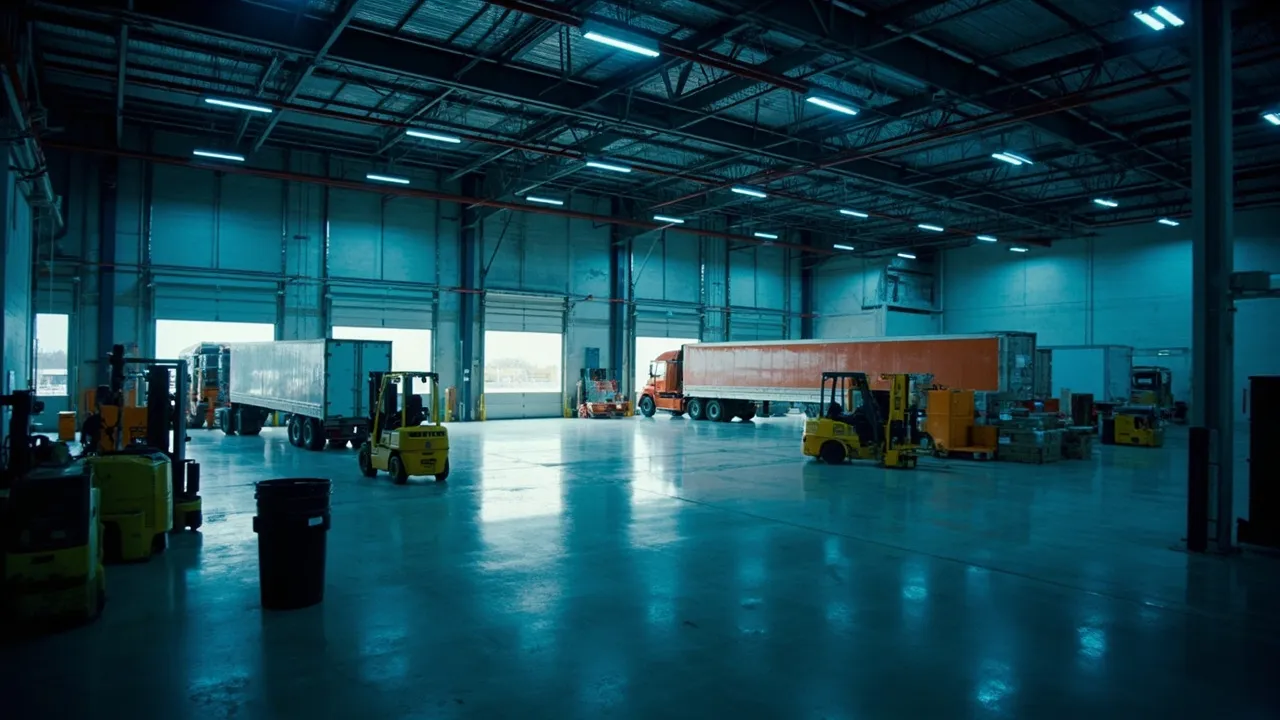
Regional warehouse acquisitions are starting to look less like real estate expansion and more like supply chain insurance.
That is the useful lens for shippers watching 3PLs add facilities in secondary and regional markets. The old question was simple: does the provider have enough square footage near the customer? The better question now is sharper: can that footprint absorb disruption, reposition inventory, keep transportation options open, and recover service when a port, carrier, supplier, or demand pattern breaks the plan?
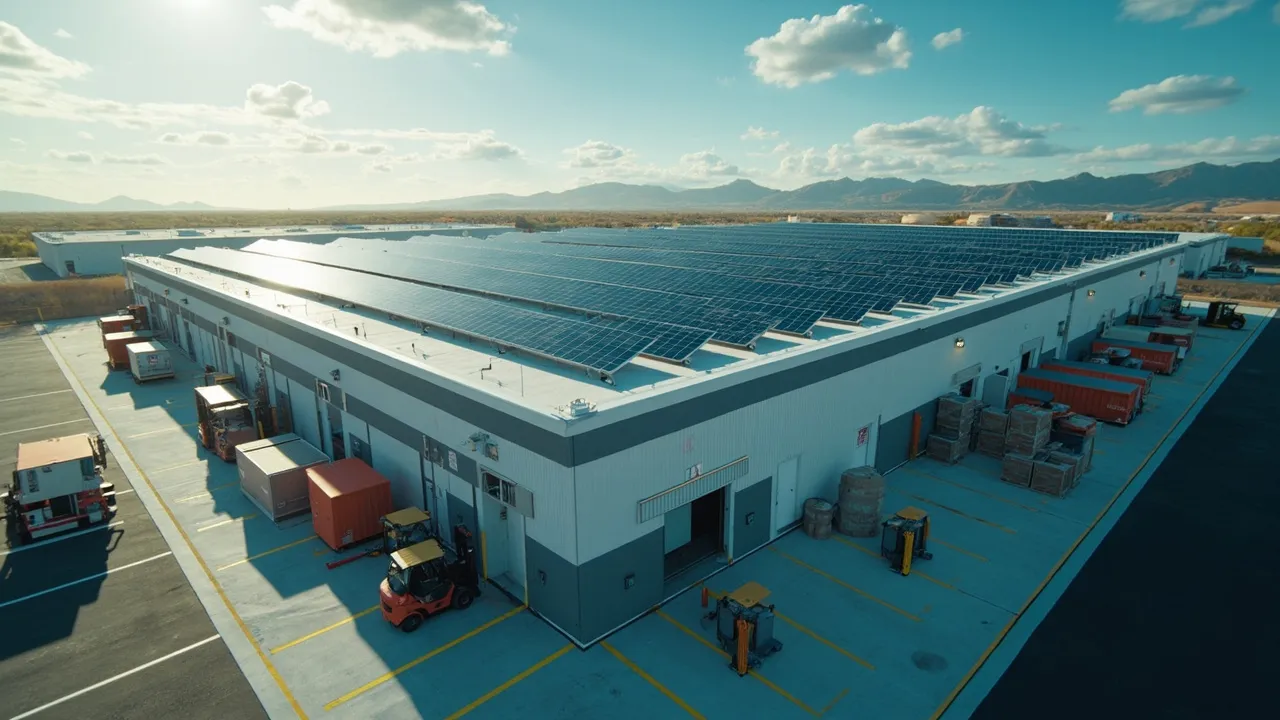
A recent example makes the point. FreightWaves reported that RBW Logistics acquired World Group’s warehousing business, including World Distribution Services and Pacific Cascade Distribution. The deal expands RBW’s national presence into Sumner, Washington; Norfolk, Virginia; and Columbus, Ohio, while adding capacity at its Savannah, Georgia campus. RBW described the move as a way to create stronger network connectivity and more flexibility for customers.
That phrase—network connectivity—is doing a lot of work. In modern logistics, warehouse capacity is not just storage. It is a node in a transportation system.
3PL Demand Is Still Growing
The acquisition activity is happening against a 3PL market that is still expanding despite mixed freight conditions. Logistics Management, citing Armstrong & Associates, reported that U.S. 3PL net revenues rose 5.1% in 2025 to $138.2 billion, improving from a 1.8% gain in 2024. Gross revenues increased 5.0% to $323.4 billion across the major 3PL segments: Dedicated Contract Carriage, Value-Added Warehousing and Distribution, International Transportation Management, and Domestic Transportation Management.
The warehousing numbers matter most for this topic. Armstrong’s data showed Value-Added Warehousing and Distribution gross revenue at $72.7 billion in 2025, up 4.4% year over year, with net revenue also at $56.1 billion, up 4.4%. The firm also noted stabilizing warehouse vacancy rates, slowing rent growth, changing tenant requirements, and continued demand for big-box facilities above 500,000 square feet.
Translation: shippers are not simply outsourcing because they want less operational responsibility. They are outsourcing because the network itself is harder to manage. Tariff swings, inventory repositioning, regional fulfillment expectations, carrier volatility, and port risk all make fixed, single-node distribution models look brittle.
Square Footage Is the Lazy Metric
Warehouse RFPs still over-index on obvious questions: total square feet, dock doors, racking, lease term, labor rate, and distance to the nearest interstate. Those details matter, but they are not enough.
A resilience-focused 3PL evaluation starts with labor depth. Can the facility flex staffing during seasonal surges, product launches, customs releases, or recovery from a missed inbound window? Is the local labor market stable, or is the 3PL competing with every retailer, manufacturer, parcel carrier, and food distributor in the region? A building without dependable labor is just expensive shelter.
Systems integration is the next filter. A regional warehouse only improves resilience if inventory, order status, dock appointments, shipment milestones, and exceptions flow cleanly into the shipper’s operating systems. If the node relies on manual emails, spreadsheet uploads, or delayed status updates, it may add capacity while reducing control. The operational win comes when warehouse events and transportation events are visible in the same decision cycle.
Cross-dock capability also deserves more attention. A facility that can receive, sort, stage, consolidate, deconsolidate, and push freight back out quickly gives shippers options when plans change. It can support pool distribution, store replenishment, transloading, regional parcel injection, emergency replenishment, and inventory balancing. Storage alone creates buffer. Cross-docking creates maneuverability.
Regional lane density may be the most underrated factor. A warehouse in a promising market is useful only if it connects to enough reliable transportation options. Shippers should ask which carriers serve the node regularly, how much outbound volume the 3PL controls, whether backhaul opportunities exist, and how quickly the provider can shift between truckload, LTL, intermodal, port drayage, and parcel.
Regional Nodes Create Transportation Optionality
The biggest resilience benefit of regional warehousing is transportation optionality. When inventory sits in one centralized facility, every disruption becomes binary: the node works or the network hurts. When inventory is staged across a thoughtful regional footprint, planners have more ways to recover.
A Southeast node near Savannah can support import-heavy flows, regional distribution, and inland repositioning. A Pacific Northwest node can reduce dependence on a single West Coast gateway or shorten service to western customers. A Columbus-area node can tap dense Midwest lanes and reach a large share of U.S. consumers within practical transit windows. Norfolk brings another port-adjacent option into play.
None of those locations is magic by itself. The value comes from how the nodes interact. A 3PL footprint becomes a resilience asset when it lets shippers shift demand, reroute inbound freight, move inventory closer to volatile markets, and protect service levels without rebuilding the network from scratch.
This is also where transportation management and warehousing strategy collide. Inventory buffers are not merely finance decisions. They change freight mode selection, tender timing, carrier mix, appointment behavior, and customer promise dates. A regional node can reduce expedited freight, but only if replenishment rules and transportation execution are coordinated. Otherwise, the company just spreads inventory around and hopes for the best. Hope is a terrible operating model.
What Shippers Should Ask Before Choosing a 3PL Footprint
The better 3PL conversation starts with scenarios, not brochures.
Ask what happens if a port backs up for two weeks. Ask how the provider would support a sudden volume shift from one region to another. Ask whether inventory can be reallocated across facilities without manual rework. Ask how quickly a new customer, SKU family, or carrier can be onboarded. Ask which warehouse milestones flow into the TMS automatically. Ask how exceptions are flagged, who owns them, and how fast transportation teams see them.
Also ask for evidence. A provider should be able to show performance history by facility, labor availability, integration options, outbound carrier coverage, inbound appointment discipline, damage rates, inventory accuracy, and recovery playbooks. If the answer is mostly “we are flexible,” keep digging. Flexibility without process is just improvisation with better branding.
Turn the Footprint Into a Managed Network
Regional warehousing is not automatically resilient. It becomes resilient when the footprint is connected to transportation execution, inventory policy, customer commitments, and exception management.
That is where CXTMS-style operating discipline matters. Shippers need shipment visibility, carrier performance, appointment status, warehouse handoffs, inventory movement, and exception workflows in one control layer. The goal is not to admire a bigger 3PL map. The goal is to make faster decisions when demand shifts, capacity tightens, freight is delayed, or customers need a recovery plan.
If your team is evaluating 3PL footprint changes, regional warehouse partners, or transportation workflows tied to inventory positioning, schedule a CXTMS demo. A resilient network is not built from square footage alone. It is built from connected decisions.