Ocean Freight
111 posts tagged with “Ocean Freight”
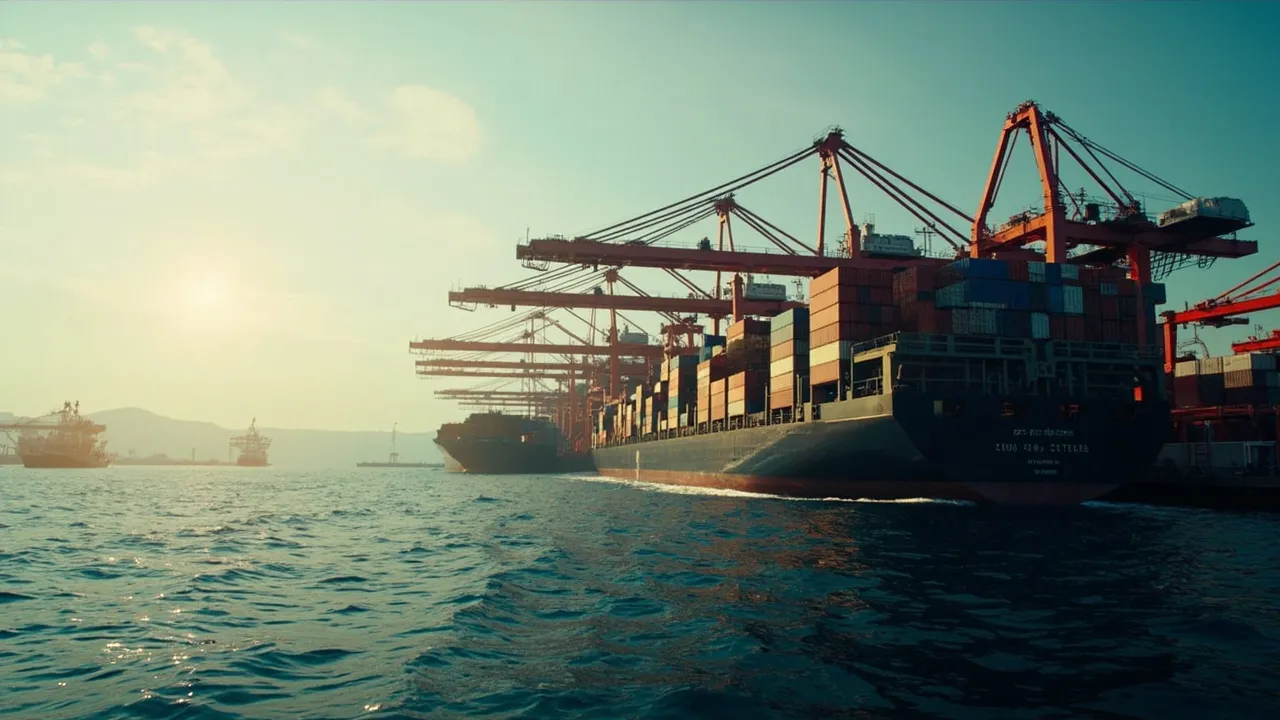
Ocean Carrier Sale Risk: What Zim-Hapag-Lloyd Uncertainty Means for Shipper Contracts
The proposed Zim-Hapag-Lloyd transaction shows why shippers need contract, capacity, and booking continuity plans before carrier ownership changes.
 CXTMS InsightsAugust 14, 2026 · 5 min read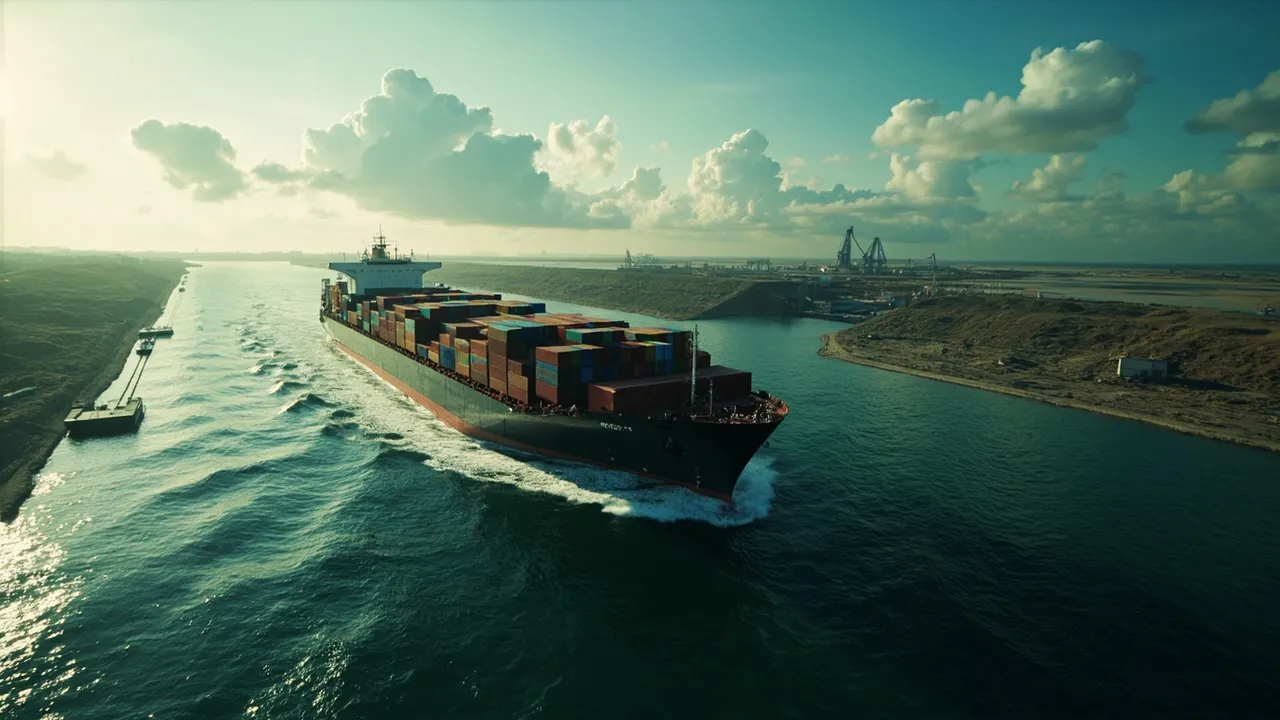
Panama Canal Draft Restrictions Need a Cargo-Weight Decision Tree
Panama Canal draft restrictions turn cargo weight into a routing constraint. Use a decision tree to protect bookings, inventory, and delivery dates.
CXTMS InsightsAugust 14, 2026 · 6 min read
Demurrage and Detention Invoices Need a 30-Day Evidence Clock
Build a 30-day evidence clock for demurrage and detention invoices so teams can validate free time, document exceptions, and dispute charges on time.
CXTMS InsightsAugust 11, 2026 · 6 min read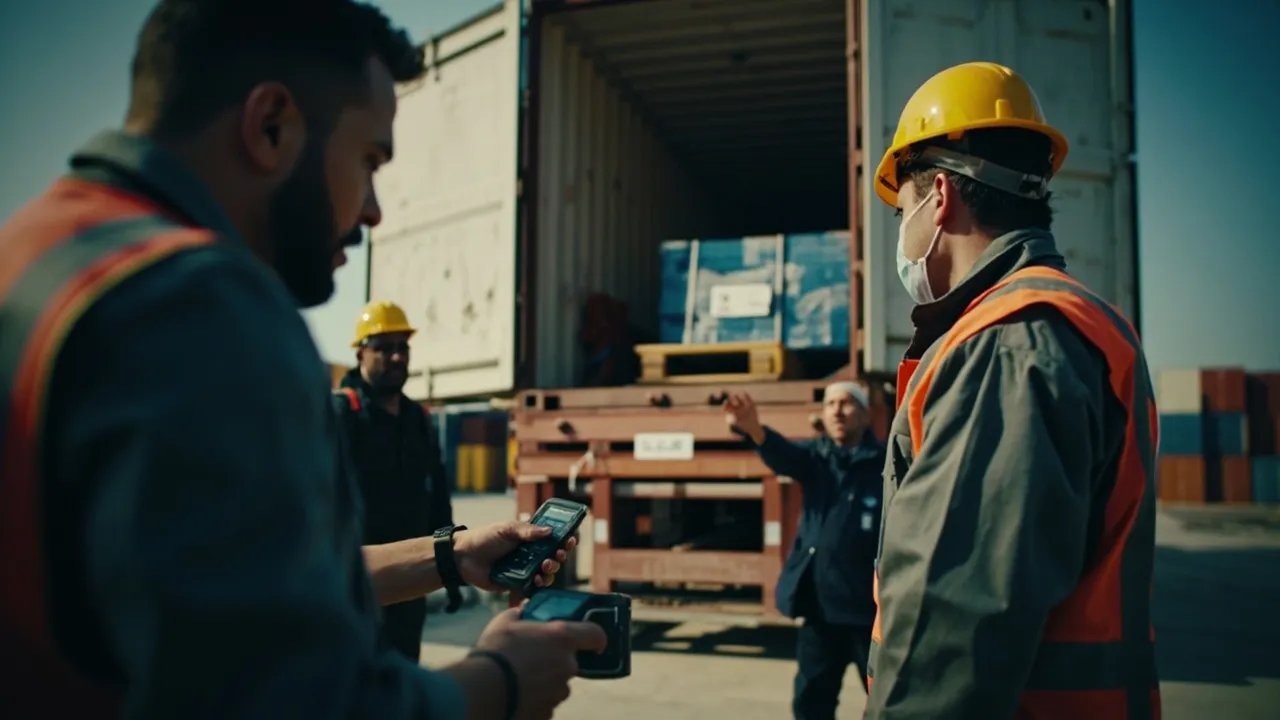
Secondary Consolidator NVOCCs: Who Owns the LCL Shipment When Freight Changes Hands Twice?
Learn how to track custody, bills of lading, milestones, rates, and claims when an LCL shipment moves through a secondary consolidator NVOCC.
CXTMS InsightsAugust 11, 2026 · 6 min read
The Early U.S. Container Import Surge Is Ending: Reset Purchase Orders Before Peak Season
The early U.S. container import surge is cooling. Learn how to reconcile purchase orders, inbound inventory, and sailing commitments before peak season.
CXTMS InsightsAugust 10, 2026 · 6 min read
Matson's Profit Surge Turns China Demand Into a Contract-Timing Signal
Matson's stronger China results reveal when premium trans-Pacific demand should trigger an ocean contract extension, rebid, or split-capacity strategy.
CXTMS InsightsAugust 8, 2026 · 5 min read
ONE Raised Its Full-Year Profit Outlook 200%: What Ocean Shippers Should Verify Before Contracting
ONE tripled its FY2026 profit forecast, but ocean shippers need allocation, blank-sailing, surcharge, and service evidence before changing contract strategy.
CXTMS InsightsAugust 6, 2026 · 6 min read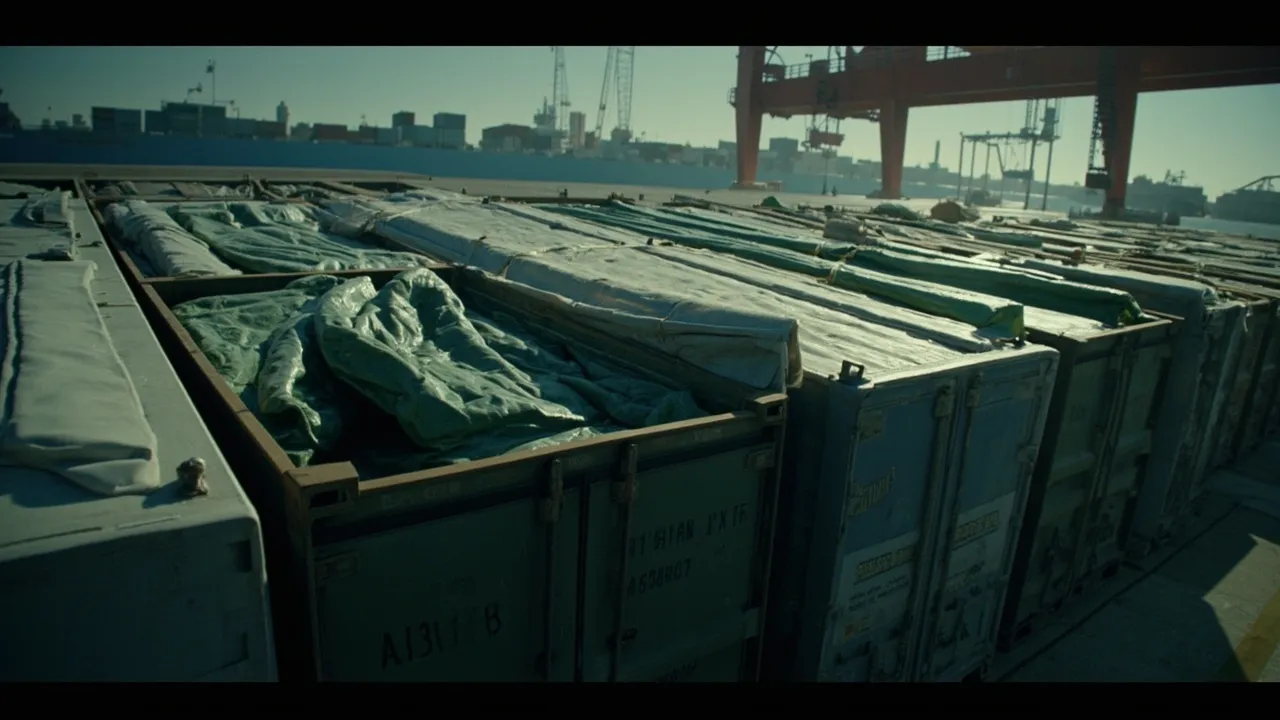
Chilean Produce's New East Coast Cold-Chain Route Makes Fumigation a Transportation Milestone
A new Chile-to-Wilmington produce route shows why fumigation, temperature control, and regulatory release must be planned as transportation milestones.
CXTMS InsightsAugust 4, 2026 · 6 min read
HMM Pauses Ten 13,000-TEU Ship Orders: A Capacity Signal Ocean Shippers Should Track
HMM's pause on ten planned container ships shows why ocean shippers should track the vessel pipeline alongside spot rates and contract commitments.
CXTMS InsightsAugust 3, 2026 · 6 min read
CMA CGM’s Terminal Joint Venture Makes Berth Optionality a Procurement Metric
CMA CGM’s new terminal joint venture shows why ocean freight procurement should score berth access, dwell exposure, and inland alternatives alongside rates.
CXTMS InsightsAugust 1, 2026 · 6 min read