Insights
Industry insights, integration guides, and product updates from the CXTMS team.

Fashion Brands Are Consolidating Suppliers Without Abandoning Geographic Diversity
Fashion brands are reducing vendor counts while preserving geographic sourcing options. Learn how to score suppliers, control concentration, and manage the transition.
 CXTMS InsightsAugust 3, 20266 min read
GM's Battery Rightsizing and Memory Sourcing Need One Constraint-Aware Inbound Plan
GM's battery rightsizing and memory sourcing illustrate why automotive inbound plans must distinguish bulky capacity constraints from scarce semiconductor supply.
CXTMS InsightsAugust 3, 2026 · 6 min read
HMM Pauses Ten 13,000-TEU Ship Orders: A Capacity Signal Ocean Shippers Should Track
HMM's pause on ten planned container ships shows why ocean shippers should track the vessel pipeline alongside spot rates and contract commitments.
CXTMS InsightsAugust 3, 2026 · 6 min read
RAG and Vector Databases Can Make Dutch Port Logistics AI Auditable
RAG and vector databases can give Dutch port teams faster AI answers while preserving citations, permissions, timestamps, and human release controls.
CXTMS InsightsAugust 3, 2026 · 6 min read
Walgreens' 196-Store Pharmacy Hub Needs Prescription-Level Fulfillment Controls
Walgreens' new Washington pharmacy hub shows why centralized prescription fulfillment needs strict cutoffs, custody records, store milestones, and exception ownership.
CXTMS InsightsAugust 3, 2026 · 6 min read
The WestJet Strike Is a Belly-Cargo Contingency Test for Canadian Shippers
The WestJet strike shows why Canadian shippers need trigger-based plans for lost belly capacity, alternative gateways, and truck-air substitution.
CXTMS InsightsAugust 3, 2026 · 6 min read
The 2026 3PL Survey Needs an AI Responsibility Matrix Between Shipper and Provider
A practical AI responsibility matrix helps shippers and 3PLs assign data, approval, communication, cybersecurity, and recovery duties before automation changes freight decisions.
CXTMS InsightsAugust 2, 2026 · 6 min read
Japan's Kyushu Earthquake Shows Auto and Chip Supply Chains Need a Restart Sequence
Kyushu's earthquake disrupted automotive and semiconductor operations, showing why factories need a synchronized supply chain restart sequence.
CXTMS InsightsAugust 2, 2026 · 5 min read
An LMI of 71.1 Calls for Inventory-Capacity Reconciliation, Not a Single Growth Story
The Logistics Managers' Index reached 71.1, but shippers should reconcile inventory, warehouse, and transportation signals before changing capacity plans.
CXTMS InsightsAugust 2, 2026 · 6 min read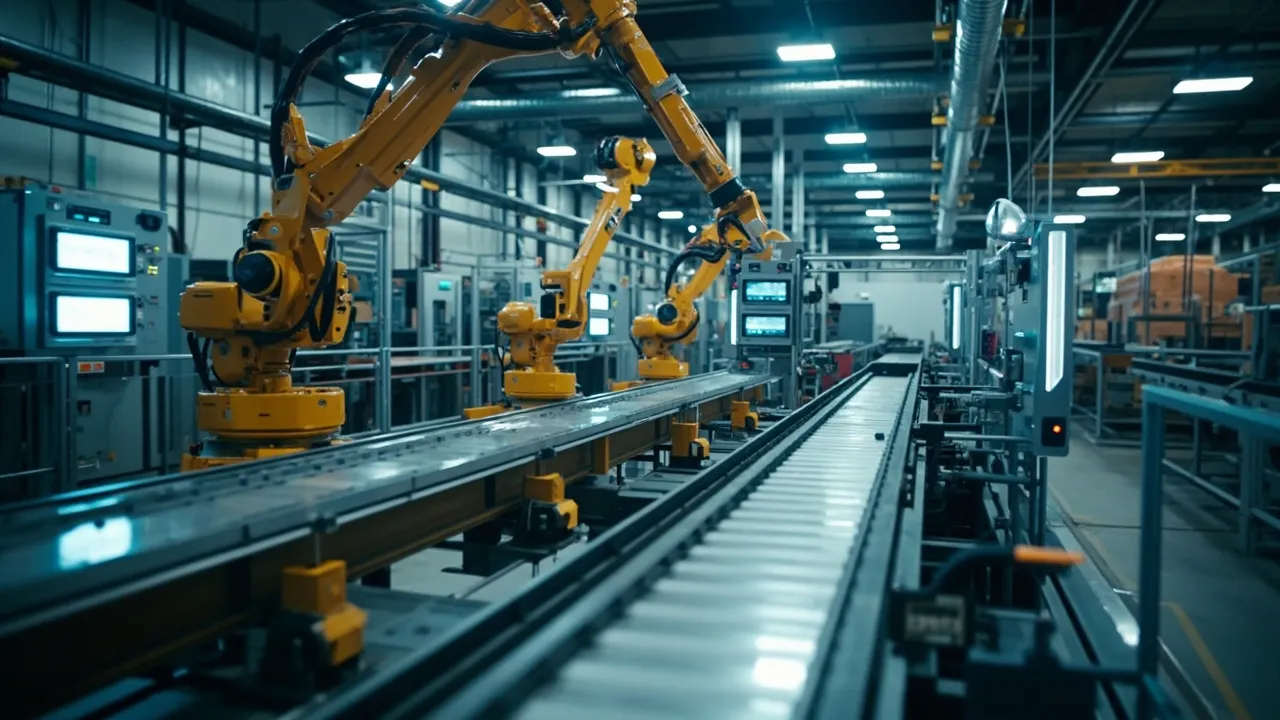
Hardware Still Takes 42.6% of Material Handling Integration Spend—Budget the Interfaces Too
Hardware commands 42.6% of material handling integration demand, but controls, interfaces, testing, training, and support determine whether automation delivers reliable flow.
CXTMS InsightsAugust 2, 2026 · 5 min read