Norfolk Southern’s Georgia Partnership Is a Quiet Reminder That Truck-to-Rail Service Still Wins on Execution


Intermodal gets discussed like a strategy deck and won or lost like a yard operation.
That is why Norfolk Southern’s latest Georgia move is more interesting than it looks at first glance. In April, the railroad said it would expand freight capacity at its Doraville transload facility through a partnership with Jaguar Transport Holdings, which will handle local switching, operate the facility, and invest in yard-capacity upgrades. On the surface, that sounds like a small regional operations story. In practice, it is a useful reminder that truck-to-rail service improves when someone fixes the handoff, not when someone gives a speech about rail’s long-term potential.
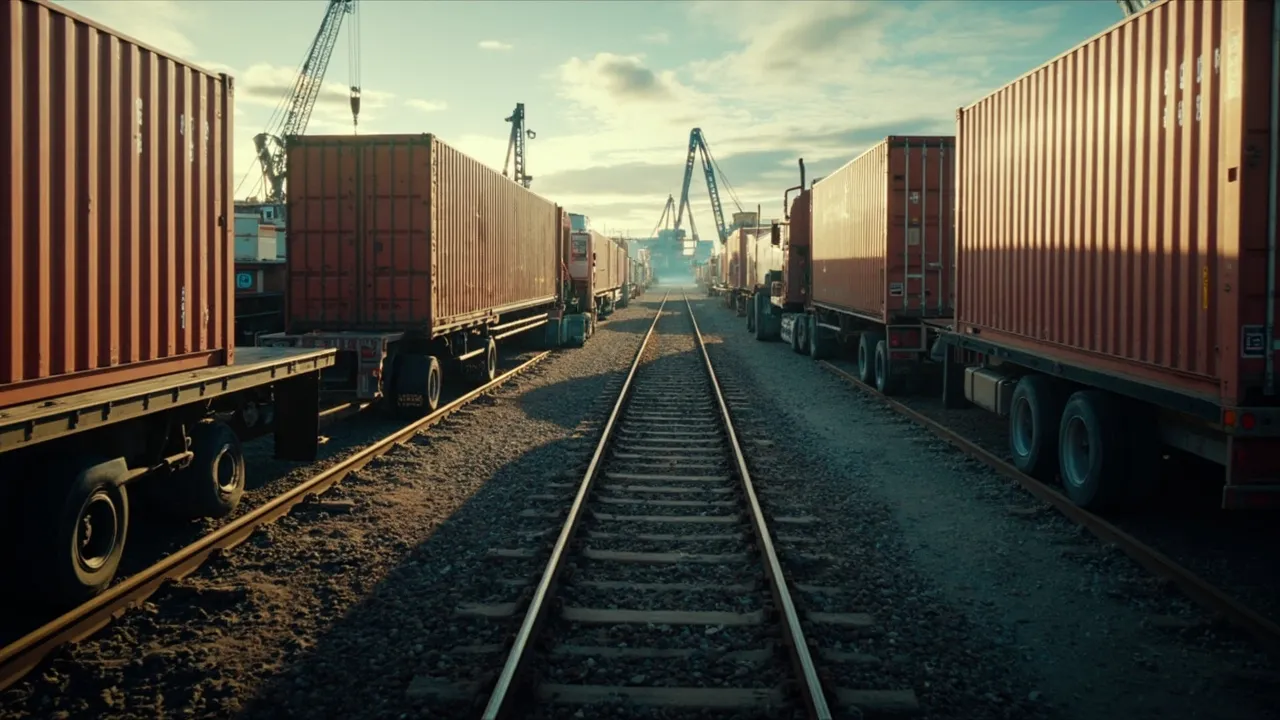
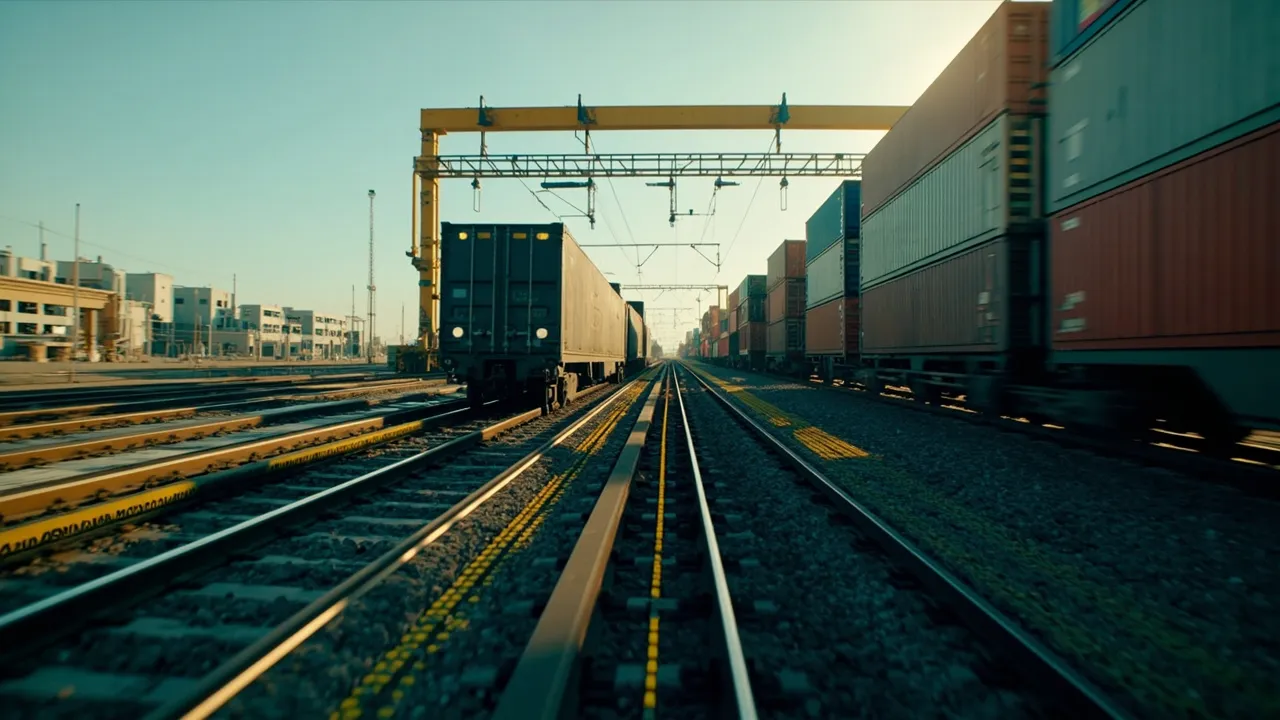
The Doraville site matters because of where it sits and what it is built to do. According to Supply Chain Dive, the facility is positioned near I-285 and I-85 and serves businesses in northeast Atlanta through local switching and transload access. That makes it less of a generic rail asset and more of a first-mile and final-mile bridge for regional shippers that still need trucks for pickup, delivery, and short drays.
That distinction is the whole story.
Rail does not beat trucks by being rail
Rail wins when it removes friction from truck-dependent freight.
A lot of intermodal commentary still treats mode conversion as if shippers simply compare rate cards, pick the cheaper option, and move on. Real operations are messier. Service reliability at the local facility level, switching responsiveness, dray turn times, and the quality of transload execution matter just as much as linehaul economics. If those handoffs are sloppy, rail’s theoretical savings get eaten alive by delay, extra handling, and planning headaches.
Norfolk Southern’s Doraville partnership is aimed squarely at that operational layer. Jaguar is not just showing up as a tenant. It is taking on switching and day-to-day facility operation while also planning infrastructure expansion. That is the kind of move that can actually change service outcomes for nearby freight customers because it attacks the bottleneck where rail and truck meet.
Georgia is the right place for this kind of play
Georgia already gives rail a better shot than many markets because the state keeps building assets that compress the gap between inland freight and port access.
FreightWaves reported last year that the Georgia Ports Authority’s Blue Ridge Connector near Gainesville is a $127 million, 104-acre inland rail project designed to link northeast Georgia with Savannah. When it opens, the site is expected to offer six tracks totaling 18,000 feet, annual capacity of 200,000 containers, and five-day-a-week Norfolk Southern service. The same report noted Savannah’s Mason Mega Rail can handle six 10,000-foot trains simultaneously and has annual intermodal capacity of 2 million TEUs.
Those numbers matter because they show what serious truck-to-rail execution looks like. It is not one railroad asking shippers to believe harder in intermodal. It is a network of local facilities, inland terminals, train schedules, and truck interfaces built to make the mode shift practical.
Doraville fits that same logic on a smaller but more immediate scale. A metro Atlanta transload site near major highways does not need to replace trucking. It needs to make trucking more useful by shortening highway exposure, creating a cleaner rail handoff, and giving regional shippers more flexibility in how they stage freight.
Why this matters now
Timing is doing Norfolk Southern a favor.
In early April, Supply Chain Dive reported that trucking spot rates were up 25% year over year, citing Uber Freight’s Q1 market update, while intermodal pricing was expected to rise only 3% to 5% by year-end because rail pricing tends to lag over-the-road markets by 6 to 12 months. The same coverage said shippers were increasingly leaning toward intermodal for lanes between 550 and 1,500 miles as truck capacity tightened and fuel pressure climbed.
That backdrop makes local execution even more valuable. When truckload markets tighten, shippers do not just need theoretical rail capacity somewhere in the network. They need usable service near their freight, their warehouses, and their customers. They need a place where a truck can drop or pick efficiently, where switching is responsive, and where the rail leg actually fits the operating calendar.
That is why the Doraville announcement should be read as an operations story, not a branding story. Norfolk Southern is not selling intermodal abstraction here. It is improving a facility in a dense freight market where execution has a direct effect on whether truck-to-rail service feels dependable or annoying.
The lesson for shippers is boring, which is why it is important
Shippers love big transportation narratives. They love hearing that rail is back, that intermodal is surging, or that sustainability goals will finally push freight onto steel wheels. Most of that commentary is too fluffy to be useful.
The practical question is much simpler: where can truck and rail meet without creating new pain?
That question should drive network design. If a shipper has meaningful freight in metro Atlanta or northeast Georgia, the value of a facility like Doraville is not ideological. It is operational. Can it reduce long truck moves? Can it create a repeatable transload pattern? Can it offer a better fallback when highway capacity gets tight? Can it improve resilience without blowing up service consistency?
Those are the questions worth asking because they are the ones that show up on invoices and customer scorecards.
What logistics teams should do with this signal
First, stop evaluating intermodal as one giant category. Facility-level design matters. A well-run transload site in the right location can do more for resilience than a broad procurement plan full of pretty rail language.
Second, map where truck-to-rail handoffs are weakest today. If delays, poor scheduling, or messy switching keep killing rail options in specific regions, that is where the upside lives.
Third, treat regional rail partnerships as service infrastructure, not just carrier news. The Doraville move suggests Norfolk Southern sees growth in first-mile and final-mile coordination, and that is usually where adoption either sticks or dies.
The big takeaway is not that every shipper should suddenly reroute freight onto rail. It is that rail keeps becoming more competitive when operators focus on execution close to the customer. That is less glamorous than grand intermodal rhetoric, but it is how freight actually moves.
And frankly, that is the part worth paying attention to.
If your team needs better visibility into modal mix, local handoffs, and regional execution so truck-to-rail decisions do not turn into expensive guesswork, book a CXTMS demo and see how CXTMS helps logistics teams plan freight around real operating constraints.