Insights
Industry insights, integration guides, and product updates from the CXTMS team.

Last-Mile Orchestration Starts After the OMS Handoff
Learn how to control the OMS-to-delivery handoff with clear decision rights, real-time shipment events, and KPIs for reliable last-mile execution.
 CXTMS InsightsAugust 20, 20265 min read
Life Couriers’ Private-Equity Sale Needs a Healthcare Logistics Continuity File
Learn how healthcare shippers can protect validated lanes, certifications, chain of custody, and escalation paths during a logistics provider ownership change.
CXTMS InsightsAugust 20, 2026 · 6 min read
Mars Is Connecting Logistics Planning to Execution: The KPI Contract That Makes AI Useful
Learn how a shared KPI contract connects AI logistics recommendations to shipment execution, cost, service, utilization, and exception outcomes.
CXTMS InsightsAugust 20, 2026 · 6 min read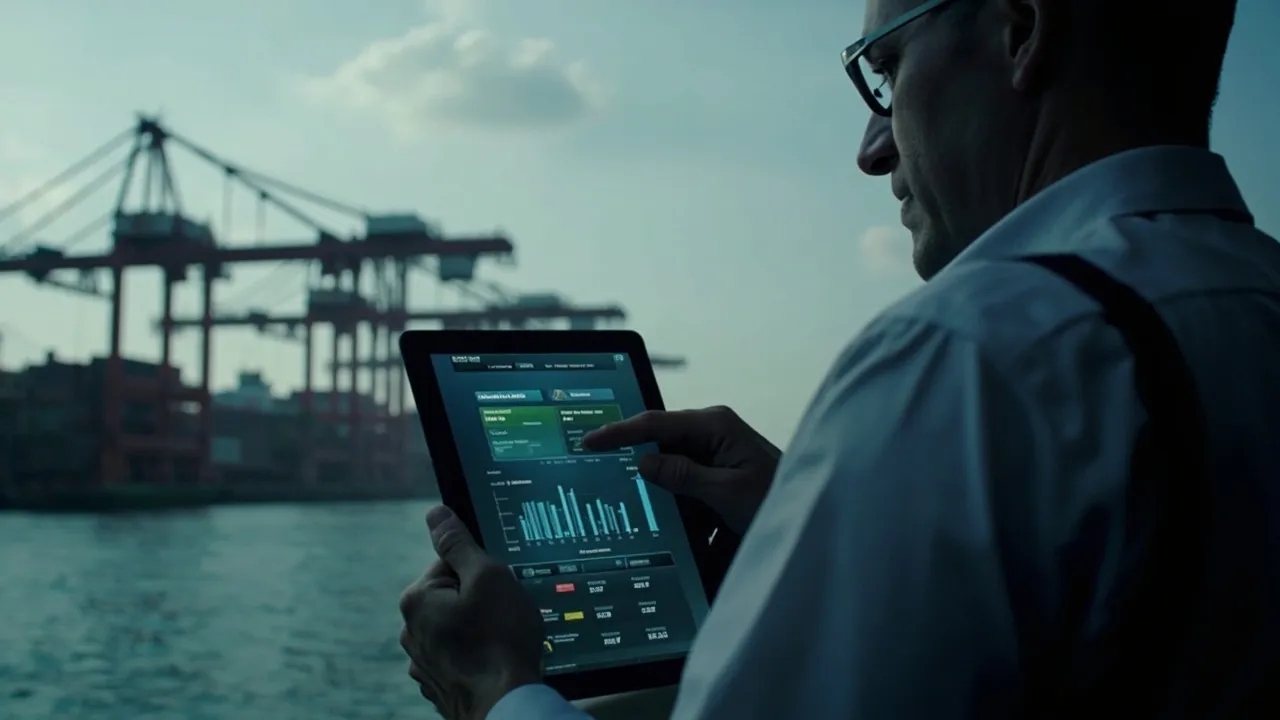
Ocean Carrier Quality Scores Belong in the Allocation Model, Not a Year-End Survey
Turn ocean carrier quality scores into lane-level allocation rules that continuously reward reliable service, visibility, value, and claims performance.
CXTMS InsightsAugust 20, 2026 · 5 min read
Federal Transportation Funding Gaps Need a Project-Level Freight Dependency Register
Learn how freight operators can map infrastructure funding delays to lanes, terminals, customers, capacity promises, and practical contingency decisions.
CXTMS InsightsAugust 20, 2026 · 6 min read
UPS’s Hong Kong–Clark Route Shift Creates a New Air-Cargo Gateway Decision
Learn how to qualify Clark International Airport as an air-cargo gateway after UPS received approval to shift Hong Kong flying rights to the Philippines.
CXTMS InsightsAugust 20, 2026 · 6 min read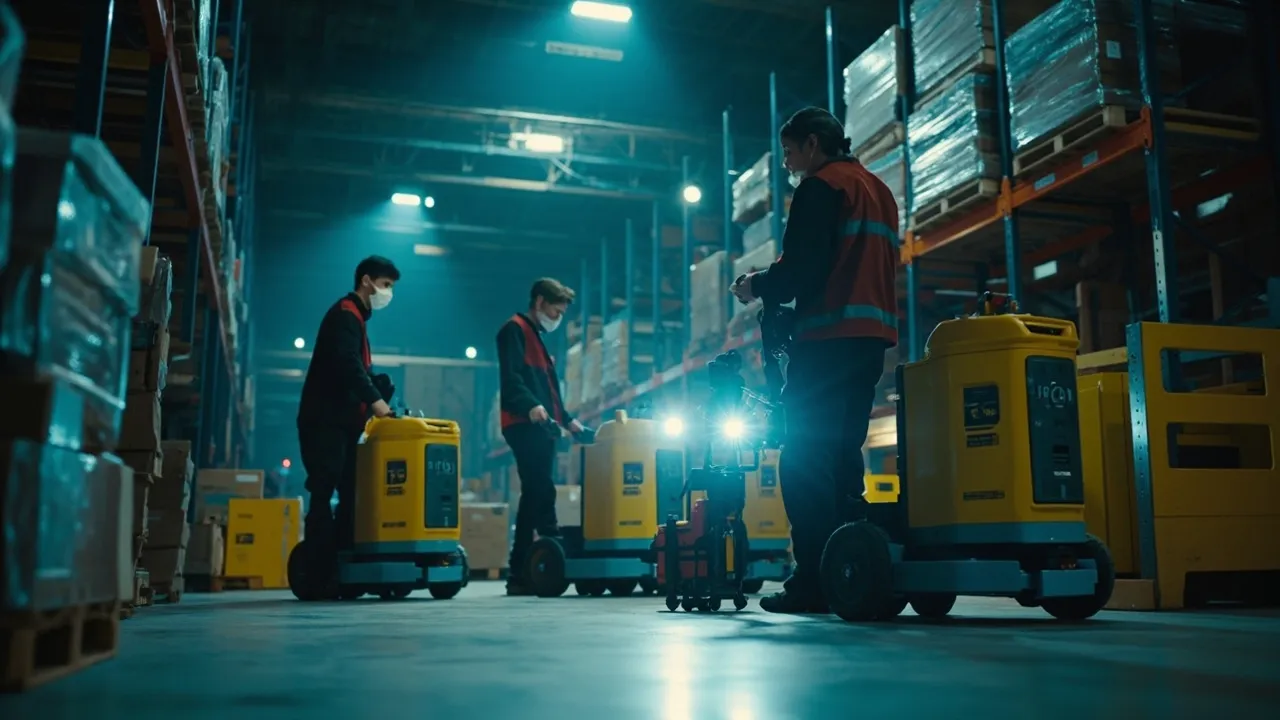
Warehouse Technology Selection Needs a Disruption Recovery Test
Warehouse technology buyers should test degraded operations, recovery time, data reconciliation, and vendor response before selecting automation or software.
CXTMS InsightsAugust 20, 2026 · 6 min read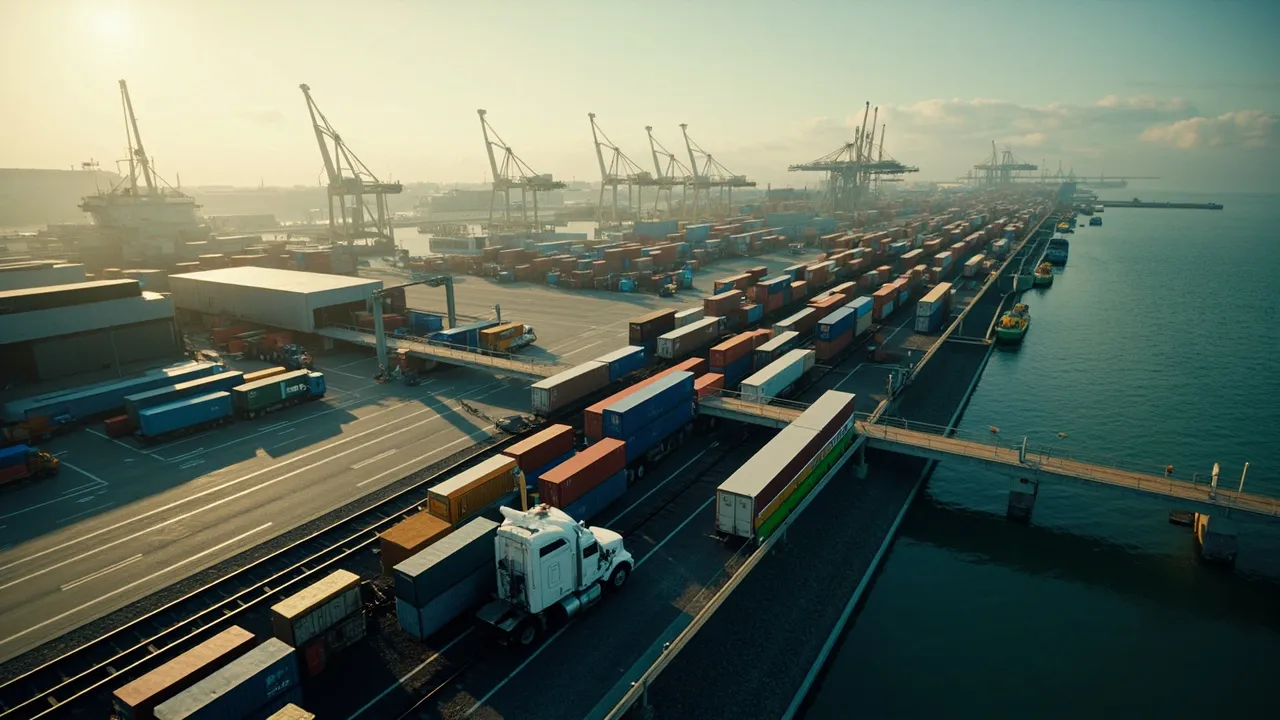
The American Supply Chain Sovereignty Initiative Turns Infrastructure Into a Sourcing Constraint
The American Supply Chain Sovereignty Initiative makes domestic freight infrastructure, visibility, and fallback capacity practical inputs to supplier selection.
CXTMS InsightsAugust 19, 2026 · 6 min read
The First Regular Arctic Cargo Service Needs a Polar Route Risk Register
Sea Legend's planned regular Arctic service promises faster China-Europe transit, but shippers need a route-specific risk register before booking cargo.
CXTMS InsightsAugust 19, 2026 · 6 min read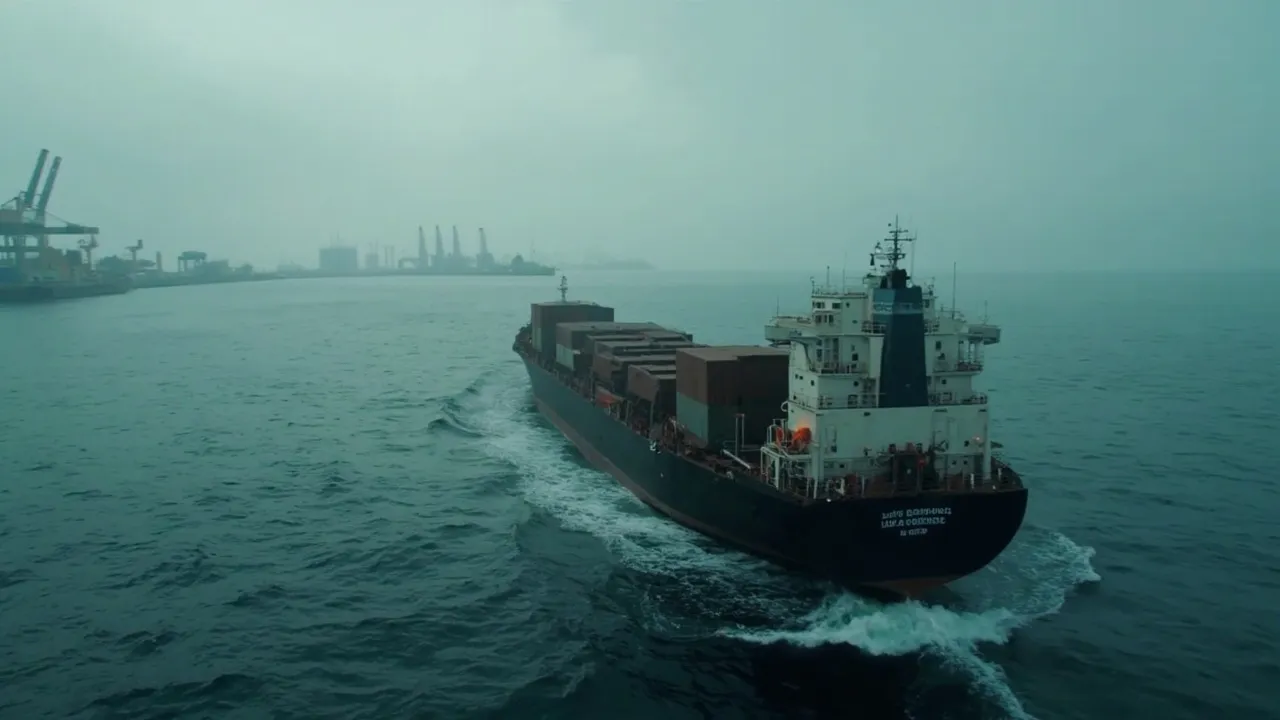
Five Grain Ships Hit Near Russian Ports Put Cargo-Level Threat Monitoring on the Dispatch Desk
Turn Black Sea vessel attacks into cargo-level decisions with a practical clock for holds, diversions, substitute origins, notices, and evidence.
CXTMS InsightsAugust 19, 2026 · 6 min read