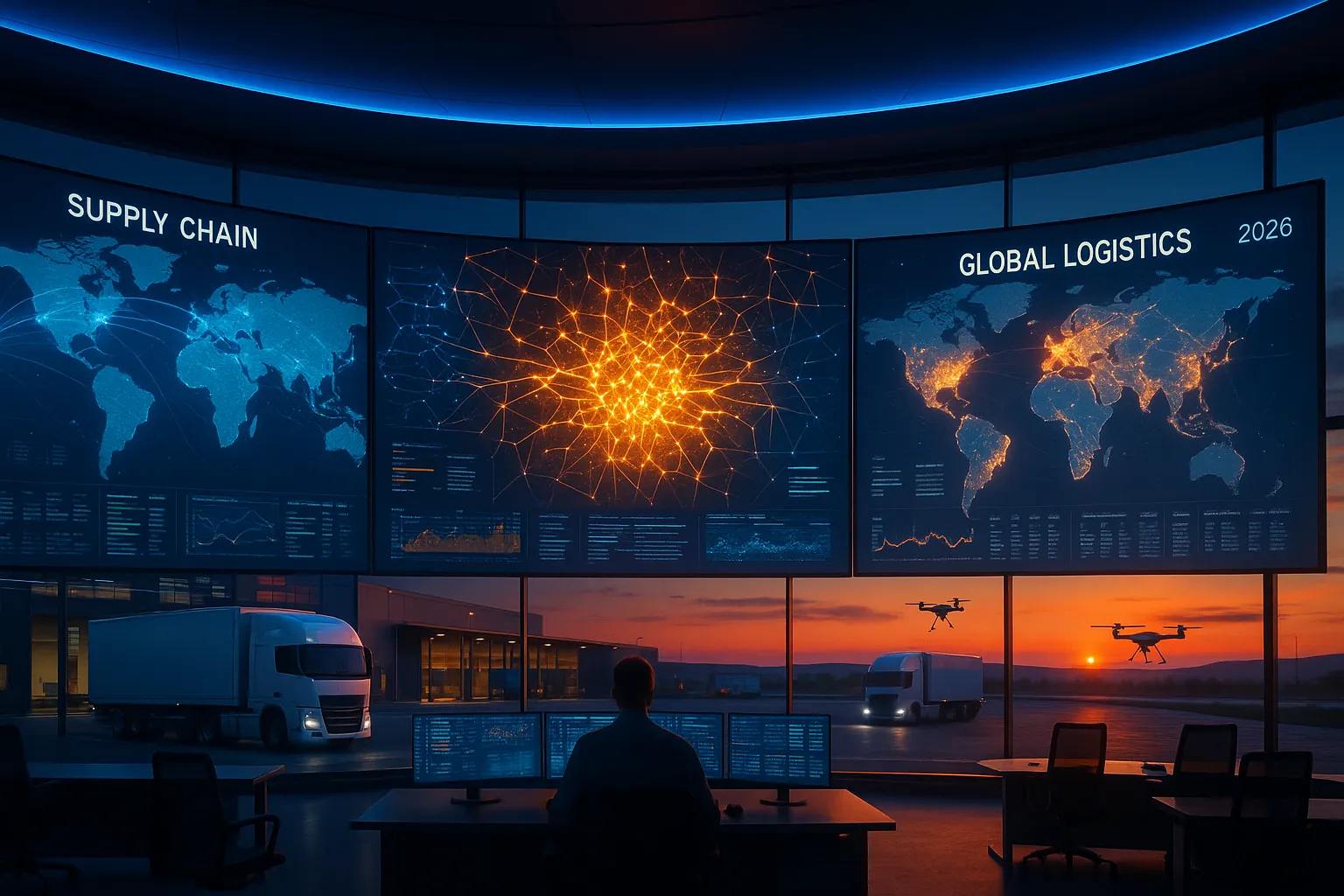
Gartner’s Logistics AI Warning: Use Cases Are Real, but Timelines Still Matter

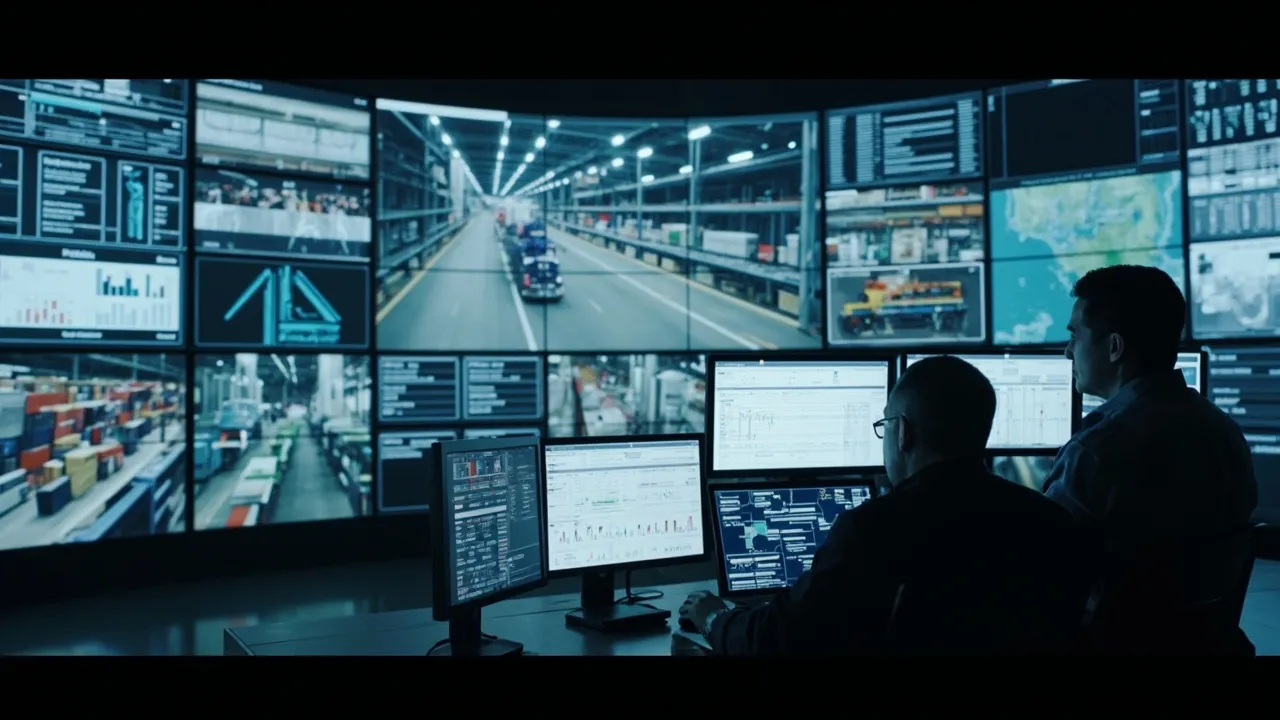
AI has moved from conference-stage possibility to daily logistics roadmap item. Transportation teams are testing carrier-selection models. Warehouse leaders are using optimization engines to improve slotting and labor plans. Control towers are shifting from passive visibility toward exception prioritization and recommended actions.
That progress is real. The risk is treating it as proof that logistics autonomy is right around the corner.
Gartner’s latest supply chain research lands in a useful middle ground: AI can help supply chains handle complexity, but the operating model has not caught up. In its May 2026 symposium coverage, Gartner described how AI can improve data quality, orchestrate fragmented systems, and expand access through natural-language interfaces, while warning that people still define the semantic layer, governance rules, and operating assumptions. That is exactly the distinction logistics teams need to keep straight: AI can accelerate decisions, but it does not magically create trusted events, aligned processes, or accountable execution.
The use cases are strongest where the decisions repeat
The best near-term AI opportunities in logistics are not the cinematic ones. They are the boring, high-frequency decisions that burn planner time every day.
Logistics Management’s 2026 technology roundtable makes that point clearly: measurable AI ROI is showing up in inventory positioning, warehouse slotting, transportation planning, and supplier performance management. One cited example is slotting optimization that continuously adapts to order patterns and can reduce warehouse travel time by 10% to 20%. The same article notes transportation applications around routing, carrier selection, load consolidation, and empty-mile reduction.
That is the right level of ambition for most shippers and freight forwarders in 2026. Let AI narrow the decision set. Let it surface which loads are likely to miss appointment windows, which lanes are generating excess accessorial exposure, which facilities need labor rebalancing, and which carrier commitments are drifting from plan. Those are operationally valuable problems because they have known owners, known data inputs, and measurable outcomes.
The weaker pitch is “fully autonomous supply chain” as a near-term destination. In freight operations, exceptions are not edge cases; they are the job. Weather shifts capacity. Customers change delivery requirements. Ports back up. Customs documents need correction. Carriers reject tenders. A model can recommend the next best move, but somebody still owns the service, cost, and customer-relationship tradeoff.
Gartner’s warning: most organizations are still incremental
The most important number in Gartner’s latest AI research is not a futuristic adoption forecast. It is the gap between transformation language and actual transformation behavior.
As Modern Materials Handling reported from Gartner’s research, the firm surveyed 140 senior supply chain leaders in November 2025 and found that only 17% of supply chain organizations are pursuing immediate transformational redesign of their processes and workflows. The other 83% are either applying AI incrementally to specific use cases or gradually scaling it into integrated processes.
That split should calm down the boardroom hype without killing the investment case. Incremental does not mean timid. It means a logistics team is sequencing the work correctly: prove value in a narrow operational loop, standardize the data and workflow around it, then connect that loop to a broader planning and execution layer.
Gartner also highlighted the constraints that keep AI-powered orchestration from spreading faster: fragmented vendors, data gaps, inconsistent partner data, continued need for human expertise, and uneven process maturity. None of those are abstract IT complaints. They are exactly where logistics execution breaks.
A shipment event is only useful if it maps cleanly to the order, load, carrier, facility, appointment, and customer commitment it affects. A predicted delay only creates value if it triggers a workflow: notify the right planner, compare alternatives, calculate service and cost impact, assign ownership, and record the outcome. Without that structure, AI becomes a more sophisticated dashboard — impressive, but not operationally decisive.
Separate the two AI timelines
Logistics leaders need two AI roadmaps, not one.
The first is the 90-to-180-day roadmap. It should focus on specific operating decisions where better recommendations can produce measurable cost or service gains. Good candidates include tender prioritization, ETA exception scoring, dock appointment risk, warehouse labor planning, detention exposure, mode conversion opportunities, and carrier-performance monitoring. These use cases do not require a company to redesign the entire supply chain. They require enough clean event data, defined thresholds, and clear workflows to make recommendations actionable.
The second is the multi-year orchestration roadmap. This is where AI starts connecting planning, transportation, warehousing, procurement, inventory, and customer service into a more coordinated operating model. Gartner describes this promise as continuously monitoring network events, simulating response scenarios, and enabling faster human-to-AI collaboration for time-bound decisions. That future matters. But it depends on work that many organizations still underfund: master data alignment, partner data quality, role design, governance, and process standardization.
Confusing those timelines creates two bad outcomes. Some companies overpromise autonomy and lose credibility when pilots do not scale. Others see the long-term complexity and delay useful projects they could start now. The smarter move is to build a ladder: practical use cases first, orchestration foundations second, autonomy only where the decision is repeatable enough and the risk is bounded.
What this means for freight forwarders
For freight forwarders, the AI opportunity is less about replacing planners and more about compressing the noise around them. Forwarders manage fragmented data by nature: carrier updates, customer instructions, customs milestones, warehouse handoffs, port events, airline cutoffs, drayage capacity, and exception notes. AI is valuable when it turns that fragmentation into ranked, explainable work.
A practical logistics AI program should answer four questions before buying another shiny tool:
- What event data do we trust enough to automate against?
- Which exceptions cost us the most in service failures, accessorials, or planner time?
- Who owns the decision when AI recommends a tradeoff?
- How will we measure whether the recommendation improved cost, speed, reliability, or customer experience?
That is where CXTMS fits. Practical AI starts with a transportation system that captures clean operational events, links them to orders and loads, routes exceptions to the right people, and measures outcomes after the decision. Once that foundation exists, AI can improve planning, prioritization, and execution. Without it, AI is just another layer of noise.
The logistics AI story in 2026 is not “wait and see.” It is also not “autonomy by next quarter.” The right answer is more disciplined: pick real use cases, fix the data beneath them, embed recommendations into daily workflows, and measure the result. That is how AI becomes logistics execution — not logistics theater.
Want to see how CXTMS helps freight teams build cleaner workflows for planning, visibility, and exception management? Schedule a CXTMS demo and turn logistics AI from a slide into an operating system.