Insights
Industry insights, integration guides, and product updates from the CXTMS team.

Convenience-Store AI Needs a Human Override Ledger for Product-Mix Decisions
Learn how convenience retailers can combine AI assortment recommendations with a human override ledger that improves replenishment and accountability.
 CXTMS InsightsSeptember 3, 20266 min read
A $10 Million Counterfeit Seizure Shows Why Port Screening Must Preserve Commercial Evidence
A $10 million counterfeit Nike and Adidas seizure in Arcadia, California highlights why port screening and warehouse follow-on actions must preserve the commercial evidence chain linking supplier, PO, container, and inspection records.
CXTMS InsightsSeptember 3, 2026 · 10 min read
Historic European Drought Turns Waterway Depth Into an Order-Promise Constraint
Europe's historic drought shows why Rhine gauge readings, barge payload limits, and modal capacity must govern inventory and customer delivery promises.
CXTMS InsightsSeptember 3, 2026 · 6 min read
When a Freight App Shuts Down: A Data-Portability Checklist for Small Carriers
A practical data-portability checklist for small carriers facing a freight app shutdown, from load records and payments to APIs and vendor exit terms.
CXTMS InsightsSeptember 3, 2026 · 6 min read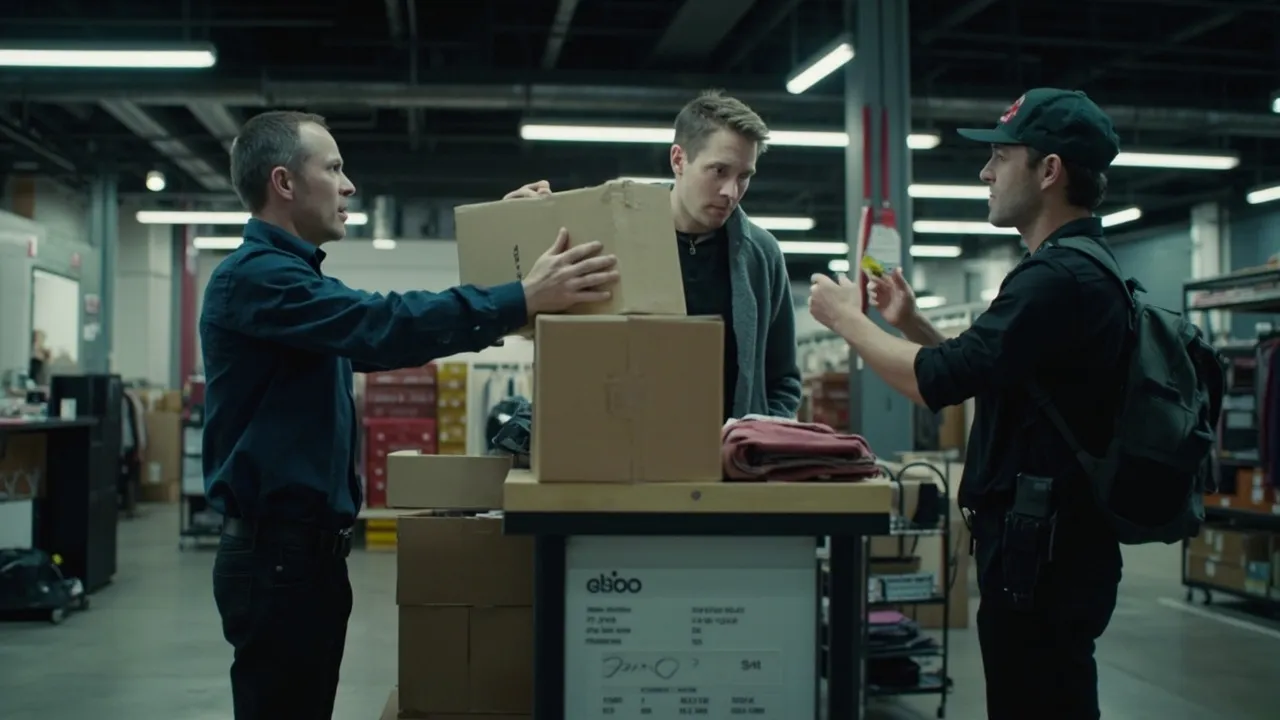
Gap and Kohl’s Add DoorDash: Govern Marketplace Delivery at the Store-Order Level
Gap and Kohl’s are joining DoorDash’s marketplace. Learn how store-level order governance protects inventory, service, and margin in rapid retail delivery.
CXTMS InsightsSeptember 3, 2026 · 6 min read
A $40 Million Lumber Expansion Puts On-Site Rail Back in the Plant-Location Model
A North Carolina lumber expansion shows why siding capacity, switching windows, shipment data, and fallback routes belong in every rail-served plant-location model.
CXTMS InsightsSeptember 3, 2026 · 6 min read
Freight Moves $68 Billion a Day: Turn the 2026 National Freight Plan Into a Facility Risk Map
A practical framework for translating the 2026 National Freight Strategic Plan into facility-level infrastructure risk scores, alternate routes, and review cadences.
CXTMS InsightsSeptember 3, 2026 · 6 min read
Supply Chain Software Budgets Jump 65%: Make Integration Cost a Measured Deliverable
Supply chain software budgets are rising sharply. Learn how to separate license and integration costs and fund measurable, working shipment workflows.
CXTMS InsightsSeptember 3, 2026 · 5 min read
When AI Vendors Become a ‘Supply Chain Risk’: A Continuity Test for Logistics Software
The Anthropic court decision shows why logistics teams need continuity tests for AI vendors, including portability, data retention, and manual fallback.
CXTMS InsightsSeptember 2, 2026 · 6 min read
Boscov’s E-Commerce Fulfillment Reset: How to Measure a Store-and-DC Network Redesign
Boscov’s unified inventory initiative shows why retailers must measure fulfillment redesigns through order cycle time, split shipments, cost, and delivery outcomes.
CXTMS InsightsSeptember 2, 2026 · 5 min read