Food Waste Is a Planning Data Problem, Not Just a Sustainability Problem

Food waste is usually framed as a climate issue. That is true, but incomplete. For grocers, distributors, food manufacturers, and refrigerated carriers, waste is also a planning failure: product ordered too early, allocated too broadly, inspected too late, marked down too slowly, or left invisible after it misses the shelf.
The scale is too large for side-project treatment. SupplyChainBrain reported that food loss and waste account for an estimated 8% to 10% of global greenhouse gas emissions. In the U.S. alone, food surplus is valued at $382 billion, citing ReFED. That is not abstract ESG math. It is purchased inventory, warehouse labor, refrigerated capacity, packaging, fuel, and store space that never turns into revenue.
The encouraging part is that measurement is improving. SupplyChainBrain also cited U.S. Food Waste Pact data showing the share of unsold food items categorized as “unknown” dropped from 27% to 15% in a single year. That drop matters because unknown waste is operationally useless. If a retailer cannot tell whether unsold product was donated, recycled, discarded, marked down, spoiled, or misplaced in the reporting process, it cannot fix the root cause.
Better food-waste performance starts when companies stop asking only, “How do we dispose of surplus responsibly?” and start asking, “Which planning decision created the surplus in the first place?”
Waste hides in planning gaps
Perishable supply chains are brutally sensitive to small planning errors. Ordering three cases of berries instead of two for one store may not look material. Multiply that decision across hundreds of locations, multiple delivery days, promotional calendars, weather swings, local events, and variable remaining shelf life, and the margin impact compounds quickly.
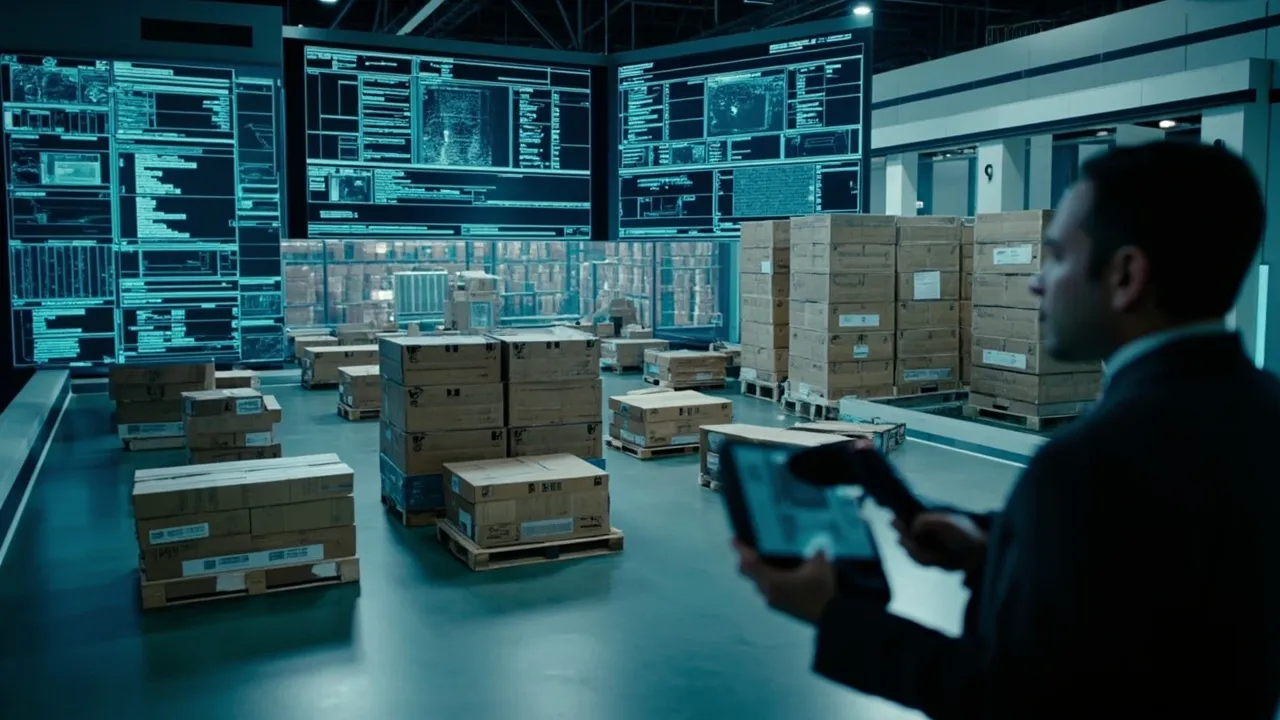
The problem is that many food networks still plan with fragmented signals. Merchandising teams may own promotions and assortment. Supply chain teams may own replenishment and transportation. Store teams may own shelf execution. Quality teams may own inbound inspection. Finance may own shrink reporting. Each group sees part of the truth, but waste is created across the handoffs. A buyer might increase a promotion without seeing temperature-delay risk on inbound loads. A replenishment planner might reorder from sales history without knowing that store counts are wrong. A DC might receive produce with inconsistent quality but fail to push that signal into allocation logic.
None of those failures look dramatic alone. Together, they put food in the wrong place, in the wrong quantity, with too little sellable life remaining.
Store- and SKU-level forecasting is the control point
Food waste reduction depends on more granular forecasting than many organizations were built to handle. Category-level demand is not enough. Region-level inventory is not enough. Perishable planning needs store- and SKU-level forecasts that understand shelf life, batch expiration, local demand patterns, price sensitivity, and real-time sell-through.
That is why the “unknown” category is so important. A decline from 27% to 15% shows that food companies are getting better at assigning outcomes to unsold product. The next step is connecting those outcomes back to the planning inputs that caused them.
Was waste higher after a promotion because demand was overestimated? Did one supplier’s fruit arrive with shorter usable life? Did a lane create recurring dwell-time problems? Did markdowns begin too late? Did manual inventory counts overstate what was actually available? Did the store receive too much product because the forecast ignored local weather?
Those questions cannot be answered with sustainability reports alone. They require connected operating data: purchase orders, forecasts, shipment milestones, temperature records, receiving quality scores, inventory positions, expiration dates, markdown events, donations, and disposal outcomes.
AI helps when it sees the operation
AI is becoming more useful in fresh supply chains because it can convert messy operational signals into faster decisions. But the value is not “AI” as a label. The value is earlier visibility.
Supply Chain Dive reported that Albertsons is using an AI-powered Intelligent Quality Control tool in select warehouses to inspect strawberries and grapes. The system uses Google Cloud’s Gemini Enterprise, including Vision AI and Gemini models, to help distribution center quality inspectors grade produce more consistently. Albertsons said the tool starts with berries and is intended to expand across more fresh products.
That is a useful example because quality inspection is directly tied to waste. If a shipment of strawberries arrives with lower-than-expected condition, the best response may be to route it to faster-selling stores, trigger a markdown plan earlier, pursue a supplier claim, or avoid using that supply to support a promotion. But those decisions only happen if the quality signal moves beyond the inspector’s tablet and into planning workflows.
The same principle applies to automated inventory recognition, demand sensing, dynamic pricing, and agentic planning tools. They reduce waste only when connected to execution: what is on hand, where it is, how much sellable life remains, what demand changed, and which exception needs attention.
Transportation data belongs in the waste conversation
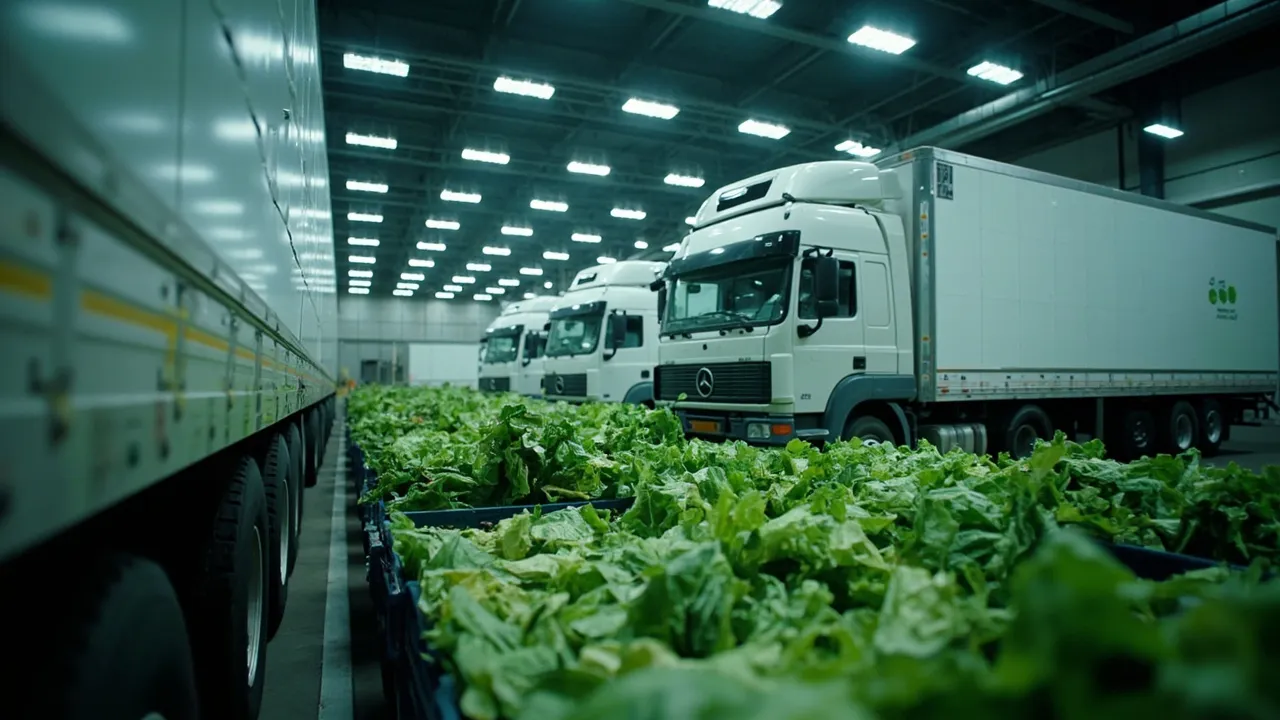
Food waste is often discussed inside grocery or manufacturing operations, but transportation data is a critical missing layer. A perfect forecast can still fail if the product loses two days of shelf life in transit, inbound appointments slip, refrigerated capacity is short, or store deliveries miss the merchandising window.
TMS data can show whether waste patterns are tied to lanes, carriers, dwell time, missed appointments, equipment type, temperature exceptions, or regional allocation choices. If one route consistently delivers produce with less remaining shelf life, that is a network design and carrier-performance issue, not just a quality issue.
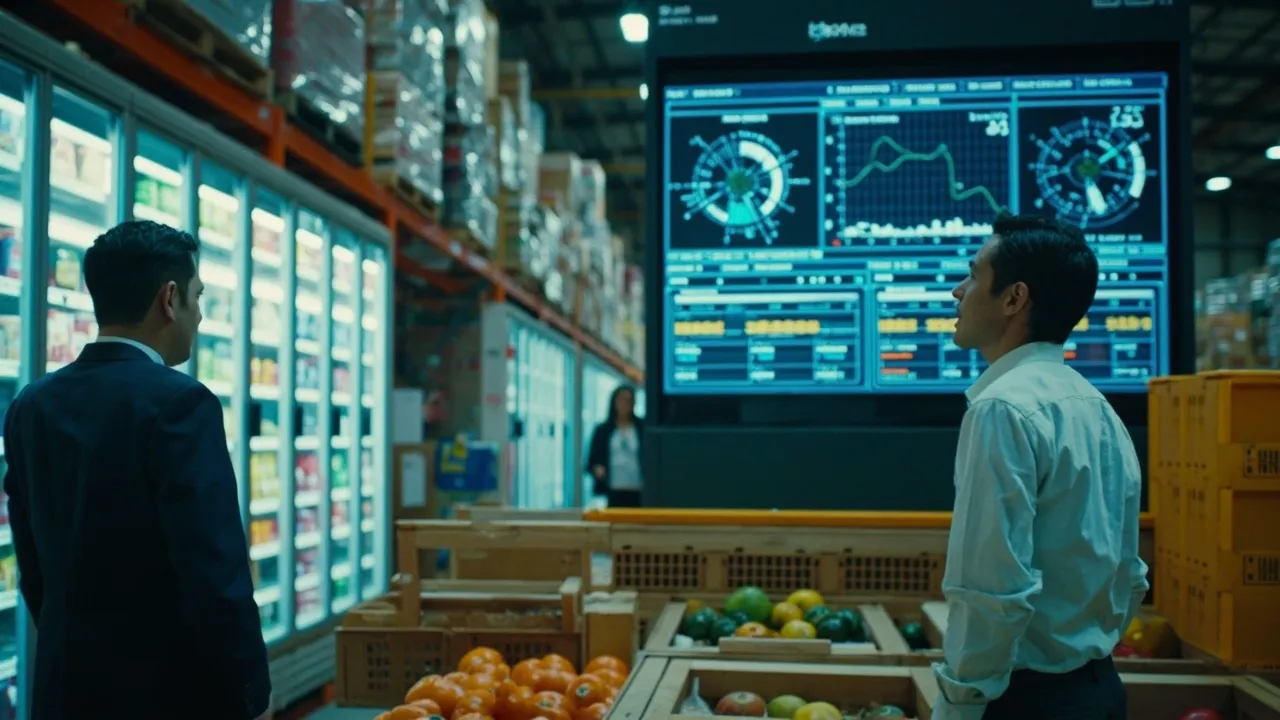
This is where food waste becomes a control-tower problem. The teams responsible for reducing shrink need the same real-time exception discipline that logistics teams use for late loads, missed pickups, detention, and service failures. Waste should not be discovered only after a weekly shrink report closes. It should be visible while there is still time to redirect, discount, donate, or adjust replenishment.
The practical playbook
Food shippers do not need to solve every sustainability metric at once. They need a tighter operating loop around perishables:
- Capture unsold-food outcomes with fewer “unknown” categories.
- Forecast at the store, SKU, and shelf-life level, not just the category level.
- Connect inbound quality data to allocation and replenishment decisions.
- Use expiration and batch data to trigger markdowns, transfers, or donation workflows earlier.
- Compare waste patterns against carrier performance, dwell time, delivery windows, and temperature exceptions.
- Give planners exception queues, not static reports, so they can act before product value disappears.
The companies that make progress will be the ones that treat food waste as preventable operating variance, not inevitable spoilage. Sustainability teams may own the target, but planners, transportation managers, buyers, quality teams, and store operators own the daily decisions that determine whether food is sold, donated, or thrown away.
CXTMS helps logistics teams connect shipment visibility, carrier performance, exceptions, and planning workflows so perishable decisions happen while there is still time to protect product value. If your food network is still discovering waste after the fact, schedule a CXTMS demo to see how better transportation visibility can support fresher, leaner execution.