Insights
Industry insights, integration guides, and product updates from the CXTMS team.

$5.652 Diesel Changes the Bid: A Fuel-Surcharge Reset for Shippers
With the national diesel average at $5.652 per gallon, shippers need to reset fuel-surcharge tables, bid assumptions, effective dates, and invoice controls.
 CXTMS InsightsAugust 26, 20265 min read
FedEx’s Nearly $10 Billion Healthcare Business: Designing a Premium Freight Service Portfolio
FedEx’s healthcare growth shows why pharmaceutical freight needs a purpose-built service portfolio with temperature, custody, and escalation controls.
CXTMS InsightsAugust 26, 2026 · 6 min read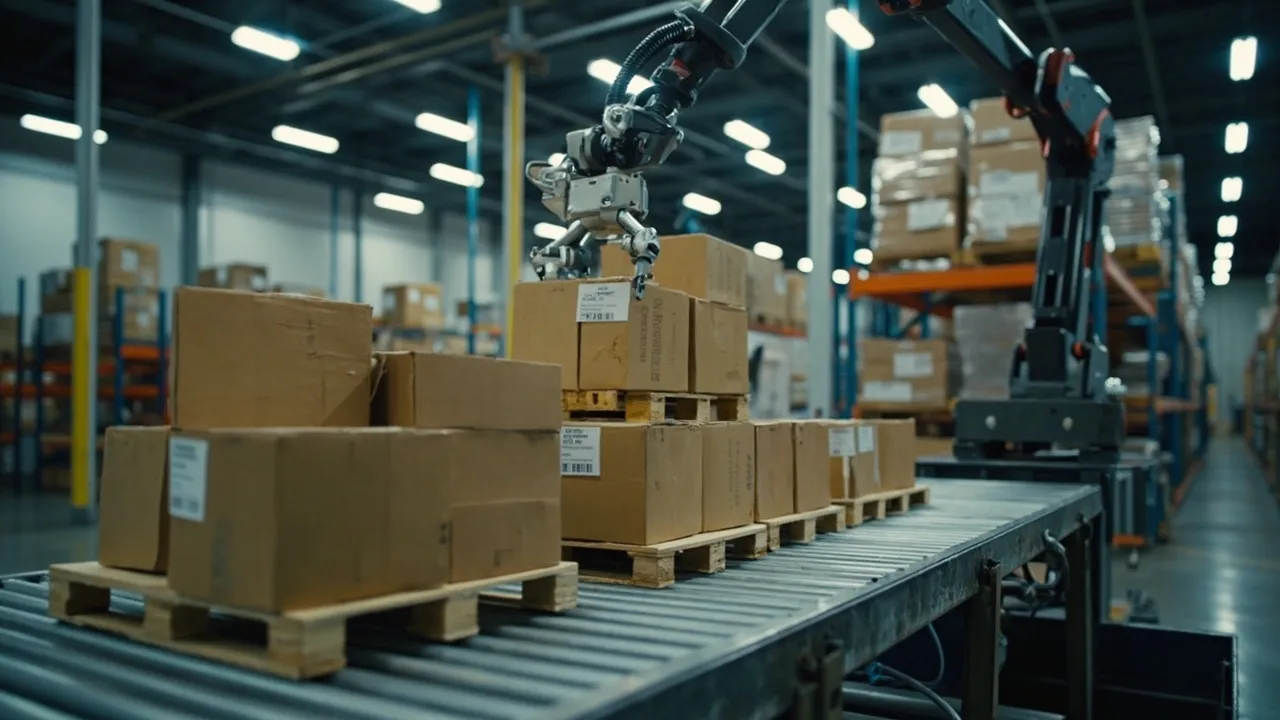
Robotic Picking Will Nearly Triple by 2030: Why Depalletizing Is the First Capacity Test
Robotic picking is forecast to reach $4.6 billion by 2030. Learn why depalletizing is the practical first test for warehouse automation capacity.
CXTMS InsightsAugust 26, 2026 · 6 min read
Target’s In-Stock Recovery: Turning Shelf Availability Into a Supply Chain Control Loop
Target’s in-stock recovery shows how retailers can connect purchase orders, distribution centers, store inventory, and shelf execution in one control loop.
CXTMS InsightsAugust 26, 2026 · 6 min read
Trans-Pacific Gateway Arbitrage: When West Coast Savings Survive Inland Freight
A practical total-landed-cost model shows when lower Trans-Pacific rates through U.S. West Coast ports still win after rail, drayage, dwell, inventory, and disruption costs.
CXTMS InsightsAugust 26, 2026 · 6 min read
USPS’s 6% Peak Increase: Building a Parcel Surcharge Calendar Before October 4
The USPS 2026 peak increase begins October 4. Build a parcel surcharge calendar that models shipment-level exposure and carrier-switch thresholds.
CXTMS InsightsAugust 26, 2026 · 6 min read
Walmart’s 30-Minute Delivery Expansion: Measuring the True Cost of Speed
Walmart’s expansion of 30-minute delivery shows why retailers must measure contribution margin, capacity, and repeat purchases alongside delivery speed.
CXTMS InsightsAugust 26, 2026 · 5 min read
China’s Overseas Industrial Parks Are Rewriting the Origin-to-Destination Data Model
Chinese-linked industrial parks are creating new production and export nodes. Learn how shipment data must evolve to preserve origin evidence and expose risk.
CXTMS InsightsAugust 25, 2026 · 6 min read
Freight Rate Volatility Leads for a Sixth Quarter: Build a Budget That Updates With Every Tender
Learn how lane-level rate bands, tender events, accessorial controls, and forecast alerts turn a static freight budget into a continuously updated operating plan.
CXTMS InsightsAugust 25, 2026 · 6 min read
Fuel Shock Mode Switching: When Intermodal Savings Survive the Extra Handoffs
A door-to-door threshold model shows when higher diesel prices make intermodal worthwhile after drayage, inventory, and handoff risk are counted.
CXTMS InsightsAugust 25, 2026 · 6 min read