Voice-Controlled Warehouse Robots: How Hands-Free Picking Is Solving Cold Storage's Hardest Automation Problem

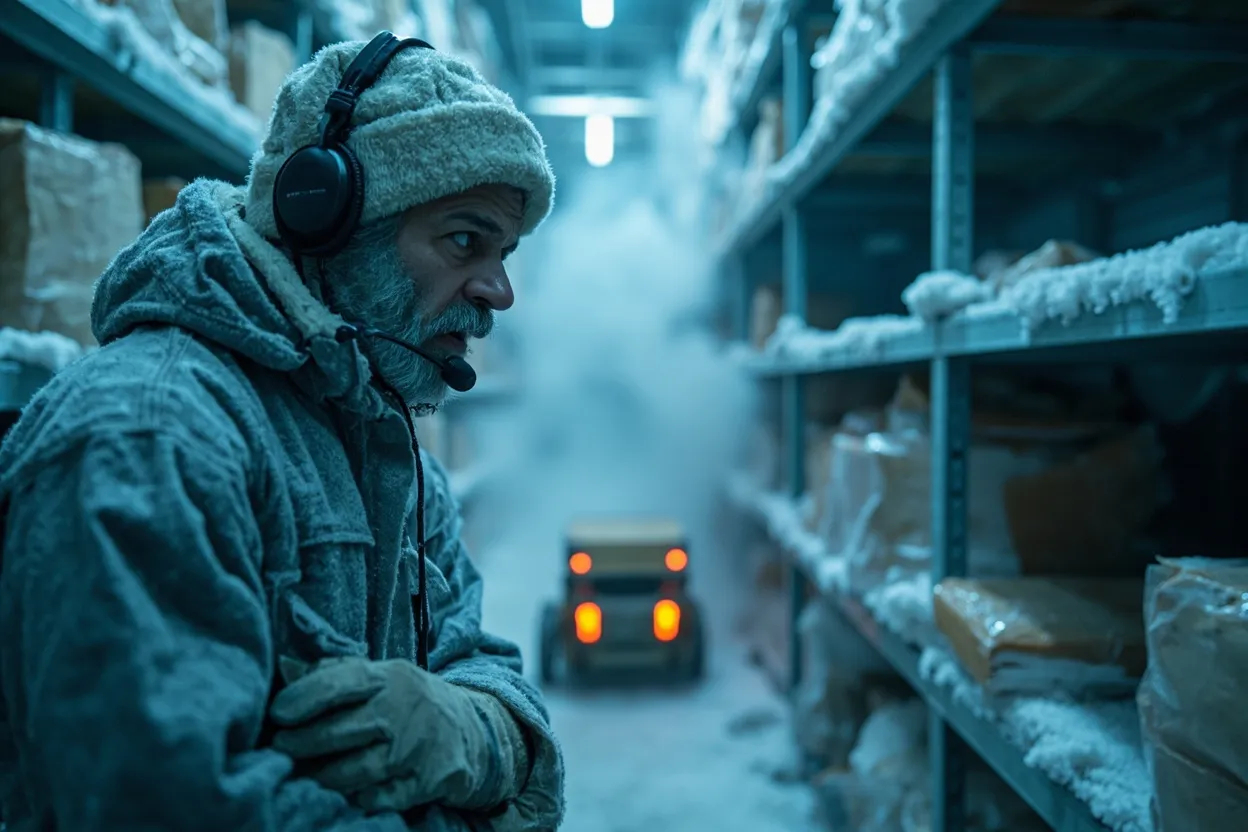
Cold storage warehouses operate in some of the most punishing conditions in the entire logistics industry. At temperatures plunging to -20°F, touchscreens freeze, barcode scanners fog over in seconds, and workers wearing insulated gloves can barely grip a stylus — let alone tap a 4-inch display with any accuracy. For decades, these environments have been the last frontier of warehouse automation, stubbornly resisting the same technology transformations reshaping ambient distribution centers.
That resistance just cracked. Vecna Robotics and Lucas Systems have launched CaseFlow Voice, a first-of-its-kind solution that merges autonomous mobile robots with voice-directed picking technology — purpose-built for the environments where traditional automation has historically failed.
The Cold Storage Paradox: High Value, Low Automation
The global cold storage market is estimated at $166.16 billion in 2026 and is expected to reach $208.75 billion by 2031, growing at a 4.67% CAGR. Yet despite this massive scale, cold storage facilities remain among the least automated warehouses in the supply chain. The reason is deceptively simple: extreme cold destroys the human-machine interfaces that every other automation system depends on.
Consider what happens inside a freezer warehouse:
- Touchscreens become unresponsive within minutes as condensation freezes on the glass
- Barcode scanners fog over every time a worker moves between temperature zones
- Thick insulated gloves make precise finger movements virtually impossible
- Face shields and breath condensation obstruct visual displays
Workers in these environments currently rely on printed pick lists or ruggedized devices that require constant wiping — a workflow that hasn't fundamentally changed in 30 years. Meanwhile, ambient warehouses have leapfrogged ahead with robotic picking, automated guided vehicles, and sophisticated warehouse management integrations.
CaseFlow Voice: Robots That Listen
Vecna Robotics' CaseFlow Voice changes the equation by embedding Lucas Systems' Jennifer voice technology directly into robot-assisted case picking workflows. Instead of interacting with a screen or scanner, workers simply speak commands and receive audio instructions through a headset while autonomous robots handle all pallet transport.
Here is how it works in practice:
- Voice-directed task assignment: The system tells the worker which cases to pick, confirming quantities and locations through natural speech
- Hands-free confirmation: Workers verbally confirm picks without removing gloves or touching any device
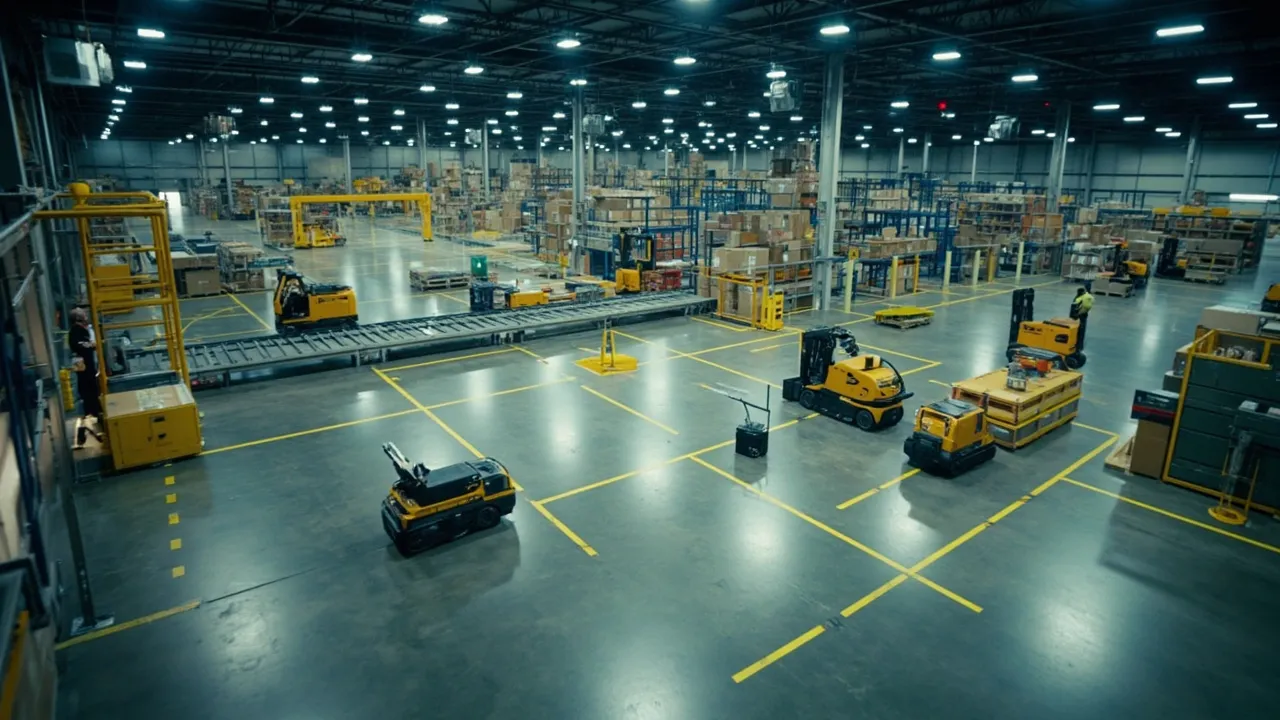
- Autonomous pallet transport: Vecna's CPJ Co-bot Pallet Jack handles all pallet movement between zones, eliminating the travel-heavy workflows that consume up to 60% of a picker's shift
- Dynamic zone balancing: The system continuously re-optimizes worker zones and robot assignments based on real-time order priorities and robot availability
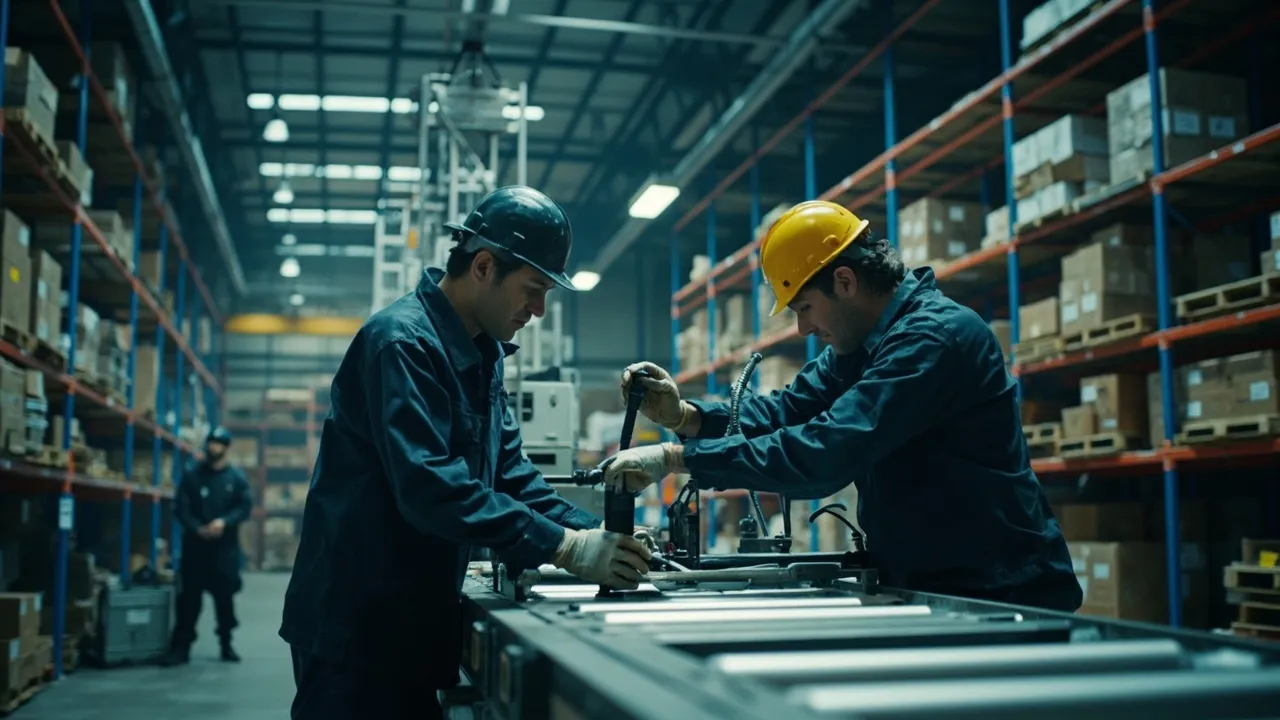
The result is a system where human dexterity handles what it does best — selecting and placing individual cases — while robots handle what they do best — moving heavy pallets across long distances. Voice serves as the seamless bridge between the two.
The Numbers Behind the Voice-Robot Convergence
The productivity gains from this convergence are substantial. According to Vecna Robotics CEO Karl Iagnemma, CaseFlow has already demonstrated up to 2x throughput improvements in warehouse operations, while cutting training time by up to 50%. Workers no longer need to learn complex software interfaces; they simply listen and speak.
The voice picking market itself is accelerating rapidly, projected to reach $6.61 billion in 2026 at an 18% compound annual growth rate. Industry data shows that voice-directed systems reduce picking errors by up to 40% and increase worker productivity by approximately 35% compared to traditional screen-based workflows. In cold storage environments, where error rates and fatigue climb steeply due to harsh conditions, these improvements are even more pronounced.
Lucas Systems brings serious credibility to the partnership. Their Jennifer voice platform has powered more than 112 billion picks across 4 continents and supports 37 languages — a critical feature for cold storage operations that typically employ diverse, multilingual workforces.
Why Cold Storage Is the Automation Tipping Point
Cold storage has resisted automation for so long that many operators assumed it simply could not be automated at scale. But several converging forces are making 2026 the inflection point:
Demand surge. The explosion in online grocery, meal kit delivery, and pharmaceutical cold chain requirements has pushed cold storage capacity to its limits. Operators cannot hire their way out of the labor shortage when workers face sub-zero conditions and high turnover rates.
Rising energy costs. Every minute a freezer door stays open while a worker manually transports a pallet costs money. Autonomous robots that optimize travel paths reduce door-open time and energy waste significantly.
Food safety regulation. Increasingly strict temperature compliance requirements mean that faster picking cycles directly translate to better product integrity. A case that spends 40% less time outside its optimal temperature zone has a measurably longer shelf life.
The labor math. Cold storage worker turnover rates often exceed 100% annually. Voice-directed systems that cut training time in half and reduce physical strain directly address the retention crisis.
What This Means for Cold Chain Operators
The Vecna-Lucas Systems partnership signals a broader shift: cold storage is no longer exempt from the automation revolution transforming the rest of the warehouse industry. Operators who have been waiting for technology mature enough to handle freezer conditions now have a commercially available, proven solution.
For third-party logistics providers running multi-temperature facilities, the implications extend beyond individual warehouse productivity. Voice-controlled robotic picking creates standardized, measurable workflows that integrate with transportation management and cold chain visibility platforms — closing the data gap between what happens inside the warehouse and what happens on the truck.
How CXTMS Connects the Cold Chain
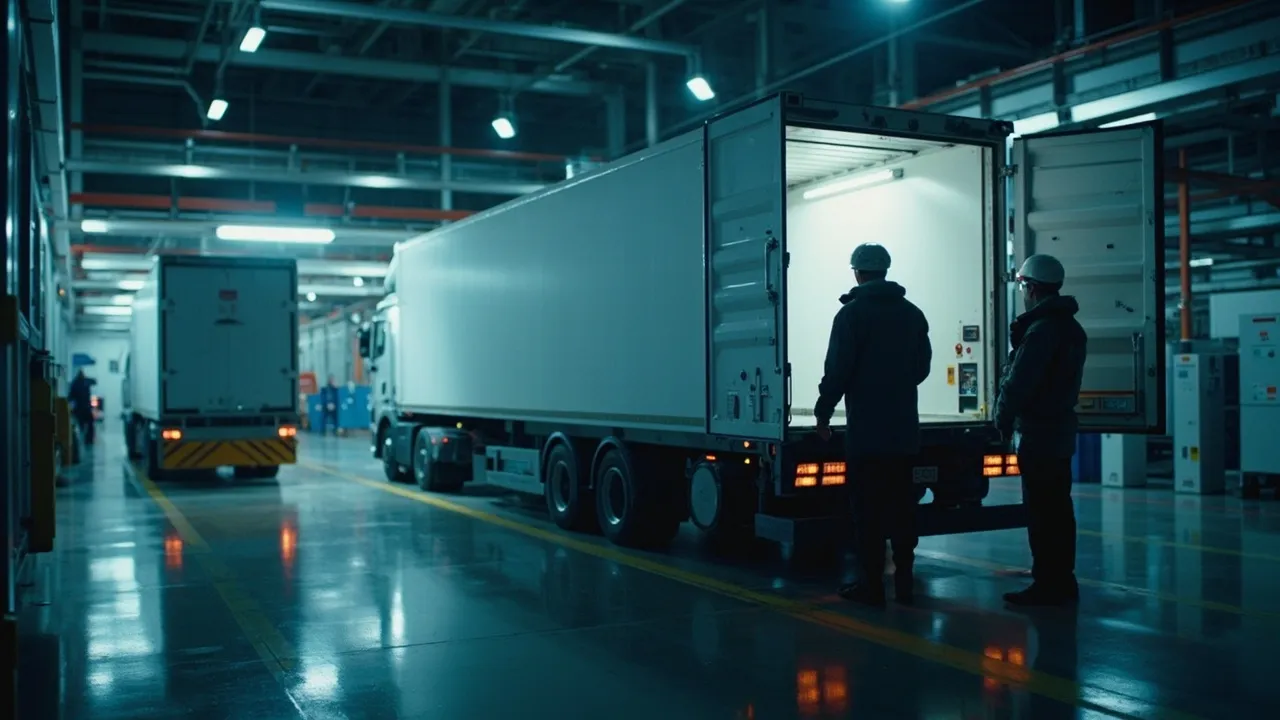
Automated cold storage picking is only half the equation. Once cases leave the freezer, they enter a time-sensitive transportation window where visibility is everything. CXTMS cold chain visibility tools provide real-time temperature monitoring, carrier performance tracking, and automated alerts when shipments deviate from required conditions — ensuring that the efficiency gains from voice-controlled robotic picking carry through to final delivery.
The convergence of warehouse automation and transportation visibility is where cold chain operators will find their next competitive advantage. When your warehouse robots and your TMS speak the same language, every link in the cold chain gets stronger.
Ready to connect your cold storage operations with end-to-end visibility? Request a CXTMS demo today and see how real-time cold chain tracking transforms your logistics performance.