ROI Model for Autonomous Mobile Robots in Warehouses: Payback Period Assumptions Every Logistics Leader Should Know


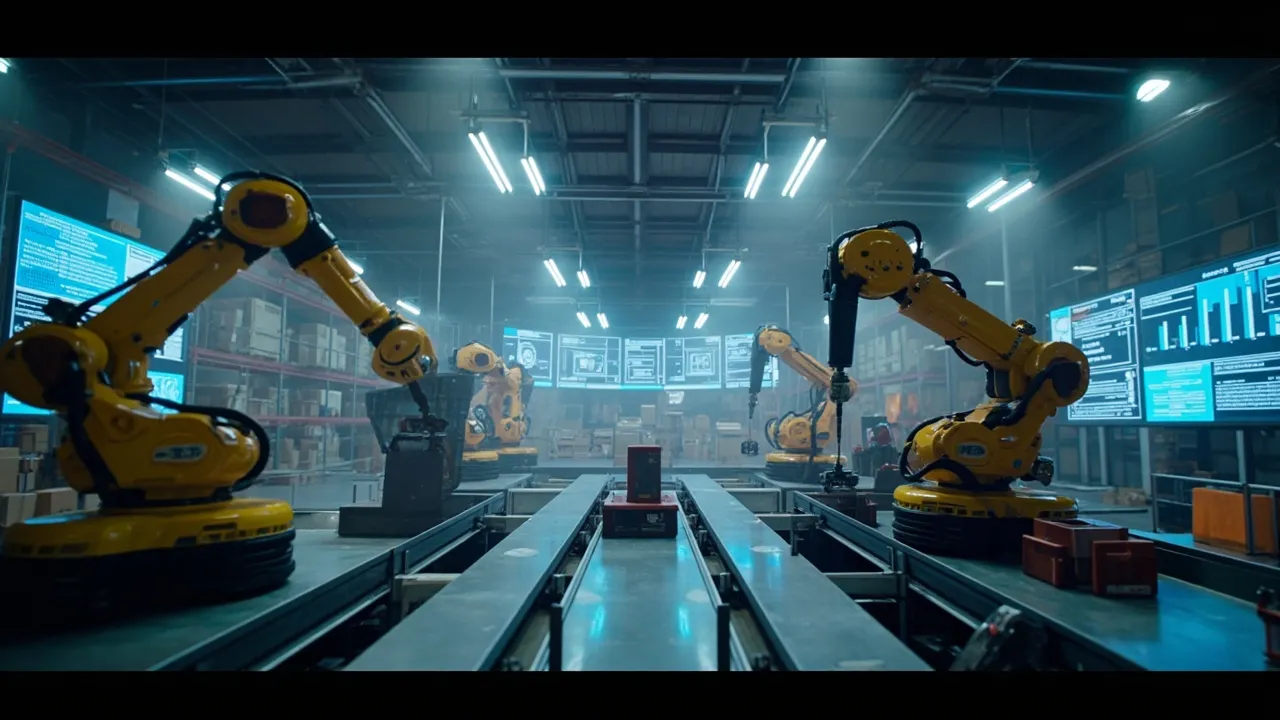
Autonomous mobile robots (AMRs) are no longer experimental. With the warehouse robotics market hitting an estimated $10.96 billion in 2026 and projected to reach $24.55 billion by 2031 at a 17.5% CAGR, according to Mordor Intelligence, the question has shifted from whether to adopt AMRs to how fast they'll pay for themselves.
But here's the problem: most ROI models for warehouse AMRs are built on flawed assumptions. Overly optimistic labor savings, underestimated integration costs, and ignored maintenance realities can turn a projected 12-month payback into a 36-month disappointment.
The AMR ROI Framework: What Actually Matters
A credible AMR ROI model rests on four pillars: labor cost displacement, throughput gains, total cost of ownership, and operational flexibility. Miss any one of these, and your projections will mislead.
Industry data shows AMRs typically deliver payback in under 24 months with ROI above 250% in live deployments. But that headline number hides enormous variance depending on facility type, shift structure, and the assumptions baked into the model.
Key Payback Period Variables
Labor Savings: The Dominant Driver
Labor remains the largest cost component in most warehouses, and it's the primary ROI lever for AMRs. The MHI 2026 supply chain trends report identifies the workforce talent gap as the number-one challenge facing the industry—companies can't find enough workers at any wage.
When modeling labor savings, account for:
- Fully loaded labor costs, not just hourly wages. Include benefits, workers' comp, training, turnover costs, and overtime premiums. A $18/hour picker actually costs $25–$30/hour fully loaded.
- Turnover displacement. Warehouse turnover rates regularly exceed 60% annually. Each replacement cycle costs $3,000–$5,000 in recruiting, onboarding, and lost productivity. AMRs don't quit.
- Shift coverage gaps. If you're running two or three shifts, factor in the differential pay and the reality that night and weekend shifts are chronically understaffed.
Throughput Gains: The Overlooked Multiplier
AMRs don't just replace labor—they accelerate it. Collaborative picking robots consistently increase pick rates by 2–3x compared to manual cart-based picking. A facility processing 200 picks per hour per worker can realistically hit 400–650 picks per hour with AMR-assisted workflows.
Model throughput gains conservatively:
- Use 70–80% of vendor-quoted rates for your first-year projections
- Account for ramp-up periods (typically 4–8 weeks to reach steady-state performance)
- Factor in peak season surge capacity, where AMRs shine by scaling without hiring
Total Cost of Ownership: Where Models Break
The purchase or lease price of AMRs is just the beginning. A robust ROI model must include:
- Integration costs: WMS modifications, Wi-Fi infrastructure upgrades, floor preparation, and safety systems. Budget 20–40% of hardware costs for integration.
- Maintenance and support: Annual maintenance contracts typically run 10–15% of purchase price. Battery replacements, software updates, and sensor calibration add up.
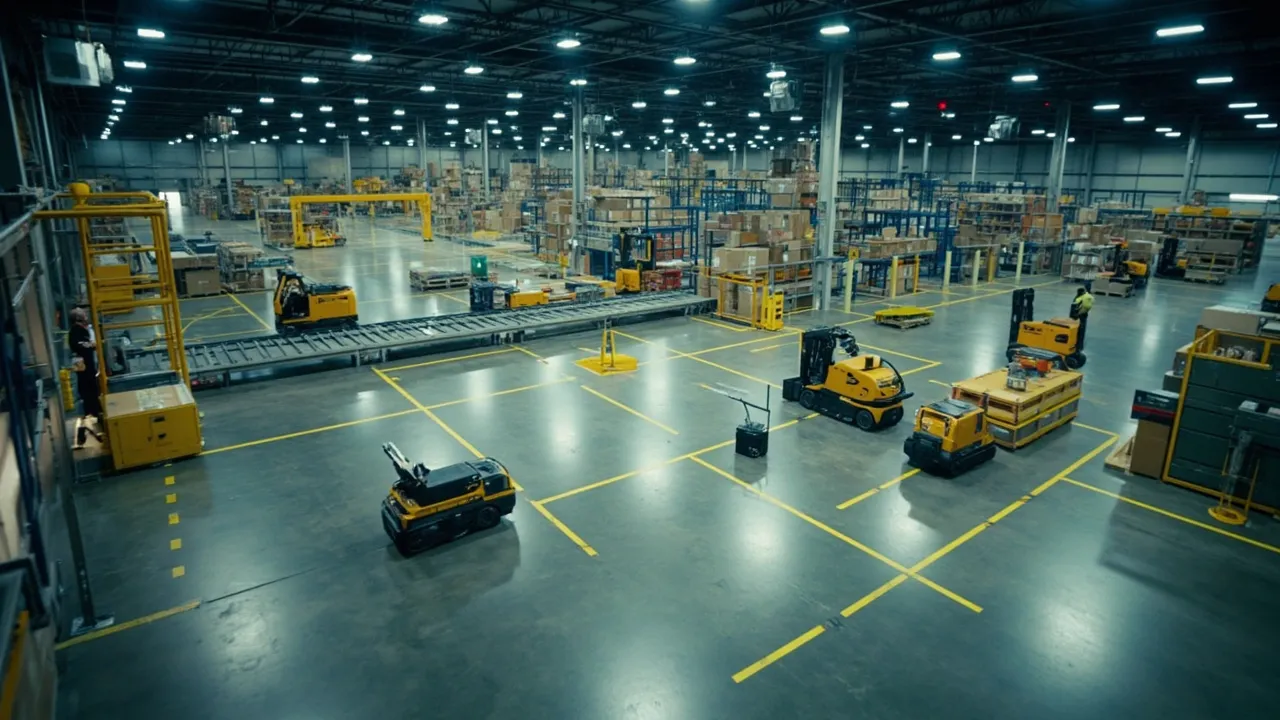
- Facility modifications: AMRs need clear aisles, consistent flooring, and reliable connectivity. Older facilities may require significant prep work.
Common Assumption Pitfalls
Pitfall 1: Linear scaling assumptions. Your first 10 AMRs won't deliver the same per-unit ROI as units 11–50. Initial deployments carry disproportionate integration overhead. Model a step-function cost curve, not a straight line.
Pitfall 2: Ignoring the hybrid period. You won't go from zero to fully automated overnight. During the transition, you're paying for both human workers and robots. Build 3–6 months of hybrid operating costs into your model.
Pitfall 3: Static labor cost projections. Warehouse wages have increased 15–20% over the past three years in many markets. Your ROI model should use escalating labor costs, not today's rates. This actually improves AMR payback over time, but only if you model it.
Pitfall 4: Forgetting opportunity cost. What else could you do with that capital? If your cost of capital is 8–10%, your AMR investment needs to clear that hurdle, not just break even.
Real-World Payback Timelines by Warehouse Type
High-volume e-commerce fulfillment: 8–14 months. High pick density, consistent year-round volume, and severe labor competition make this the sweet spot for AMR ROI. Midwest eCommerce fulfillment centers running year-round volume routinely see payback in under 12 months.
Third-party logistics (3PL): 14–20 months. Variable client requirements and seasonal fluctuations extend payback, but the flexibility of AMRs (versus fixed automation) is a significant advantage. Robotics-as-a-Service (RaaS) models can further compress payback by eliminating upfront capital.
Cold storage and specialty facilities: 18–30 months. Higher equipment costs for temperature-rated units and specialized integration requirements extend the timeline. However, labor savings are amplified because cold storage workers command premium wages and turnover is even higher.
Traditional distribution centers: 16–24 months. Moderate pick volumes and existing process maturity mean AMRs add value but don't transform operations as dramatically. Focus the ROI case on labor availability rather than pure cost savings.
Building a Model That Holds Up
The MHI and Deloitte Annual Industry Report found that 55% of supply chain leaders are boosting investments in technology and innovation. But investment without rigorous ROI modeling is just expensive optimism.
Start with a pilot-first approach: deploy 5–10 AMRs in a single zone, measure actual performance against your model assumptions for 90 days, then recalibrate before scaling. This de-risks the investment and gives you real data to replace vendor projections.
Track these KPIs from day one:
- Picks per hour (human-assisted vs. pre-AMR baseline)
- Labor hours displaced per shift
- System uptime (target: 95%+)
- Integration incident rate (WMS conflicts, navigation failures)
- Total cost per pick (all-in, including AMR amortization)
How CXTMS Supports Automation ROI Tracking
CXTMS provides the warehouse management visibility layer that makes AMR ROI measurable. By integrating with leading AMR platforms and tracking real-time performance metrics across your facility, CXTMS helps logistics leaders move from projected ROI to proven ROI—with dashboards that show exactly where automation is delivering and where assumptions need adjustment.
Ready to build a data-driven automation strategy? Contact CXTMS for a demo and see how our platform tracks the metrics that matter for warehouse robotics ROI.