Cold Chain Capacity Is Rising, but Reefer Freight Is Still Tightening Ahead of Produce Season

Cold-chain capacity is expanding, but shippers should not confuse more refrigerated warehouse space with easier refrigerated transportation. The 2026 market is flashing both signals at once: more investment in temperature-controlled infrastructure, and tighter reefer truckload capacity heading into produce season.
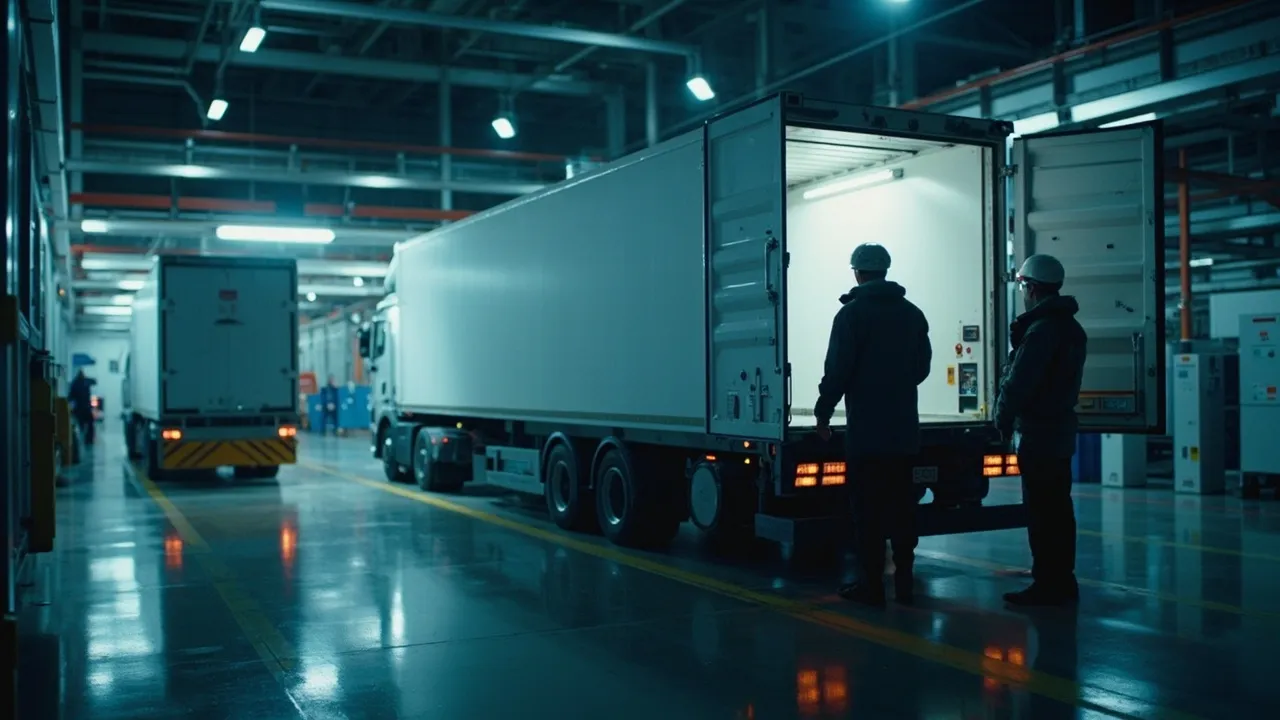
That split matters. A pallet can have a well-equipped cold room waiting at origin and destination, yet still miss its service promise if the lane lacks dependable refrigerated trailers, drivers, appointment discipline, or exception monitoring. For food, pharma, and temperature-controlled 3PLs, the constraint is moving from “Can I store it cold?” to “Can I move it cold, on time, with proof?”
The capacity-growth story is real. Food Logistics reported that the Global Cold Chain Alliance’s latest Top 25 list shows capacity among the largest temperature-controlled warehouse and logistics providers rising by 460 million cubic feet since 2025, with the group now operating 7.76 billion cubic feet, or 219.7 million cubic meters, of temperature-controlled space. That reflects continued capital flowing into frozen food, fresh grocery, pharmaceutical, protein, and import/export networks.
Market forecasts point the same direction. Mordor Intelligence estimates the U.S. cold-chain logistics market at $97.13 billion in 2026, growing to $133.87 billion by 2031 at a 6.63% CAGR. Its analysis also shows refrigerated storage holding 57.53% of U.S. cold-chain market share in 2025, while air transportation is forecast to grow at a 13.23% CAGR through 2031.
But freight capacity does not expand on the same timeline as warehouse capacity. A new cold-storage building adds pallet positions. It does not instantly add tractors, refrigerated trailers, qualified drivers, washout availability, pre-cool discipline, or reliable appointment windows in produce-heavy markets. That is why the transportation side can tighten even while warehouse square footage grows.
Produce season exposes the difference
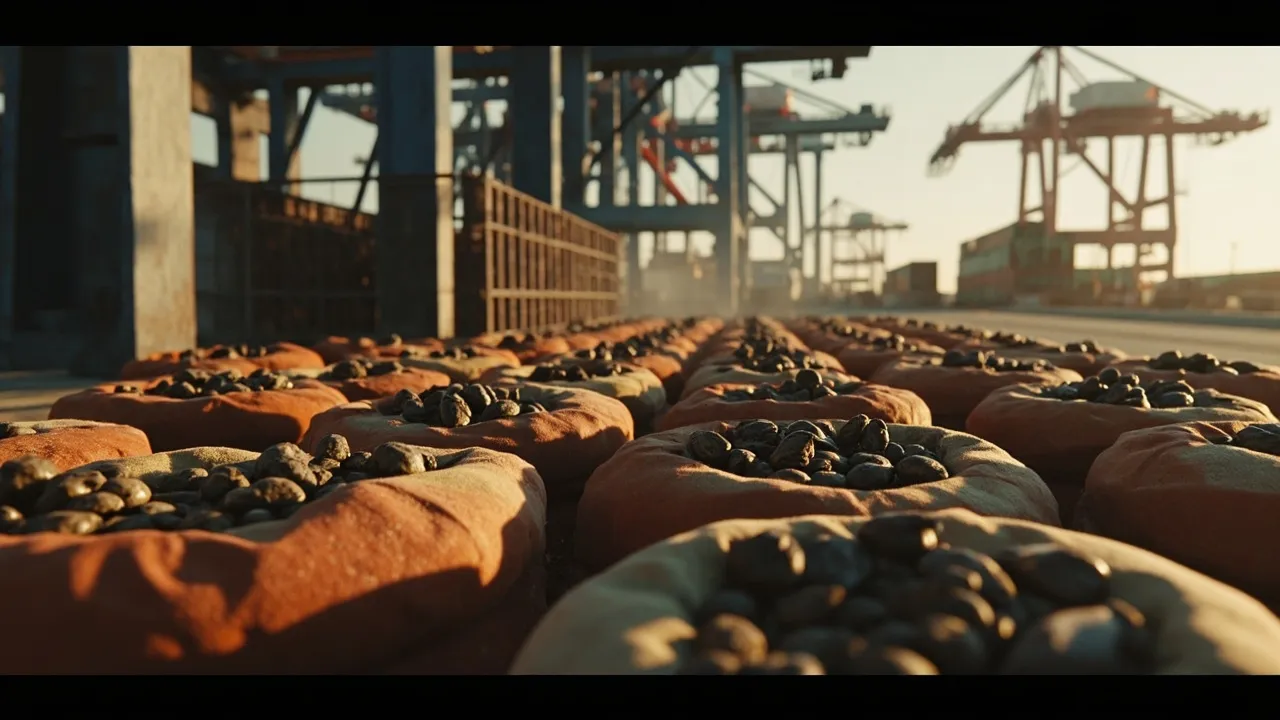
Produce season is the stress test for reefer networks because demand is regional, seasonal, and unforgiving. California, Arizona, Texas, Florida, Georgia, the Pacific Northwest, and cross-border Mexico lanes can all surge at different moments depending on harvest timing, weather, crop mix, and retail demand. Capacity that looked adequate in February can disappear in May when perishables start competing for the same refrigerated trailers.
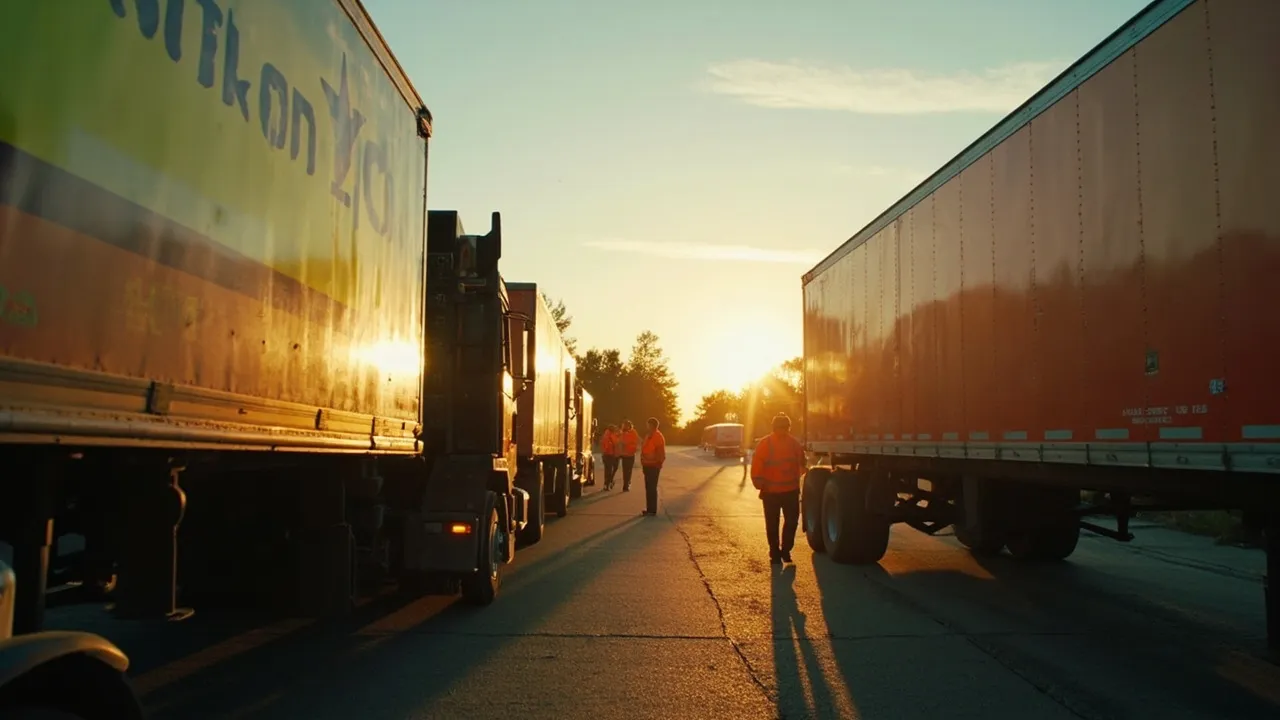
FreightWaves reported that reefer capacity is tightening ahead of produce season, with seasonal volatility and elevated rates expected through the summer. The broader truckload backdrop is already tense: March 2026 freight volumes were up about 8% year over year, tender rejection rates have held above 10% for more than two months, diesel has risen roughly 50% since early Q1, and linehaul rates excluding fuel are up approximately 30% year over year.
Those numbers define the market reefer buyers are walking into. When dry van and flatbed are also tightening, carriers have more options. Refrigerated capacity gets priced against alternative freight, driver availability, fuel, dwell risk, and lane balance. A produce load with strict pickup timing, receiver congestion, pulp-temperature checks, and claims exposure needs to be worth the trouble.
That is why the warehouse-capacity headline can mislead. More cold storage can improve inventory positioning and reduce spoilage risk, but it may also add shipment nodes, transfer points, and short-haul refrigerated moves. Capacity in the building does not eliminate capacity risk on the road.
Food and pharma feel the squeeze differently
Food shippers feel the pressure first in price and service. Seasonal produce, dairy, meat, seafood, frozen meals, and beverage products all have narrow temperature tolerances and customer penalties for late or compromised delivery. A missed appointment can turn into a rescheduled dock slot, detention, rejected product, or emergency spot-market recovery move.
Pharma faces a different version of the same problem. Mordor’s analysis notes that vaccines and clinical trial materials are projected to record the highest application growth at a 14.11% CAGR through 2031, while deep-frozen and ultra-low storage is projected to grow at an 11.87% CAGR. These products require validated lanes, documented chain of custody, redundant monitoring, and escalation protocols before a temperature deviation becomes a product-loss event.
Temperature-controlled 3PLs sit in the middle. They are being asked to provide more storage, more transportation coordination, more data, and more exception management at the same time. Customers want the cold chain to feel like a single service, even though the operating reality is a patchwork of facilities, carriers, appointment systems, sensors, brokers, and customer-specific SOPs.
The winning 3PLs will be the ones that can translate capacity into control. Anyone can say they have access to cold space or reefer partners. Fewer can prove which lanes are tightening, which carriers perform by temperature band, which facilities generate dwell, which customers create appointment risk, and which exceptions are repeatable enough to prevent.
Lane-level planning beats blanket procurement
The practical answer is not panic buying reefer capacity everywhere. That is expensive and usually sloppy. The better move is lane-level planning.
Start by segmenting lanes by seasonality and failure cost. A frozen replenishment lane with flexible windows should not be managed like a fresh produce lane from a seasonal origin or a biologics lane with validated handling requirements. Identify which lanes have produce-season exposure, scarce regional equipment, cross-dock points, and late-arrival penalties.
Second, reserve capacity where the risk justifies it. For core produce-season lanes, that may mean mini-bids, committed weekly volumes, primary/backup carrier assignments, and earlier tendering. For volatile lanes, it may mean pricing realistic spot-market exposure into customer quotes instead of pretending last year’s softness still exists. FreightWaves cited planning scenarios calling for 10-15% freight cost inflation in a base case and 15-20% in a tighter case; temperature-controlled freight and short-haul lanes carry meaningful upside risk.
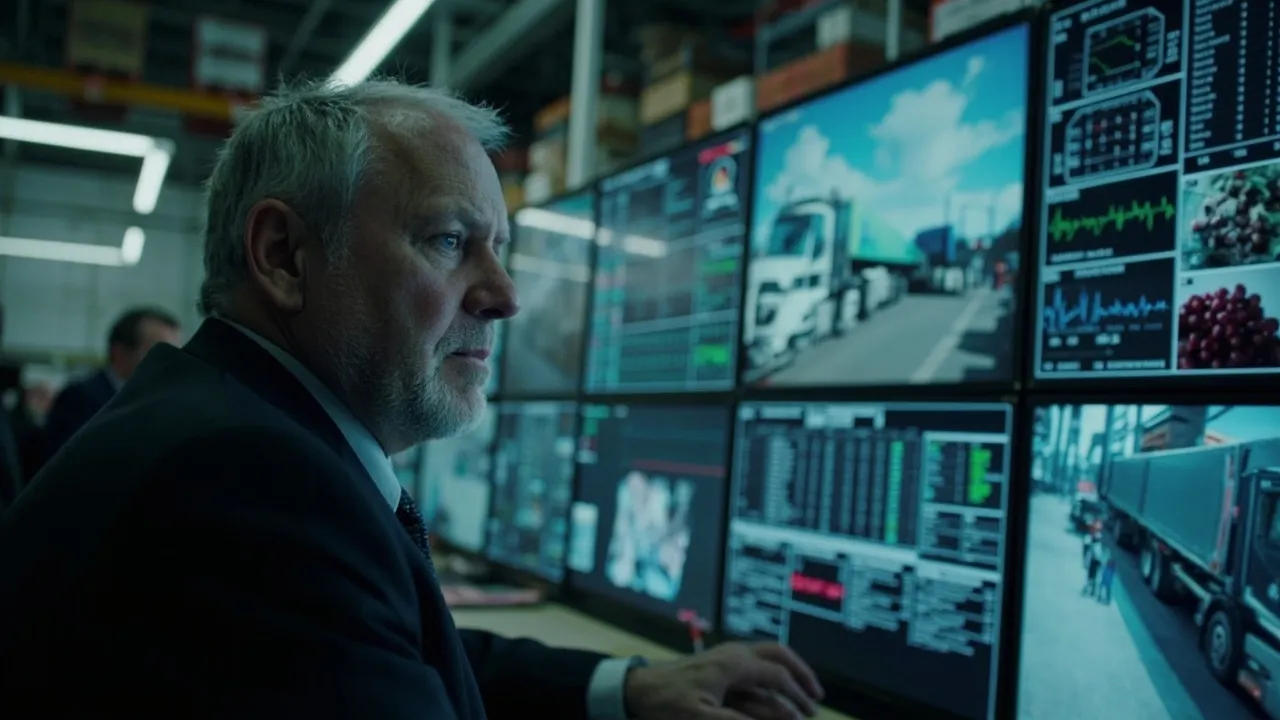
Third, make temperature data operational, not decorative. A sensor reading that appears after delivery is useful for claims, but it does not prevent failure. Teams need pre-cool confirmation, pickup checklists, in-transit alerts, dwell-time triggers, reefer set-point validation, and escalation paths tied to the shipment record.
Fourth, connect warehouse and transportation planning. If new cold-storage capacity changes where inventory is staged, transportation assumptions need to be recalculated. A cheaper warehouse location can become expensive if it creates longer refrigerated drayage, harder appointment windows, poor lane balance, or more transfers. Conversely, a rail-integrated or port-adjacent cold hub may reduce total cost if the execution workflow can handle slower cycles and tighter monitoring.
Cold-chain growth needs execution discipline
The cold-chain market is growing because demand is growing: grocery delivery, frozen foods, protein exports, meal kits, pharma biologics, and more stringent food safety expectations are all pushing temperature-controlled logistics forward. That is good news for the sector. It is not a guarantee that every shipper will get capacity when and where they need it.
Produce season is where strategy meets pavement. If a shipper waits until tender rejection rates spike, the only remaining levers are higher rates, lower service confidence, or customer apologies. The smarter play is to build a controlled reefer plan before the seasonal rush hits: know the lanes, reserve the critical capacity, monitor the temperatures, and manage exceptions before they become claims.
CXTMS helps logistics teams coordinate temperature-controlled freight with shipment visibility, document control, carrier workflows, exception alerts, and lane-level execution data. If your cold-chain network needs tighter control before produce season volatility arrives, schedule a CXTMS demo and build the operating discipline before the trailers get scarce.