The Multimodal Freight Market Divergence: Why Trucking, Ocean, and Air Are Moving in Opposite Directions


For most of the past decade, freight market commentary treated all modes as roughly correlated. When truck rates moved, ocean followed. When air spiked, everyone paid attention. Not anymore.
Q2 2026 is producing something unusual: a genuine multimodal divergence. Ocean freight is drowning in overcapacity. Trucking capacity is tightening at exactly the wrong moment. And air cargo is being reshaped by geopolitical disruption into something approaching a crisis on certain lanes. These three dynamics are happening simultaneously — and they have very different implications for how procurement teams should be approaching their freight contracts right now.
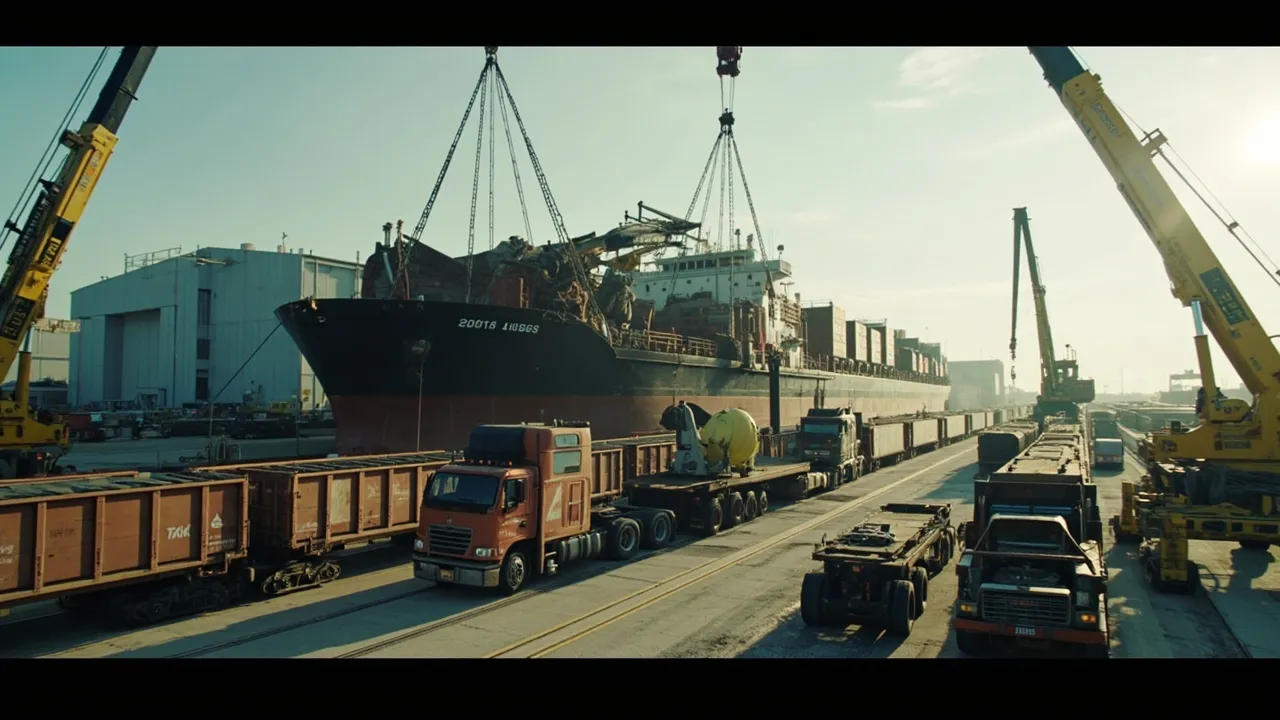
Ocean: The Buyer's Window Is Open — But Not for Long
The ocean freight market in 2026 is defined by a simple imbalance: too many ships, too few boxes moving.
According to Xeneta, the global container shipping fleet is expected to grow by 3.6% in 2026 — measured in TEU — against container shipping demand growth of only 3%. That's not a tight market. That's an overhang. The fleet that carriers built during the 2021-2022 rate boom is hitting the water at the worst possible time for their balance sheets, and shippers are the beneficiaries.
Rates on key Asia-Europe and transpacific lanes have been trending downward since the post-Red Sea spike in late 2025 moderated. Xeneta's analysis indicates carriers are deploying every tactic in the book to manage the overcapacity — blank sailings, slow steaming, voluntary idling of vessels — but the supply overhang is structural, not cyclical. The record orderbook from 2021-2023 is delivering in 2026.
For procurement teams, this is a window. Spot rates currently favor shippers. Contract renewals being negotiated in Q2 2026 should reflect this softness — but carriers know the overcapacity story is temporary (newbuild orders are tapering), and they'll push for clauses that protect them if the market normalizes. Shippers should resist multi-year fixed-rate locks and push instead for hybrid or index-linked structures that let them capture downside if ocean rates stay soft.
The critical renegotiation trigger to insert: a floor mechanism tied to Red Sea normalization. If the Red Sea routing situation resolves and pulls capacity back to Cape routes, normalizes Suez transits, and allows vessel schedules to recover — rates will adjust. Your contract should reflect that.
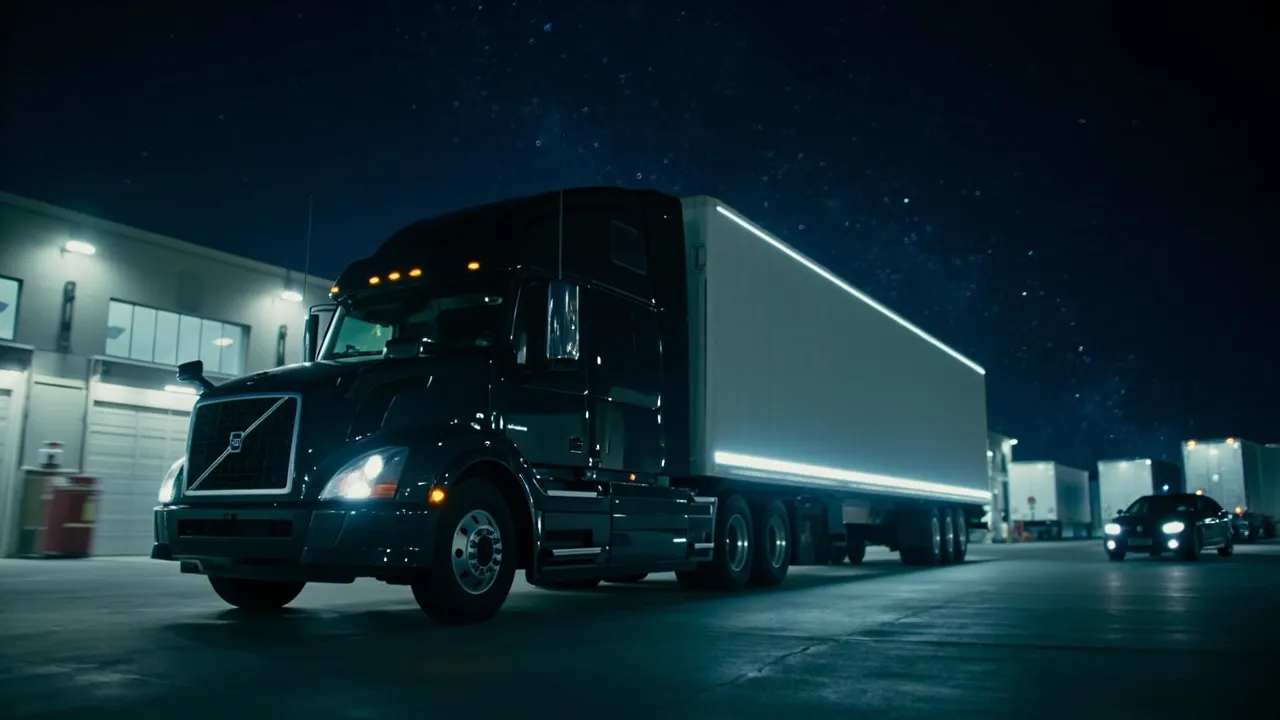
Trucking: The Tightening Nobody Wanted
While ocean was glutting, trucking was quietly tightening.
ACT Research's 2026 forecast notes that freight volumes entering March 2026 were firmer than late-2025 trends suggested — but that improvement is arriving alongside a driver supply situation that has fundamentally changed. After four consecutive years without a meaningful driver shortage — thanks partly to post-pandemic labor reallocation — regulatory changes have accelerated the supply constraint.
The result: trucking capacity is contracting at precisely the moment seasonal Q2 demand begins building toward the Q3 peak. ACT's data shows continued capacity contraction, with a more constructive rate outlook for the balance of 2026 now supported by regulatory clarity and gradually strengthening demand. The industry's own forecasts suggest rate floors are being established — meaning the downward pressure that characterized 2024-2025 truck pricing is largely exhausted.
For shippers, the implication is clear: tender early. Q2 is the moment to lock in truck capacity before the Q3 seasonal demand surge collides with a tighter driver market. Private fleet contraction continues, fleet expansion remains limited, and the regulatory environment isn't creating new drivers fast enough to close the gap. Waiting until July to tender Q3 loads will cost more — and may find no trucks available on key lanes.
This is not a repeat of 2021-2022. There is no tidal wave of demand. But the structural capacity constraints that have been building for years — driver demographics, regulatory friction, equipment cost inflation from EPA 2027 pre-buy cycles — are converging into a higher floor. Shippers who treat 2026 trucking like 2024 trucking will be caught short.
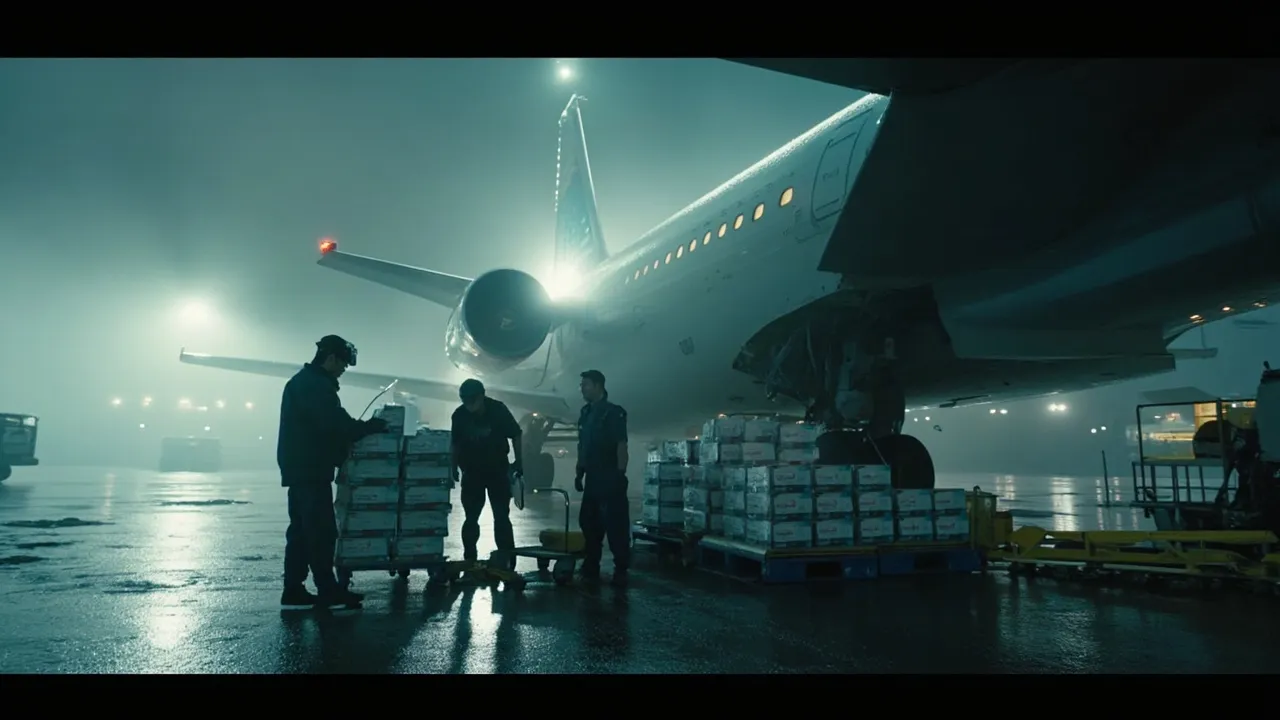
Air Cargo: The Wild Card Nobody Planned For
Air freight in Q1 2026 became the story nobody expected.
The U.S.-Israeli conflict with Iran, which escalated in early 2026, has disrupted Middle East routing in ways that directly constrain air cargo capacity. According to Reuters, air freight rates have risen by as much as 70% on some routes since the conflict began. The Air Cargo Week reported that global air cargo capacity fell below 2026 forecasts as Middle East disruption cut capacity by over 50% on key routes — forcing shippers to adopt alternative routing strategies that add cost and transit time.
The rate picture varies sharply by lane. Asia-Europe pricing increased by around 30% in recent weeks, while India-Europe and India-US routes saw increases of between 50% and 80%. In some cases, rates more than doubled. Europe to North America spot rates, conversely, declined by around 10% as additional passenger flights increased belly cargo capacity. Not all corridors moved the same direction — which is itself a data point about how regionally heterogeneous the air cargo market has become.
For shippers with air-dependent supply chains — electronics, pharmaceuticals, high-value goods with time constraints — Q2 planning needs to account for this volatility. The disruption isn't likely to resolve quickly, and capacity on Middle East-adjacent lanes will remain constrained as long as the routing situation persists. Building buffer inventory, qualifying alternative routing lanes, and having pre-negotiated air freight arrangements with fallback carriers are no longer contingency measures — they're table stakes.
What This Means for Multimodal Procurement Strategy
The divergence isn't an accident or a temporary glitch. It's a structural feature of a freight market that has permanently fragmented. Ocean, trucking, and air cargo operate on different supply-demand dynamics, different carrier concentration levels, and different vulnerability profiles to geopolitical disruption. Treating them as a single "freight" bucket in procurement planning is how companies get surprised.
The practical playbook for Q2 2026:
- Ocean: Exploit the overcapacity window now. Renegotiate on favorable terms, push for index-linked pricing, and resist multi-year locks.
- Trucking: Secure capacity before Q3. Tender early, build direct carrier relationships, and explore intermodal or LTL options on lanes where truck capacity is thinnest.
- Air: Plan for continued disruption on Middle East-adjacent lanes. Qualify alternative routing, build inventory buffers where product life allows, and reassess your air-versus-ocean boundary for time-sensitive goods.
The companies navigating this best aren't treating all modes the same way. They're using purpose-built multimodal rate management tools that let them see across ocean, air, and trucking rates in a single view — and making mode-selection decisions based on real-time market conditions, not last quarter's contract.
This is what modern freight procurement looks like in 2026: fast, differentiated, and mode-aware. The divergence is an opportunity for the prepared.
Ready to see how CXTMS can help you navigate multimodal rate complexity? Request a demo and discover how CXTMS gives logistics teams cross-modal rate visibility, automated benchmarking, and AI-powered lane optimization — all in a single dashboard.