Why Multimodal Visibility Platforms Are Replacing the Visibility Silos of 2025


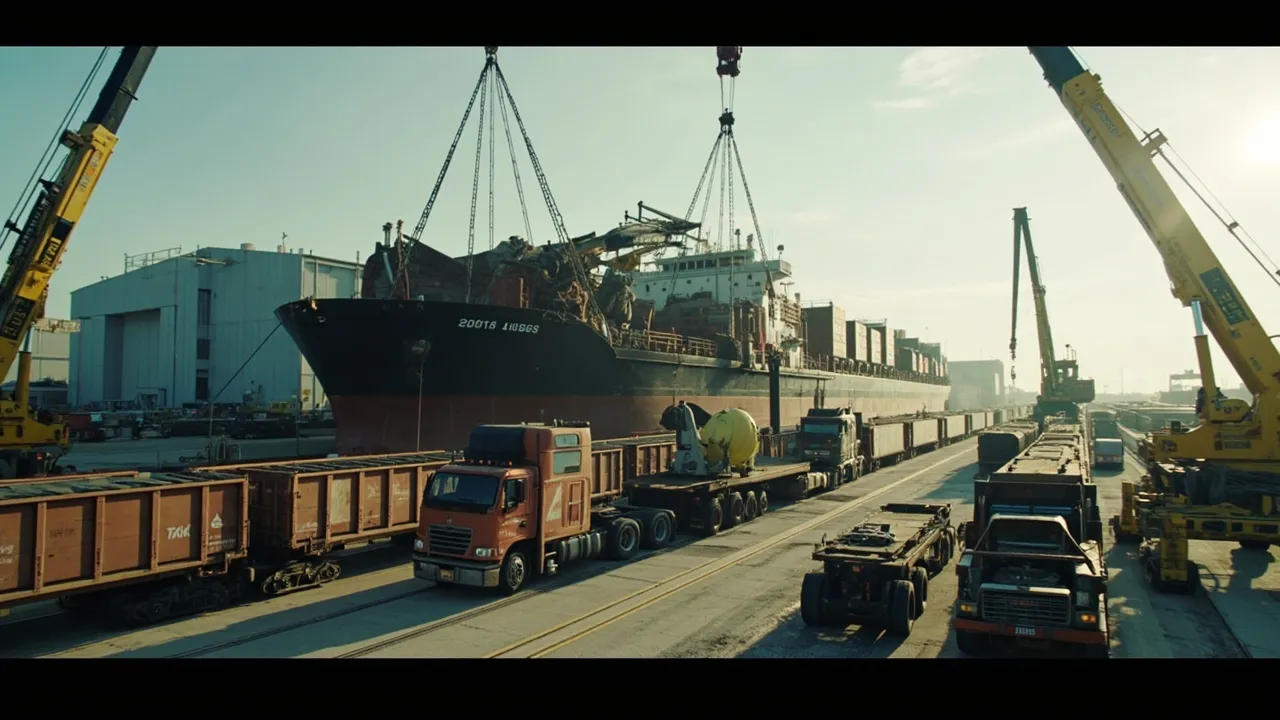
The average mid-to-large shipper in 2025 was running five to 10 separate visibility tools. A TMS portal here. A carrier tracking link there. Ocean tracking in one system, truck tracking in another, rail data buried in a spreadsheet nobody trusts. The result wasn't visibility — it was a data fragmentation problem wearing the skin of a visibility solution.
That era is ending.
The supply chain visibility software market is expected to reach $3.08 billion in 2026, according to Business Research Insights, with projections running toward $25–$40 billion by mid-decade depending on the segment. But the real story isn't the headline number. It's where the growth is concentrated: unified, multimodal platforms — and away from the siloed point solutions that dominated just two years ago.
The Problem With Siloed Visibility
Fragmented systems don't just create inconvenience. They create operational blind spots with real dollar costs.
As Supply Chain Management Review noted in March 2026, many shippers operating across five to 10 platforms — TMS, WMS, carrier portals, rail systems, financial tools — end up with conflicting data that slows response times when conditions change. When your ocean shipment hits a port delay and your truck delivery window is already committed, reconciling three different systems to figure out what to do next isn't a workflow problem. It's a cost problem.
The same dynamic plays out in reverse: Agistix reported that without a unified data architecture, logistics leaders are forced to manually log into multiple carrier portals or reconcile spreadsheets, leading to outdated information and costly shipping errors. A missed exception that could have been acted on in 15 minutes sits unnoticed for four hours because nobody was looking at the right screen.
What Multimodal Platforms Actually Deliver
The shift isn't just about consolidating dashboards. It's about changing what kind of decisions become possible.
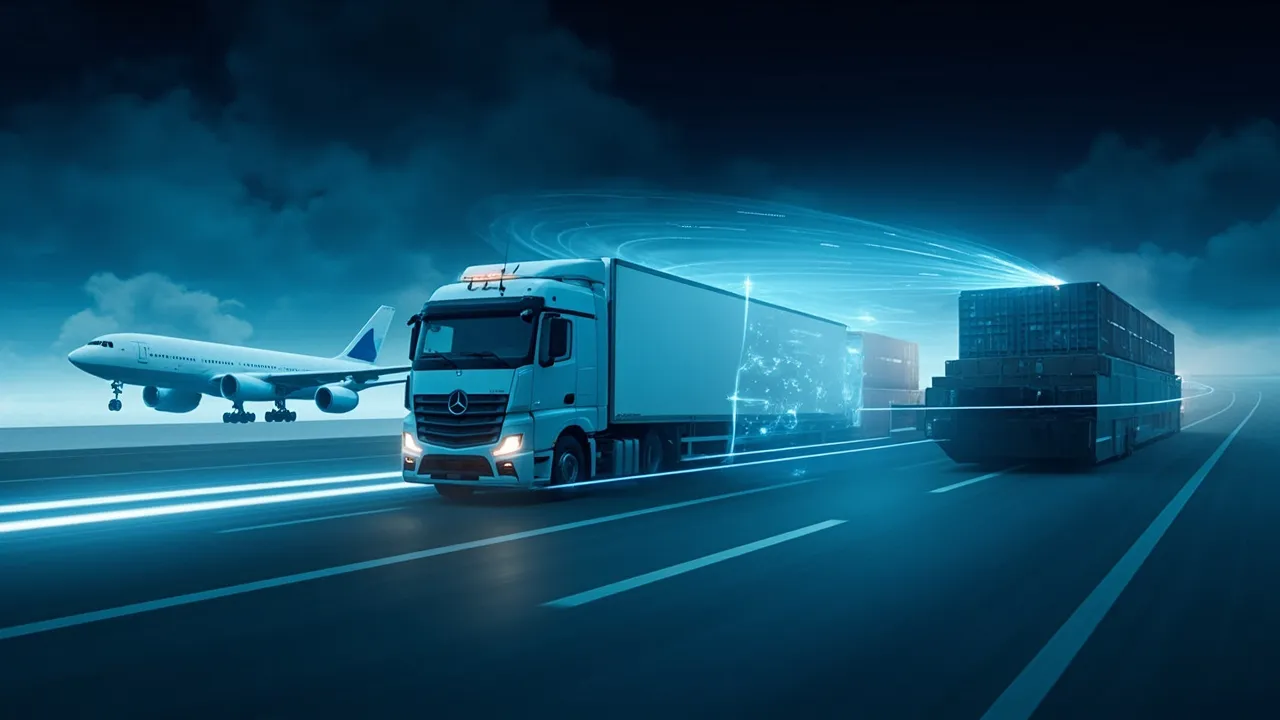
A genuine multimodal visibility platform connects carrier data across truckload, LTL, ocean, air, and rail into a single event stream. But raw connectivity isn't the differentiator anymore — the market has moved past that. What separates the platforms worth implementing from the ones that just add another tab to your browser is three capabilities:
1. Carrier-Agnostic Data Ingestion
The old model required shippers to build and maintain EDI connections directly to each carrier — expensive, slow, and fragile when carriers change their systems. Modern platforms aggregate data through multiple channels: EDI, APIs, and in the case of ocean freight, AIS satellite feeds that track container vessels directly. Shippeo, for instance, leverages EDI, API, and web crawling to aggregate ocean milestone events, meshed with direct AIS satellite tracking. That breadth of ingestion means the platform works regardless of which carrier you're using or how they choose to publish data.
2. Exception Management, Not Passive Tracking
Passive tracking tells you where a shipment was. Exception management tells you when something is wrong and — increasingly — what to do about it. According to Logistics Management's 2026 TMS trends analysis, the next generation of visibility platforms is building workflow and collaboration tools directly into the exception layer, turning the control tower from a monitoring function into an active response function.
3. Predictive ETA Accuracy
Raw carrier ETAs are notoriously unreliable. FourKites reports that its Dynamic ETAs are six times more accurate than carrier-provided ETAs, using lane-specific models that factor in historical dwell times, facility congestion, and mode-specific constraints. When you're managing customer expectations and inventory flow across a network, that difference — 6x accuracy — is the difference between a proactive customer service call and a reactive damage control conversation.
Why 2026 Is the Inflection Point
Three things are pushing shippers off the fence in 2026 that weren't as pressing even 18 months ago.
The AI layer changed what's possible. Multimodal platforms in 2026 aren't just aggregating data — they're using it. Lane-specific predictive models, anomaly detection across millions of historical shipments, automated exception triage. The platforms that were sold as "visibility tools" in 2023 are becoming the operational nervous system for logistics teams that used to rely on spreadsheets and phone calls.
The carrier network got more complex. The continued expansion of brokered capacity means shippers are dealing with more carriers, more handoffs, and more opportunities for a shipment to go dark. A platform that only tracks your contracted carriers misses the middle mile. Multimodal platforms ingest data across the entire chain regardless of who physically moves the freight.
The ROI story got cleaner. When you can show that better ETA accuracy reduced customer service calls by 30%, or that exception management reduced accessorial charges by identifying late-pickup penalties before they hit the invoice, the business case for consolidation becomes straightforward. FutureMarketInsights projects demand for multimodal shipment visibility will hit $1.2 billion in 2026, growing at a 13.7% CAGR through 2036, as more shippers complete the math on what visibility fragmentation actually costs.
What to Look for in a Multimodal Visibility Vendor in 2026
If you're evaluating a platform move, these criteria matter most:
- Data depth per mode: Ocean visibility requires AIS or carrier API integration — not just parsed emails. Air cargo requires integration with GHA or IATA messages. If the platform only does truck well, you haven't solved the problem.
- Exception workflow sophistication: Can the platform do more than alert you to a problem? Can it suggest a resolution, reroute automatically, or notify the customer without human intervention?
- ERP/TMS integration friction: How long does it take to get data flowing into your existing systems? Platforms that require six months of professional services to onboard are a red flag.
- Genuine multimodal, not aggregated siloed tools: Some vendors have stitched together multiple point products under a unified UI. That's not the same as a platform architected from the ground up for multimodal data fusion.
The Bottom Line
The visibility silos of 2025 were a reasonable compromise when multimodal tracking was technically hard and expensive. In 2026, that excuse is gone. The market is mature, the data pipes exist, and the operational cost of fragmentation — in manual effort, missed exceptions, and customer trust — is increasingly visible to finance teams that previously looked past it.
Shippers who move to unified multimodal platforms in 2026 aren't just improving their tracking. They're building the operational foundation for AI-driven exception management, proactive customer communication, and network-level optimization that siloed tools simply cannot deliver.
Ready to see what unified multimodal visibility looks like inside a modern TMS? Request a CXTMS demo and see how CXTMS delivers real-time shipment intelligence across every mode, every carrier, in a single screen.