Multimodal Visibility Platforms: Why Tracking Just One Mode Is Now a Competitive Risk

Ask any logistics manager about their visibility stack, and you'll often get the same answer: "We track our truckloads in one system, our ocean freight in another, and we just hope air shipments show up on time." That's not a strategy—it's a hope.
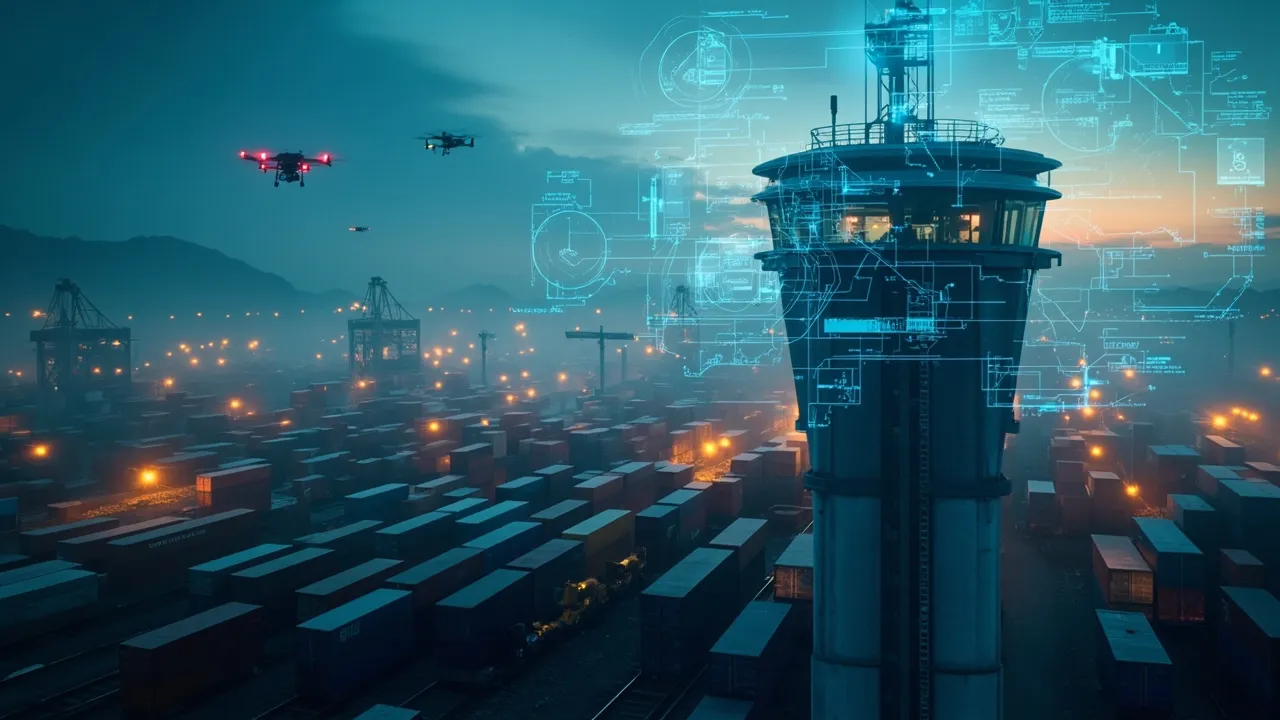
The market is finally catching up to what shippers have needed for years: a single platform that tracks shipments across every mode simultaneously. Multimodal visibility platforms—solutions that unify ocean, air, rail, and trucking data into one view—are no longer a nice-to-have. According to Future Market Insights, the end-to-end multimodal shipment visibility market crossed $1 billion in 2025 and is projected to hit $1.2 billion in 2026, growing at a CAGR of 13.7% through 2036. See Future Market Insights' multimodal visibility platform market analysis for full methodology and market breakdown.
If you're still running single-modal tracking, you're not just behind the curve—you're carrying real operational risk.
The Consolidation Wave: Why One Platform Is Winning
The visibility vendor landscape has shifted dramatically. Where shippers once stitched together separate integrations for each transport mode, the major platforms have moved aggressively toward unification. This isn't accidental. The economics of multimodal freight make single-modal tracking increasingly inadequate.
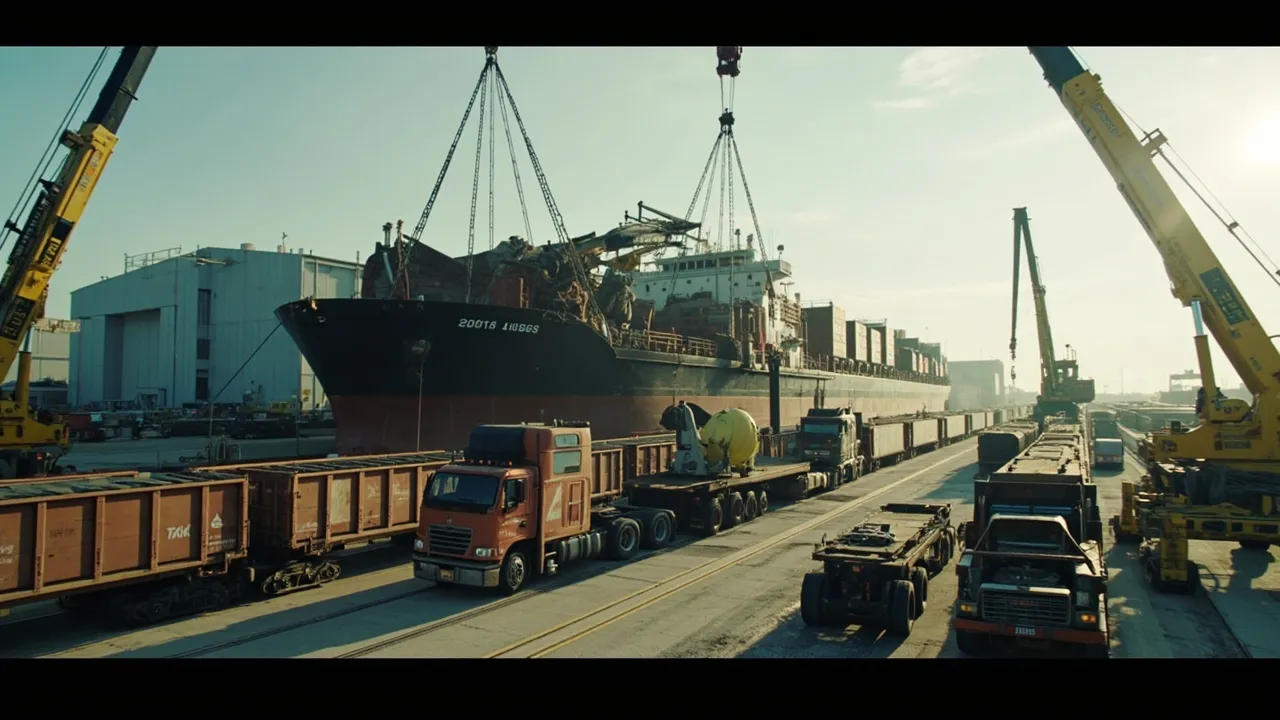
Consider a typical import journey: a component leaves a supplier in Vietnam by rail to port, loads onto an ocean vessel crossing the South China Sea, transits the Cape of Good Hope due to Red Sea disruption, arrives at a U.S. port, transfers to rail for inland movement, and finishes on a trucking leg to a distribution center. That one shipment touched four modes. If your visibility platform only tracks one, you're blind for 75% of the journey.
According to a 2026 industry analysis, over 60% of demand for visibility solutions now comes from logistics firms managing multimodal freight, and that share is climbing. The platforms that have successfully built multimodal networks—integrating with more than 1,000 TMS, telematics, and ELD systems—are pulling ahead. Shippeo, for example, advertises instant access to real-time tracking across all transport modes through a single portal, citing integrations with over 1,000 systems.
This level of integration isn't trivial. It requires massive carrier network deals, API infrastructure, and the ability to normalize data across wildly different formats—RFID, IoT sensors, carrier EDI messages, GPS telematics. The companies that have built that infrastructure are now difficult to displace.
What Makes Multimodal Platforms Structurally Different
Legacy TMS tracking and modern multimodal visibility platforms are fundamentally different architectures—not just different vendors.
Legacy TMS tracking is designed around workflows: booking, tendering, routing. Tracking is a byproduct of those workflows. It works well within the TMS ecosystem but falls apart when shipments leave that ecosystem—which happens constantly in multimodal moves.
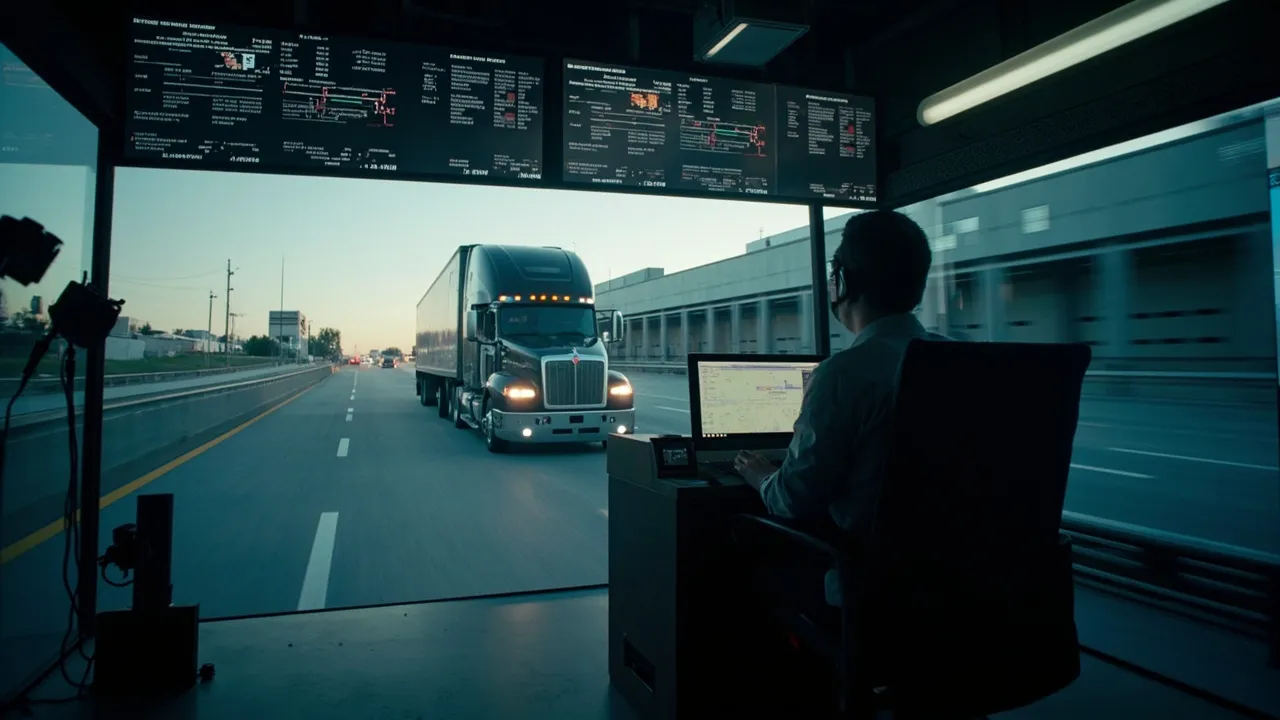
Multimodal visibility platforms are built around the shipment itself, regardless of what system initiated it. They're designed to ingest data from any source, normalize it, and present a unified view. This sounds simple, but the technical depth required is substantial. As Thomas Barnes, president of project44, told us: "The key part is to normalize the information" across formats like RFID, sensors, and carrier data feeds.
The structural difference manifests in three key ways:
-
Cross-mode handoff visibility: When a container moves from ocean to rail to truck, a multimodal platform tracks the actual transfer—not just the last known position in a siloed system.
-
Mode-specific ETA modeling: Ocean vessels and trucking fleets operate on completely different schedules and constraints. A true multimodal platform models each mode's performance characteristics separately, then composites them into a single estimated arrival time.
-
Exception alerting across boundaries: Most carriers alert you when something goes wrong within their network. Multimodal platforms alert you when something goes wrong at the interface between modes—port congestion delays, rail-to-truck transfer failures, customs holds—that siloed systems never see coming.
The API Depth Problem: Why Integrations Matter More Than Features
When evaluating multimodal visibility platforms, the feature list is almost secondary to the integration depth. Any platform can claim real-time tracking. The question is: what happens when you need to integrate that tracking data into your own systems?
API depth determines what you can actually do with visibility data. The platforms winning enterprise deals are those with robust REST APIs, well-documented webhooks, and pre-built connectors to major TMS platforms. According to Global Growth Insights, over 50% of visibility solution adoptions now involve cloud-based platforms with open API architectures.
What to evaluate:
- Carrier network coverage by mode: A platform that tracks 90% of trucking lanes but only 30% of ocean lanes isn't multimodal—it's truck-centric with an ocean module.
- Data latency: Some platforms aggregate carrier data with 15-30 minute delays. For multimodal moves with tight port-to-rail windows, that's unusable.
- Exception management APIs: Can your system receive and act on a delay alert programmatically? Or does someone have to log into a portal?
AI and ETA Accuracy: The Next Competitive Differentiator
The visibility platforms that are pulling ahead in 2026 aren't just showing you where a shipment is—they're telling you when it'll arrive, and they're increasingly right.
AI-driven ETA modeling has moved from experimental to production-grade. By ingesting historical on-time performance data by carrier, lane, season, and port, leading platforms can now produce ETAs that account for real-world patterns legacy systems miss: the Tuesday afternoon rail congestion at CSX's Chicago intermodal yard, the seasonal spike in Port of LA dwell time, the carrier that's consistently 4 hours late on certain lanes.
For freight forwarders managing hundreds or thousands of active shipments, this matters. When a planner can trust an ETA, they can make decisions: whether to pre-position drayage, alert a customer proactively, or reroute a critical delivery. When they can't trust it, they do expensive redundancy—over-ordering truck capacity, building in excessive buffer time, or worse, missing commitments because they found out about a delay too late.
What Shippers Should Look for in 2026
If you're evaluating multimodal visibility platforms this year, here are the criteria that separate production-ready solutions from vaporware:
- Proven multimodal coverage: Not just trucking with "ocean available"—demonstrated lane coverage across all four modes with live data, not just partner-fed approximations.
- TMS agnosticism: You shouldn't have to rip out your TMS to get visibility. Look for platforms that integrate with your existing stack.
- Network effects: Platforms with more carrier integrations get better data faster. Ask about their carrier onboarding process and what percentage of lanes are directly connected vs. aggregated through intermediaries.
- Exception management workflow: How does the platform surface problems, not just positions? The value is in catching delays before they become missed deliveries.
- Scalability pricing: Many platforms price per-shipment, which works at low volumes but becomes punitive as freight grows. Negotiate tiered or flat-fee structures if you're scaling.
The Visibility Platform Is Now Infrastructure
Five years ago, a visibility platform was a convenience—a way to show customers a tracking page. In 2026, it's infrastructure. Shippers running multimodal freight without unified visibility are flying blind across the majority of their supply chain, paying for it in excess inventory, failed delivery commitments, and customer churn.
The market data is unambiguous: the $1 billion multimodal visibility market is growing at 13.7% annually, driven by exactly the complexity that logistics professionals deal with every day. The question isn't whether to move to a multimodal platform—it's how fast you can integrate it before your competitors do.
Ready to see what unified multimodal visibility looks like inside a modern TMS? Request a CXTMS demo and see how CXTMS brings ocean, air, rail, and trucking into a single operational view.
Tags: #visibility #multimodal #technology #TMS #freight