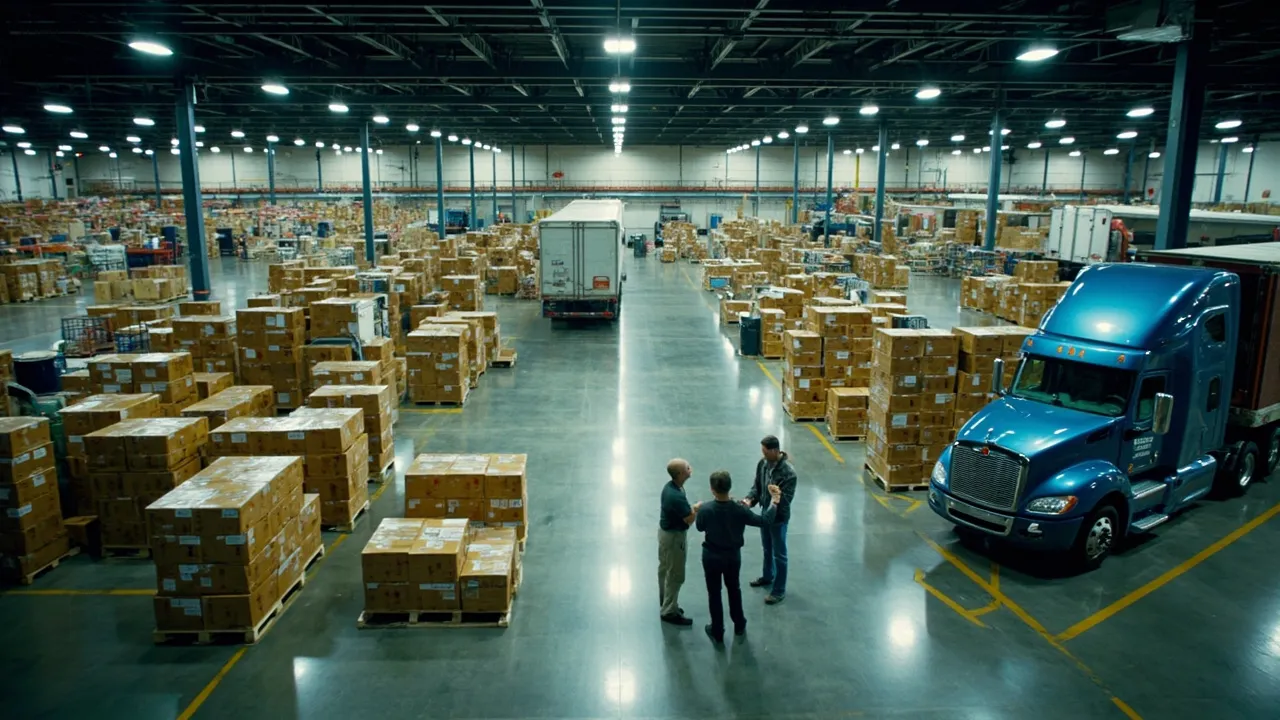
FedEx Bets on Open Partnerships Over Proprietary Robots: What the Carrier's Automation Strategy Means for Logistics Innovation

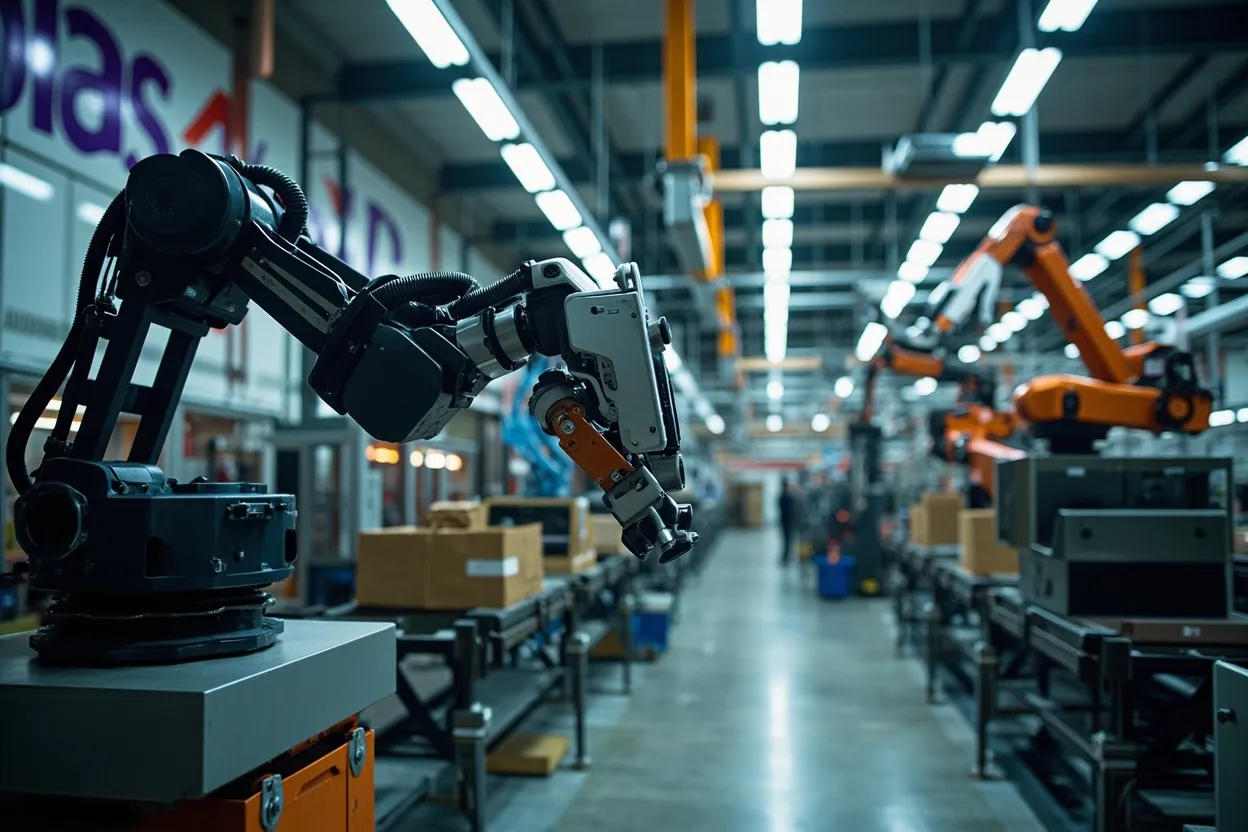
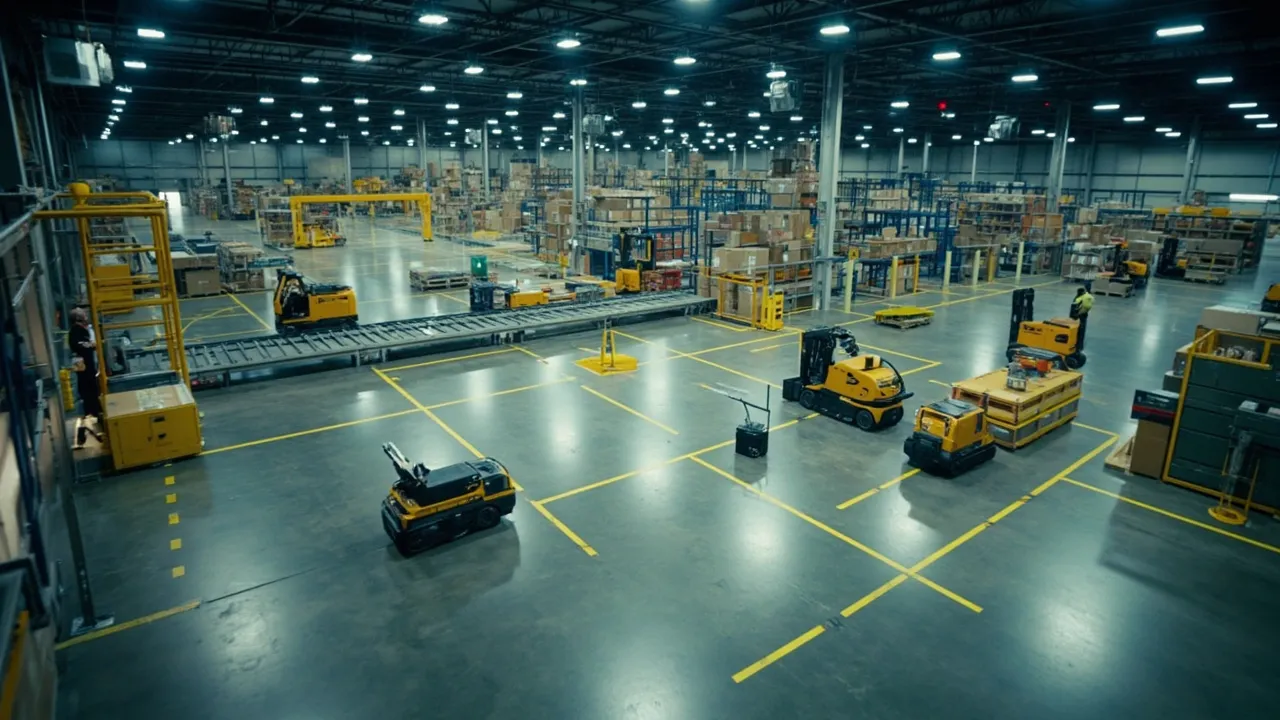
The warehouse robotics arms race is intensifying. As the global warehouse robotics market reaches an estimated $10.96 billion in 2026 — on pace for $24.55 billion by 2031 at a 17.5% CAGR — every major logistics player is being forced to answer a fundamental question: build your own robots, or partner with the companies that already know how?
FedEx, the $84 billion logistics giant, has made its choice. And it's the opposite of what Amazon did.
The Partnership-First Playbook
In a detailed report by TechCrunch, FedEx leadership confirmed the company has decisively landed on a partnership-based approach to warehouse automation — working with best-in-class robotics firms rather than building proprietary systems in-house.
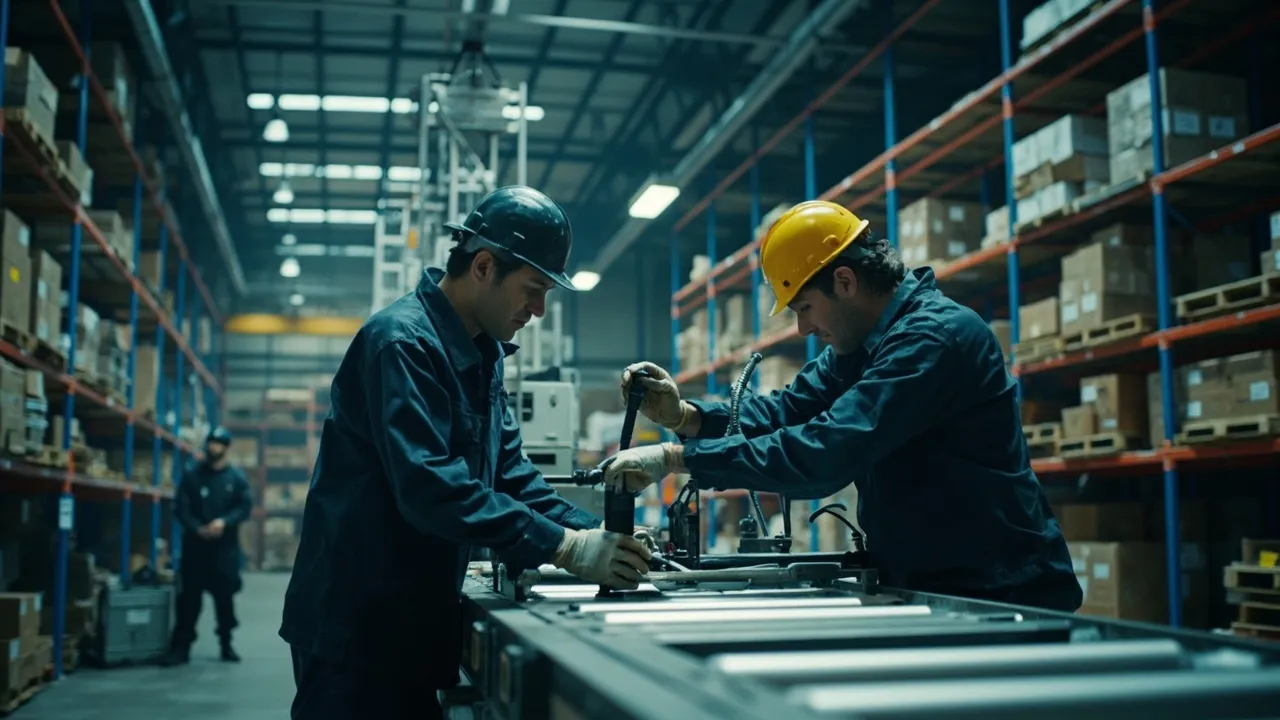
The strategy's flagship example is FedEx's multi-year collaboration with SoftBank-owned Berkshire Grey. Together, they developed Scoop, a fully autonomous robotic trailer unloader designed for bulk package unloading — one of the most physically demanding and injury-prone jobs in any logistics warehouse.
"There's nothing that is off-the-shelf that we recognize will work for our needs," said Stephanie Cook, FedEx's director of advanced technology and innovation for robotics. "We worked with Berkshire Grey in the past and felt this was a good fit for us in terms of a collaboration."
FedEx will begin piloting Scoop across its warehouses later this year, targeting the bulk unloading process where workers must move large bundles of mixed parcels from trailers — a task that's repetitive, unpredictable, and physically taxing.
Why FedEx Chose Buy Over Build
O.P. Skaaksrud, FedEx's vice president of advanced technology and innovation, put it bluntly: developing sensors is complicated, but developing robotics is "next level."
"It's much better and faster to partner with other companies in the field to move faster," Skaaksrud told TechCrunch. "We see these partnerships as really benefiting both FedEx and the companies we work with."
This isn't just philosophy — it's informed by experience. FedEx has tried the in-house route before. In 2019, the company launched the SameDay Bot, a last-mile delivery robot that was unceremoniously kicked out of New York City by then-Mayor Bill de Blasio. The company quietly moved on from the project a few years later.
The lesson was clear: building robotics hardware from scratch requires a fundamentally different organizational DNA than running a logistics network.
The Growing Partner Ecosystem
Berkshire Grey is just one piece of FedEx's expanding automation network. The carrier has assembled an impressive roster of robotics partners, each tackling different operational challenges:
- Dexterity — a billion-dollar-valued startup specializing in robots with "human-like" touch for delicate package handling
- Nimble — another unicorn building fully autonomous warehouse systems, integrated into FedEx Fulfillment operations
- Aurora Innovation — autonomous trucking partner with over 3,200 completed loads on defined routes in Texas since 2021
This multi-partner approach gives FedEx vendor diversity, faster deployment timelines, and reduced R&D risk — all without locking into a single technology stack.
The Amazon Contrast: Two Divergent Automation Philosophies
FedEx's strategy stands in sharp contrast to Amazon's in-house approach. Amazon has invested billions developing proprietary robots — from the Sparrow picking system to the ill-fated Vulcan humanoid project — betting that vertical integration creates long-term competitive advantage.
The tradeoffs are real on both sides:
| Factor | FedEx (Partnership) | Amazon (Proprietary) |
|---|---|---|
| Speed to deploy | Faster — leverages existing tech | Slower — must develop from scratch |
| R&D investment | Lower — shared with partners | Massive — billions annually |
| Vendor lock-in risk | Low — multiple partners | High — dependent on in-house teams |
| IP ownership | Shared/limited | Full ownership |
| Customization | Collaborative | Complete control |
As Skaaksrud noted, the hardware itself is "just hardware." What makes FedEx competitive is the network intelligence and operational brain behind its delivery ecosystem — not whether it owns the robots.
What This Means for the Broader Logistics Industry
FedEx's bet has ripple effects far beyond its own warehouses. As Supply Chain Dive recently reported, robotic unloading is becoming more accessible across the industry, with the cost of loading/unloading robotics approaching parity with case-picking systems depending on utilization rates.
DHL has signed on to deploy more than 1,000 Boston Dynamics Stretch robots across its global operations. Mid-market 3PLs are beginning to explore robotic alternatives to traditional lumper services. The partnership model FedEx is championing could accelerate this adoption because it lowers the barrier to entry.
When the world's second-largest parcel carrier validates an open-partner approach, it sends a clear signal: you don't need to be a robotics company to benefit from robotics.
For mid-market shippers and 3PLs, this is particularly encouraging. An open ecosystem means more interoperable solutions, more competitive pricing from vendors, and — critically — more options for integrating automation with existing transportation management and warehouse management systems.
The Build-vs-Buy Decision Is Splitting Logistics Into Two Camps
The FedEx announcement crystallizes what's becoming the defining strategic debate in logistics technology: build vs. buy.
On one side, companies like Amazon are betting that proprietary automation creates insurmountable competitive moats. On the other, FedEx and a growing number of operators are betting that the logistics network itself — the data, the routing intelligence, the customer relationships — is the real moat, and that hardware is best left to hardware specialists.
Neither approach is inherently wrong. But for the majority of logistics operators who lack Amazon's $500+ billion revenue base to fund in-house robotics labs, the partnership model is likely the more practical path to automation.
How CXTMS Helps Shippers Navigate the Automation Era
As carriers like FedEx deploy partner-based automation across their networks, shippers need visibility into how these operational changes affect service levels, transit times, and costs.
CXTMS provides real-time carrier performance benchmarking that helps shippers understand which facilities are leveraging automation — and where that translates into measurable service improvements. Whether you're evaluating FedEx's automated hubs or comparing carrier capabilities across your network, CXTMS gives you the data to make informed routing and procurement decisions.
Ready to see how carrier automation impacts your freight? Request a CXTMS demo and start benchmarking carrier performance across your network today.