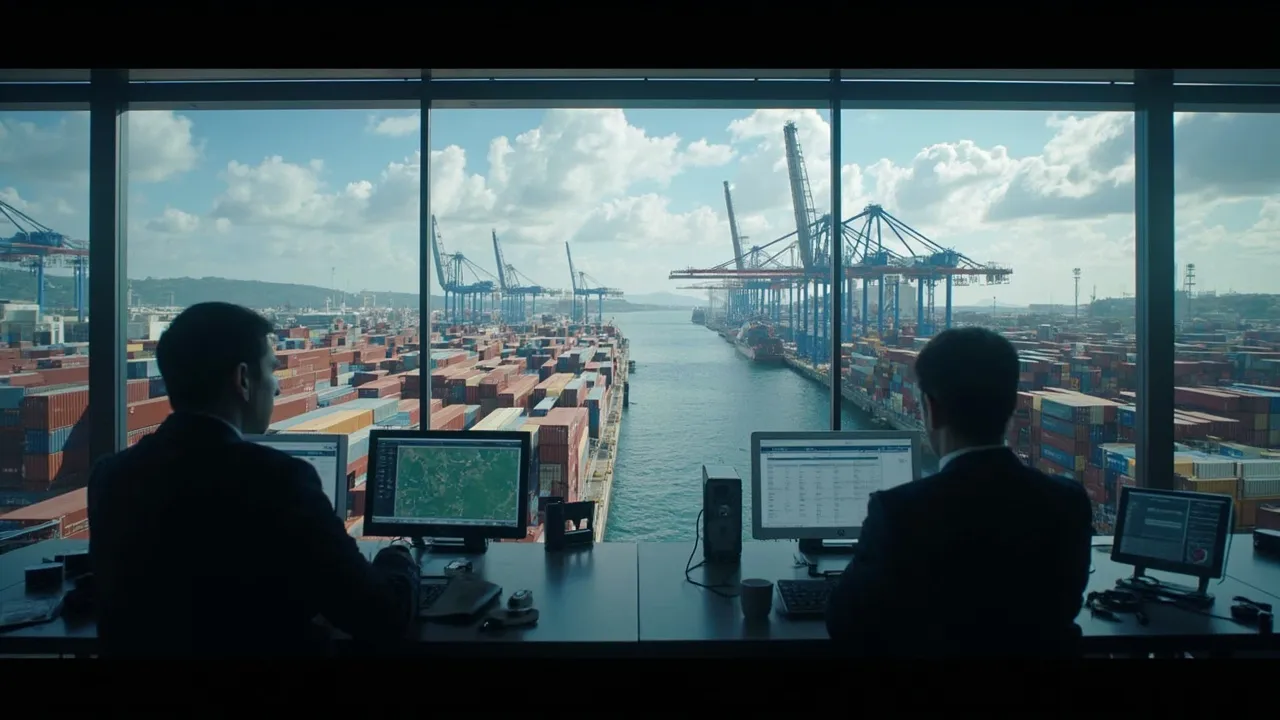
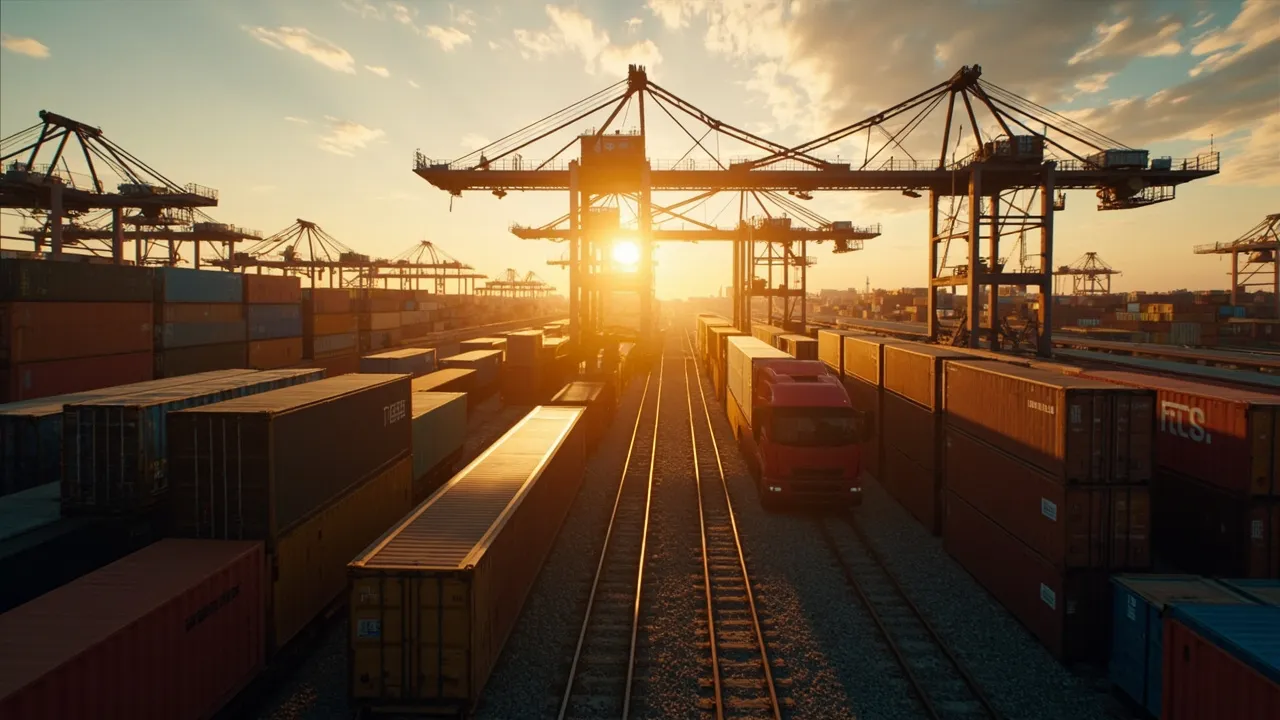
DP World's Corpus Christi Bid Could Turn Gulf Coast Container Capacity Into a Strategic Safety Valve

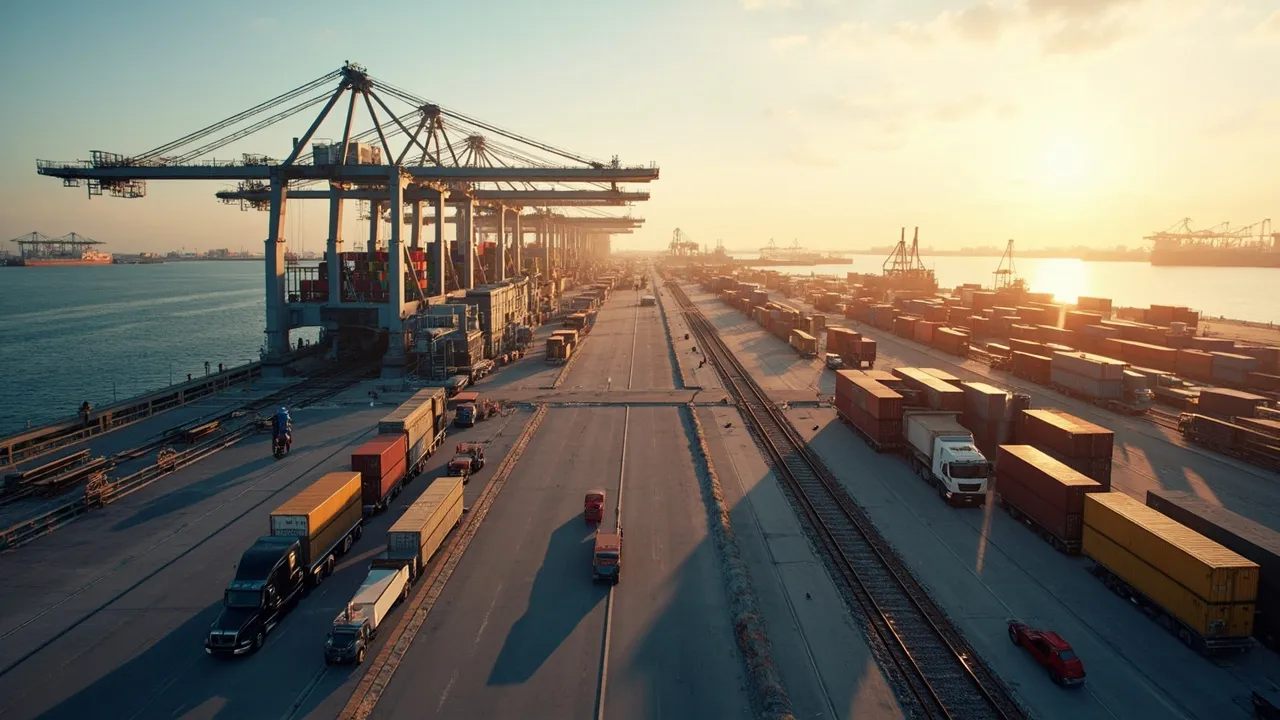
DP World's proposed return to U.S. container terminal operations is more than a port real estate story. If the Corpus Christi project advances, it could give shippers something increasingly valuable: another Gulf Coast safety valve when traditional container gateways become expensive, congested, or politically fragile.
SupplyChainBrain reports that DP World entered exclusive negotiations on June 16 for a long-term lease to operate a terminal at the Port of Corpus Christi in Texas. Under the proposal, the Dubai-based port and logistics company would design and build a new container facility. If finalized, it would mark DP World's first U.S. container port operation in roughly two decades, after the company exited U.S. port operations in 2006 amid security concerns raised by American lawmakers.
That history matters. So does the geography. Corpus Christi is already one of the most significant U.S. ports by overall tonnage, built around energy, chemicals, agricultural commodities, and bulk cargo. A container gateway would not simply add another dot to the port map. It would test whether a Gulf Coast port known for industrial cargo can become a more flexible node for containerized trade moving into Texas and inland markets.
For transportation teams, the point is not to assume Corpus Christi will suddenly replace Los Angeles/Long Beach, Houston, Savannah, or New York/New Jersey. That would be fantasy planning. The sharper question is whether new capacity at Corpus Christi could create optionality when networks need it most.
Texas demand is bigger than one port
Texas has become one of the most important freight demand centers in North America. Population growth, manufacturing investment, energy exports, cross-border Mexico trade, retail distribution, and petrochemical production all push more cargo through the state. That demand does not arrive in one neat mode. It shows up as containers, bulk, project cargo, cross-border truckload, rail intermodal, drayage, and specialized industrial freight.
DP World's pitch leans directly into that pressure. SupplyChainBrain quotes Brian Enright, CEO of DP World in the Americas, saying the U.S. Gulf Coast is one of the nation's most important trade and economic corridors and that demand for efficient, resilient port infrastructure continues to grow. He framed Corpus Christi as an opportunity to expand container capacity, strengthen supply chain connectivity, and create new pathways for American businesses to access global markets.
That is the right strategic language, but shippers should translate it into operational questions. What vessel services would call the terminal? Which trade lanes would be viable? How would containers connect to inland markets by rail and truck? Would drayage capacity scale with the terminal? Would customs, inspection, chassis, appointment, and warehouse ecosystems mature quickly enough to support reliable flow?
A container terminal is not capacity by itself. It is capacity only when the surrounding execution network can absorb volume without creating new bottlenecks.
Optionality is the real product
The value of another Gulf Coast container option is not just lower rates on a spreadsheet. It is route choice.
Shippers have learned the hard way that a supply chain optimized around one preferred gateway can become brittle. Labor disputes, weather events, canal restrictions, vessel schedule instability, chassis shortages, rail dwell, cyberattacks, and tariff shifts can all change the best route faster than an annual bid can respond. When a network has too few realistic alternatives, every disruption becomes a premium-freight conversation.
Corpus Christi could matter because it sits in a region where industrial cargo, energy infrastructure, agricultural exports, and inland distribution already exist. If container capacity is layered onto that base, shippers may gain another way to serve Texas, northern Mexico-adjacent supply chains, and interior U.S. markets. The benefit is not guaranteed, but the strategic logic is clear: more gateways create more ways to protect service when the obvious gateways tighten.
Forwarders should watch the inland piece especially closely. A new ocean call is useful only if containers can move predictably after discharge. Rail service, trucking availability, chassis pools, appointment systems, warehouse capacity, transload options, and customs processing will determine whether Corpus Christi becomes a practical routing choice or a niche terminal with limited network reach.
Governance scrutiny will be part of the project
DP World's 2006 exit from U.S. port operations is not a footnote. It is part of the risk environment. The company is state-owned, based in Dubai, and any U.S. port expansion involving foreign terminal control can trigger questions around security, data, infrastructure resilience, and political oversight.
That does not mean the project is doomed or inherently unsafe. It means governance will matter. Shippers and forwarders should expect the discussion to include lease terms, security controls, federal review, local economic development, labor impacts, and how operational data is handled. In an era when ports are treated as critical infrastructure, trust is part of terminal capacity.
The practical takeaway is simple: do not model Corpus Christi purely as future throughput. Model it as a capacity option with permitting, security, labor, investment, and connectivity milestones. Each milestone changes how real the option is.
What shippers should do now
No shipper needs to rewrite its Gulf Coast network because of an exclusive negotiation. But transportation leaders should start tracking the signals.
First, map lanes that could plausibly benefit from a Corpus Christi container gateway: Texas distribution, industrial inputs, agricultural exports, Mexico-connected flows, and customers currently served through congested or distant ports. Second, compare inland transit assumptions against existing gateways. A shorter ocean or port move can disappear quickly if drayage, rail, or warehouse capacity is weak.
Third, keep procurement flexible. If a new terminal becomes viable, routing guides, carrier contracts, drayage relationships, and customs broker coverage should be ready to test it without a months-long scramble. Fourth, watch whether ocean carriers, railroads, truckers, and 3PLs commit services around the project. Infrastructure announcements are interesting; service commitments are actionable.
This is where a modern TMS becomes more than a shipment tracker. CXTMS helps logistics teams manage rates, routing options, carrier execution, milestones, documents, and exceptions in one operating layer. When new gateway capacity emerges, the companies that benefit first are usually the ones that can compare scenarios quickly and convert a route option into a controlled shipment workflow.
Corpus Christi will not solve every container capacity problem on the Gulf Coast. But if DP World's proposal moves forward, it could give shippers another lever in a market where resilience increasingly depends on having credible alternatives before disruption hits.
If your team is still evaluating port routings in spreadsheets and chasing exceptions by email, it is time to modernize the execution layer. Schedule a CXTMS demo to see how connected rates, routing, tracking, and exception management can help you turn gateway optionality into real supply chain control.