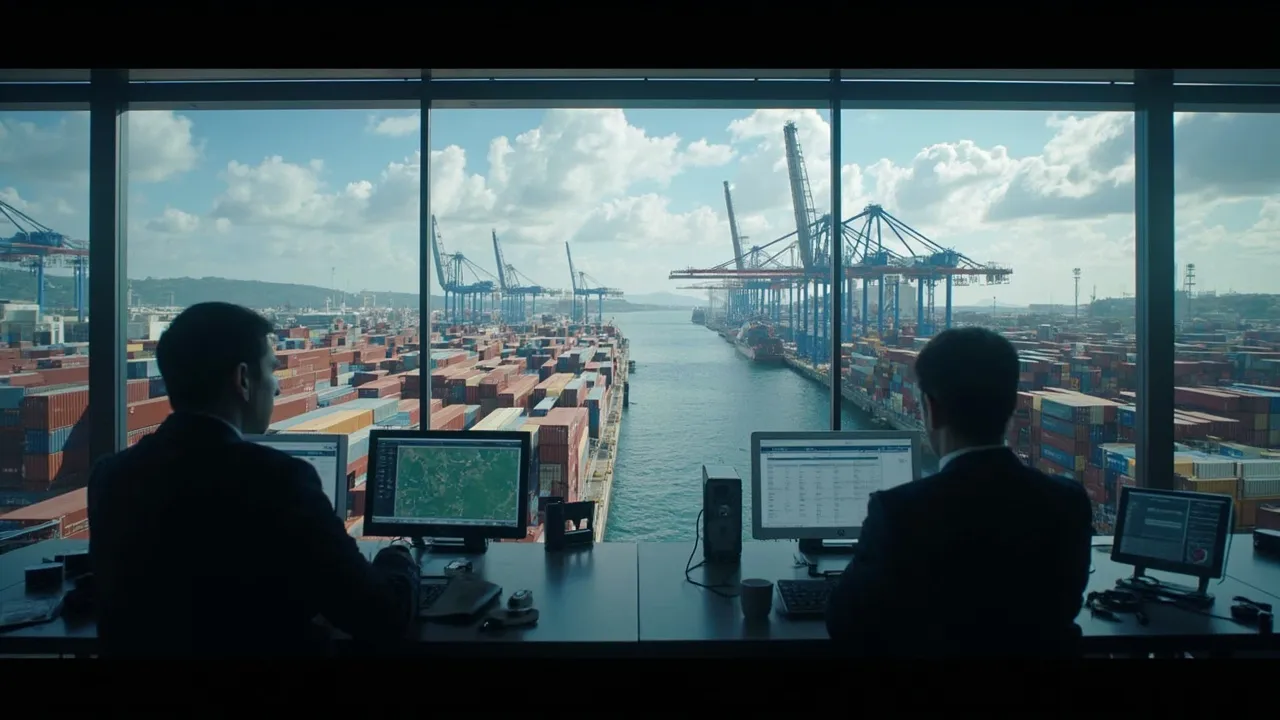
CMA CGM’s Terminal Joint Venture Makes Berth Optionality a Procurement Metric


Ocean freight buyers usually compare base rates, surcharges, transit times, allocation commitments, and schedule reliability. CMA CGM’s new terminal venture adds another variable: how many workable ways a carrier can move cargo through a port network when the preferred berth, terminal, or inland connection stops performing.
FreightWaves reports that CMA CGM and infrastructure investor Stonepeak are forming United Ports LLC around 10 terminal assets on four continents. Stonepeak will invest $2.4 billion for a 25% minority interest, while CMA CGM will own 75% and retain operational control. The transaction is expected to close in the second half of 2026, subject to regulatory approvals.
That is not merely a ports investment story. It is a procurement signal. Carrier-linked terminal capacity can influence berth access, container availability, dwell, free-time exposure, appointment performance, and the quality of the handoff to rail or truck. Shippers should measure those capabilities without assuming that ownership automatically guarantees preferential service.
A Global Portfolio Changes the Carrier Evaluation
United Ports is expected to begin with assets in Los Angeles; New York and Bayonne; Santos; Valencia, Bilbao, Guadalquivir, and Algeciras; Nhava Sheva; Kaohsiung; and Cai Mep. The portfolio therefore touches major gateways in North America, South America, Europe, and Asia.
The scale is notable, but the operating choices matter more. A terminal interest may give a carrier better visibility into yard conditions, investment plans, labor requirements, crane productivity, and appointment constraints. It may also improve coordination between vessel schedules and terminal labor. None of those benefits is universal, however. A service string can remain tied to one congested gateway, and a terminal can still depend on constrained rail ramps, chassis pools, drayage capacity, or customs processes.
Procurement teams should ask a harder question than “Does the carrier own a terminal?” They should ask, “When this planned node fails, what executable alternative exists for this shipment?”
That distinction matters because terminal delay can quickly become a shipper cost. Supply Chain Dive documented industry concern over demurrage and dwell charges, including a proposed Los Angeles–Long Beach fee of $100 for containers left nine days or more, increasing by another $100 for every additional day. The same report noted that aging cargo at the San Pedro Bay complex had fallen 50% after the fee program was announced. Even when a specific fee is delayed or disputed, dwell creates real inventory, drayage, labor, and customer-service exposure.
Build a Port-Optionality Score
A port-optionality score should sit beside price and schedule reliability in every ocean bid. A practical 100-point model can use five components:
- Berth and terminal alternatives — 25 points: Number of genuinely usable terminals or nearby gateways, frequency of calls, and time required to activate an alternative.
- Inland connectivity — 25 points: Availability of on-dock rail, competing rail routes, drayage capacity, chassis access, and realistic transload options.
- Dwell and free-time performance — 20 points: Median and 90th-percentile import dwell, appointment availability, free-time terms, and frequency of demurrage or detention disputes.
- Recovery capability — 20 points: Documented performance during closures, congestion, labor disruption, weather, or omitted calls, including time to reroute and notify customers.
- Data quality — 10 points: Timely terminal events, consistent container status, API or EDI coverage, and reason codes for holds and missed handoffs.
Score each trade lane, not the carrier as a whole. A carrier can have excellent optionality in Los Angeles and limited alternatives at another gateway. Likewise, a nominal alternate port is worthless if it lacks space, rail service, customs coverage, or an approved drayage provider.
Buyers should also separate structural optionality from discretionary preference. Structural optionality is supported by service strings, contracts, terminal access, inland capacity, and tested operating procedures. A sales promise to “use another terminal if needed” deserves no points until the carrier identifies the terminal, trigger, decision owner, lead time, extra cost, and affected cutoffs.
Test the Score With Bid Evidence
An ocean request for proposal should require evidence for each score. Ask carriers to identify the planned terminal for every service string, alternative gateways, on-dock and near-dock rail connections, standard free time, appointment rules, and contingency-routing triggers. Request monthly dwell distributions rather than averages, which can hide the long tail where demurrage and stockout risk accumulate.
Then test the response against shipment history. For each exception, record the original service string and terminal, the disruption cause, when the carrier notified the shipper, alternatives offered, time to execute the choice, added transport cost, actual dwell, and final inland delivery performance.
This produces a useful separation between access and outcomes. Carrier-linked ownership may improve coordination, but procurement should award points for measurable performance. Conversely, a carrier without terminal ownership may deliver strong optionality through contracts, multiple service strings, and disciplined recovery processes.
Keep Terminal Evidence at Shipment Level
Port optionality loses value when it lives only in an annual carrier scorecard. The evidence must stay connected to individual bookings and containers.
For every shipment, retain the carrier, service string, vessel and voyage, planned port pair, planned terminal, actual terminal, berth window, discharge event, availability time, last free day, pickup appointment, gate-out event, rail handoff, holds, and exception reason. If the shipment is rerouted, preserve both the original plan and the approved alternative rather than overwriting the record.
This event chain lets procurement compare promises with execution. It can show whether a carrier’s terminal network reduced dwell, prevented accessorial charges, or accelerated recovery during disruption. It also exposes false optionality: alternatives that exist in a bid response but are never offered when operations deteriorate.
The United Ports deal puts hard-to-replicate terminal infrastructure closer to a major ocean carrier’s operating network. For shippers, the correct response is neither automatic enthusiasm nor suspicion. It is measurement. Rates still matter, but the cheapest bid can become expensive when cargo has no credible path around a constrained berth or inland handoff.
CXTMS preserves terminal, service-string, milestone, cost, and exception evidence at shipment level so procurement teams can score port optionality with operating facts. Request a CXTMS demo to see how better ocean-freight data can strengthen carrier bids and disruption decisions.