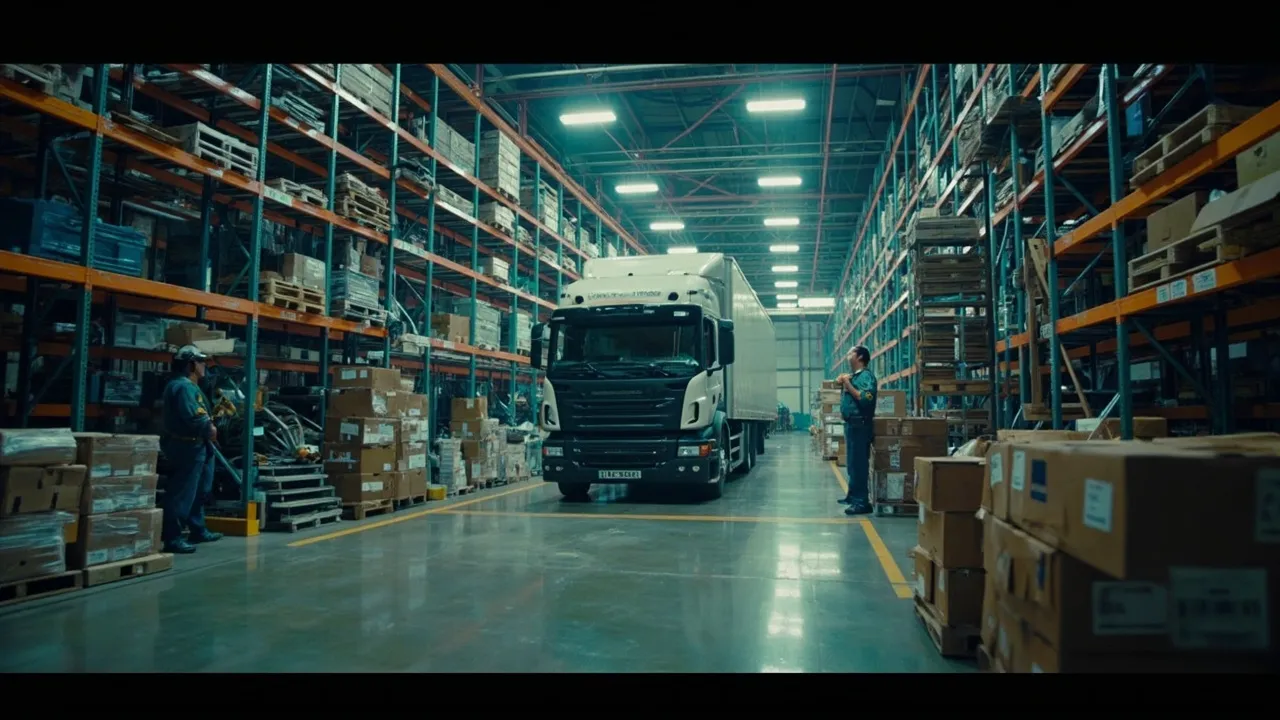
Collaborative Logistics Networks: How Shared Capacity Models Are Cutting Freight Costs by 25% in 2026

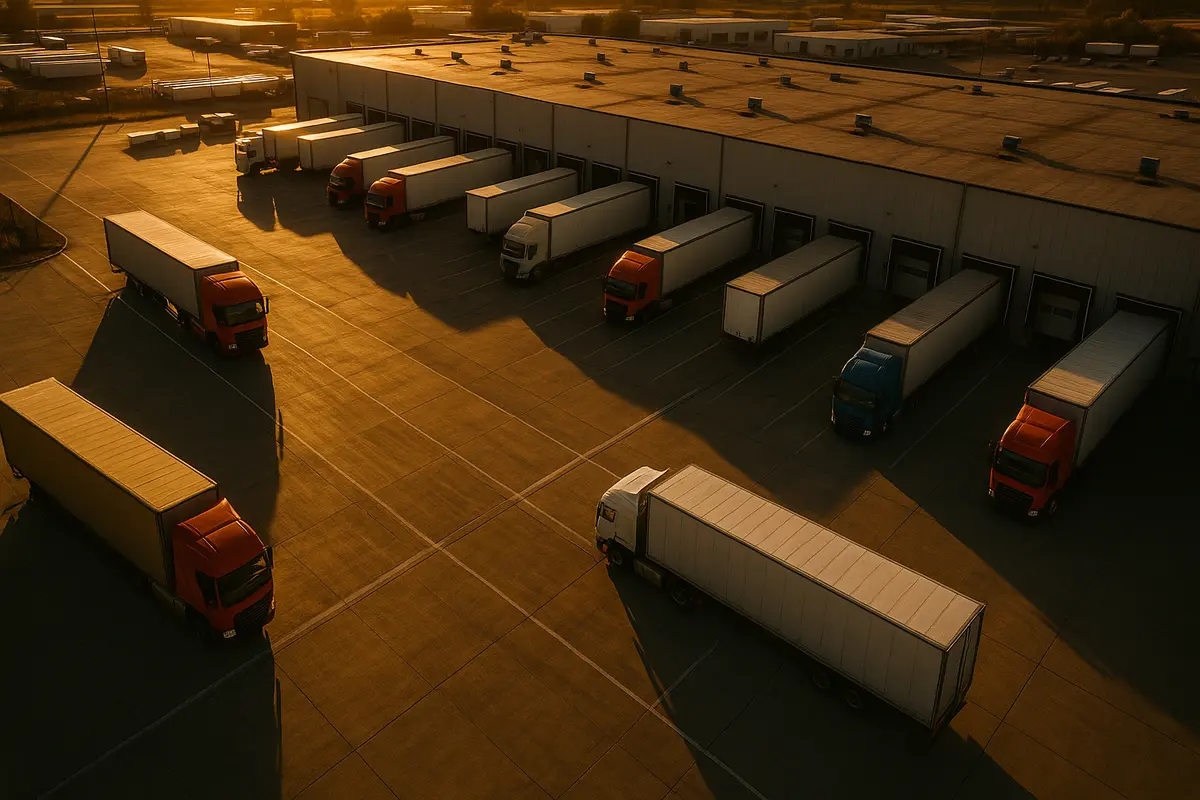
The freight industry has a dirty secret: the average truck in the United States runs at only 64% capacity, and roughly 35% of all truck miles are driven completely empty. That's billions of dollars in wasted fuel, labor, and equipment — costs that ultimately land on the shipper's invoice. In 2026, a growing number of companies are attacking this inefficiency head-on through collaborative logistics networks, and the results are striking.
What Is Collaborative Logistics?
Collaborative logistics — also called horizontal shipper collaboration — is a model where multiple companies share transportation capacity, warehouse space, and distribution infrastructure. Unlike traditional logistics where each shipper independently contracts carriers and manages its own network, collaborative models pool freight across companies to fill trucks, reduce empty miles, and lower per-unit shipping costs.
The concept isn't new, but the technology to make it work at scale finally is. Cloud-based collaboration platforms now enable real-time load matching, automated cost allocation, and transparent performance tracking across dozens or even hundreds of participants — without requiring companies to share sensitive competitive data.
The digital supply chain and logistics technology market, valued at $72 billion in 2025, is projected to reach $146.92 billion by 2031 at a 12.62% CAGR, with collaborative platforms identified as a key growth driver.
The Economics: 15-25% Freight Cost Savings
The financial case for collaborative logistics is compelling. Research published in the European Transport Research Review found that two large shippers collaborating on shared lanes achieved 19% savings in transport costs compared to operating independently. When networks expand to include multiple participants with complementary shipping patterns, savings regularly reach 20-25%.
Here's how the math works:
- Shared truckload lanes: Two shippers moving freight along the same corridor in opposite directions can eliminate deadhead miles for both, cutting lane costs by 15-20%.
- Pooled LTL consolidation: Multiple shippers with partial loads to the same region consolidate into full truckloads, converting expensive LTL shipments into cheaper FTL rates.
- Shared warehousing: Companies with seasonal demand peaks at different times share warehouse space, reducing fixed storage costs by 20-30%.
- Continuous move optimization: AI-powered platforms chain loads across multiple shippers to keep trucks moving continuously, reducing the per-load cost of repositioning.
The key insight is that what looks like an optimization ceiling for one shipper often disappears when freight flows from multiple companies are combined. A lane that's unprofitable for a single shipper becomes highly efficient when paired with complementary volume from a collaborating partner.
The FLOW Model: Government-Backed Collaboration
One of the most ambitious collaborative logistics initiatives is the U.S. Department of Transportation's Freight Logistics Optimization Works (FLOW) program. This public-private partnership brings together shipping lines, ports, terminal operators, truckers, railroads, warehouses, and cargo owners to share supply chain data through a neutral government-operated platform.
The USDOT serves as an independent data steward, anonymizing and aggregating logistics data so participants receive a holistic view of national supply and demand without exposing proprietary information. Members share container demand forecasts up to 90 days in advance, allowing the entire network to plan capacity more intelligently.
FLOW demonstrates a critical principle: collaborative logistics requires a trusted neutral platform. When no single participant controls the data or the matching algorithm, companies are far more willing to share the information needed to unlock network-level efficiencies.
Technology Enablers Making Collaboration Work
Three technology shifts are accelerating collaborative logistics adoption in 2026:
1. Cloud-Native Collaboration Platforms
Modern collaboration platforms integrate suppliers, transport providers, and warehouses on shared infrastructure with real-time visibility and automated settlement. Unlike legacy EDI-based partnerships that took months to establish, cloud platforms enable companies to join collaborative networks in days.
2. AI-Powered Load Matching and Optimization
Machine learning algorithms analyze freight patterns across all network participants to identify collaboration opportunities that human planners would miss. These systems continuously optimize across thousands of lanes, automatically matching complementary shipments and calculating fair cost allocations.
3. Neutral Data Sharing Protocols
Blockchain-inspired data sharing frameworks allow companies to contribute logistics data to collaborative optimization without revealing sensitive pricing, customer, or volume information. Participants share only what's needed for matching — origin, destination, timing, and cargo characteristics — while keeping commercial terms private.
Overcoming the Trust Barrier
Despite clear economic benefits, collaborative logistics adoption has historically been slow. The primary obstacle isn't technology — it's trust. Companies worry about sharing data with competitors, losing negotiating leverage with carriers, or subsidizing less efficient partners.
Successful collaborative networks address these concerns through several mechanisms:
- Transparent cost allocation algorithms that ensure each participant captures savings proportional to their contribution
- Independent governance structures with clear rules on data access, dispute resolution, and network entry/exit
- Graduated participation that allows companies to start with a single lane or region before expanding
- Performance benchmarking that demonstrates measurable savings against each participant's pre-collaboration baseline
McKinsey research confirms that companies regularly collaborating with supply chain partners demonstrate higher growth, lower operating costs, and greater profitability than their industry peers. The competitive advantage of collaboration, it turns out, far outweighs the risks of sharing.
The Sustainability Dividend
Beyond cost savings, collaborative logistics delivers significant environmental benefits. Fewer empty miles means fewer emissions per ton of freight moved. The European Commission estimates that widespread adoption of horizontal collaboration in freight transport could reduce CO₂ emissions by 10-20% across participating networks.
For companies facing increasing pressure from ESG reporting requirements and scope 3 emissions disclosure, collaborative logistics offers a practical path to measurable reductions without capital investment in electric fleets or alternative fuels.
Building a Collaborative Network with CXTMS
Implementing collaborative logistics requires a technology platform that can manage multi-party freight optimization while maintaining data security and transparent cost allocation. CXTMS provides the foundation for collaborative logistics networks with:
- Multi-shipper load optimization that identifies complementary freight flows across network participants
- Automated cost allocation with transparent algorithms and audit trails
- Real-time visibility across all participants without exposing proprietary data
- Carrier integration that connects pooled freight to the broader carrier marketplace
- Performance analytics tracking savings, utilization improvements, and emission reductions per participant
The shift from isolated to collaborative logistics is one of the most significant structural changes in freight transportation. Companies that build collaborative networks now will lock in cost advantages that isolated competitors simply cannot match.
Ready to explore collaborative logistics for your freight network? Contact CXTMS for a demo of our multi-shipper collaboration platform.