Amazon Kills Blue Jay: What the Failed Warehouse Robot Teaches Us About the Limits of Logistics Automation in 2026

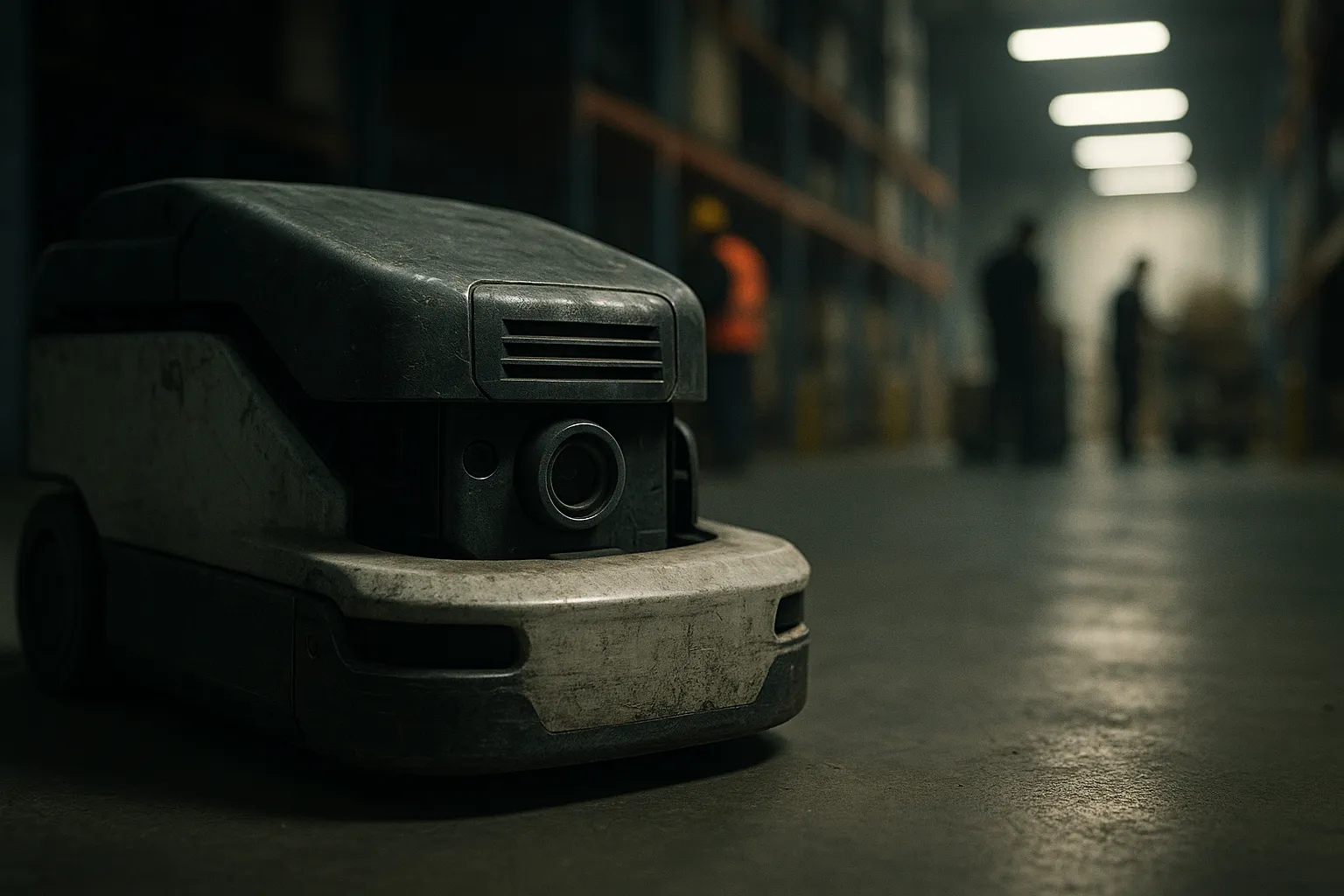
In October 2025, Amazon unveiled Blue Jay with fanfare — a multi-armed, ceiling-mounted robotic system designed to revolutionize same-day delivery fulfillment. By January 2026, the project was dead. Employees were reassigned, the hardware was shelved, and Amazon quietly pivoted to its next bet: a modular system called Orbital.
The Blue Jay saga isn't just an Amazon story. It's a cautionary tale for every shipper and logistics operator pouring capital into warehouse automation without a clear-eyed view of what works, what doesn't, and why the gap between demo-day magic and warehouse-floor reality remains stubbornly wide.
What Happened to Blue Jay
According to Business Insider's exclusive reporting, Blue Jay was developed in just over a year — far faster than earlier Amazon robots like Robin or Sparrow. The system featured multiple robotic arms capable of reaching and lifting several items simultaneously, designed to boost throughput while improving worker safety in same-day delivery warehouses.
Amazon piloted Blue Jay at a fulfillment center in South Carolina and described it internally as a "core technology" for powering same-day delivery at lower cost. But the project quickly ran into headwinds: high manufacturing costs, implementation complexity, and the brutal reality of unstructured warehouse environments where items vary wildly in size, weight, and fragility.
Amazon spokesperson Terrence Clark confirmed the shutdown but noted that Blue Jay's core technology would carry over to other initiatives, including Vulcan, Sparrow, and Proteus. In other words: the robot failed, but the learning continues.
The Automation Satisfaction Gap
Blue Jay's failure didn't happen in a vacuum. It reflects a broader pattern in warehouse robotics that the industry is only now beginning to acknowledge honestly.
A November 2025 survey by DHL Supply Chain found that while 44% of companies had deployed warehouse robotics, only 34% of VP and Director-level executives were fully satisfied with the results. That's a striking satisfaction gap — more than half of the leaders who greenlit robotics investments aren't seeing the returns they expected.
Meanwhile, Modern Materials Handling's 2025 Industry Outlook Survey found that only 13% of companies are using robotic solutions like articulating arms or industrial robots, up marginally from 10% the prior year. Another 32% are planning to evaluate — meaning the vast majority of the market is still watching and waiting.
The numbers tell a clear story: adoption is growing, but satisfaction is lagging. And projects like Blue Jay show why.
Why Cutting-Edge Warehouse Robots Keep Failing
The core challenge isn't the technology itself — it's the mismatch between controlled demonstrations and real-world warehouse chaos. Here's what keeps tripping up ambitious robotics projects:
Unstructured Environments
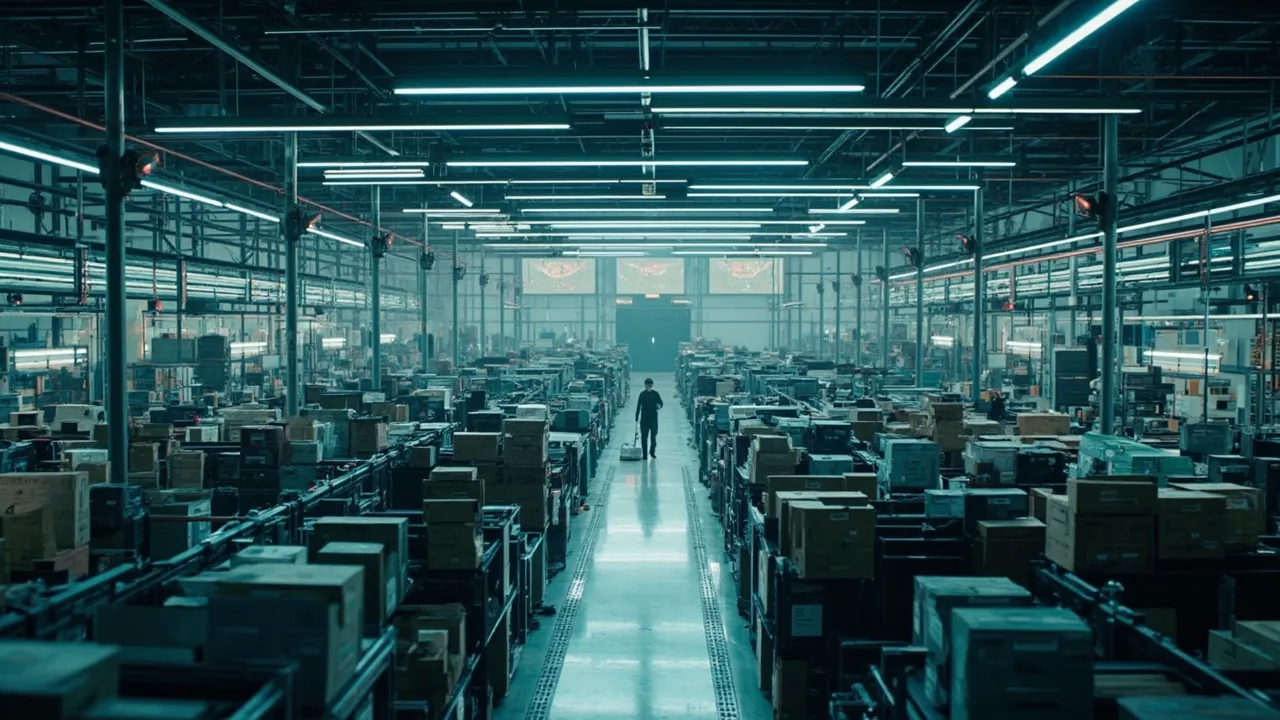
Warehouses aren't factories. Items arrive in inconsistent packaging, get stacked unpredictably, and vary from tiny electronics to bulky furniture. A multi-armed robot that excels at picking standardized boxes in a lab struggles when confronted with 500,000 unique SKUs in random orientations.
The ROI Math Doesn't Always Work
The warehouse robotics market is projected to reach $10.96 billion in 2026, growing at 17.5% CAGR to $24.55 billion by 2031, according to Mordor Intelligence. But market growth doesn't mean every deployment pays off. Budget constraints remain the top barrier to mobile robot adoption, with a third of companies citing it as their primary challenge, per Supply Chain Dive.
Blue Jay's high manufacturing cost was a key factor in its shutdown. When a single robotic system costs more to build and maintain than the labor it replaces, the business case collapses — no matter how impressive the technology looks on stage.
Integration Complexity
Robots don't operate in isolation. They need to integrate with warehouse management systems, conveyor infrastructure, safety protocols, and human workflows. Every integration point is a potential failure mode. Blue Jay's ceiling-mounted design required significant facility modifications, adding cost and complexity that scaled poorly across Amazon's network.
What Actually Works: The AMR Success Story
Not all warehouse robotics are struggling. Autonomous Mobile Robots (AMRs) — the simpler, wheeled robots that transport goods between zones — have emerged as the clear ROI winner in logistics automation.
Unlike complex multi-armed systems like Blue Jay, AMRs solve a well-defined problem (horizontal transport) in a predictable way. They're modular, relatively inexpensive, and can be deployed incrementally. Companies like Locus Robotics, 6 River Systems, and Amazon's own Proteus have demonstrated consistent productivity gains of 2-3x in picking operations.
The lesson is clear: the most successful warehouse automation targets narrow, well-defined tasks rather than attempting to replicate the full range of human dexterity.
A Decision Framework for Shippers
Before investing in warehouse automation, logistics leaders should ask five questions:
-
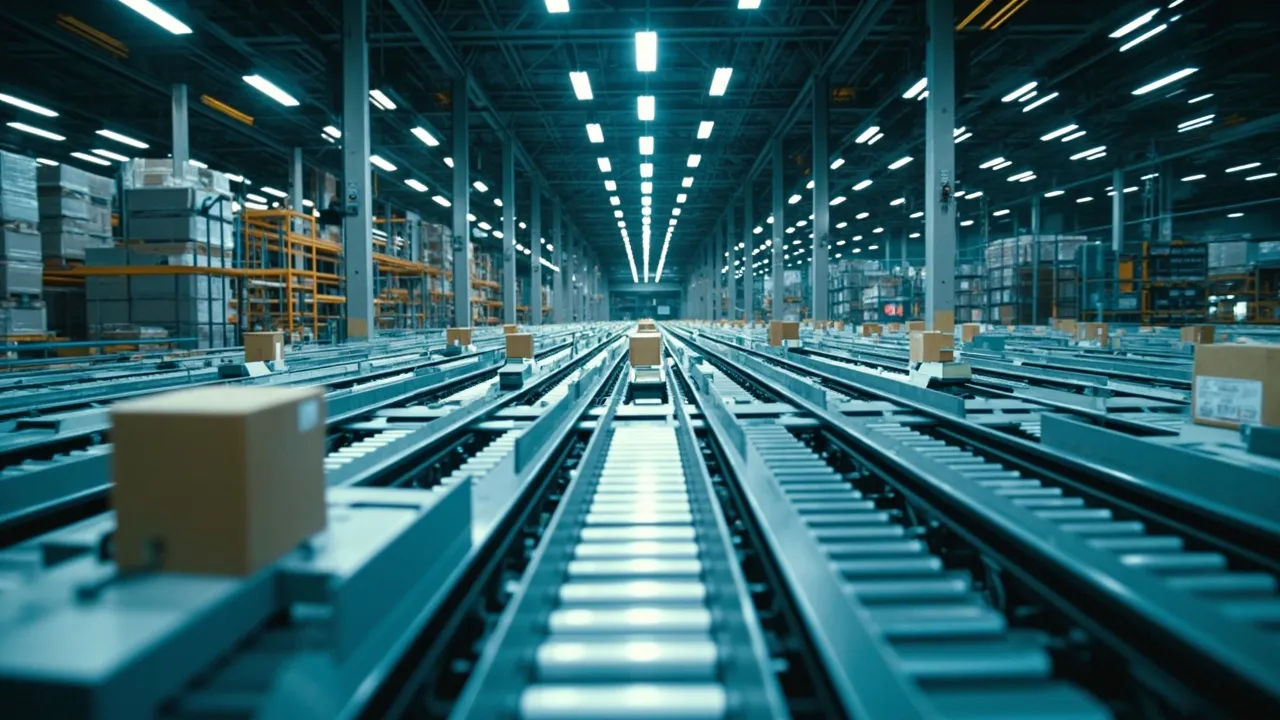
Is the task well-defined and repetitive? AMRs for transport, automated sortation for parcels — these work. General-purpose manipulation? Still risky.
-
What's the true total cost of ownership? Include facility modifications, integration, maintenance, and downtime — not just the sticker price.
-
Can you deploy incrementally? Solutions that require full-facility transformation carry exponentially more risk than modular, scalable systems.
-
What's your fallback? If the automation fails (and Blue Jay proves it can), can your operation continue? Human-robot hybrid workflows provide resilience that fully automated lines don't.
-
Are you solving for today's problem or chasing tomorrow's demo? The graveyard of logistics tech is full of solutions looking for problems. Start with your actual bottleneck.
Technology-Agnostic Optimization: The CXTMS Approach
The Blue Jay story reinforces a principle we've built CXTMS around: the best logistics technology works regardless of your automation level.
Whether your warehouse runs on manual labor, AMRs, or the next generation of robotic arms, your transportation management system should optimize what matters most — carrier selection, route efficiency, cost visibility, and real-time decision-making. CXTMS integrates with any warehouse setup because we optimize the freight network, not the warehouse floor.
As the robotics industry matures through inevitable failures like Blue Jay, shippers need a TMS that adapts to whatever automation mix makes sense for their operation — today and tomorrow.
Ready to optimize your logistics network with technology that delivers ROI from day one? Request a CXTMS demo and see how intelligent transportation management works at any automation level.