When Automated Frozen Warehouses Get Canceled: A Cold-Chain Automation Exit Plan

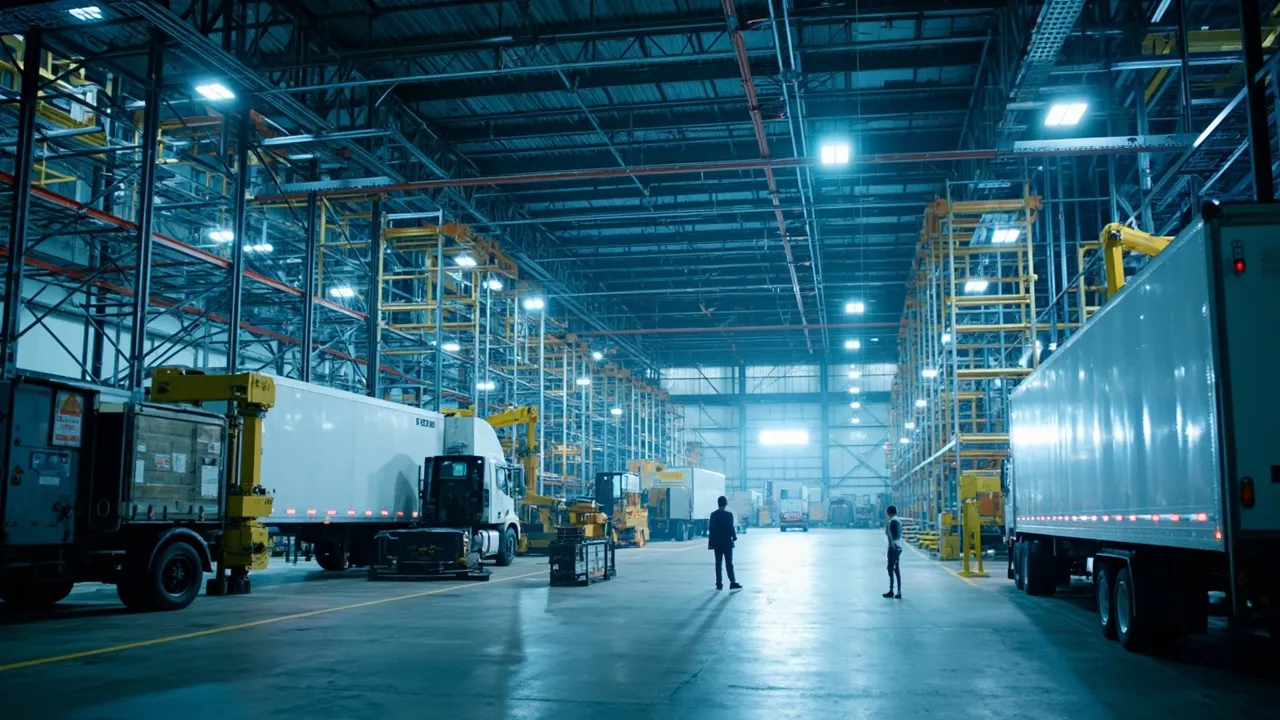
Automated frozen warehouses are usually presented as long-lived infrastructure: dense storage, lower labor exposure, better traceability, and efficient movement in an unforgiving environment. But even advanced facilities can become the wrong nodes for a changing distribution network. When that happens, the exit must be managed as a cold-chain operation—not merely a real-estate decision.
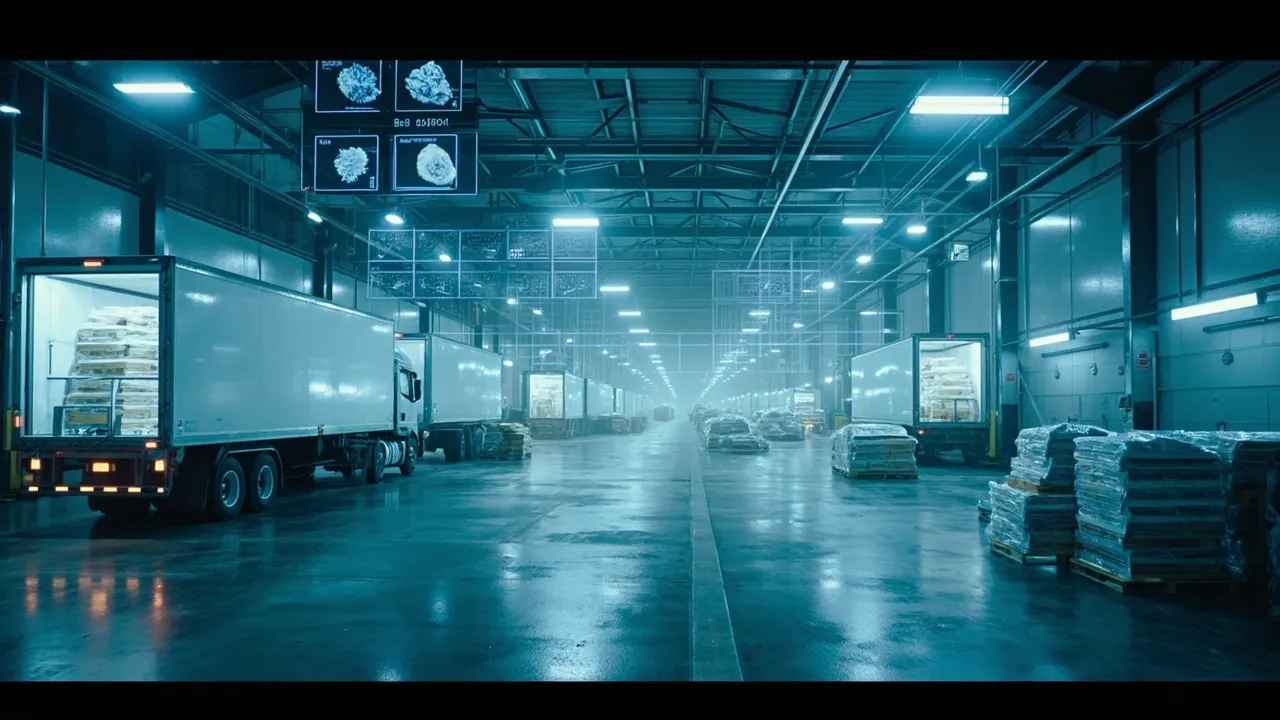
Ahold Delhaize USA and Americold offer a timely example. Supply Chain Dive reported that the companies agreed to wind down an automated frozen distribution center in Lancaster, Pennsylvania, and halt plans for another in Plainville, Connecticut. Lancaster is expected to operate through December 31, while Plainville was to be idled immediately. Americold expects a non-cash impairment charge of approximately $305 million to $320 million for the two facilities.
That scale makes the lesson difficult to ignore. Automation can perform as designed while the commercial assumptions surrounding it—volume, customer mix, network fit, contract structure, or commissioning economics—no longer hold. Shippers need an exit plan before approving a dedicated cold-storage automation project, not after the investment becomes stranded.
Diagnose the failed assumption before blaming the technology
A shutdown does not automatically mean that automated storage and retrieval systems failed. AS/RS remains well suited to freezer operations because it increases storage density, improves product tracking, and reduces employee exposure to low temperatures. MHI notes that case picking, pallet put-away, and pallet retrieval or replenishment are often among the most labor-intensive cold-chain processes—and therefore logical automation targets.
The business case can still break elsewhere. Review five assumption groups separately:
- Volume: Did pallet and case throughput reach the committed ramp, and is the SKU profile compatible with the equipment?
- Network: Are stores, suppliers, ports, and production plants still positioned around the facility's service area?
- Commercial: Do the term, minimum-volume commitment, escalation clauses, and termination rights align between shipper and operator?
- Commissioning: Did the site reach designed availability and throughput on schedule, or did workarounds become permanent?
- Operating economics: Did energy, maintenance, transport, inventory, and exception-handling costs preserve the expected total-network return?
This distinction matters because the remedy changes with the diagnosis. A software or controls issue may justify remediation. A temporary volume gap may support a shared-user model. A network mismatch may require closure even when the machinery itself is reliable.
Establish exit gates before moving the first pallet
A frozen facility cannot simply stop receiving on Friday and empty on Monday. The exit plan should use measurable gates, with authority to pause the transition whenever temperature control or customer service is threatened.
Inventory gate. Create a lot-level ledger covering item, quantity, expiration date, ownership, hold status, required temperature, and destination. Reconcile physical stock against the warehouse system before each transfer wave. Prioritize short-dated goods and avoid splitting lots unless destination traceability remains intact. The gate closes only when every pallet is assigned to qualified storage capacity and claims responsibility is clear.
Customer-service gate. Map orders and replenishment requirements through the transition horizon. Set maximum allowable order backlog, fill-rate deterioration, and late-delivery exposure by customer. High-risk accounts should move only after the receiving node completes test orders and proves it can handle labeling, allocation, and cutoff requirements.
Labor gate. Automation still depends on people who understand its controls, freezer procedures, maintenance history, and exceptions. Identify the roles required through final inventory, cleaning, decommissioning, and data retention. Retention arrangements should match those milestones. Losing technicians or inventory-control specialists too early can turn an orderly exit into a safety and traceability problem.
Equipment gate. Separate portable assets from fixed systems and identify ownership, liens, warranties, software licenses, hazardous materials, and vendor obligations. Back up configurations and maintenance records before power-down. Equipment should not be removed until remaining inventory can be handled safely without it.
Cold-transport gate. Reserve reefer capacity by transfer wave, not as one undifferentiated forecast. Validate trailer pre-cooling, set points, sanitation, fuel, continuous temperature monitoring, dock appointments, and contingency parking. Every load needs an alternate receiving location and escalation contact before departure.
Run the transfer as a controlled cutover
Use parallel operations where practical. Start with low-risk SKUs and a limited destination, then compare expected and actual dwell time, temperature excursions, inventory accuracy, receiving productivity, and customer fill rate. Expand only after the receiving node sustains agreed thresholds.
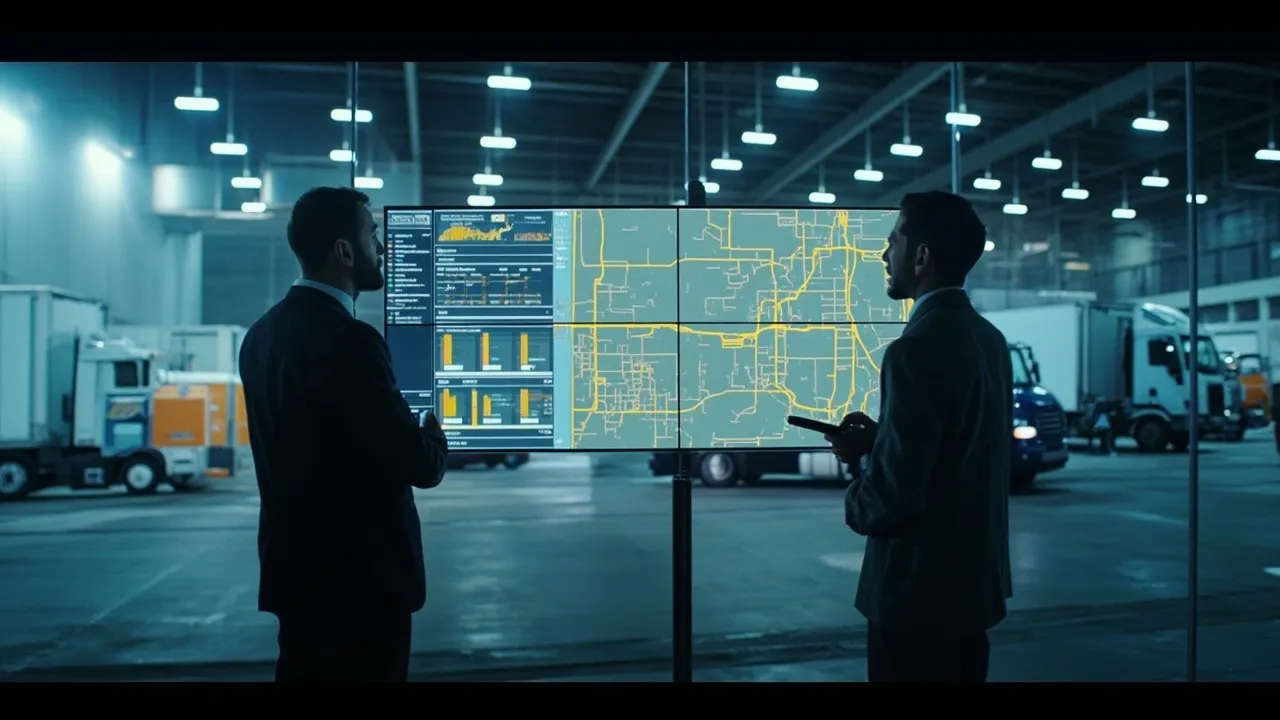
A control tower should connect warehouse tasks with transportation execution. Its minimum view includes pallets remaining, destination capacity, reefer appointments, loads in transit, temperature alerts, receiving backlog, open customer orders, and exceptions by owner. A single transfer ID should connect the source pallet, shipment, temperature record, receipt, and resulting inventory position.
Decision rights must be explicit. Quality should be able to stop a load for temperature or food-safety risk. Transportation should be able to resequence departures when receiving capacity tightens. Customer service needs approved messages and recovery dates. Finance should track premium freight, write-offs, contract settlements, and asset recoveries without pressuring operators to bypass safety gates.
Stress-test automation before capital is committed
An investment case should model failure as seriously as success. Test at least four scenarios: volume at 70% of plan, commissioning delayed by 12 months, a major customer or product category leaving the network, and energy plus maintenance costs materially above forecast. Then calculate the effect on cost per case, contract exposure, inventory days, transport miles, and time to reach positive returns.
Also ask practical exit questions. Can the building serve multiple customers? Can automation handle a different SKU and pallet profile? Is there nearby qualified freezer capacity? How long would an inventory evacuation take during peak season? Who owns the machinery and operational data? What are the early termination formulas? A project with strong base-case economics but no credible answers is not resilient—it is simply optimistic.
Cold-chain automation remains valuable. Food Logistics has reported that modern efficiency measures can reduce cold-storage labor and utility costs by nearly 50%, illustrating why companies continue investing in better buildings and systems. But expected savings must be weighed against concentration and reversibility risk.
The best automation strategy includes a disciplined way out. By separating technology performance from network economics, defining five exit gates, and linking every pallet movement to temperature-controlled transportation, shippers can protect food, customers, and capital when a dedicated frozen facility no longer fits.
Planning a cold-chain network change? Request a CXTMS demo to see how unified inventory, shipment, appointment, and exception workflows can support a controlled warehouse transition.