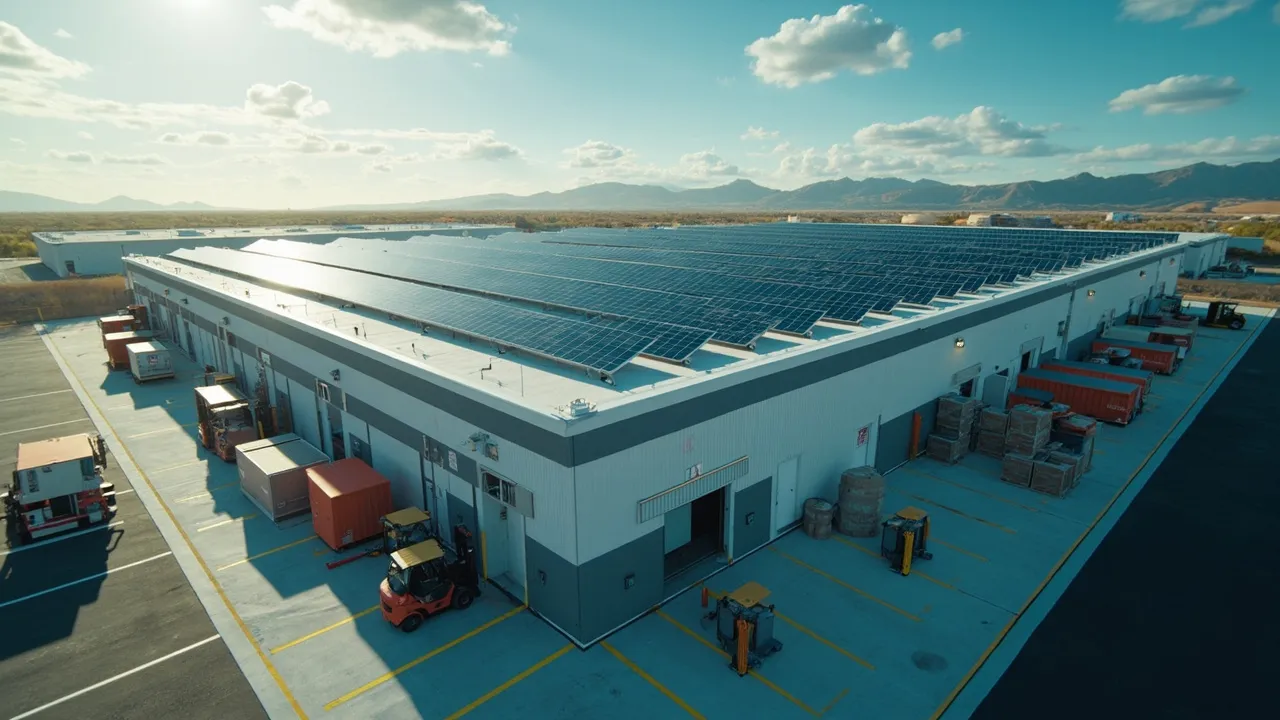
Warehouse Consolidation Needs a Service-Risk Map Before the Real Estate Model

Closing a warehouse can make a real estate spreadsheet look better while making the customer promise materially worse.
Rent, utilities, and building overhead are visible, recurring expenses. Added linehaul miles, tighter carrier cutoffs, labor scarcity, transition inventory, and slower disruption recovery are distributed across different budgets. That asymmetry encourages teams to approve consolidation based on facility savings before they have priced the service risk.
The better sequence is to map how every customer, shipment, carrier, worker, and inventory position would be affected first. Only then should the real estate model decide whether fewer facilities create genuine end-to-end savings.
Treat the warehouse as a node, not a building
A warehouse exists inside a network of origins, destinations, transportation schedules, labor markets, and customer commitments. Moving or closing it changes that network even when demand and inventory remain constant.
A recent SupplyChainBrain case study illustrates the necessary scope. The network analysis examined 18 potential U.S. markets and 77 location combinations, comparing transportation, facility, and labor expenses. That is the appropriate unit of analysis: a configuration of connected costs, not a comparison of rents.
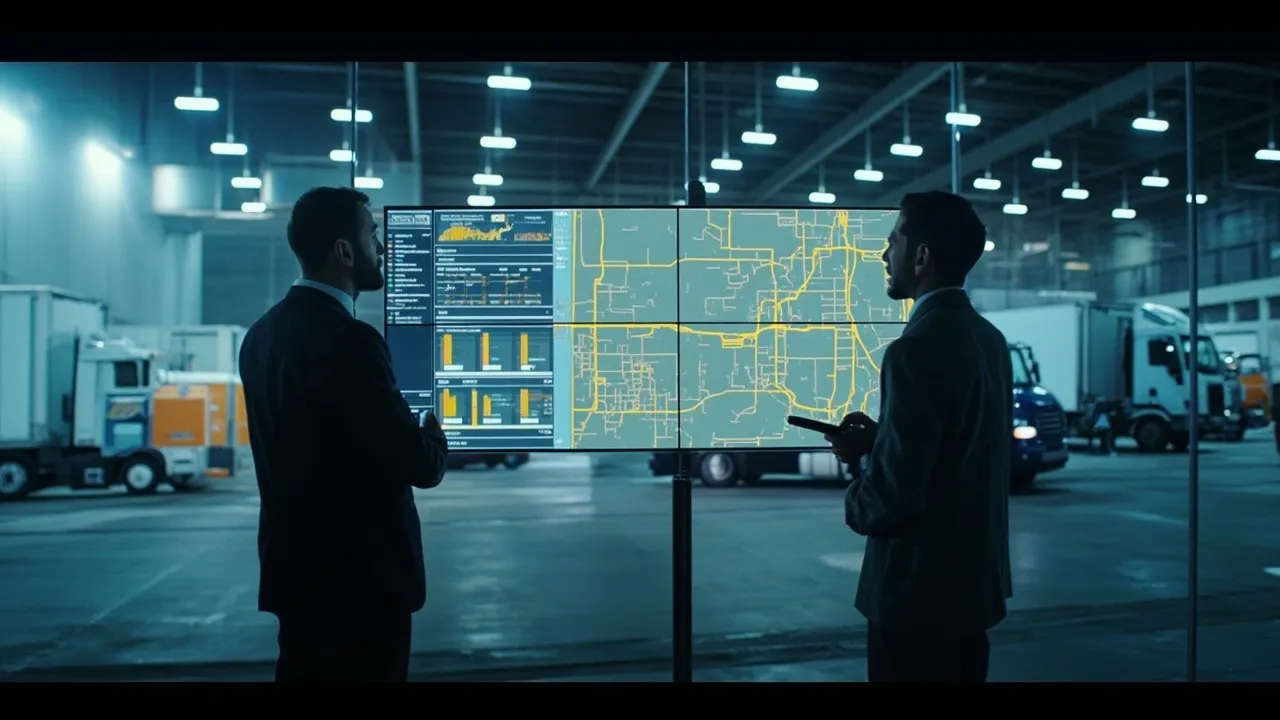
Start by plotting orders at the postal-code level and grouping them by promised delivery window, shipment profile, revenue, margin, and strategic importance. Overlay actual carrier transit performance rather than published averages. A customer that appears safely inside a two-day zone may become a three-day commitment when late order release, dock congestion, or a missed cutoff is included.
The map should make six exposures visible:
- Customer promise zones by service and order cutoff
- Inbound and outbound carrier schedules, including tender and terminal cutoffs
- Available labor pools, wage pressure, and realistic ramp-up time
- Port, rail, airport, and drayage dependencies
- Inventory moves and temporary duplication needed during transition
- Customers and products exposed to a single-node failure
Put service penalties beside facility savings
Consolidation usually offers plausible savings: one less lease, fewer supervisors, less duplicated equipment, and more inventory pooled in one location. Those benefits belong in the model—but so do the costs created elsewhere.
Calculate mileage and mode changes lane by lane. An extra 100 miles is not merely fuel. It can push a route beyond a driver's feasible turn, require a relay, eliminate a same-day tender option, or convert parcel ground shipments to premium service. Test changes in minimum charges, stop density, LTL class, accessorials, and peak-season capacity as well as base rates.
Inventory pooling can reduce safety stock, but the move itself generally requires a buffer. Teams may need duplicated stock while the destination facility stabilizes, extra handling for transfers, cycle counts at both nodes, and reserved capacity for delayed receipts. Current conditions reinforce the risk: Inbound Logistics reported that the Logistics Managers' Index measure for inventory levels rose 5.7 points to 60.5 in June, with warehousing utilization making an even larger move. A transition plan built on readily available overflow space can fail when many shippers pursue capacity at once.
Model three demand states—normal, peak, and disrupted—not one annual average. For each state, calculate dock-door utilization, storage occupancy, labor hours, daily order throughput, trailer parking, and carrier pickup capacity. A consolidated building that works at 72% average utilization may still miss orders when a promotion, late import wave, or weather closure compresses several days of work into one.
Measure the cost of losing a node
Fewer facilities concentrate volume and can improve productivity. They also increase the consequence of a fire, power failure, cyber incident, labor interruption, flood, or blocked access road.
Give each proposed network a time-to-recover test. If the consolidated site stopped shipping today, how long would it take to allocate orders elsewhere, find stock, establish carrier pickups, recreate labels and documents, and restore each priority customer? Identify which products have no alternate fulfillment node and which customers would breach a contractual service level first.
Do not accept “use a 3PL” as a recovery plan unless capacity, systems connectivity, rates, operating procedures, and inventory access have been validated. A real fallback has named locations, volume limits, decision owners, data mappings, and a tested activation sequence.
Build a gated decision file
Before lease approval, create one decision file that finance, operations, transportation, sales, IT, and risk leaders can challenge. It should contain:
- A baseline: Current cost per order, transit performance, cutoff attainment, inventory, utilization, and exception rates by facility.
- Network scenarios: At minimum, the current footprint, proposed consolidation, and one resilient alternative.
- Service simulation: Postal-code coverage, actual transit distributions, cutoff feasibility, and premium-freight exposure.
- Capacity proof: Normal, peak, and disruption throughput with labor and dock constraints applied.
- Transition plan: Inventory duplication, transfer schedule, systems testing, carrier onboarding, customer communication, and contingency stock.
- Recovery test: Time to recover by failure type, alternate-node capacity, and the financial impact of missed commitments.
- Approval gates: Explicit thresholds for savings, on-time delivery, peak utilization, implementation readiness, and recovery time.
The gates matter because they prevent attractive facility savings from overruling unresolved operating risk. If the proposed network misses a service threshold, the team must redesign it, price the mitigation, or reject it. Assumptions should have owners and expiration dates; carrier capacity quoted in March may not support an October move.
Make the decision observable after approval
Once consolidation begins, monitor the assumptions that justified it. Track transfer completion, inventory accuracy, backlog, labor attainment, carrier acceptance, cutoff misses, premium freight, transit performance, and customer complaints daily during stabilization. Compare each measure with the decision-file baseline and trigger predetermined corrective action when a threshold is breached.
CXTMS brings orders, loads, carrier milestones, costs, and exceptions into one operational view, helping logistics teams see whether a network change is protecting service or merely moving expense between departments. Request a CXTMS demo to build a transportation control layer for your next warehouse network decision.