Video Telematics Surge: How AI Dash Cams Are Reshaping Fleet Safety and Insurance Costs in 2026

The days of the simple forward-facing dash cam are over. In 2026, a new generation of AI-powered video telematics systems is fundamentally changing how fleets manage risk, coach drivers, and negotiate insurance premiums—and the adoption numbers prove it.
According to the 2026 Fleet Technology Trends Report from Verizon Connect, nearly half of fleet professionals (46%) now use video telematics, representing a 10-percentage-point increase since 2023. That's not a gradual trend. That's a tipping point.
What AI Dash Cams Actually Do in 2026
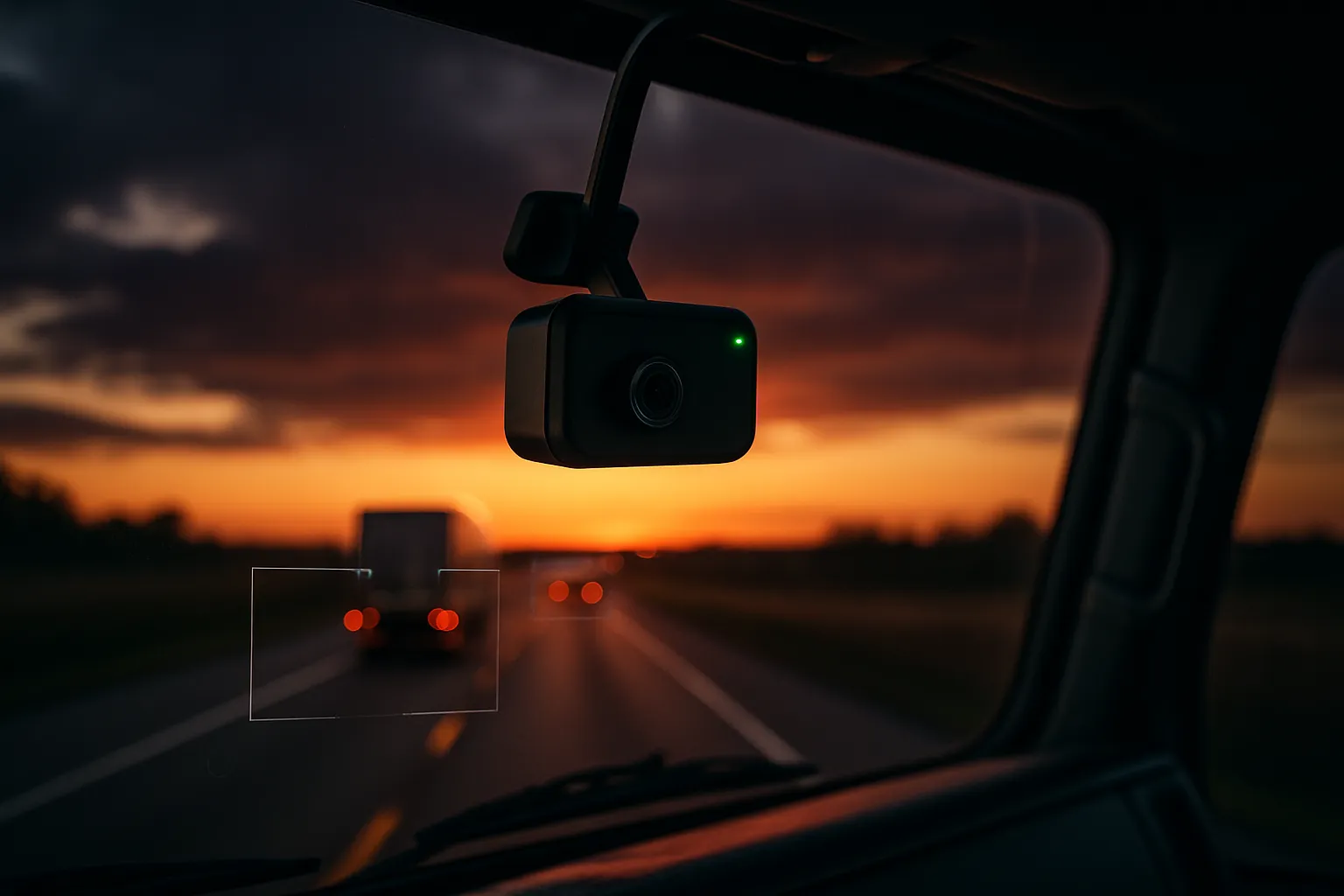
Forget grainy footage reviewed after an incident. Modern AI dash cams are real-time decision engines mounted on the windshield. Here's what sets the current generation apart:
Real-time event detection. AI processors analyze video feeds continuously, identifying hard braking, distracted driving, lane departures, tailgating, and near-miss collisions as they happen. The system doesn't wait for a crash to flag a problem.
Automated driver coaching. When the AI detects risky behavior—a driver glancing at their phone, following too closely, or drifting out of lane—it delivers immediate in-cab alerts. Fleet managers receive prioritized coaching reports with video clips, replacing hours of manual footage review.
Exoneration footage. In the era of nuclear verdicts exceeding $10 million, video evidence that proves a truck driver was not at fault has become one of the most valuable assets in a fleet's risk management toolbox. AI systems automatically preserve and tag footage when significant events occur.
Stereo vision and depth perception. In January 2026, Motive launched the AI Dashcam Plus, the first commercial dash cam with stereo vision that mimics human depth perception. With 3x more processing power than its predecessor, it features automated license plate recognition and real-time collision prevention—signaling where the technology is heading.
The Numbers: 74% Report Improved Driver Safety
The Verizon Connect survey data tells a compelling story about what happens after fleets deploy video telematics:
- 74% of users report improved driver safety as a direct result of the technology
- 44% say it strongly increases distracted driving awareness among their driver workforce
- 41% report improved driver coaching effectiveness, citing AI-prioritized video clips over generic safety lectures
- GPS fleet tracking adoption hit 80%, an 11-point increase since 2023, creating integrated data ecosystems
These aren't hypothetical projections. They're self-reported outcomes from fleet professionals who have deployed the technology and measured results.
Insurance Premiums: The Financial Case for AI Video
Here's where the conversation shifts from safety to survival. Trucking insurance costs have been climbing relentlessly, driven by nuclear verdicts, social inflation in jury awards, and rising repair costs. Fleet operators face annual premium increases of 10-15% or more.
But fleets equipped with video telematics are writing a different story. Industry data shows that telematics-equipped fleets are securing 15–30% premium reductions in their first year, while fleets without the technology face continued rate hikes.
The insurance math works on multiple fronts:
- Claim frequency drops. Cambridge Mobile Telematics data shows a 38% reduction in accidents among fleets using AI telematics, directly reducing claim volume.
- Claim costs decrease. Video evidence reduces average claim costs by up to 40%, eliminating disputed liability and accelerating resolution.
- Exoneration eliminates fraudulent claims. With always-on recording, staged accidents and fraudulent claims are resolved in hours instead of months.
As Supply Chain Brain reported, insurance underwriters in 2026 are deploying AI in their own claims adjusting processes and requiring policyholders to demonstrate faster recovery times and stronger safety programs. Fleets without telematics data to back up their safety claims are increasingly finding renewals difficult—or impossible—to secure.
ROI Analysis: The System Pays for Itself
The economics of AI video telematics have reached a clear inflection point in 2026. Here's a realistic ROI scenario for a mid-size fleet of 100 trucks:
| Cost Category | Without Telematics | With AI Video Telematics |
|---|---|---|
| Annual insurance premium per truck | $12,000–$15,000 | $9,000–$12,000 |
| Average annual claims cost | $250,000+ | $150,000 |
| Driver turnover-related costs | High (poor coaching) | Reduced (proactive coaching) |
| Hardware + subscription per truck | $0 | $50–$100/month |
For a 100-truck fleet paying $1.3 million in annual insurance, a 20% reduction saves $260,000 per year. The telematics investment of $60,000–$120,000 annually delivers a 2–4x return on insurance savings alone, before counting reduced accident costs, lower driver turnover, and decreased litigation exposure.
Why Mid-Size Fleets Are Leading Adoption
The Verizon Connect data reveals an interesting pattern: mid-size fleets of 50–1,000 vehicles are leading the adoption curve. Why?
Large enterprise fleets adopted basic telematics years ago. Small fleets often lack the capital or IT infrastructure. But mid-size operators sit in a sweet spot—large enough to negotiate meaningful insurance discounts, small enough that a single nuclear verdict could be existential, and increasingly tech-savvy enough to deploy cloud-based systems without dedicated IT teams.
Two-thirds (66%) of fleet professionals say increasing efficiency and productivity is their top priority for 2026, followed by reducing operational costs (62%) and enhancing driver safety (52%). AI video telematics addresses all three simultaneously.
Integrating Telematics Data Into Fleet Visibility
The real power of video telematics emerges when it's connected to your broader fleet management ecosystem. Isolated camera systems generate footage. Integrated platforms generate intelligence.
CXTMS fleet visibility dashboards pull telematics data—including video event summaries, driver safety scores, and risk trend analytics—into a unified view alongside route optimization, load tracking, and compliance monitoring. When a safety event occurs, dispatchers see it in context: where the driver was, what load they were carrying, what the road conditions were, and what happened next.
This integration transforms video telematics from a reactive tool (reviewing crash footage) into a proactive system (identifying high-risk corridors, coaching specific behaviors, and demonstrating safety improvement to insurers at renewal time).
The Bottom Line
Video telematics in 2026 isn't optional equipment for serious fleet operators. With 46% adoption and climbing, insurance carriers increasingly treating it as table stakes for favorable renewals, and ROI timelines measured in months rather than years, the question isn't whether to adopt AI dash cams—it's how quickly you can deploy them across your fleet.
The fleets that move now will lock in insurance savings, build safety track records, and position themselves as preferred carriers for shippers who increasingly demand visibility and risk management data from their transportation partners.
Ready to integrate telematics data into your fleet visibility platform? Request a CXTMS demo and see how unified dashboards turn driver safety data into actionable intelligence and measurable insurance savings.