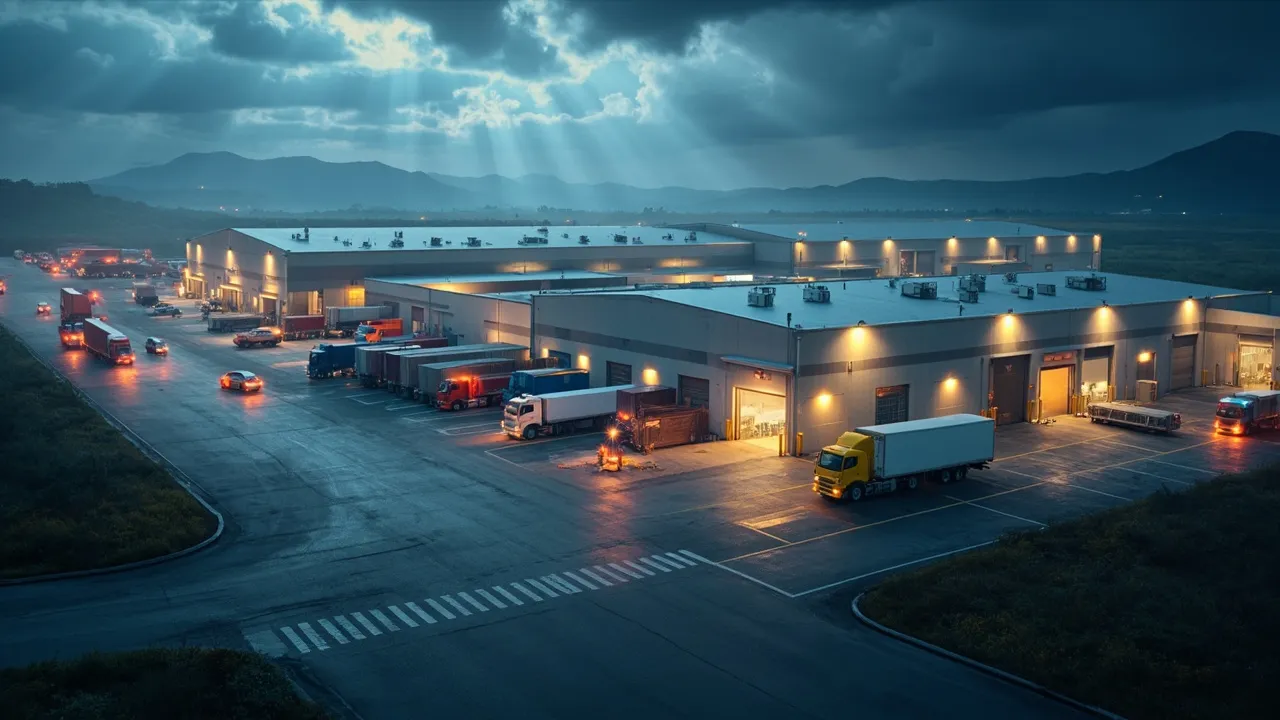
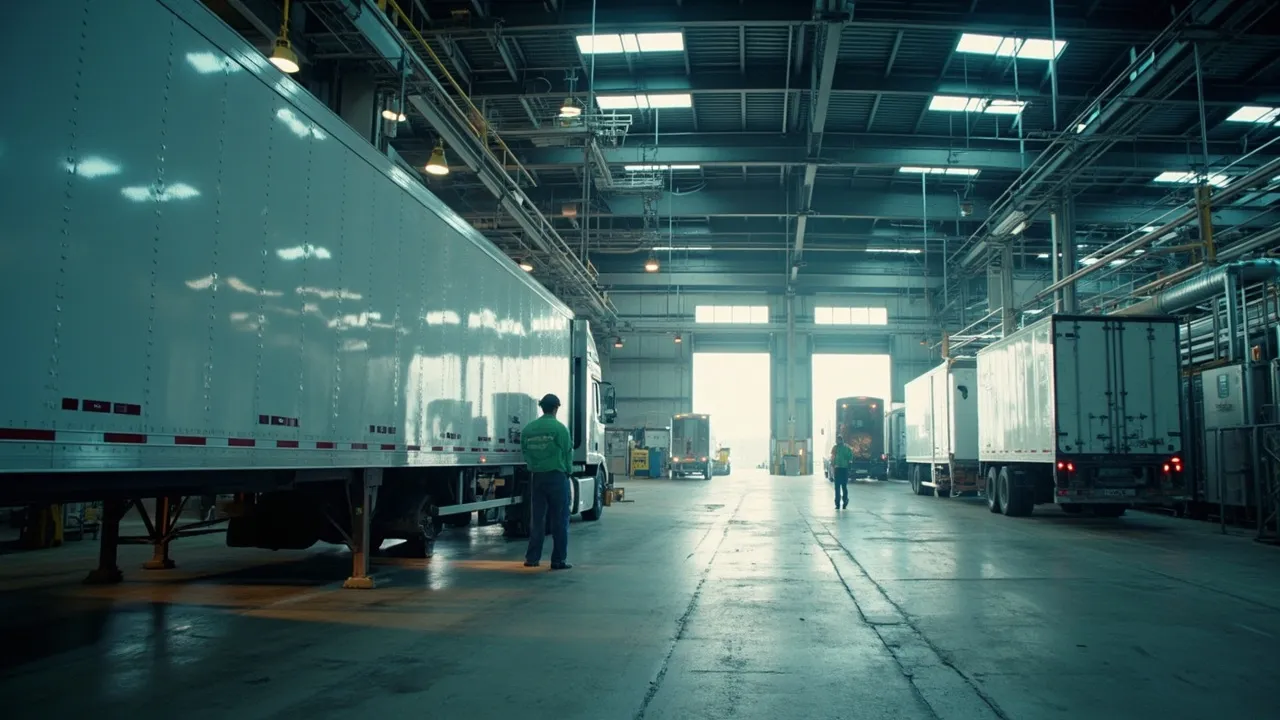
The Spring Produce Freight Surge Is Coming: How Agricultural Shipping Season Creates Capacity Crunches for Every Shipper in Q2 2026

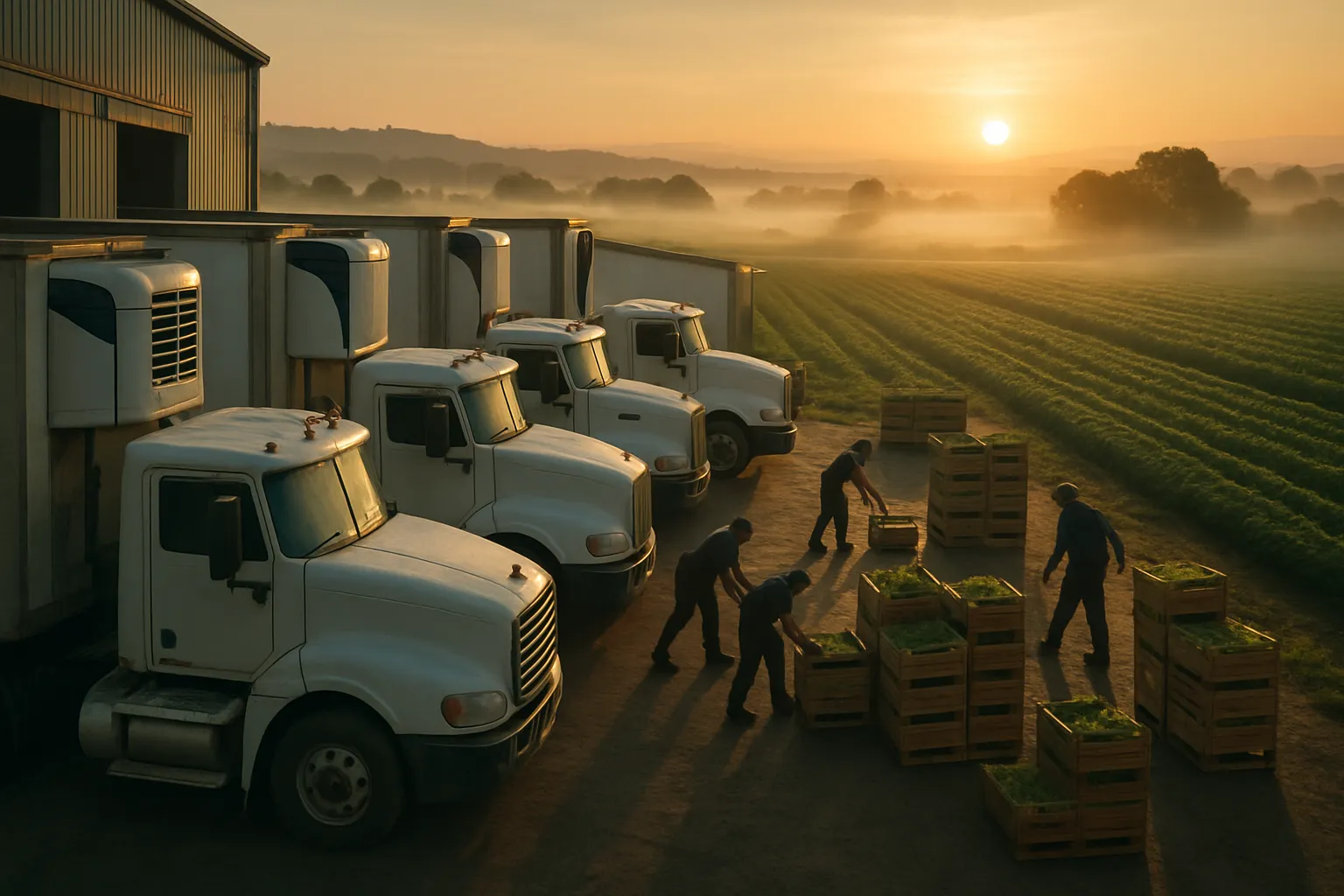
Every year, the same pattern repeats—and every year, shippers who don't plan for it get caught paying premium rates or scrambling for trucks that aren't there. The spring produce freight surge, driven by the annual ramp-up of fruit and vegetable harvests across Florida, Texas, California, and Mexico, is one of the single largest capacity events in American trucking. And in 2026, a collision of factors is setting up what could be one of the most disruptive Q2 freight environments in recent memory.
The Mechanics of the Annual Produce Surge
The produce season isn't a single event—it's a rolling wave that builds from late February through June, migrating northward with the growing season. It starts with winter crops moving out of South Florida, the Rio Grande Valley in Texas, and the Imperial Valley in California. By April, volumes accelerate as strawberries, tomatoes, peppers, and leafy greens hit peak harvest across multiple regions simultaneously. Mexican cross-border shipments compound the pressure, with USDA data confirming that Mexico accounted for 3.51 million tons of confirmed truck shipments in Q1 2025 alone—representing 41% of all U.S. produce truck imports.
The USDA's Specialty Crops National Truck Rate Report tracks refrigerated truck availability weekly across 11 geographic regions, rating conditions from "Surplus" to "Shortage." During peak produce season, multiple regions simultaneously shift into Slight Shortage or full Shortage territory, creating a nationwide scramble for 53-foot refrigerated trailers.
What makes this annual event so impactful is that it doesn't just affect food shippers. When reefer capacity tightens in produce-heavy corridors, carriers reposition equipment toward the highest-paying loads. That pulls trucks away from pharmaceutical shipments, chemical freight, and any other temperature-controlled cargo moving through the same lanes. As Food Logistics has reported, even shippers in non-produce-heavy regions find themselves facing capacity shortages and higher rates as the ripple effects spread across the national freight network.
2026: A Perfect Storm Brewing
This year's produce season arrives against a backdrop that amplifies every seasonal pressure point.
Florida's $3.1 billion freeze damage is reshaping early-season supply patterns. Between late December 2025 and early February 2026, Florida endured a series of unprecedented freeze events. Miami recorded 35°F on February 1—its lowest temperature since December 2010. Florida's Agriculture Commissioner estimated crop losses exceeding $3 billion, with squash growers reporting over 50% crop loss, bell pepper losses approaching 50%, and strawberry losses reaching 20% in the Plant City region that produces roughly three-quarters of America's winter strawberries.
The freeze created a whipsaw effect in reefer markets. In the immediate aftermath, Florida became one of the hottest reefer origins in the country as shippers rushed to move salvageable product. Rates from Florida to Baltimore jumped over 20% week-over-week, with double-digit spikes to Boston, New York, Chicago, and Philadelphia. Then volumes collapsed as damaged fields had nothing left to ship—lanes out of Central and South Florida posted 20 to 32% rate declines within a single week.
The consequence for spring: Florida's diminished supply means more produce demand shifts to California, Texas, and Mexican imports earlier than usual, concentrating capacity pressure on those corridors.
Reefer rates are already running hot. ACT Research data from early March 2026 show reefer spot rates posting 25% year-over-year gains, outperforming dry van on a relative basis. Unlike typical winter spikes driven by weather disruptions, this move reflects sustained capacity contraction in the refrigerated segment. Add seasonal produce demand on top of an already-tight market, and the math gets uncomfortable fast.
Transportation prices are at a 4-year growth high. The February 2026 Logistics Managers' Index registered at 61.5, with transportation prices growing at their fastest pace in four years. Warehouse capacity simultaneously flatlined at exactly 50.0 for the third consecutive month. These macro conditions mean there's no slack in the system to absorb the seasonal demand spike that's about to hit.
The Key Corridors Under Pressure
Understanding where the produce surge creates the most acute capacity crunches is essential for planning:
Florida → Northeast: Normally the dominant early-season corridor, this year's freeze-damaged supply base means lower total volume but more volatile pricing as remaining product commands premium rates. Expect erratic availability through April.
Texas / Mexico Cross-Border → Midwest and East Coast: With Florida supply constrained, Mexican imports through Laredo, McAllen, and Nogales will absorb more demand. Cross-border reefer lanes typically see rate premiums of 15–25% during peak weeks. Tariff-driven front-loading of imports adds another layer of pressure in 2026.
California → Nationwide: The Salinas Valley, Central Valley, and Imperial Valley corridors are the backbone of America's produce supply from April through October. As these regions ramp up, outbound reefer demand from Los Angeles, Fresno, and Stockton can drive spot rates up 30–40% from pre-season levels. Historical USDA data have shown LA-to-Atlanta produce truck rates climbing from $5,400 to $7,300—a 39% increase—between mid-March and late June.
Pacific Northwest → West Coast: Washington and Oregon berry and cherry seasons add incremental reefer demand from May forward, compounding capacity constraints already driven by California volumes.
The Ripple Effect: Why Non-Food Shippers Get Hurt
The produce season's impact extends far beyond agricultural supply chains. Here's the mechanism: when spot rates for reefer loads out of California or Florida spike by 25–40%, carriers with temperature-controlled equipment chase those premium loads. A driver who normally hauls pharmaceutical freight from New Jersey to Georgia will deadhead south to pick up a produce load paying $3.00 per mile instead.
This carrier repositioning creates artificial shortages in markets that have nothing to do with agriculture. Chemical shippers, dairy processors, beverage companies, and frozen food manufacturers all compete for the same pool of reefer capacity. Even dry van rates can be indirectly affected as carriers evaluate whether to keep their reefer units running (higher fuel costs, more maintenance) or temporarily sideline them.
The Strategic Playbook for Q2 2026
Shippers who navigate produce season successfully share common strategies:
Pre-book capacity commitments now. Waiting until April to secure reefer capacity for Q2 shipments means paying peak rates or accepting service failures. The window for locking in favorable contract rates on produce-affected lanes is closing.
Evaluate mode shifting opportunities. Intermodal refrigerated service can offer 15–20% savings over truck on lanes longer than 800 miles. Rail-served distribution centers in the Midwest and Northeast become strategically valuable during capacity crunches.
Build lane-level seasonality into forecasting. Not every corridor is equally affected. Shippers who model their freight spend by lane and month can identify which specific routes need mitigation and which remain relatively unaffected.
Diversify origin points. Reliance on a single sourcing region magnifies seasonal exposure. Companies that can flex between Florida, California, Texas, and Mexican supply based on real-time availability conditions maintain better cost control.
Leverage real-time market intelligence. The USDA's weekly Specialty Crops National Truck Rate Report and DAT's reefer market indices provide actionable data on capacity conditions by region. Integrating these signals into procurement decisions is no longer optional—it's a competitive requirement.
How CXTMS Helps Shippers Stay Ahead of Seasonal Capacity Crunches
The spring produce surge is predictable in timing but unpredictable in intensity. CXTMS's predictive capacity analytics layer historical seasonal patterns, real-time market signals, and carrier availability data to give shippers advance visibility into tightening corridors before rates spike. Our multi-carrier rate comparison engine ensures you're never locked into a single provider when capacity gets scarce, while automated lane optimization identifies mode-shift opportunities that can save 15–20% on affected routes.
Whether you're shipping produce or competing with produce shippers for reefer capacity, CXTMS gives you the planning tools to navigate Q2 without the premium-rate surprises. Request a demo →