Fertilizer Logistics Crisis: How the Hormuz LNG Shutdown Threatens Ammonia Production and Global Food Supply Chains

Most supply chain professionals are watching the Strait of Hormuz for its oil and energy implications. But the crisis unfolding beneath the headlines may be even more consequential: the effective closure of the world's most critical maritime chokepoint has severed the fertilizer supply chain at the worst possible moment—just as Northern Hemisphere farmers begin spring planting.
This isn't just an energy story. It's an LNG-to-ammonia-to-nitrogen-fertilizer-to-food cascade that connects Gulf petrochemical logistics to what ends up on dinner tables worldwide.
The Scale of the Disruption: 33% of Global Fertilizer Trade, Halted
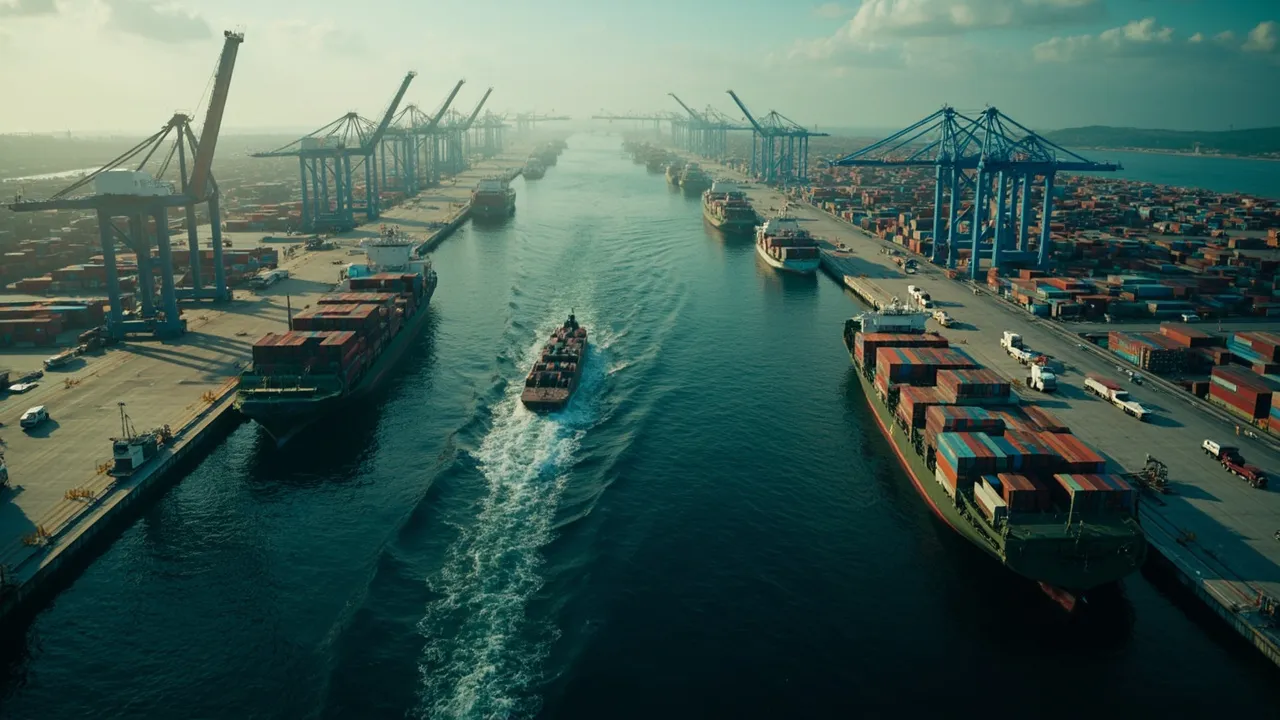
Since the U.S.-Israeli strikes on Iran began on February 28, 2026, traffic through the Strait of Hormuz has dropped by a staggering 97%, according to United Nations data cited by Reuters. For oil and LNG, this is catastrophic. For fertilizer, it may be even worse.
According to analytics firm Kpler, approximately 33% of the world's fertilizers—including sulphur and ammonia—normally pass through the Strait of Hormuz. The American Farm Bureau Federation's analysis is even more alarming: countries exposed to disruption in the Hormuz region account for nearly 49% of global urea exports and about 30% of global ammonia exports, reflecting the extreme concentration of fertilizer production capacity in and near the Persian Gulf.
Qatar, Saudi Arabia, and the UAE are among the world's largest producers of urea and ammonia, relying on cheap natural gas as the primary feedstock. With the Strait effectively closed, those exports are landlocked.
The LNG-Ammonia Connection: Why Energy Logistics Drive Food Security
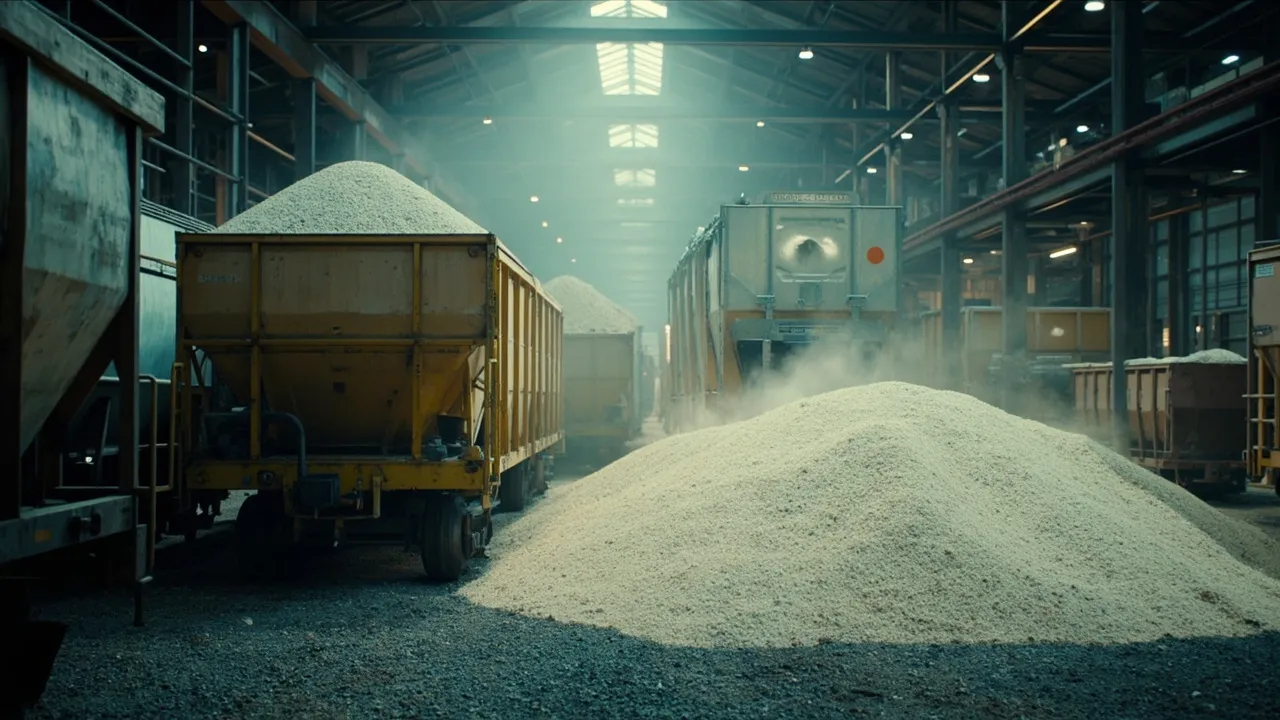
The link between LNG and food is more direct than most people realize. Natural gas is the primary feedstock for roughly 80% of global ammonia production through the Haber-Bosch process. Ammonia, in turn, is the foundational input for most nitrogen-based fertilizers. Urea alone—containing about 46% nitrogen—is the most widely used solid nitrogen fertilizer globally and plays a central role in crop production systems worldwide.
When LNG supply is disrupted, ammonia production costs spike. When ammonia costs spike, nitrogen fertilizer prices follow. When fertilizer prices surge, farmers either pay dramatically more, reduce application rates, or—in the worst case—skip fertilization entirely, directly reducing crop yields.
This isn't a theoretical chain of events. It's happening right now.
Timing Catastrophe: The Spring Planting Crunch
The cruelest dimension of this crisis is its timing. March and April represent peak fertilizer demand across the Northern Hemisphere as farmers prepare fields for spring planting. U.S. corn alone requires massive nitrogen inputs, and farmers typically make fertilizer purchases and begin field applications in precisely this window.
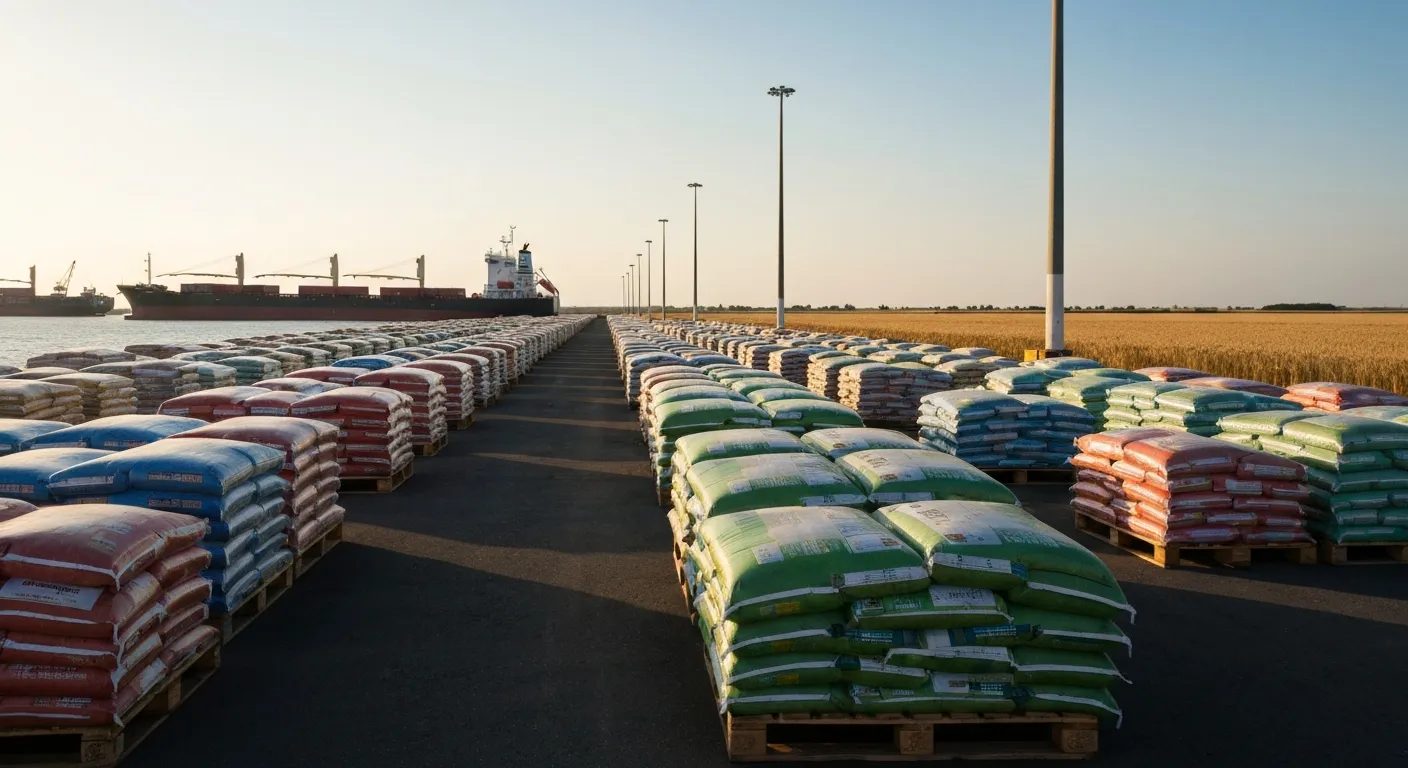
As Reuters reported on March 13, the U.S. is already approximately 25% short of its usual spring fertilizer supplies, according to The Fertilizer Institute. Fertilizer dealers—who operate on a just-in-time business model with minimal stockpiles—are finding retail centers empty or stocked at prices many farmers cannot afford.
"It sends shivers down your spine," one Saskatchewan farmer told Reuters after learning his local fertilizer dealer had stopped offering prices altogether due to the shortage. Buying urea today would cost him C$44,000 ($32,070) more than his December purchase price.
The Price Cascade: From Gulf Terminals to Farm Gates
Fertilizer prices have surged more than a third since the conflict began. But the crisis extends beyond price. The U.S. benchmark price in New Orleans—where most offshore imports enter—is running as much as $119 per metric ton below global prices, creating an alarming arbitrage risk. Analysts at StoneX have warned that vessels originally destined for U.S. ports could be diverted to higher-paying markets, further tightening domestic supply.
The price cascade flows predictably:
- LNG spot prices surge as Gulf supply is removed from the market
- Ammonia production costs rise at facilities dependent on natural gas feedstock
- Urea and UAN prices spike at the wholesale and retail level
- Farm-gate costs increase, squeezing already-thin margins for farmers facing low commodity prices
- Food prices ultimately rise as reduced fertilizer application translates to lower crop yields at harvest
Unlike oil, most countries—with the notable exception of China, which has tapped its strategic fertilizer reserves—hold no strategic reserves of fertilizer. The just-in-time supply chain that keeps costs low in normal times becomes a critical vulnerability during disruption.
Alternative Sourcing: Limited Options on a Short Timeline
The global fertilizer supply chain has few quick alternatives. The U.S. Treasury Department announced emergency measures to allow increased Venezuelan fertilizer imports, but Venezuela's nitrogen production has declined dramatically in recent years and rebuilding capacity requires billions of dollars and years of investment.
U.S. domestic natural gas remains abundant and relatively affordable, providing a buffer for domestically produced nitrogen fertilizer. However, domestic production alone cannot fill the gap left by Gulf imports. Australian LNG and alternative ammonia production pathways offer longer-term diversification, but they cannot be activated at scale within the weeks that matter for this planting season.
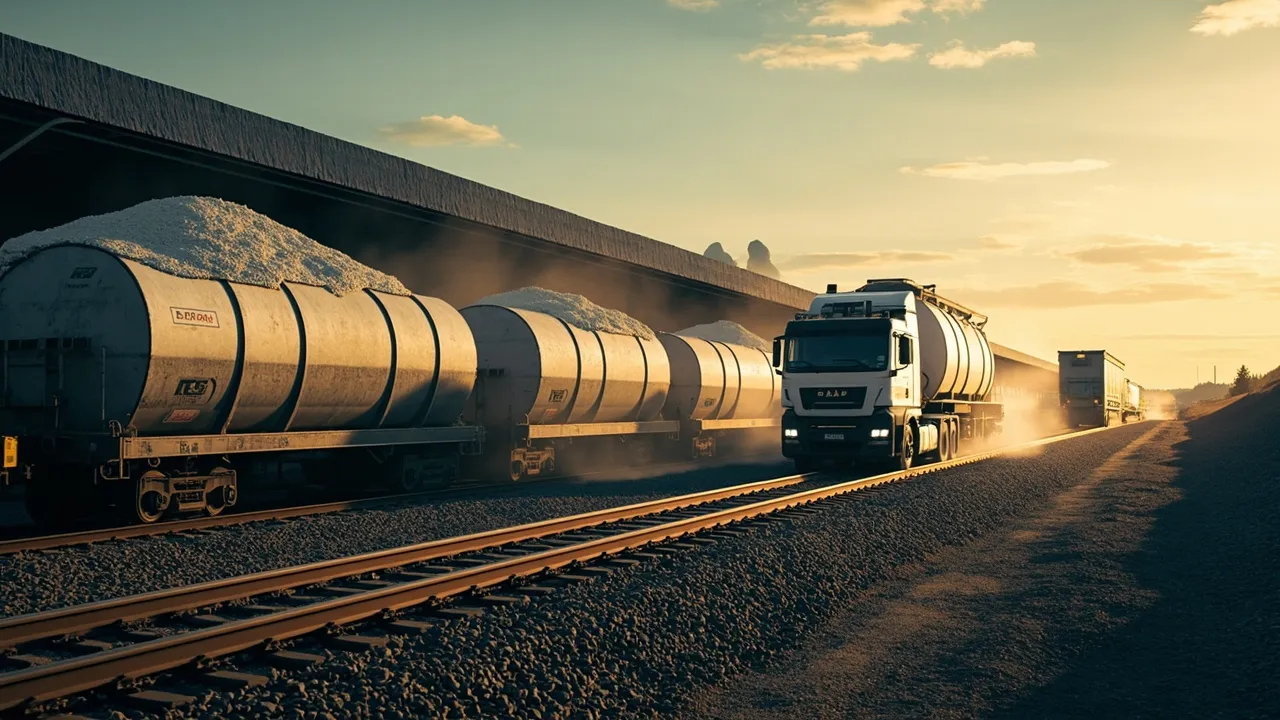
For logistics operators, the scramble is real: rerouting fertilizer from alternative origins, securing vessel capacity on non-Hormuz routes, managing warehouse allocation for scarce inventory, and navigating rapidly shifting pricing.
What Shippers and Logistics Operators Should Do Now
The fertilizer logistics crisis demands immediate action across the agricultural supply chain:
1. Audit fertilizer supply chain exposure. Map every node where your agricultural customers or suppliers depend on Gulf-origin nitrogen products. Identify which routes transit the Strait of Hormuz and quantify the volume at risk.
2. Diversify sourcing proactively. Explore North African (Egypt, Algeria), Southeast Asian, and domestic U.S. ammonia and urea sources. Even partial diversification reduces concentration risk.
3. Secure capacity early. Vessel and rail capacity for fertilizer movements will tighten further as spring demand peaks. Lock in transportation commitments now rather than competing in the spot market in April.
4. Model price volatility scenarios. Build financial models that account for fertilizer costs at 30%, 50%, and 75% above pre-crisis levels. Understand the break-even impact on customers and downstream food supply chains.
5. Communicate across the chain. Farmers, distributors, retailers, and food companies all need visibility into supply constraints. Transparent communication prevents panic buying and enables rational allocation.
How CXTMS Helps Navigate the Fertilizer Freight Crisis
Cascading supply chain disruptions like the Hormuz fertilizer crisis are exactly the scenarios where transportation management technology proves its value. CXTMS provides:
- Multi-origin route optimization to identify the fastest and most cost-effective alternative sourcing paths for fertilizer shipments
- Real-time rate benchmarking across ocean, rail, and truck modes so shippers avoid overpaying in volatile markets
- Scenario modeling to quantify the total cost impact of supply rerouting, price surges, and delivery delays across the agricultural logistics network
- Carrier performance analytics to identify which providers maintain reliability during geopolitical disruptions
When a single chokepoint closure can threaten an entire season's food production, the ability to model alternatives and act decisively isn't optional—it's existential.
The Strait of Hormuz crisis is rewriting agricultural logistics in real time. Ready to build resilience into your supply chain before the next disruption hits? Request a CXTMS demo and see how intelligent transportation management protects your freight—from petrochemical feedstocks to farm-gate delivery.