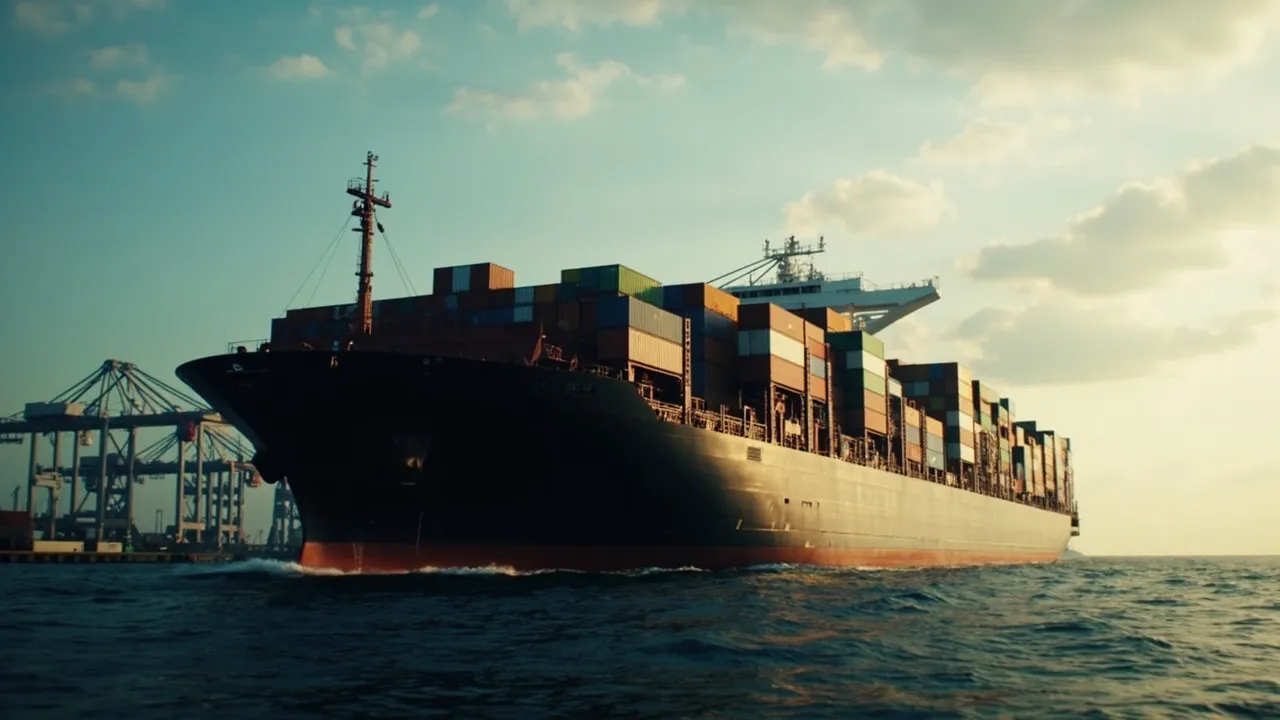
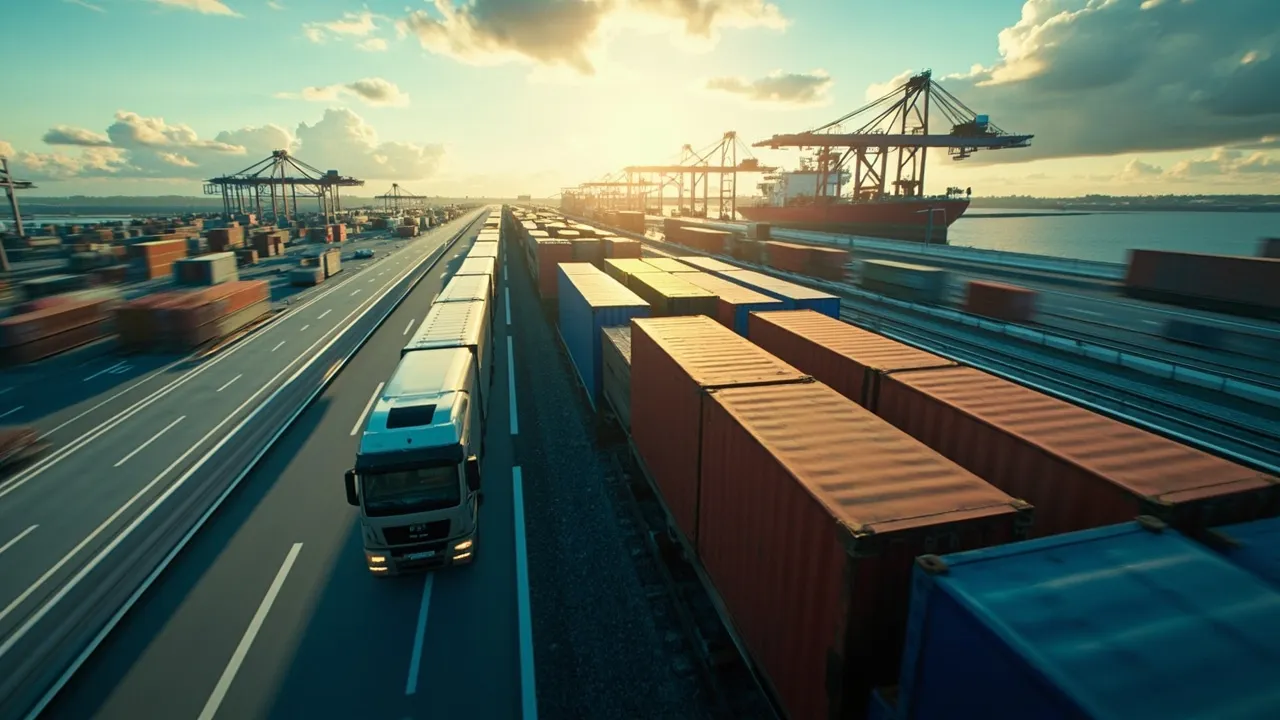
The Future of Seaports Is Densification, Not Endless Expansion

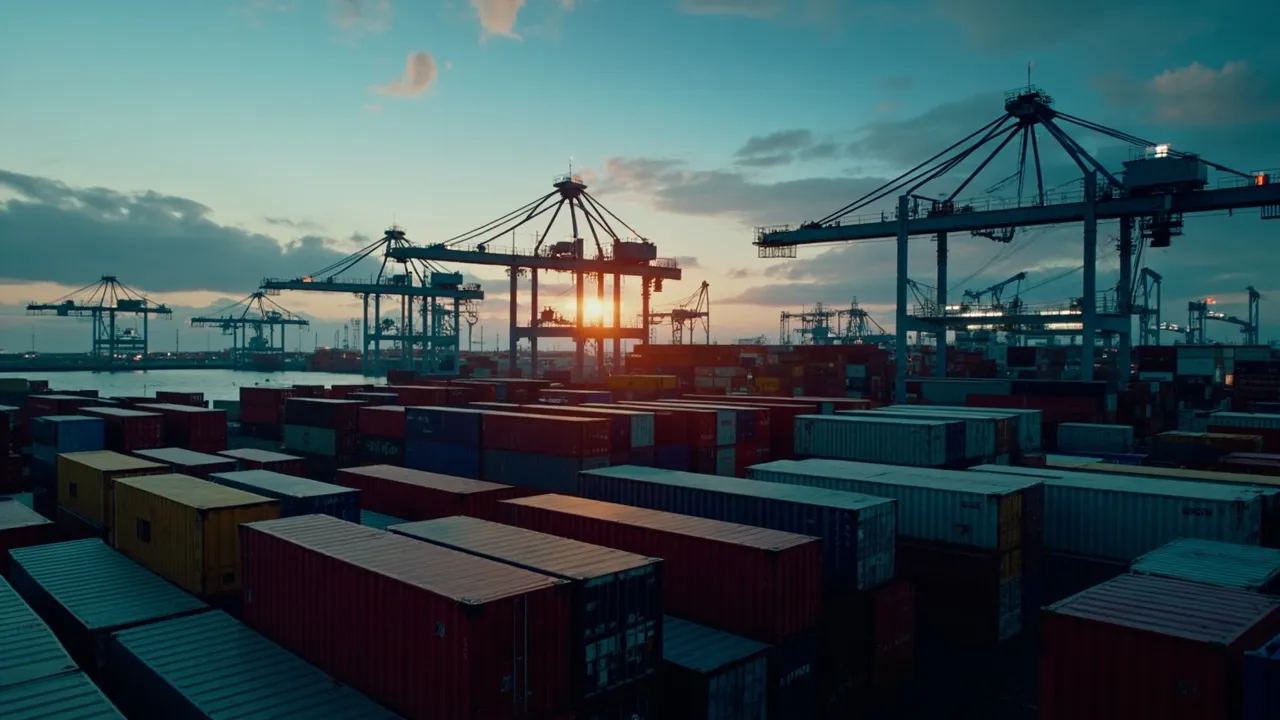
The next era of seaport capacity will not be won by whoever pours the most concrete.
That option is running out. Major gateways sit beside cities, wetlands, channels, rail corridors, highways, and communities that cannot simply move aside every time container volumes rise. The smarter play is densification: using the same footprint better through vertical planning, modernized assets, predictive analytics, integrated communications, cleaner equipment, and tighter coordination with carriers, drayage providers, terminals, and shippers.
Inbound Logistics framed the issue clearly: as land constraints tighten, seaport growth depends on smarter use of existing footprints. Ports are going vertical, evaluating infrastructure for modernization, and working with private industry plus state and federal agencies to diversify capital for major investments.
That is not just a port authority problem. For shippers, port densification is becoming a routing, lead-time, surcharge, and service-risk issue.
Capacity is no longer just acreage
For decades, the easy port-capacity story was expansion: add terminals, add berths, add acreage, add cranes. Some gateways will still need physical expansion, especially where channel projects, berth depth, and intermodal access lag vessel size. But in the most important trade corridors, the constraint is increasingly spatial and operational rather than purely physical.
Densification changes the question from “How much land do we have?” to “How much throughput can this footprint handle without breaking the surrounding network?”
That requires a different operating model. Ports need better yard design, more productive container stacking, modern gate systems, appointment discipline, chassis visibility, rail coordination, and communications that let cargo owners see problems before containers sit idle. A terminal can have impressive acreage and still fail shippers if truck queues, rail cutoffs, empty returns, and vessel bunching are unmanaged.
Inbound Logistics highlighted Port Everglades as an example of synchronized growth across cruise, cargo, and energy on a fixed footprint. That matters because modern ports are not single-purpose facilities. They have to balance container freight, fuel, breakbulk, cruise, real estate, environmental commitments, labor availability, nearby residents, and inland connectivity. The winning ports will be the ones that make those tradeoffs visible rather than pretending capacity is only a yard-space calculation.
Predictive analytics belongs upstream of congestion
Predictive analytics is often discussed as if it were a port-control-room upgrade. That is too narrow. The value shows up when port data reaches shippers early enough to change transportation decisions.
If dwell times are rising, appointment slots are tightening, vessel arrivals are bunching, or a terminal is shifting gate hours, transportation teams should know before detention, demurrage, and premium drayage become unavoidable. The same logic applies to ocean-carrier capacity. Supply Chain Dive reported that non-alliance carrier capacity on the Transpacific has fallen to a 10-year low, citing Sea-Intelligence data. The report also noted a 79% correlation between spot-rate levels and the availability of capacity outside major alliance structures, with non-alliance services expected to drop below 15% of total offered capacity.
Those numbers are not just carrier-market trivia. They affect port planning and shipper routing. When smaller carriers withdraw capacity, cargo flows concentrate differently. When alliances adjust vessel sizes and schedules, terminals feel the impact in yard density, berth windows, and inland handoffs. When spot rates fall or rise quickly, capacity can move faster than a shipper’s annual routing guide.
That is why port analytics should feed transportation planning, not sit inside a separate infrastructure dashboard. A freight forwarder choosing between gateways needs to evaluate service reliability, drayage availability, rail fluidity, appointment rules, and carrier mix together. Otherwise, a low ocean rate can turn into a bad landed-cost decision.
Sustainability is becoming part of capacity
Sustainability is often treated as a parallel workstream: emissions reporting over here, operational execution over there. Ports are proving that separation is artificial.
Inbound Logistics pointed to shore power, electrification of equipment, and green fuels as rapidly becoming baseline requirements in transportation. These investments are environmental, but they are also capacity investments. Electric yard equipment changes charging schedules and maintenance planning. Shore power affects berth infrastructure. Alternative fuels require bunkering readiness and safety processes. Habitat restoration and water-quality projects can influence permitting timelines and community support for port modernization.
In other words, sustainability increasingly determines whether a port can grow at all. A gateway that cannot satisfy environmental expectations, community pressure, or vessel requirements may struggle to attract next-generation carriers and logistics partners. A port that invests early can create operational advantage while competitors are still treating sustainability as compliance paperwork.
For shippers, this means port selection should include modernization signals that used to feel peripheral: electrification plans, berth upgrades, community mitigation, resiliency projects, and public-private funding momentum. Those signals tell you whether the gateway is preparing for future freight or merely defending yesterday’s operating model.
What shippers should watch before choosing routings
Shippers do not control port strategy, but they can stop treating port choice as a static line in the routing guide.
The practical checklist is straightforward:
- Is the port adding capacity through measurable productivity gains, not just announcements?
- Are gate hours, appointments, chassis pools, and rail cutoffs visible enough for exception planning?
- Do drayage partners have reliable access to appointment data and empty-return instructions?
- Are ocean-carrier capacity changes altering congestion risk or sailing reliability?
- Is the port investing in electrification, shore power, resiliency, and environmental work that supports long-term growth?
- Can the shipper see dwell, demurrage exposure, and handoff delays at the shipment level?
The last point is where many logistics teams fall short. They know a port is “congested” after the cost has already landed. By then, the only options are expediting, detention disputes, customer apologies, and emergency routing changes. Better planning means connecting port indicators to shipment execution while there is still time to act.
The CXTMS angle: turn port signals into execution rules
Port densification will not eliminate disruption. It will make disruption more data-rich, which is only useful if transportation teams can act on it.
CXTMS helps logistics teams connect port conditions, carrier schedules, drayage milestones, accessorial exposure, and customer commitments inside one execution layer. Instead of waiting for congestion to become a surcharge, teams can monitor lane-level risk, trigger exceptions, compare gateway options, and make routing decisions with cost and service in the same view.
The future of seaports is not endless expansion. It is smarter capacity. Shippers that recognize the difference will choose better gateways, negotiate better drayage coverage, and avoid paying for port problems after the window to prevent them has closed.
Want to turn port signals into earlier transportation decisions? Schedule a CXTMS demo and see how shipment visibility, exception workflows, and cost controls work together before congestion hits the invoice.